
Are you wondering if your granite stone cookware can safely go into the oven? You’re not alone.
Many people love the look and durability of granite cookware but hesitate when it comes to oven use. Knowing whether your cookware can handle the heat without damage is key to cooking with confidence. Keep reading to discover the truth about granite stone cookware and oven safety—so you can protect your kitchen tools and cook your favorite dishes worry-free.
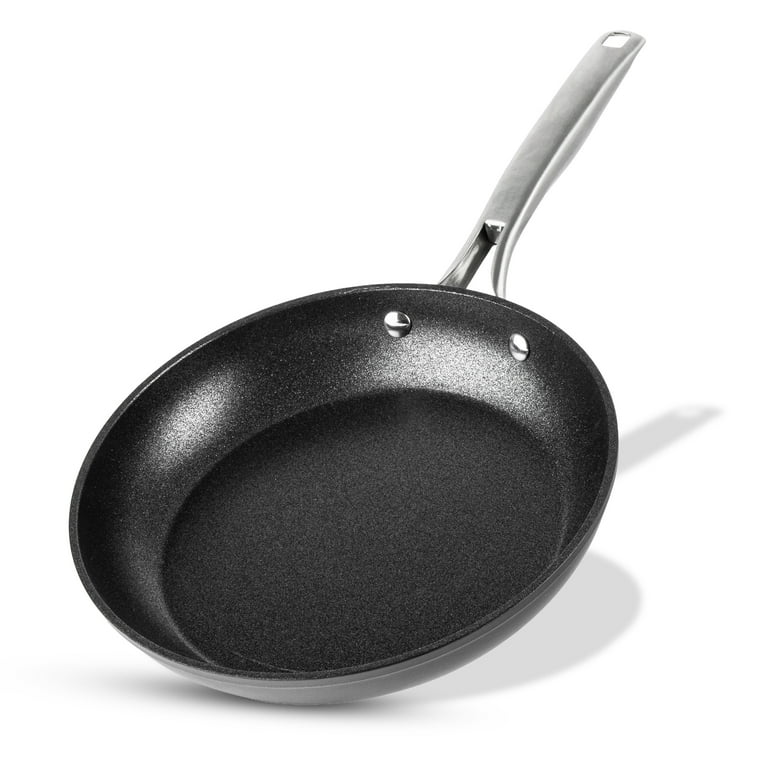
Credit: www.walmart.com
Granite Stone Cookware Basics
Granite stone cookware has become popular in many kitchens for its durability and stylish look. Understanding the basics of this cookware helps to know if it is safe to use in the oven. Granite stone cookware usually combines natural stone with other materials to provide a strong, non-stick cooking surface. This section covers the essential details about its material and common uses, setting the foundation for exploring its oven safety.
Material Composition
Granite stone cookware is not made entirely from natural granite. Instead, it features a combination of materials that create a strong and effective cooking surface. The main components include:
- Aluminum Base: Provides lightweight structure and good heat conductivity.
- Granite Coating: A stone-derived layer that offers non-stick properties and durability.
- Non-Stick Surface: Often reinforced with ceramic or other mineral particles for scratch resistance.
- Handle Materials: Usually made of heat-resistant plastic or silicone, affecting oven safety.
This blend helps the cookware heat evenly and resist scratching. The granite coating gives it a natural look and reduces the need for oils or butter.
| Material | Purpose | Benefit |
|---|---|---|
| Aluminum | Base structure | Lightweight and even heating |
| Granite Coating | Cooking surface | Durable and non-stick |
| Ceramic Particles | Reinforcement | Scratch-resistant and safe |
| Plastic/Silicone Handles | Grip and safety | Heat-resistant but limited oven use |
Knowing these materials helps to understand how the cookware behaves under heat. The aluminum base quickly spreads heat while the granite coating protects food from sticking. Yet, the handle type can limit how long the pan stays safe inside the oven.
Common Uses
Granite stone cookware suits many cooking methods. It performs well on various stovetops and often fits most kitchens’ daily needs. Common uses include:
- Frying and Sautéing: The non-stick surface allows cooking with less oil.
- Simmering Sauces: Even heating prevents hot spots and burning.
- Oven Cooking: Many pans can go in the oven, but only up to certain temperatures.
- Baking: Some users bake casseroles or dishes using granite cookware.
- Serving: Attractive design lets you serve food directly in the pan.
Granite stone pans work well for both simple meals and more complex recipes. Their easy cleanup saves time after cooking. Most models fit gas, electric, and ceramic stovetops.
Here is a quick overview of common uses and their suitability:
| Use | Suitability | Notes |
|---|---|---|
| Stovetop Cooking | Excellent | Heats evenly, non-stick surface |
| Oven Use | Depends on model | Check max temperature, handle type |
| Baking | Good for some pans | Use oven-safe versions only |
| Serving | Great | Stylish appearance, easy cleaning |
Understanding these uses guides safe and effective cooking. It helps avoid damage and extends cookware life. The next step is to check if your granite stone cookware is oven safe and under what conditions.

Credit: www.amazon.com
Heat Resistance Of Granite Stone
Granite stone cookware is popular for its natural look and strong build. Many cooks wonder about its ability to handle high heat in ovens. The heat resistance of granite stone affects how safe it is for oven use. Understanding this property helps in using the cookware properly and avoiding damage. Granite stone can resist high temperatures but has limits that must be respected to keep it safe and functional.
Maximum Oven Temperature
Granite stone cookware can usually withstand oven temperatures up to a certain point. This maximum temperature depends on the quality of the stone and the type of coating used. Most granite cookware safely handles temperatures between 350°F (175°C) and 500°F (260°C). Exceeding this range risks damaging the surface or the entire piece.
Here are some key points about maximum oven temperature for granite cookware:
- Check manufacturer guidelines: Always follow the specific temperature limits given.
- Use moderate heat: Avoid using the highest heat settings for long times.
- Preheat oven: Place cookware in a fully preheated oven to avoid sudden heat changes.
Below is a table showing common granite cookware temperature limits:
| Cookware Type | Max Oven Temperature |
|---|---|
| Granite-coated pans | 450°F (230°C) |
| Pure granite stone cookware | 500°F (260°C) |
| Granite with non-stick coating | 350°F (175°C) |
Using the right temperature preserves the cookware’s life and keeps food safe. Avoid sudden temperature changes to maintain the stone’s strength.
Thermal Shock Considerations
Thermal shock happens when granite cookware faces a sudden temperature change. This can cause cracks or breakage. Granite is strong but not immune to rapid shifts between hot and cold. Careful handling reduces the risk of damage.
Key tips for avoiding thermal shock:
- Do not put hot cookware into cold water. Let it cool gradually before washing.
- Avoid placing cold granite cookware in a hot oven. Warm it slowly or place it in a preheated oven.
- Use oven mitts and place cookware on heat-safe surfaces. Sudden cold surfaces can cause stress.
The table below lists common causes and prevention methods for thermal shock:
| Cause of Thermal Shock | Prevention Method |
|---|---|
| Putting hot granite cookware into cold water | Let cookware cool before washing |
| Placing cold cookware directly in a hot oven | Preheat oven with cookware inside or warm slowly |
| Setting hot cookware on cold surfaces | Use heat-resistant mats or trivets |
Following these steps helps protect granite cookware from damage. It keeps your kitchen tools safe and lasts longer.
Manufacturer Guidelines
Granite stone cookware is popular for its durability and non-stick surface. Understanding the manufacturer guidelines is essential to use this cookware safely in the oven. These guidelines help prevent damage and keep your cookware in good condition for a long time. Each brand may have slightly different rules, so reading instructions carefully is important before using your granite cookware in the oven.
Typical Oven Safety Instructions
Most granite stone cookware comes with clear instructions on oven use. These instructions protect the cookware and your safety. Here are common safety rules manufacturers suggest:
- Maximum Oven Temperature: Usually, granite cookware can handle heat up to 350°F to 450°F (175°C to 230°C).
- Avoid Sudden Temperature Changes: Do not move the cookware directly from the fridge to a hot oven.
- Use Oven Mitts: Handles may get hot; always use oven mitts to avoid burns.
- Remove Lids if Not Oven Safe: Some lids are not safe for oven use. Check before placing the lid in the oven.
- Place on Middle Rack: Position the cookware on the oven’s middle rack for even heating.
Here is a quick reference table for common oven safety points:
| Instruction | Details |
|---|---|
| Max Temperature | 350°F to 450°F (175°C to 230°C) |
| Temperature Changes | Avoid sudden hot/cold shifts |
| Handle Safety | Use oven mitts for hot handles |
| Lid Use | Check if oven safe before use |
| Placement | Use middle rack for best heat |
Warranty And Usage Limits
Manufacturers set clear warranty and usage limits for granite stone cookware. Knowing these limits helps avoid voiding the warranty. Most warranties cover defects but exclude damage caused by improper oven use.
Common warranty and usage points include:
- Oven Temperature Limits: Exceeding the max temperature can cause cracks or coating damage.
- Use Only as Directed: Using the cookware on stovetops, ovens, or grills as instructed keeps the warranty valid.
- Cleaning Instructions: Avoid harsh cleaners or metal scrubbers that can harm the surface.
- Damage from Misuse: Cracks, chips, or discoloration from misuse are usually not covered.
Here is an example warranty summary table:
| Warranty Aspect | Details |
|---|---|
| Coverage | Manufacturing defects only |
| Excluded Damages | Cracks, chips, misuse, overheating |
| Temperature Limit | Up to 450°F (230°C) typically |
| Cleaning | Use mild detergents; no metal scrubbers |
Following these guidelines ensures safe oven use and protects your investment. Always read the specific manual that came with your granite cookware for exact details.
Comparing Granite Stone To Other Cookware
Granite stone cookware is popular for its durability and sleek look. Many wonder if it is oven safe and how it compares to other cookware types. Comparing granite stone to other cookware helps you choose the best option for your kitchen. Each cookware type has unique strengths and limits, especially regarding oven use. Understanding these differences can save you from damage and improve your cooking experience.
Cast Iron Vs Granite Stone
Cast iron and granite stone cookware both offer strong, long-lasting options. Cast iron is known for excellent heat retention and even cooking. Granite stone cookware usually features a nonstick surface with a granite-like finish, making it lighter and easier to handle than cast iron.
Oven safety:
- Cast Iron: Safe in the oven at very high temperatures, often up to 500°F or more.
- Granite Stone: Usually oven safe up to 350°F to 450°F, depending on manufacturer guidelines.
Weight and handling:
- Cast iron is heavy and requires careful handling.
- Granite stone cookware is lighter and easier to lift.
| Feature | Cast Iron | Granite Stone |
|---|---|---|
| Oven Safe Temperature | Up to 500°F+ | Usually 350°F-450°F |
| Weight | Heavy | Light to medium |
| Maintenance | Requires seasoning | Nonstick, easy to clean |
| Durability | Extremely durable | Durable but coating can wear |
Cast iron needs seasoning to keep food from sticking and to prevent rust. Granite stone cookware usually has a nonstick coating that does not need seasoning. Both types can last many years with proper care. Cast iron excels in heat retention, while granite stone heats quickly and evenly but cools faster.
Nonstick Alternatives
Granite stone cookware is one type of nonstick option. Other popular nonstick alternatives include Teflon-coated pans, ceramic-coated pans, and anodized aluminum cookware. Each type offers different benefits and oven safety limits.
Comparison of common nonstick cookware:
- Teflon-coated pans: Lightweight, very nonstick, oven safe up to 350°F. Can release fumes if overheated.
- Ceramic-coated pans: Free of chemicals, oven safe up to 450°F, but coating can chip over time.
- Anodized aluminum: Hard surface, good heat conduction, oven safe up to 400°F, nonstick but less so than Teflon.
| Type | Oven Safe Temp | Durability | Nonstick Quality |
|---|---|---|---|
| Granite Stone | 350°F-450°F | Good, coating may wear | High |
| Teflon | Up to 350°F | Moderate | Very High |
| Ceramic | Up to 450°F | Moderate | High |
| Anodized Aluminum | Up to 400°F | High | Moderate |
Granite stone cookware blends durability with easy cleaning. It usually holds up well in the oven, but check specific product limits. Nonstick coatings require gentle care. Avoid metal utensils and harsh scrubbing to extend cookware life. Choose cookware based on your cooking style and oven needs.
Tips For Safe Oven Use
Granite stone cookware offers a stylish and durable option for cooking. Many wonder if this cookware is safe to use in the oven. The answer depends on the specific product, but most granite stone cookware is designed to be oven safe up to certain temperatures. Using it properly in the oven helps keep the cookware in good shape and ensures your food cooks evenly. The following tips focus on safe oven use to protect your granite stone cookware and get the best results every time.
Preheating And Temperature Control
Proper preheating and temperature control are key to using granite stone cookware safely in the oven. Avoid sudden temperature changes, which can cause cracks or warping. Always preheat the oven before placing your cookware inside. This helps the cookware heat evenly and reduces stress on the material.
- Set the oven temperature according to the cookware’s maximum limit, usually between 350°F and 450°F.
- Do not exceed the recommended temperature. High heat can damage the granite coating.
- Place the cookware in a cold oven only if the manufacturer allows. If not, wait for full preheating.
Use an oven thermometer to monitor the actual temperature, especially if your oven runs hot or cold. Uneven oven heat can cause hotspots that affect cooking and damage the cookware.
| Temperature Range | Safe Use Tips |
|---|---|
| Below 350°F (177°C) | Safe for most granite stone cookware. Ideal for slow cooking and baking. |
| 350°F to 450°F (177°C to 232°C) | Use with caution. Avoid rapid temperature changes and monitor cooking time. |
| Above 450°F (232°C) | Not recommended. Can cause permanent damage to the coating and base. |
Avoiding Damage
Granite stone cookware is durable but needs careful handling to avoid damage. Follow these tips to protect your cookware’s surface and structure during oven use.
- Use oven mitts to handle hot cookware to prevent drops or knocks.
- Avoid placing hot cookware on cold or wet surfaces. Sudden cooling can crack the stone coating.
- Do not use metal utensils inside the cookware. They can scratch the granite surface.
- Clean the cookware gently after oven use. Use soft sponges and avoid abrasive cleaners.
- Allow cookware to cool naturally before washing or storing.
Check the cookware regularly for any signs of chipping or cracks. Small damages can worsen with oven heat. Store your granite stone cookware in a dry, safe place to avoid accidental damage.
| Common Cause | How to Avoid |
|---|---|
| Thermal shock | Preheat oven fully and avoid cold surfaces after use. |
| Scratches | Use wooden or silicone utensils only. |
| Impact damage | Handle with care using oven mitts; avoid dropping. |
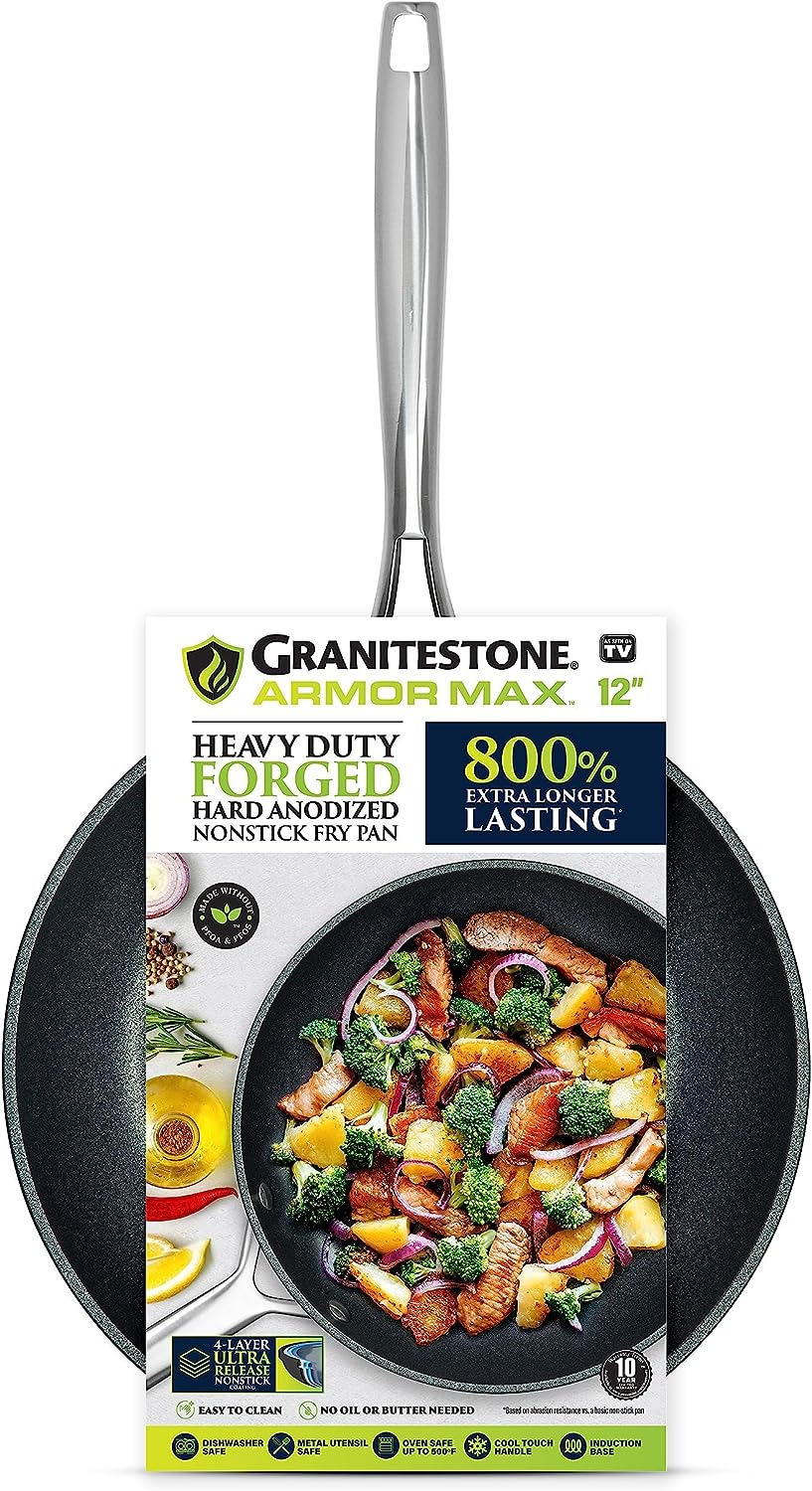
Credit: granitestone.com
Common Myths And Misconceptions
Granite stone cookware is popular for its durability and non-stick surface. Many people wonder if it is safe to use this cookware in the oven. There are several myths and misunderstandings about granite stone cookware and oven safety. These myths can cause confusion and may prevent people from using their cookware properly. Clearing up these misconceptions helps users enjoy their granite cookware without fear or doubt.
Granite Stone And Extreme Heat
One common myth is that granite stone cookware cannot handle high oven temperatures. The truth is, granite stone cookware is designed to tolerate moderate to high heat, but it has limits. Most granite cookware can safely be used in ovens up to 350°F to 450°F (175°C to 230°C). Exceeding this range may damage the non-stick coating or cause warping.
Key points about granite stone and heat:
- Avoid sudden temperature changes. Moving cookware from the fridge directly to a hot oven can cause cracks.
- Check manufacturer guidelines. Each brand may have specific temperature limits.
- Granite stone is not suitable for broiling. Broilers use extreme direct heat that can harm the surface.
| Heat Source | Safe Temperature Range | Notes |
|---|---|---|
| Conventional Oven | Up to 450°F (230°C) | Most granite cookware is safe |
| Broiler | Not recommended | Too intense, can damage coating |
| Microwave | Varies | Check manufacturer instructions |
Understanding these facts helps avoid accidental damage and improves cookware lifespan.
Cleaning After Oven Use
Another misconception is that granite stone cookware is hard to clean after oven use. In reality, proper cleaning is easy and keeps cookware in good shape for longer.
Follow these cleaning tips:
- Let the cookware cool down. Avoid rinsing hot granite cookware with cold water to prevent cracking.
- Use warm water and mild soap. Harsh detergents can harm the non-stick layer.
- Use soft sponges or cloths. Avoid abrasive scrubbers that may scratch the surface.
- Remove stuck food gently. Soak the cookware briefly before cleaning tough spots.
- Dry completely before storing. This prevents water spots and preserves the coating.
Do not use metal utensils or steel wool, which can damage the granite stone surface. Regular care maintains the cookware’s appearance and performance.
| Cleaning Step | Do’s | Don’ts |
|---|---|---|
| After oven use | Cool down before washing | Rinse with cold water immediately |
| Cleaning | Use mild soap and soft sponge | Use abrasive cleaners or scrubbers |
| Food removal | Soak and wipe gently | Scrape with metal tools |
Following these simple steps ensures your granite stone cookware lasts many years without losing its oven-safe qualities.
Frequently Asked Questions
Is Granite Stone Cookware Safe To Use In Ovens?
Yes, most granite stone cookware is oven safe. Check the manufacturer’s guidelines for temperature limits and usage instructions to avoid damage.
What Maximum Temperature Can Granite Cookware Withstand?
Granite cookware typically withstands oven temperatures up to 450°F (232°C). Exceeding this limit may cause cracking or discoloration.
Can Granite Stone Pans Handle Direct Oven Heat?
Granite stone pans can handle direct oven heat if designed for it. Always verify the product details before using them in the oven.
Does Granite Cookware Require Special Care After Oven Use?
Yes, granite cookware needs gentle cleaning after oven use. Avoid sudden temperature changes and harsh detergents to maintain its durability and finish.
Conclusion
Granite stone cookware usually works well in the oven. It can handle heat, but check the product label first. Avoid sudden temperature changes to keep it safe. Use oven mitts to protect your hands from burns. Cookware with non-stick coatings may have temperature limits.
Always follow the manufacturer’s instructions for best results. This helps your cookware last longer and stay in good shape. Enjoy cooking meals with confidence using granite stone cookware. Safe and smart use makes cooking easier and more fun.

Hello, This is Annie Walker, a 38-year-old blogger, founder, and editor of Cookware Guider from NY, USA. I am a cookware fanatic and passionate cooker. I love to cook with different types of cooking appliances (example: all types of cookware, rice cookers, slow cookers, etc) almost every day in my kitchen. I love to share my experience with my readers in my blog. Also, I enjoy helping people to solve their problems through my website. You can follow me on Twitter & Pinterest. To know details about my blog please check the about us page.