
You want cookware that’s safe, durable, and easy to clean. Granite non stick cookware sounds like a great choice, but is it really safe for you and your family?
You might wonder if harmful chemicals could leach into your food or if the coating will wear off quickly. Understanding the truth about granite non stick cookware can help you make smarter decisions in your kitchen. Keep reading, and you’ll discover everything you need to know to cook with confidence and peace of mind.

Credit: www.amazon.com
Granite Cookware Basics
Granite cookware has become popular for its non-stick surface and attractive look. Many people ask if granite non-stick cookware is safe to use. Understanding the basics of granite cookware helps to answer this question. This section explains what granite cookware is and the types of granite coatings available in the market. It is important to know these facts before buying or using granite cookware.
What Is Granite Cookware
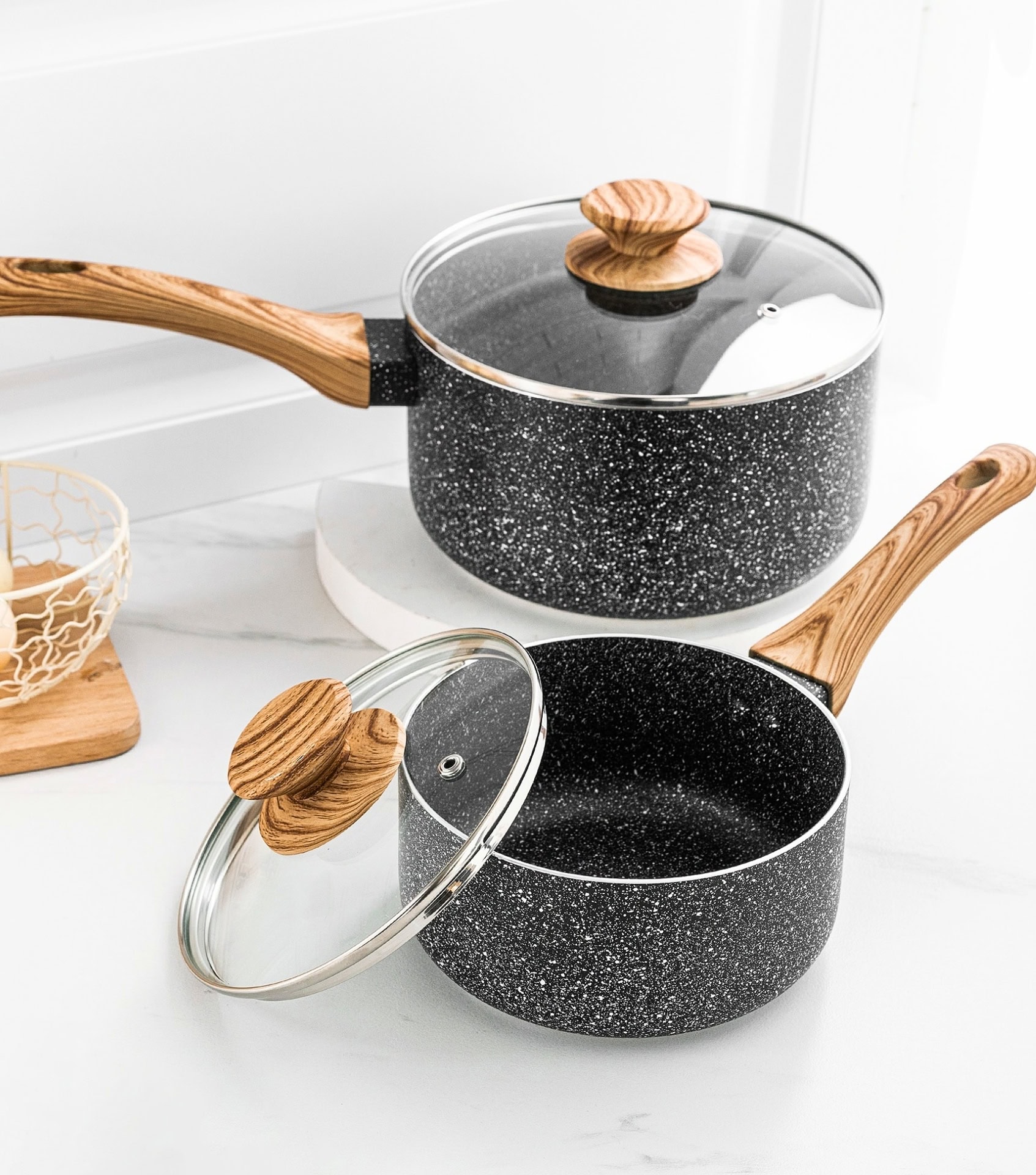
Granite cookware is not made from natural granite stone. It is a type of non-stick cookware that has a coating designed to look like granite. This coating is usually applied over aluminum or other metal pans. The main goal is to combine the beauty of granite with the easy cooking and cleaning benefits of non-stick pans.
Key features of granite cookware:
- Non-stick surface that needs less oil or butter
- Durable and scratch-resistant coating
- Even heat distribution due to metal base
- Often free from harmful chemicals like PFOA and PTFE
Granite cookware is popular because it offers a healthy cooking option. The non-stick layer helps prevent food from sticking, making it easier to clean. It also reduces the need for extra fats during cooking. The pans can handle moderate heat and are safe for most kitchens.
| Feature | Description |
|---|---|
| Material Base | Aluminum or other metals for heat conduction |
| Coating | Granite-style non-stick layer |
| Usage | Low to medium heat cooking |
| Maintenance | Hand wash recommended, avoid metal utensils |
Types Of Granite Coatings
Granite cookware coatings vary based on their composition and quality. Understanding these types helps to choose safer and more durable pans. Most granite coatings use a mix of non-stick materials and natural minerals.
Common types of granite coatings include:
- PTFE-based coating: Contains polytetrafluoroethylene, a popular non-stick material. It offers smooth cooking but can release fumes if overheated.
- Ceramic granite coating: Made from inorganic minerals, it is free from PTFE and PFOA. It is eco-friendly and safe at high temperatures.
- Hybrid coatings: Combine ceramic and PTFE for improved durability and non-stick performance.
The table below summarizes these types:
| Coating Type | Materials | Pros | Cons |
|---|---|---|---|
| PTFE-based | Polytetrafluoroethylene | Excellent non-stick, easy cleaning | Can emit fumes if overheated |
| Ceramic granite | Inorganic minerals, natural | Non-toxic, safe at high heat | Less durable, may chip |
| Hybrid coating | PTFE + ceramic | Durable, good non-stick | Usually more expensive |
Choosing the right granite coating depends on cooking habits and safety preferences. Ceramic coatings suit users wanting chemical-free options. PTFE coatings are best for easy food release but need careful temperature control. Hybrid coatings offer a balance between safety and performance.
Health Concerns
Granite non-stick cookware has gained popularity for its appealing look and cooking ease. Many wonder about its safety, especially regarding health concerns. Understanding the health risks tied to this cookware helps make better kitchen choices. This section explores key health aspects linked to granite non-stick pans.
Chemical Composition
Granite non-stick cookware is not made from real granite stone. It usually features a metal base coated with a non-stick layer that looks like granite. This coating often contains a blend of materials:
- Polytetrafluoroethylene (PTFE) – a common non-stick material, also known as Teflon.
- Ceramic particles – added for durability and a stone-like appearance.
- Other minerals – to enhance the coating’s strength and scratch resistance.
The metal base is typically aluminum or stainless steel, which affects heat distribution and durability. The coating’s thickness and quality vary by brand, influencing safety and performance.
Here is a simple table to compare common components of granite non-stick cookware:
| Component | Purpose | Health Notes |
|---|---|---|
| PTFE (Teflon) | Non-stick surface | Safe below 260°C; may release fumes if overheated |
| Ceramic Particles | Hardness and scratch resistance | Generally safe and inert |
| Aluminum Base | Heat conductor | May react with acidic foods if uncoated |
Understanding these materials helps assess risks and safe use practices.
Potential Toxins
Concerns about toxins come from the non-stick coating’s chemicals. PTFE coatings can release harmful fumes if the pan overheats above 260°C (500°F). These fumes might cause flu-like symptoms, known as “polymer fume fever.”
Other potential toxins include:
- PFOA (Perfluorooctanoic acid) – once used in Teflon production but mostly phased out due to health risks.
- Heavy metals – like lead or cadmium, which can be present if the coating or paint is low quality.
Most reputable granite cookware brands no longer use PFOA. Yet, cheap or counterfeit products might still contain harmful substances.
Here are tips to reduce toxin exposure:
- Do not heat empty pans.
- Cook on low to medium heat.
- Avoid using metal utensils to prevent scratching.
- Replace cookware once the coating peels or chips.
Following these steps limits toxin release and keeps cooking safer.
Allergic Reactions
Allergic reactions to granite non-stick cookware are rare but possible. Some people may react to metals or chemicals in the coating. Symptoms might include:
- Skin irritation after touching the pan
- Respiratory issues from inhaling fumes
- Digestive discomfort if small particles enter food
People with sensitive skin or known metal allergies should be cautious. Testing a new pan by briefly handling it can help spot skin reactions early.
To minimize allergic risks:
- Choose cookware with certified non-toxic coatings.
- Ensure proper ventilation while cooking.
- Clean pans thoroughly to remove residue.
Most users do not experience allergies. Still, awareness and care improve safety.
Safety Standards
Granite non-stick cookware has grown popular due to its durability and ease of use. Safety standards play a crucial role in ensuring these pans do not harm your health. The coatings and materials used must meet strict guidelines before reaching your kitchen. Understanding these standards helps you choose cookware that is both safe and reliable.
Certifications To Look For
Certifications prove that granite non-stick cookware meets safety and quality standards. These marks show the product has passed tests for harmful chemicals and durability. Always check for these certifications before buying.
- FDA Approval: Ensures the materials are safe for food contact.
- LFGB Certification: A German test for food safety and chemical limits.
- Prop 65 Compliance: California’s rule limiting toxic substances in cookware.
- RoHS Certification: Restricts dangerous metals like lead and cadmium.
- ISO 9001: Quality management system certification.
These certifications reduce the risk of exposure to harmful substances like PFOA and PFAS. Many manufacturers list these marks on their packaging or websites. Checking them ensures you buy cookware made with safe materials and safe processes.
| Certification | Purpose | Key Safety Focus |
|---|---|---|
| FDA | Food contact safety | No harmful chemicals leaching into food |
| LFGB | Food safety and chemical limits | Heavy metals, toxins, and odors |
| Prop 65 | Toxic substance control | Limits cancer-causing chemicals |
| RoHS | Environmental safety | Restricts hazardous metals |
Regulations And Testing
Granite non-stick cookware must pass strict regulations before sale. These rules protect consumers from toxic materials and unsafe coatings. Testing focuses on chemical safety, heat resistance, and durability.
Common tests include:
- Leachability Tests: Check if chemicals can transfer to food during cooking.
- Heat Stability Tests: Ensure coatings do not break down under high heat.
- Scratch and Abrasion Tests: Verify the coating stays intact with regular use.
- Heavy Metal Screening: Detect dangerous metals like lead, cadmium, and mercury.
Government agencies like the US FDA and the European Food Safety Authority set these regulations. Independent labs also conduct tests to confirm safety claims. Compliance with these standards means the cookware is less likely to release harmful substances.
Manufacturers often perform additional quality checks. These include:
- Random batch testing
- Coating thickness measurement
- Durability under repeated use
Following regulations and testing protocols ensures granite non-stick cookware is safe for everyday cooking. It reduces health risks and improves product lifespan.

Credit: www.t-fal.ca
Performance And Durability
Granite non-stick cookware has grown popular for its strong build and smooth cooking surface. Its performance and durability are key reasons many trust it in their kitchens. Understanding how well this cookware handles daily use helps decide if it is a safe and practical choice. The materials used and the technology behind granite non-stick pans play a big role in how they perform under heat and resist damage.
Scratch And Heat Resistance
Granite non-stick cookware often features a coating made from natural minerals mixed with a non-stick layer. This design boosts scratch resistance, making it tougher against metal utensils and rough cleaning tools. While it resists scratches better than some traditional non-stick pans, it is still wise to use wooden or silicone tools to keep the surface intact.
- Granite coating resists scratches from daily cooking tools.
- Supports use of metal utensils better than Teflon pans but caution is needed.
- Cleaning with soft sponges helps preserve the surface.
Heat resistance is another strength. Granite cookware can handle high temperatures without warping or losing its non-stick property. Most models safely operate up to 450°F (230°C). This makes them suitable for searing, frying, and baking. The thick base also distributes heat evenly, reducing hot spots that cause burning.
| Feature | Granite Non-Stick Cookware | Typical Non-Stick Cookware |
|---|---|---|
| Scratch Resistance | High, durable mineral coating | Moderate, prone to scratches |
| Heat Resistance | Up to 450°F (230°C) | Up to 350°F (175°C) |
| Warping Risk | Low due to thick base | Moderate with thin bases |
Longevity Of Non-stick Surface
The non-stick surface of granite cookware lasts longer than many traditional pans. The mineral-based coating resists peeling and flaking over time. This means less need to replace the cookware frequently.
Proper care still matters. Avoiding abrasive cleaners and overheating keeps the coating intact. Regular use with moderate heat and gentle cleaning extends the life of the non-stick layer.
- Mineral coating reduces wear and tear.
- Does not release harmful chemicals if overheated.
- Maintains non-stick quality for 3 to 5 years with care.
Here is a simple care checklist to maximize longevity:
- Use low to medium heat settings.
- Cook with wooden, silicone, or plastic utensils.
- Clean with soft cloths or sponges.
- Avoid dishwasher use unless specified by manufacturer.
Granite non-stick cookware offers a durable and reliable cooking surface. Its strong coating and resistance to heat and scratches make it a smart choice for many kitchens. Following care tips ensures the non-stick surface stays effective for years.
Usage Tips For Safety
Granite non-stick cookware offers a stylish and practical option for everyday cooking. To keep it safe and lasting longer, following proper usage tips is essential. These tips help maintain the non-stick surface and prevent any health risks. Taking care during cleaning, avoiding damage, and practicing safe cooking methods all contribute to a better cooking experience and ensure your cookware stays in top condition.
Proper Cleaning Methods
Cleaning granite non-stick cookware properly protects its coating and prevents scratches. Use warm, soapy water and a soft sponge or cloth for cleaning. Avoid abrasive cleaners or steel wool, as they can damage the surface.
- Hand wash only: Most granite non-stick pans are not dishwasher safe. Hand washing preserves the coating.
- Use mild detergents: Harsh chemicals can wear down the non-stick layer.
- Cool before washing: Let the pan cool before cleaning to avoid warping.
- Remove stuck food gently: Soak the pan in warm water for a few minutes to loosen food.
| Cleaning Step | What to Do | What to Avoid |
|---|---|---|
| Wash | Use soft sponge and warm soapy water | Abrasion, harsh scrubbers |
| Dry | Use a soft cloth or air dry | Rough towels that can scratch |
| Storage | Stack with soft liners to protect surface | Direct stacking without protection |
Following these steps ensures your granite cookware stays clean and its non-stick surface remains effective. Proper cleaning also helps avoid buildup that can cause sticking or discoloration.
Avoiding Damage
Preventing damage to granite non-stick cookware extends its lifespan. The coating is delicate and needs gentle handling. Use only utensils made from wood, silicone, or plastic to avoid scratches.
- No metal utensils: Metal can scrape the surface and ruin the non-stick layer.
- Avoid high heat: Excessive heat may cause the coating to break down or warp the pan.
- Do not stack without protection: Place paper towels or cloth between pans to prevent scratching.
Avoid sudden temperature changes, such as placing a hot pan into cold water. This can cause warping and damage the surface. Always preheat the pan on low to medium heat.
Keep the cookware away from open flames or broilers, which can overheat and damage the coating quickly.
| Damage Type | Cause | How to Avoid |
|---|---|---|
| Scratches | Using metal utensils | Use wooden or silicone tools only |
| Warping | High heat or sudden cooling | Cook on medium heat, cool gradually |
| Coating Wear | Abrasive cleaning or stacking without liner | Gentle cleaning and protective layering |
Safe Cooking Practices
Granite non-stick cookware performs best with safe cooking habits. Avoid overheating to keep the coating safe and food healthy.
- Preheat on low or medium heat: High heat can damage the coating and release harmful fumes.
- Use enough oil or butter: This helps food cook evenly and prevents sticking.
- Cook foods gently: Avoid aggressive stirring or scraping that can wear the surface.
- Monitor cooking time closely: Do not leave the pan unattended on heat.
Keep the cookware dry before heating to avoid oil splatter. Use lids to retain moisture and reduce cooking time.
Do not use aerosol cooking sprays directly on the pan. They can build up residues that damage the surface.
By following these practices, cooking stays safe and your granite non-stick cookware remains durable and effective.
Alternatives To Granite Cookware
Granite non-stick cookware is popular for its sleek look and ease of use. Still, some people worry about its safety and durability. Many seek alternatives that offer good cooking performance and safe materials. This section explores common alternatives to granite cookware. It helps you choose the best option based on your needs.
Other Non-stick Options
Several non-stick cookware types exist beyond granite. Each has unique features and safety profiles. Here are common alternatives:
- Teflon (PTFE) Coated Pans: Known for excellent non-stick properties and easy cleaning. They work well for low to medium heat cooking.
- Ceramic Coated Pans: Made with a natural, inorganic coating. They heat evenly and resist scratches but may lose non-stick power over time.
- Anodized Aluminum: Aluminum treated to create a hard, non-reactive surface. It resists corrosion and offers good heat conduction.
- Cast Iron Skillets: Heavy and durable with natural non-stick qualities after seasoning. They work well for high heat and last for years.
- Stainless Steel Pans: Not naturally non-stick but very safe and durable. Best for searing and browning food.
Choosing the right pan depends on your cooking style and health concerns. Consider factors like heat tolerance, ease of cleaning, and lifespan.
Pros And Cons Comparison
Here is a simple table showing the benefits and drawbacks of these cookware options:
| Cookware Type | Pros | Cons |
|---|---|---|
| Teflon (PTFE) |
|
|
| Ceramic Coated |
|
|
| Anodized Aluminum |
|
|
| Cast Iron |
|
|
| Stainless Steel |
|
|
Each cookware type suits different cooking needs. Teflon works best for low-fat cooking. Cast iron is ideal for high heat and long use. Ceramic offers a natural, chemical-free surface. Stainless steel provides durability but less non-stick. Anodized aluminum balances heat and durability. Choose based on your cooking habits and safety preferences.
Credit: www.sustainablejungle.com
Frequently Asked Questions
Is Granite Non Stick Cookware Safe For Daily Use?
Yes, granite non stick cookware is safe for daily cooking. It uses non-toxic coatings free from harmful chemicals like PFOA and PTFE. This makes it a healthy choice for regular meal preparation without releasing toxins.
Does Granite Non Stick Cookware Release Harmful Chemicals?
No, quality granite non stick cookware does not release harmful chemicals. It is made with safe, durable coatings that resist scratching and peeling. Always choose reputable brands to ensure chemical-free, safe cooking surfaces.
Can Granite Non Stick Pans Handle High Heat Safely?
Granite non stick pans can handle moderate heat well but avoid very high temperatures. Excessive heat may damage the coating and reduce its lifespan. Use medium to low heat for best results and to maintain safety.
How Durable Is Granite Non Stick Cookware?
Granite non stick cookware is quite durable with proper care. Its hard coating resists scratches and abrasions better than traditional non stick pans. Avoid metal utensils and harsh cleaning to extend its lifespan.
Conclusion
Granite non-stick cookware offers a safe option for everyday cooking. It resists scratches and does not release harmful chemicals. Cleaning is easy and it heats food evenly. Avoid using metal utensils to keep the surface intact. Choose quality brands to ensure safety and durability.
Regular care helps the cookware last longer. This type of cookware suits many kitchens well. Consider your cooking habits before buying. Safe, simple, and convenient—granite non-stick cookware fits most needs.

Hello, This is Annie Walker, a 38-year-old blogger, founder, and editor of Cookware Guider from NY, USA. I am a cookware fanatic and passionate cooker. I love to cook with different types of cooking appliances (example: all types of cookware, rice cookers, slow cookers, etc) almost every day in my kitchen. I love to share my experience with my readers in my blog. Also, I enjoy helping people to solve their problems through my website. You can follow me on Twitter & Pinterest. To know details about my blog please check the about us page.