
Are you ready to make cooking easier, healthier, and more enjoyable? Ceramic cookware might be the secret ingredient you’re missing in your kitchen.
But if you’re unsure how to use it properly, you could end up frustrated or even damage your pots and pans. This guide will show you exactly how to get the best results with your ceramic cookware, so every meal you make turns out just right.
Keep reading to unlock simple tips that will help you cook smarter and protect your cookware for years to come.

Credit: madeincookware.com
Choosing Ceramic Cookware
Choosing the right ceramic cookware matters for your kitchen. It affects cooking quality and ease. The right cookware lasts longer and stays safe to use. Understanding different types and features helps make a smart choice. Knowing safety certifications ensures the cookware is healthy for your family.
Types Of Ceramic Cookware
Ceramic cookware comes in various forms. There are fully ceramic pots and pans. These are made entirely from ceramic material. Another type has a metal base with a ceramic coating. This type heats quickly and cleans easily. Some ceramic cookware is designed for baking. Others are better for stovetop cooking. Pick the type that fits your cooking style and needs.
Key Features To Look For
Check the coating quality. It should be thick and smooth. Look for even heat distribution to avoid hot spots. Choose cookware that is scratch-resistant. Non-stick ceramic surfaces make cooking simple. Handles should stay cool and feel sturdy. The cookware should be dishwasher safe for easy cleaning. Size and weight matter too. Pick pieces that are easy to handle.
Safety Certifications
Certifications prove the cookware is safe. Look for labels like FDA approval or LFGB certification. These show the product does not release harmful chemicals. Make sure the ceramic coating is free of lead and cadmium. Certifications help avoid health risks. Choose certified products for peace of mind.
Preparing Your Cookware
Preparing your ceramic cookware properly helps ensure it lasts longer and cooks better. Starting with the right care sets the stage for great meals. Follow these simple steps to get your ceramic pans ready for use.
Initial Cleaning Steps
Wash your new ceramic cookware with warm, soapy water. Use a soft sponge to avoid scratching the surface. Rinse thoroughly to remove all soap. Dry the cookware with a clean cloth or let it air dry. This removes any dust or factory residues.
Seasoning Ceramic Pans
Seasoning helps improve your pan’s non-stick ability. Lightly rub a small amount of cooking oil inside the pan. Heat the pan on low for a few minutes. Let it cool, then wipe away excess oil with a paper towel. This step protects the surface and makes cooking easier.
Avoiding Common Mistakes
Do not use metal utensils on ceramic cookware. They can scratch and damage the surface. Avoid sudden temperature changes to prevent cracking. Do not use harsh cleaners or abrasive pads. These can wear down the ceramic coating. Use only wooden or silicone tools and gentle cleaning methods.
Cooking Techniques
Ceramic cookware offers a smooth, non-stick surface for cooking. It heats evenly and looks great in any kitchen. Using the right techniques helps you cook better and keep your cookware in good shape. Follow these tips to get the best results.
Optimal Heat Settings
Cook on low to medium heat for best results. High heat can damage the ceramic coating. Use gentle heat to avoid cracks and warping. Ceramic retains heat well, so food cooks evenly without burning. Adjust the heat to keep food cooking slowly and safely.
Using Oil And Fats
Apply a small amount of oil or fat before cooking. This helps food release easily from the surface. Use oils with a high smoke point like olive or canola oil. Avoid using sprays that build up residue. A thin layer of oil protects the ceramic and improves cooking.
Preventing Sticking And Scratching
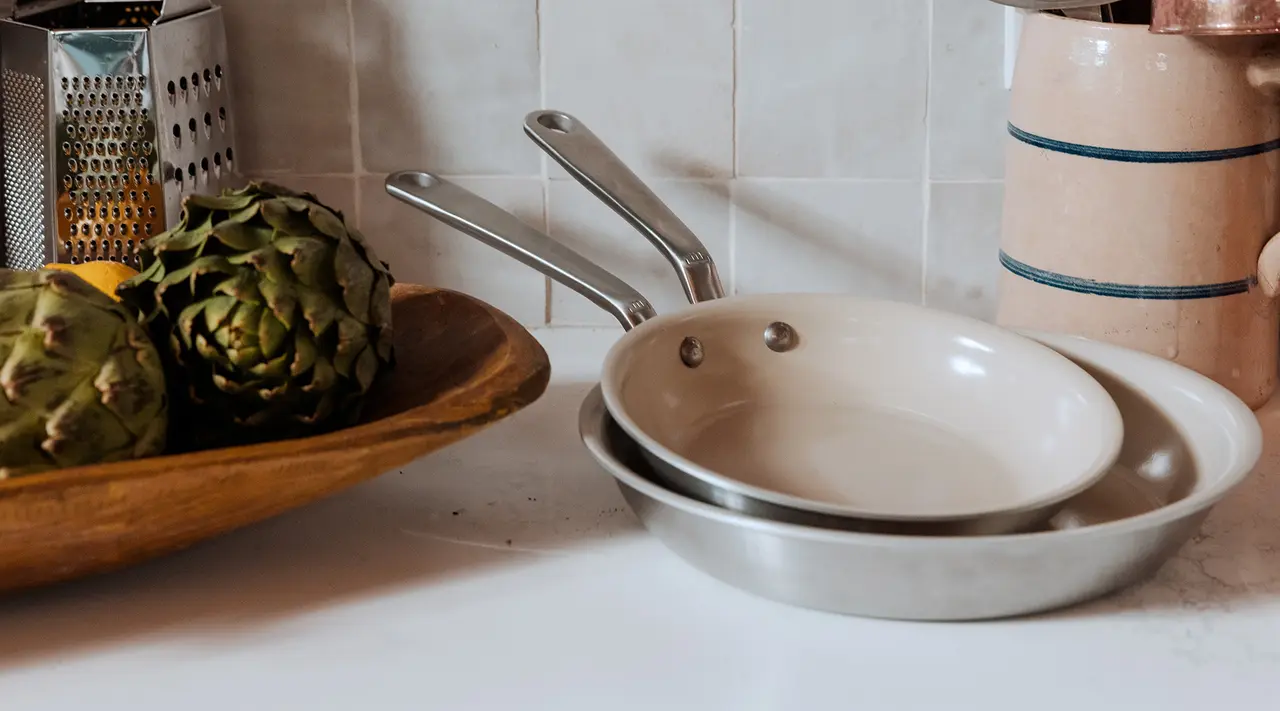
Use wooden, silicone, or plastic utensils to avoid scratches. Metal tools can damage the ceramic coating. Clean cookware gently with soft sponges or cloths. Avoid abrasive pads or harsh cleaners. Proper care keeps the surface smooth and non-stick for a long time.
Credit: madeincookware.com
Maintenance And Care
Caring for ceramic cookware helps it last longer and keeps it working well. Proper maintenance stops damage and keeps the surface smooth. This section covers simple steps to clean, store, and handle ceramic pots and pans.
Cleaning Tips
Let the cookware cool before cleaning. Avoid sudden temperature changes to stop cracking. Use warm water and mild dish soap. Clean with a soft sponge or cloth. Do not use steel wool or harsh scrubbers. For stuck food, soak the cookware in warm soapy water. Avoid strong chemicals or abrasive cleaners. Dry the cookware completely before storing.
Storage Best Practices
Store ceramic cookware in a dry place. Avoid stacking heavy pots on top of each other. Use soft cloth or paper towels between pieces. This stops scratches and chips. Keep lids and pans separate to avoid damage. Store cookware away from direct sunlight and heat sources. Proper storage keeps the ceramic surface intact and smooth.
Handling Chips And Cracks
Inspect cookware regularly for chips or cracks. Small chips can grow if ignored. Stop using cookware with deep cracks. Cracked ceramic can release harmful materials. Use ceramic repair kits for minor chips only. Replace cookware if cracks spread or worsen. Safe handling protects your health and your cookware.
Troubleshooting Common Issues
Ceramic cookware is popular for its ease and health benefits. Yet, it can face issues after regular use. Knowing how to fix common problems helps keep your cookware in good shape. This section covers easy ways to solve typical troubles.
Dealing With Stubborn Residue
Residue can build up on ceramic surfaces after cooking. Use warm water and mild dish soap for cleaning. Avoid harsh scrubbing tools that can scratch the coating. Soak the pan in warm soapy water for 15 minutes. Then, gently wipe the residue away with a soft sponge. For tough spots, try a paste of baking soda and water. Let it sit for 10 minutes before scrubbing softly.
Restoring Nonstick Performance
Ceramic cookware may lose its nonstick quality over time. To restore it, season the pan lightly with oil after cleaning. Heat the pan on low for a few minutes, then cool and wipe off excess oil. Avoid cooking sprays, which can leave a sticky layer. Use moderate heat to protect the ceramic surface. Regular seasoning helps maintain smooth cooking and easy food release.
When To Replace Your Cookware
Check for cracks or deep scratches on the ceramic coating. These damage the surface and reduce cooking safety. If food sticks badly despite cleaning and seasoning, it might be time to replace the pan. Warped or bent cookware also needs replacement for even cooking. Using damaged ceramic cookware risks food quality and health. Choose new cookware to ensure safe, efficient cooking.
Credit: madeincookware.com
Frequently Asked Questions
How Do I Properly Season Ceramic Cookware?
Season ceramic cookware by lightly coating it with oil before first use. Heat on low for 15 minutes. This helps create a non-stick surface and prolongs the cookware’s life. Avoid high heat during seasoning to prevent damage.
Can Ceramic Cookware Be Used On Induction Stoves?
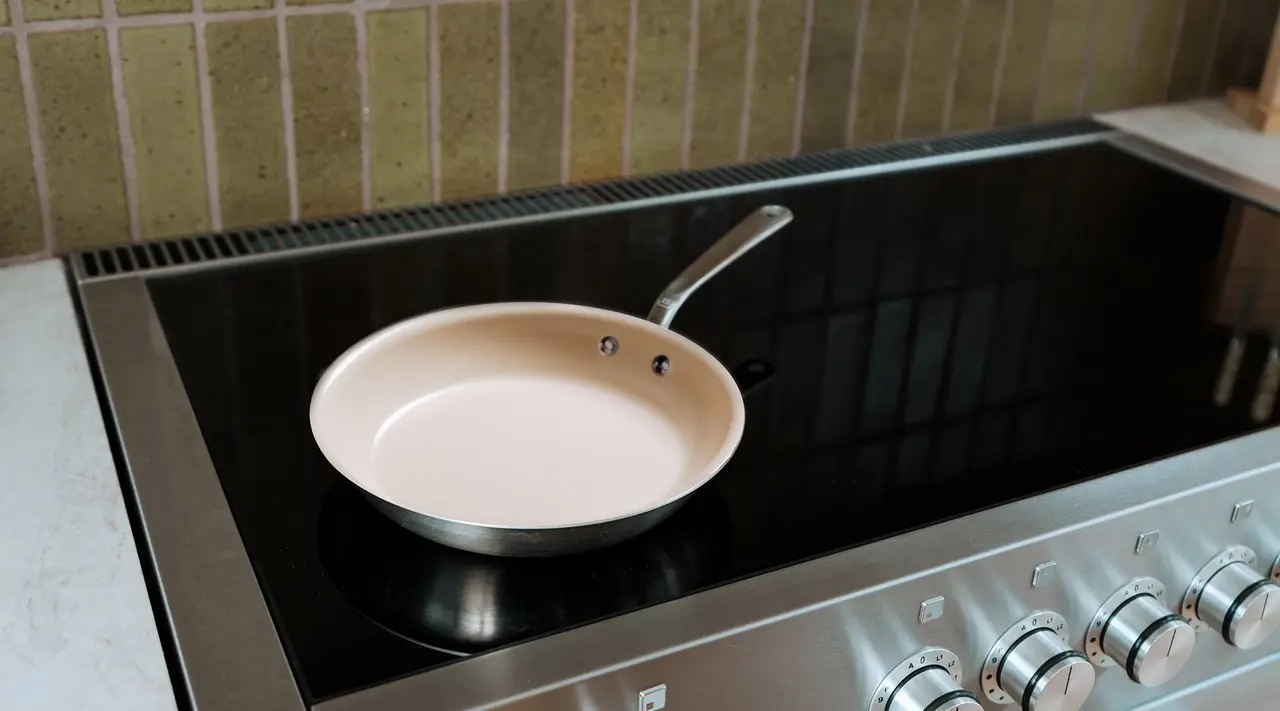
Most ceramic cookware is not compatible with induction stoves unless it has a magnetic base. Check product specifications before use. Using non-compatible cookware may damage your stove or cookware. Always confirm induction compatibility for safety.
What Cleaning Methods Are Best For Ceramic Cookware?
Clean ceramic cookware with warm soapy water and a soft sponge. Avoid abrasive scrubbers or harsh chemicals to prevent surface damage. For tough stains, soak in warm water. Dry thoroughly to maintain the cookware’s finish and durability.
Is Ceramic Cookware Safe For High-heat Cooking?
Ceramic cookware is best suited for low to medium heat. High heat can damage the ceramic coating and reduce its lifespan. Use moderate heat to ensure even cooking and maintain non-stick properties. Always follow manufacturer guidelines.
Conclusion
Ceramic cookware offers a safe and easy way to cook delicious meals. It heats food evenly and cleans up quickly. Use low to medium heat to keep it in good shape. Avoid metal tools to prevent scratches. With simple care, ceramic pans last a long time.
Enjoy healthy cooking without sticking or burning. Try different recipes and see how ceramic cookware works for you. Cooking becomes more fun and less messy. Give ceramic cookware a chance in your kitchen today.

Hello, This is Annie Walker, a 38-year-old blogger, founder, and editor of Cookware Guider from NY, USA. I am a cookware fanatic and passionate cooker. I love to cook with different types of cooking appliances (example: all types of cookware, rice cookers, slow cookers, etc) almost every day in my kitchen. I love to share my experience with my readers in my blog. Also, I enjoy helping people to solve their problems through my website. You can follow me on Twitter & Pinterest. To know details about my blog please check the about us page.