
Are you unsure if that heavy, old pan in your kitchen is really cast iron? Knowing how to identify cast iron cookware can save you time, money, and frustration.
Imagine owning a piece that lasts forever, cooks evenly, and adds flavor to every meal. But how can you be certain you’re holding a true cast iron skillet and not a lookalike? You’ll discover simple, clear ways to spot genuine cast iron.
By the end, you’ll feel confident choosing and caring for your cookware like a pro. Keep reading—you’re about to unlock the secret to cooking with the best!
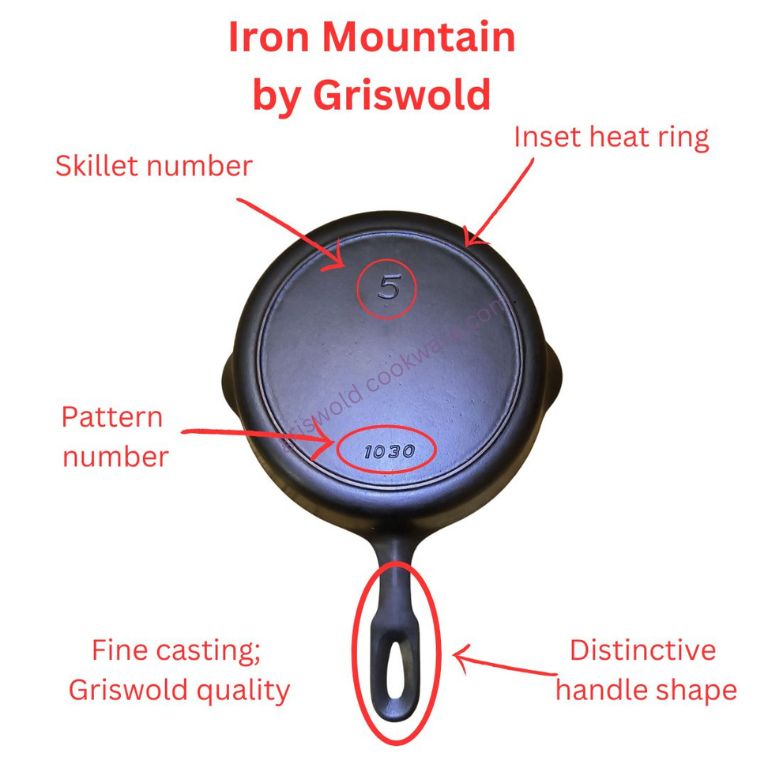
Credit: griswoldcookware.com
Types Of Cast Iron Cookware
Cast iron cookware comes in different types. Each type has unique features and uses. Knowing these types helps you pick the right pan for cooking.
Some are old-style and heavy. Others have a smooth coating. Some need special care, while others are easy to use. Let’s explore the main types of cast iron cookware.
Traditional Cast Iron
Traditional cast iron cookware is plain and very strong. It has a rough, dark surface that may look rusty at first. This type needs seasoning to make it non-stick and protect it from rust. It heats evenly and keeps heat for a long time. Great for frying, baking, and slow cooking.
Enameled Cast Iron
Enameled cast iron has a smooth, colorful coating. This coating stops rust and stops food from sticking. No seasoning needed. It is easier to clean and looks nice on the table. Often used for soups, stews, and sauces. It is heavier and more fragile than traditional cast iron.
Seasoned Vs. Unseasoned
Seasoned cast iron has a layer of oil baked into its surface. This makes it non-stick and protects it from rust. Unseasoned cast iron is raw metal without this layer. It needs seasoning before use. Seasoned pans cook better and last longer. Unseasoned pans can be used but need care to avoid rust.

Credit: www.therusticskillet.com
Visual Characteristics
Identifying cast iron cookware starts with observing its visual traits. These traits help distinguish cast iron from other types of cookware. Spotting these features is easier than you think. Focus on surface texture, color, and brand marks. Each tells a story about the pan’s origin and quality.
Surface Texture And Finish
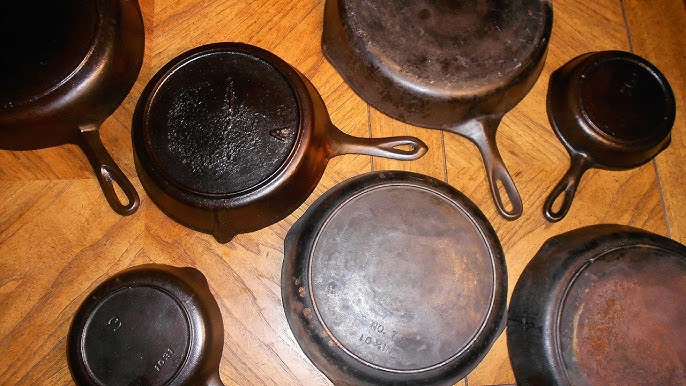
Cast iron usually has a rough, slightly grainy surface. It feels heavy and solid in your hand. The finish can be matte or glossy, depending on seasoning or coating. A smooth surface might mean the pan is newer or has been polished. Older pans often show small pits or uneven spots. These are signs of authentic cast iron.
Color And Coating
Traditional cast iron is dark gray or black. The color comes from the iron and the seasoning layer. Seasoning is a natural coating made from oil baked onto the surface. Some pans have a shiny black or dark brown look. Enameled cast iron has bright, colorful coatings but still feels heavy. Avoid shiny metal finishes that look like stainless steel or aluminum.
Brand Markings And Stamps
Most cast iron cookware has brand names or logos pressed into the metal. These marks appear on the bottom or handle. Common brands include Lodge, Griswold, and Wagner. Numbers or letters often indicate size or model. Look for clear, raised, or recessed stamps. Faded marks can still help identify old cast iron pans.
Weight And Thickness
Weight and thickness are key signs to spot cast iron cookware. Cast iron is heavier and thicker than many other pans. These traits affect cooking and help you recognize genuine cast iron.
Comparing Weight To Other Materials
Cast iron feels much heavier than aluminum or stainless steel. A small cast iron skillet can weigh several pounds. Other materials of the same size feel lighter. This weight comes from the dense iron metal. Pick up the pan. Notice the solid, heavy feel. This weight shows it can hold and keep heat well.
Thickness Variations
Cast iron pans have thick walls and bottoms. Thickness helps spread heat evenly across the cooking surface. Thin pans heat unevenly and cool quickly. Cast iron’s thickness also makes it sturdy and long-lasting. Look at the edges and bottom. They should be thick, not thin or flimsy. Thickness means the pan can last many years with good care.
Credit: www.youtube.com
Magnet Test For Cast Iron
The magnet test for cast iron is a quick way to check if cookware is made from cast iron. Cast iron is magnetic, so a magnet sticks firmly to it. This test helps separate cast iron from other materials like aluminum or stainless steel.
This method works well for most cast iron pans, skillets, and pots. It does not damage the cookware and takes only a few seconds. Anyone can do the magnet test at home with a simple kitchen magnet.
How To Perform The Magnet Test
Take a small magnet and place it on the cookware’s surface. If the magnet sticks tightly, the cookware likely contains cast iron. If it does not stick or falls off easily, the cookware is not cast iron.
What The Magnet Test Cannot Tell
The magnet test shows if the cookware is magnetic, but not if it is pure cast iron. Some other metals can be magnetic too. Use the magnet test with other checks like weight and surface texture.
Why The Magnet Test Is Useful
This test is fast and easy. It helps avoid buying fake cast iron cookware. It also helps identify old or unlabeled pieces in your kitchen. A simple magnet reveals a lot about your cookware.
Heat Retention And Distribution
Heat retention and distribution are key features of cast iron cookware. These qualities affect how your food cooks and tastes. Cast iron holds heat for a long time. It also spreads heat evenly across the surface. This helps prevent hot spots that burn food.
Understanding how cast iron manages heat can help you spot it. It also explains why cast iron is popular among many cooks.
How Cast Iron Holds Heat
Cast iron is thick and dense. These traits allow it to absorb and keep heat well. Once hot, the pan stays warm even after you lower the flame. This steady heat helps cook food evenly.
Even Heat Distribution
Cast iron spreads heat across its surface slowly and evenly. This stops food from cooking too fast in some spots and staying raw in others. It makes cooking more predictable and easier to control.
Testing Heat Retention And Distribution
Heat a pan on medium flame for a few minutes. Touch the cooking surface carefully. The heat should feel steady and even across the pan. Uneven heat or quick cooling may mean it’s not cast iron.
Price And Brand Reputation
Price and brand reputation are key factors to spot real cast iron cookware. Good brands keep high quality and last long. Price often shows the product’s value. Cheap pieces might not be true cast iron or could break easily. Understanding trusted brands and price ranges helps buyers choose well.
Trusted Manufacturers
Some brands have made cast iron for many years. They are known for strong, durable products. Brands like Lodge, Le Creuset, and Staub are popular choices. Their name on cookware means quality and care in making. Buying from these brands reduces risk of poor quality.
Price Ranges And Quality
Cast iron cookware varies in price from budget to high-end. Lower price often means simpler designs and less smooth finish. Mid-range prices usually offer good quality and durability. High-end pieces can have extra features and better coating. Choose price that matches your needs and use.
Maintenance Tips
Proper maintenance keeps cast iron cookware in top shape. It improves cooking performance and extends the pan’s life. A few easy habits protect your investment and ensure great meals every time.
Cleaning And Seasoning
Clean cast iron with warm water and a soft brush. Avoid soap that strips seasoning. Dry the pan completely to stop rust.
Seasoning creates a natural, non-stick surface. Apply a thin layer of oil after each use. Heat the pan to lock in the oil. Repeat often for best results.
Avoiding Rust
Never soak cast iron in water. Store it in a dry place with good air flow. Use a paper towel to wipe off moisture before storage.
If rust appears, scrub it gently with steel wool. Reseason the pan to restore protection. Regular care prevents rust from forming.
Common Mistakes To Avoid
Identifying cast iron cookware can be tricky for many. People often make simple mistakes that lead to wrong choices. Avoiding these errors helps find the right piece for your kitchen. Here are common mistakes to watch out for.
Not Checking The Weight Properly
Cast iron is heavy compared to other metals. Some buy light pans thinking they are cast iron. Always feel the weight before buying. Light pans may be aluminum or other materials.
Ignoring The Surface Texture
Cast iron has a rough, slightly grainy surface. Shiny or smooth pans usually are not cast iron. Look closely at the pan’s texture to confirm its material.
Overlooking Manufacturer Marks
Many cast iron pans have brand names or numbers stamped. Missing these marks can cause confusion. Check the bottom or handle for any labels or logos.
Confusing Enamel Coated Cookware
Some cast iron pans have a colorful, smooth coating. This enamel hides the rough surface underneath. Do not assume all smooth pans lack cast iron. Confirm by weight and brand details.
Assuming All Dark Pans Are Cast Iron
Dark color alone does not mean cast iron. Some steel or non-stick pans look dark too. Use weight and texture to be sure.
Frequently Asked Questions
How Can I Tell If Cookware Is Cast Iron?
Look for heavy weight and a rough, matte surface. Cast iron feels dense and solid. Check for a smooth or slightly textured finish. Often, it has a manufacturer’s mark or logo on the bottom. It retains heat well and is magnetic.
What Are Common Signs Of Cast Iron Cookware?
Cast iron cookware is heavy, thick, and has a dark, matte finish. The surface may show seasoning layers or slight rust spots. Handles are usually part of the cast mold. The bottom is often flat with identifiable brand stamps.
Is Cast Iron Cookware Magnetic?
Yes, cast iron is magnetic because it contains iron. You can test it with a magnet to confirm. If the magnet sticks firmly, the cookware is likely cast iron. This simple test helps differentiate from aluminum or stainless steel pans.
How To Identify Vintage Cast Iron Skillets?
Vintage cast iron skillets often have raised logos and smoother surfaces. They might show signs of wear, such as seasoning layers or minor rust. Look for brand names like Griswold or Wagner. The skillet should feel heavy and solid in your hand.
Conclusion
Identifying cast iron cookware is easier than you think. Look for heavy weight and rough texture. Check for a matte black or gray color. Feel the thickness of the pan’s walls. Notice any rust spots or seasoning layers. These signs help you spot real cast iron.
Knowing this saves money and avoids mistakes. Cookware made from cast iron lasts a long time. It heats evenly and improves your cooking. Keep these tips in mind when shopping. You will choose the right pan every time. Simple steps make a big difference.

Hello, This is Annie Walker, a 38-year-old blogger, founder, and editor of Cookware Guider from NY, USA. I am a cookware fanatic and passionate cooker. I love to cook with different types of cooking appliances (example: all types of cookware, rice cookers, slow cookers, etc) almost every day in my kitchen. I love to share my experience with my readers in my blog. Also, I enjoy helping people to solve their problems through my website. You can follow me on Twitter & Pinterest. To know details about my blog please check the about us page.