
If you love cooking with copper cookware, you know how important it is to keep it in top shape. Over time, the tin lining inside your copper pots and pans can wear out, making your cooking less safe and your meals less tasty.
But don’t worry—you can easily re-tin your copper cookware yourself and bring it back to life. You’ll learn simple, step-by-step tips to re-tin your copper pots and pans at home. Keep reading, and you’ll save money, extend the life of your favorite cookware, and cook like a pro! Check Also: How To Clean Copper Pans
Why Retinning Matters
Retinning copper cookware is important to keep your pots and pans safe and effective. Over time, the tin layer wears out. This exposes copper, which can react with food. Retinning restores the safe cooking surface. It also helps your cookware last longer.
Benefits Of A Fresh Tin Coating
A new tin coating stops food from sticking. It protects copper from harmful reactions. This keeps your meals tasting clean and fresh. A smooth tin layer also makes cleaning easier. Retinning saves money by avoiding the need to buy new cookware. It keeps your favorite pots working well for years.
Signs Your Cookware Needs Retinning
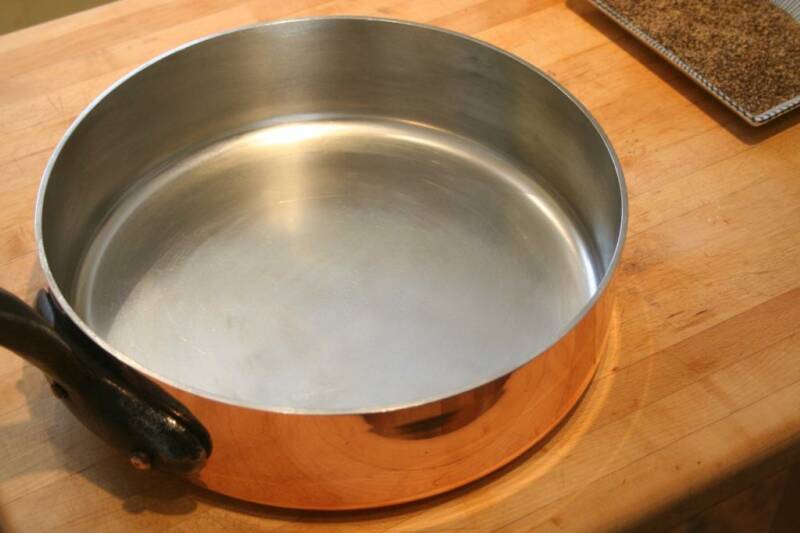
Look for scratches or dark spots on the surface. Food may stick more than usual. The pan may heat unevenly. If copper shows through, retinning is needed. A worn tin layer can change the taste of food. These signs mean your cookware needs a fresh tin coat soon.
Tools And Materials Needed
Retinning copper cookware requires specific tools and materials. Preparing the right supplies ensures a smooth, safe process. Each item plays a key role in achieving a clean, even tin coating. Proper gear protects you while working with heat and chemicals.
Essential Supplies
- Fine steel wool or abrasive pad for cleaning
- White vinegar or lemon juice for removing oxidation
- Salt to aid the cleaning process
- High-quality tinning flux to help the tin stick
- Pure tin solder or tinning wire for coating
- Heat source like a gas stove or propane torch
- Soft cloths for wiping and polishing
- Small brush to apply flux evenly
Safety Gear To Use
- Heat-resistant gloves to protect your hands
- Safety goggles to shield your eyes
- Long-sleeve clothing to avoid burns
- Respirator mask to avoid inhaling fumes
- Well-ventilated workspace to keep air fresh
Preparing Copper Cookware
Before you start re-tinning your copper cookware, proper preparation is key. The surface must be clean and free from old tin layers. This step helps the new tin stick better and last longer. Take your time to prepare the cookware carefully for the best results.
Cleaning The Surface
Begin by washing the cookware with warm water and mild dish soap. Use a soft sponge to remove grease and dirt. Avoid harsh scrubbing tools that can scratch the copper. Rinse well and dry the cookware completely with a clean cloth. A clean surface ensures the tin will bond evenly.
Removing Old Tin Layer
Old tin can peel or crack over time. It must be removed before applying new tin. Use a chemical tin remover or gently scrape the surface with a plastic scraper. Be careful not to damage the copper underneath. After removal, clean the cookware again to remove any residue. This step creates a smooth base for the new tin coating.
Retinning Process Step-by-step
Retinning copper cookware restores its cooking surface and extends its life. The process involves cleaning, heating, applying tin, and finishing the surface. Follow these simple steps to retin your copper pots and pans safely and effectively.
Heating The Copper Base
Start by cleaning the copper cookware thoroughly. Remove any old tin or dirt using fine steel wool or sandpaper. Heat the copper base evenly on a stove or with a torch. The copper must be hot enough for the tin to melt and stick properly. Avoid overheating, which can damage the metal.
Applying The Tin
Use food-grade tin solder or tin bars for coating. Hold the tin against the hot copper surface. The tin will melt and spread over the base. Move the tin slowly to cover the entire cooking area. Ensure a thin, even layer forms without gaps or bumps.
Smoothing And Polishing
Let the tin cool down slightly but not fully harden. Use a clean cloth or fine sandpaper to smooth the surface gently. Remove any rough spots or excess tin. Finally, polish the cookware with a soft cloth to make it shiny and ready for use.
Post-retinning Care
Post-retinning care is crucial for the longevity of your copper cookware. Proper care protects the new tin layer from damage. It also keeps your cookware safe for cooking.
After retinning, your cookware needs time to cool and set. Handling it with care during this phase ensures the tin coating bonds well.
Cooling And Setting
Let the cookware cool slowly at room temperature. Avoid placing it in cold water or near strong drafts. Sudden temperature changes can cause the tin to crack or peel. Handle the cookware gently to prevent dents or scratches. Wait at least 24 hours before using it again. This gives the tin enough time to harden and settle properly.
Maintaining The Tin Coating
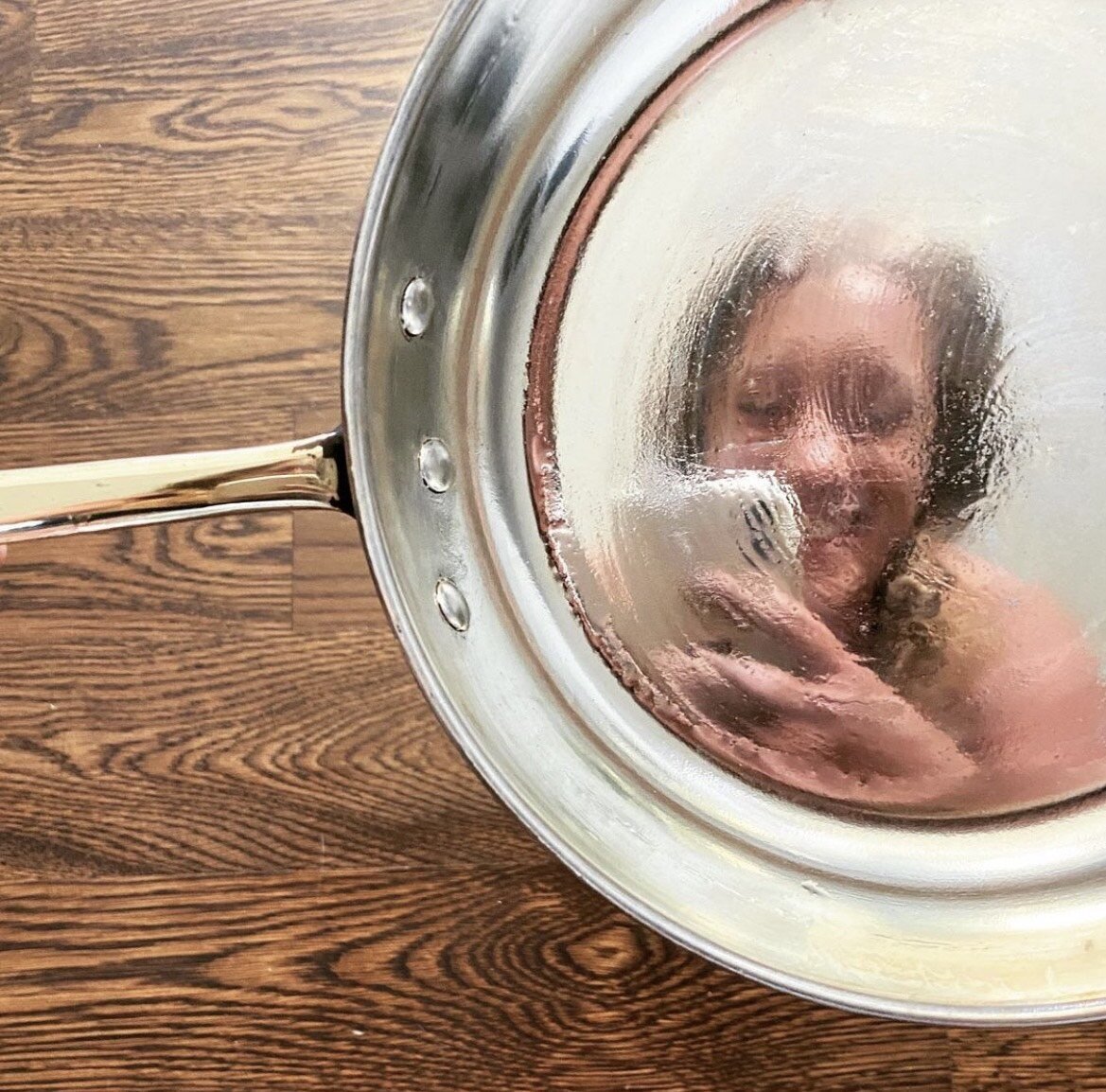
Use soft sponges and mild soap to clean your cookware. Avoid abrasive pads or harsh chemicals. These can damage the tin surface quickly. Dry the cookware thoroughly after washing to prevent rust. Store it in a dry place away from moisture. Re-tin the cookware when you notice thinning or wear. Proper maintenance extends the life of your copper pots and pans.
Credit: housecopper.com
Common Mistakes To Avoid
Retinning copper cookware is a delicate process. Avoiding common mistakes helps achieve a smooth, long-lasting finish. Small errors can cause uneven coating or damage the cookware. Focus on careful steps for the best results.
Overheating Issues
Too much heat damages the copper and tin layers. Overheating can cause the tin to melt unevenly or burn. Keep the temperature moderate and steady during the process. Use a heat source that allows good control. Watch the cookware closely to avoid overheating.
Uneven Tin Application
Applying tin unevenly leads to weak spots and peeling. Spread the tin smoothly and cover the entire surface. Avoid thick or thin patches by using steady, gentle strokes. Take time to ensure full, even coverage on all parts. Uneven layers reduce the cookware’s lifespan and safety.
When To Seek Professional Help
Knowing when to seek professional help is key for re-tinning copper cookware. Some tasks need skill and tools beyond home methods. Choosing the right moment saves your cookware and effort.
Severe Damage Or Deep Scratches
Deep scratches or severe damage on copper cookware need expert care. Professionals can clean and prepare the surface properly. This ensures new tin sticks well and lasts longer.
Uneven Or Worn Tin Layer
If the tin layer is very thin or uneven, professionals can fix it perfectly. They use special tools to apply a smooth, even coating. This gives your cookware a better cooking surface.
Large Cookware Pieces
Big copper pots or pans are harder to handle at home. Professionals have the right equipment to re-tin large items safely. This prevents damage and ensures full coverage.
Health And Safety Concerns
Re-tinning creates fumes and needs careful handling of chemicals. Professionals follow safety rules to protect your health. They work in well-ventilated spaces with proper gear.
Time Constraints
Re-tinning takes time and patience. Professionals can finish the job faster. This saves you time and delivers great results without stress.
Credit: eastcoasttinning.com

Credit: www.youtube.com
Frequently Asked Questions
How Often Should I Re Tin Copper Cookware?
Re tinning copper cookware is recommended every 1 to 3 years. Frequent use and high heat cause tin to wear out faster. Regular checks for scratches or peeling help maintain a safe cooking surface and prevent copper exposure.
What Materials Do I Need To Re Tin Copper Cookware?
You need tinning flux, pure tin wire or sheets, a heat source, and cleaning tools. Proper safety gear like gloves and goggles is also essential. These materials ensure a smooth, even tin coating on your copper cookware.
Can I Re Tin Copper Cookware At Home Safely?
Yes, re tinning can be done at home with care. Use proper ventilation and safety equipment. Follow step-by-step guides and handle hot tools cautiously to avoid burns and ensure a quality tin coating.
Why Is Re Tinning Copper Cookware Important?
Tinning prevents copper from leaching into food, which can be toxic. It also protects cookware from corrosion and extends its lifespan. A smooth tin surface improves cooking performance and food safety.
Conclusion
Retinning copper cookware keeps it safe and working well. Clean the pan carefully before you start. Use the right materials and take your time. This process helps your cookware last for years. A well-tinned pan cooks food evenly and stays easy to clean.
Try retinning at home to save money and enjoy cooking more. Simple steps bring great results. Keep your copper pots shiny and healthy with regular care.

Hello, This is Annie Walker, a 38-year-old blogger, founder, and editor of Cookware Guider from NY, USA. I am a cookware fanatic and passionate cooker. I love to cook with different types of cooking appliances (example: all types of cookware, rice cookers, slow cookers, etc) almost every day in my kitchen. I love to share my experience with my readers in my blog. Also, I enjoy helping people to solve their problems through my website. You can follow me on Twitter & Pinterest. To know details about my blog please check the about us page.