
Have you ever wondered what it takes to make your own cookware? Imagine having pots and pans crafted just the way you like—perfectly suited to your cooking style and kitchen needs.
Making your own cookware is easier than you might think, and it gives you complete control over the materials and design. You’ll discover simple steps to create durable, personalized cookware that can transform your cooking experience. Ready to take your kitchen skills to the next level?
Let’s dive in and unlock the secrets to making your very own cookware.
Choosing The Right Materials
Choosing the right materials is key to making your own cookware. The material affects how your cookware heats, lasts, and handles food. It also impacts safety and cleaning. Picking the best material helps you cook better and keeps your kitchen safe.
Types Of Cookware Materials
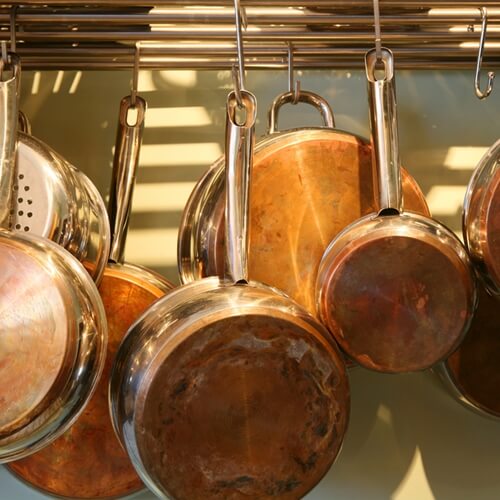
Common cookware materials include stainless steel, cast iron, aluminum, copper, and ceramic. Stainless steel is strong and resists rust. Cast iron holds heat well and lasts long. Aluminum heats fast but can scratch easily. Copper offers great heat control but needs care. Ceramic is non-stick and looks nice but can chip.
Safety Considerations
Choose materials that do not release harmful chemicals when heated. Avoid cookware with non-stick coatings that wear off quickly. Make sure metals do not react with acidic foods. Check if materials are free from lead and other toxins. Safe cookware protects your health during cooking.
Sourcing Materials
Find materials from trusted suppliers or hardware stores. Look for high-quality metals and safe coatings. Consider recycled materials for eco-friendly options. Buy in small amounts to test before making large pieces. Proper materials help create durable and safe cookware.
Credit: www.escoffieronline.com
Essential Tools And Supplies
Making your own cookware needs the right tools and supplies. These tools help you shape and finish your pots and pans. Having the right equipment makes the process safer and easier. Start with basic tools to create simple items. Add optional tools for more detailed work.
Basic Tools Needed
You will need a few simple tools to start. A hammer helps shape metal pieces carefully. A metal cutting saw or tin snips cut the metal sheets. A drill with metal bits makes holes for handles. Sandpaper smooths rough edges and surfaces. Gloves protect your hands from sharp metal and heat. A ruler or measuring tape ensures accurate sizes. A sturdy workbench gives you a safe place to work.
Optional Tools For Advanced Projects
Advanced projects need extra tools for precision. A metal lathe helps shape round parts perfectly. A welding machine joins metal pieces tightly. A metal bending brake makes clean, straight bends. A heat source like a torch or kiln helps shape metals. A polishing machine gives your cookware a shiny finish. These tools take your work to a higher level. They require more skill but offer great results.
Designing Your Cookware
Designing your own cookware is a fun and creative process. It lets you choose shapes and sizes that fit your cooking style. Good design improves how the cookware heats food. Careful planning helps you make pots and pans that work well and last long.
Selecting The Shape And Size
Think about the food you cook most. Large pots are great for soups and stews. Small pans work well for frying eggs or making sauces. Round shapes heat evenly and fit most stovetops. Square or oval pans hold more food but need more space. Choose sizes that match your kitchen and cooking needs.
Planning For Heat Distribution
Heat should spread evenly across the cookware. Thin materials heat fast but may burn food easily. Thick bases hold heat longer and cook food evenly. Copper and aluminum are good heat conductors. Stainless steel is durable but heats slower. Layering metals can improve heat distribution. Think about how your cookware will transfer heat to food.
Credit: simplybetterliving.sharpusa.com
Step-by-step Fabrication Process
Creating your own cookware is a rewarding project. It lets you build a tool that fits your cooking style perfectly. The process has clear steps. Each step is important for safety and quality. Follow these steps carefully to make durable cookware.
Cutting And Shaping Materials
Start with the right metal sheets or pans. Use sharp tools to cut the metal. Measure twice and cut once to avoid mistakes. Shape the metal by bending or hammering to form the base and sides. Smooth all edges to prevent cuts during use.
Joining And Assembling Components
Use strong methods like welding or riveting to join parts. Clean surfaces before joining for better hold. Check that all pieces fit tightly and align properly. Avoid gaps to ensure heat spreads evenly. Secure joints firmly to avoid breaks.
Adding Handles And Features
Choose heat-resistant materials for handles, like wood or silicone. Attach handles securely with screws or rivets. Make sure handles stay cool to touch. Add features like lids or pour spouts for convenience. Test all parts for comfort and safety before use.
Finishing Touches
Finishing touches give your cookware a smooth, safe, and attractive look. These steps improve how your cookware feels and lasts over time. Proper finishing also helps protect the surface from rust and damage. Simple techniques make a big difference in your final product.
Sanding And Smoothing Surfaces
Start by sanding all surfaces to remove rough edges and marks. Use fine-grit sandpaper to create a smooth finish. Sanding helps prevent scratches and makes cleaning easier later. Take your time to cover every part evenly. Smooth surfaces improve the cooking experience and avoid food sticking.
Applying Protective Coatings
Apply a protective coating to shield the cookware from moisture and rust. Use food-safe oils or specialized coatings designed for cookware. Heat the cookware slightly before applying oil for better absorption. Wipe off excess oil with a clean cloth. This step keeps your cookware durable and ready for cooking.

Credit: toirokitchen.com
Testing And Maintenance
Testing and maintenance are key steps after making your own cookware. These steps ensure your cookware works well and lasts long. Proper care keeps the cookware safe and clean for cooking. This section covers how to test your cookware first and how to maintain it daily.
Initial Testing For Functionality
Start by checking if the cookware heats evenly. Place it on the stove and watch how heat spreads. Look for hot spots or areas that stay cold. Test the handle’s strength. Make sure it feels secure and does not wobble. Try cooking a simple dish to see how it performs. Check if the food sticks or cooks unevenly. This test helps find problems early.
Cleaning And Care Tips
Clean your cookware right after use. Use warm water and mild soap. Avoid harsh cleaners or steel wool that can scratch surfaces. Dry the cookware completely to stop rust or damage. For cast iron, apply a thin layer of oil after cleaning. Store cookware in a dry place. Avoid stacking heavy items on top to prevent dents. Regular care keeps your cookware ready for every meal.
Troubleshooting Common Issues
Making your own cookware can be rewarding but may bring some common problems. These issues can affect how well your cookware works and lasts. Understanding how to fix these problems helps keep your cookware safe and effective. Below are some common issues and tips to handle them.
Warping And Cracks
Warping happens when the cookware changes shape due to heat. This can cause uneven cooking and instability. To avoid warping, heat the cookware slowly and evenly. Avoid sudden temperature changes, like putting hot cookware in cold water.
Cracks can appear if the cookware cools too fast or if it has weak spots. Check your cookware regularly for small cracks. Small cracks can grow bigger and cause leaks. Fix cracks by gently sanding the edges and avoiding heavy impacts.
Uneven Heating
Uneven heating means some parts get hotter than others. This causes food to cook unevenly. To fix this, use cookware with a flat, thick base. Make sure your heat source is the right size for the cookware.
Stir food often to spread heat evenly. Avoid high heat settings that can cause hot spots. Using a heat diffuser can also help distribute heat better.
Creative Variations And Upgrades
Making your own cookware opens up many chances to add personal touches. Creative variations and upgrades let you tailor each piece. These changes improve use and look. They also make cooking more fun and unique.
Customizing Designs
Custom designs give cookware a personal feel. Try different shapes and sizes to fit your cooking style. Use colors that match your kitchen or mood. Add patterns or textures for a special look. Simple changes make a big difference in how your cookware stands out.
Incorporating Technology
Technology can make your cookware smarter. Add heat sensors to control cooking temperature. Use non-stick coatings that last longer and clean easily. Build in handles that stay cool during use. Technology upgrades help make cooking safer and easier.
Frequently Asked Questions
How Do I Choose Materials For Homemade Cookware?
Select materials like stainless steel, cast iron, or copper. Each offers durability and heat conductivity. Avoid toxic or reactive metals. Choose based on cooking style and maintenance preferences. Quality materials ensure safe and effective cookware.
What Basic Tools Are Needed To Make Cookware?
Essential tools include a metal cutter, hammer, anvil, and welding equipment. Sandpaper and polishers help finish surfaces. Safety gear like gloves and goggles are crucial. Proper tools ensure precise shaping and sturdy construction.
Can I Make Non-stick Cookware At Home?
Yes, by seasoning cast iron or carbon steel pans. Apply oil and heat repeatedly to create a natural non-stick layer. Avoid harmful chemical coatings. This method improves cooking performance and longevity safely.
How Long Does It Take To Make Homemade Cookware?
Time varies by complexity but generally takes several hours to days. Simple pans require less time, while multi-piece sets take longer. Patience and precision are key for quality results. Practice speeds up the process.
Conclusion
Making your own cookware takes time and patience. It lets you control the materials and design. You can create pots and pans that suit your cooking style. This process helps you learn new skills and enjoy the craft. Start small and keep practicing to improve.
Homemade cookware can be both useful and special. Try it yourself and see the difference it makes in your kitchen.

Hello, This is Annie Walker, a 38-year-old blogger, founder, and editor of Cookware Guider from NY, USA. I am a cookware fanatic and passionate cooker. I love to cook with different types of cooking appliances (example: all types of cookware, rice cookers, slow cookers, etc) almost every day in my kitchen. I love to share my experience with my readers in my blog. Also, I enjoy helping people to solve their problems through my website. You can follow me on Twitter & Pinterest. To know details about my blog please check the about us page.