
If you own T-Fal cookware, you know how much it can simplify your cooking. But to keep your pots and pans looking great and performing well, proper care is key.
You might wonder how to clean them without damaging the non-stick surface or what practices will extend their life. This guide will give you simple, effective tips to protect your investment and make cooking easier every day. Keep reading to discover easy steps that will help your T-Fal cookware stay like new, meal after meal.
Credit: www.walmart.com
Choosing The Right T-fal Cookware
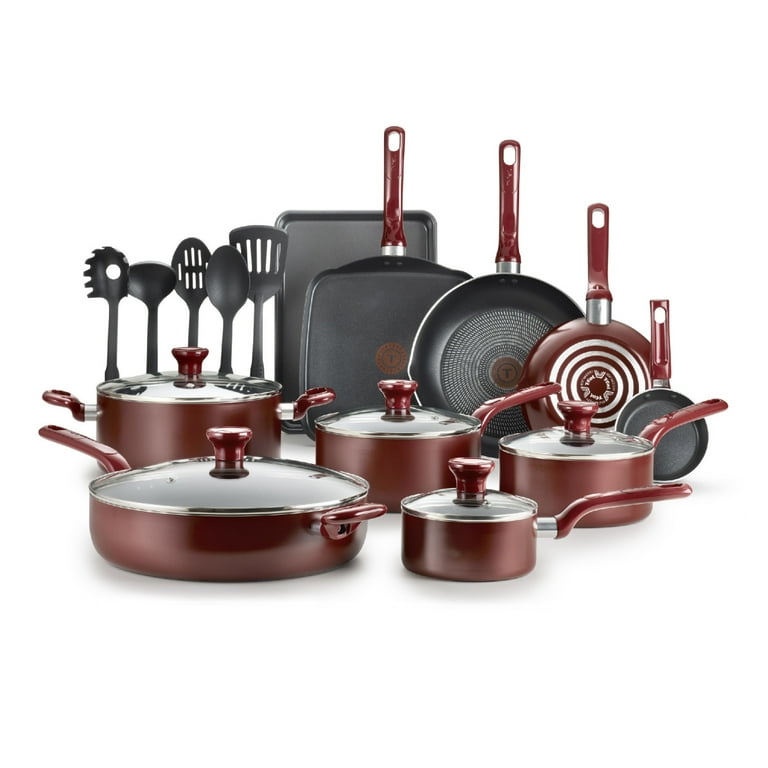
Choosing the right T-Fal cookware is key to cooking success. Different pots and pans suit different cooking styles. Picking the best one helps food cook evenly and prevents sticking. It also makes cleaning easier. Understanding the materials and types helps find the perfect match for your kitchen.
Materials And Types
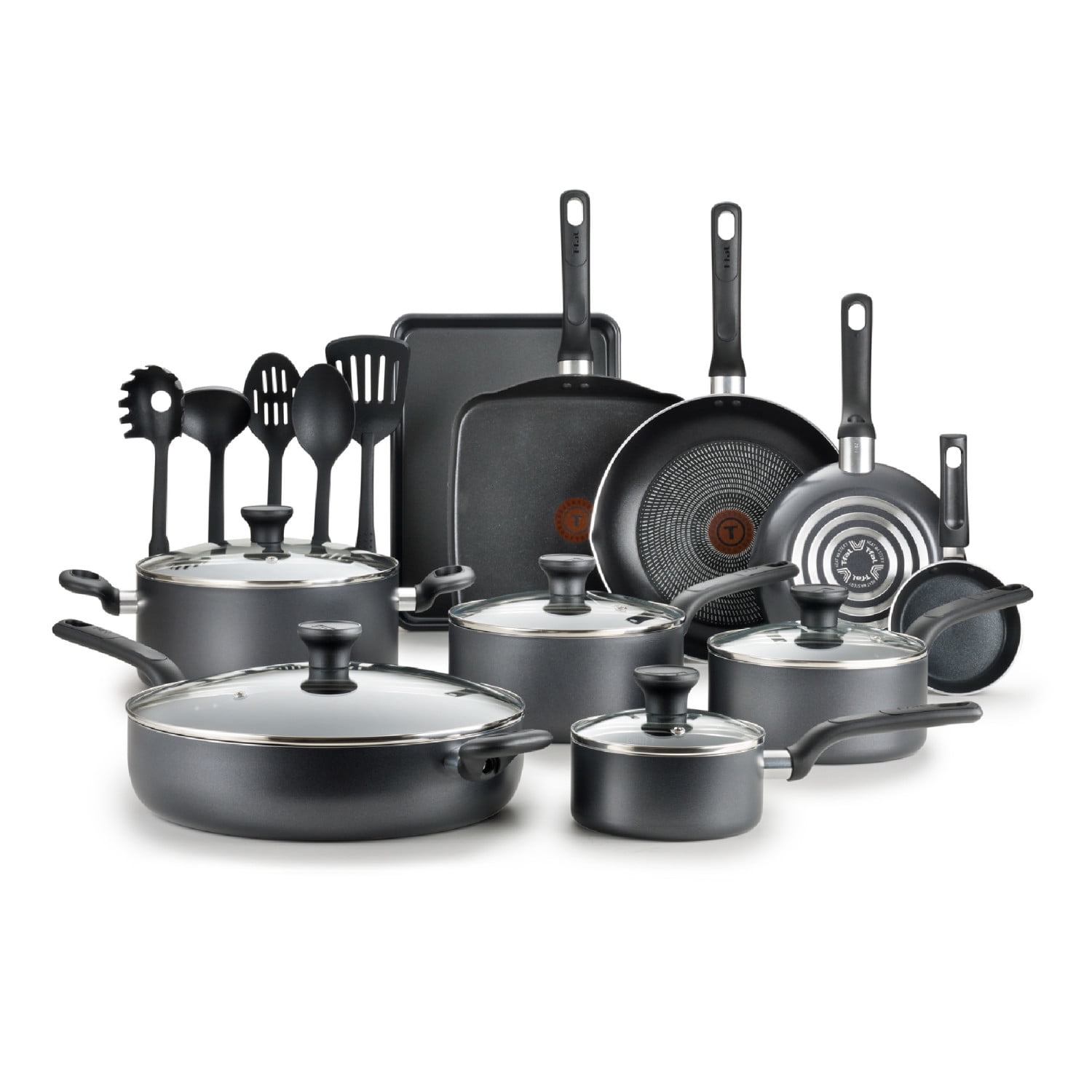
T-Fal offers cookware in several materials. Aluminum is lightweight and heats quickly. Stainless steel is strong and lasts long. Some sets combine these metals for better results. Nonstick pans have a smooth coating to stop food from sticking. Cast iron pans hold heat well but need special care. Select cookware based on how you cook and what meals you prepare.
Identifying Nonstick Surfaces
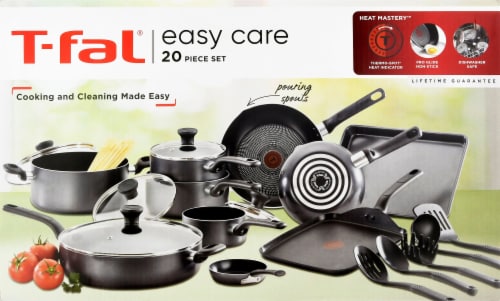
Nonstick surfaces have a smooth, often dark coating. This layer stops food from sticking and makes cleaning simple. T-Fal uses a special nonstick technology that lasts long. Avoid metal utensils on nonstick pans to keep the coating safe. Use wooden or silicone tools instead. Proper use keeps your pans in good shape and extends their life.
Credit: www.ralphs.com
Cleaning Techniques For T-fal Cookware
Proper cleaning keeps T-Fal cookware in great shape. It protects the non-stick surface and extends the life of your pans. Simple steps help maintain the cookware’s performance and look.
Handwashing Tips
Use warm, soapy water and a soft sponge. Avoid steel wool or rough scrubbers. Gently clean the surface to prevent scratches. Rinse well to remove all soap. Dry with a soft cloth or air dry.
Avoiding Harsh Cleaners
Stay away from bleach and strong chemicals. Harsh cleaners can damage the non-stick coating. Use mild dish soap for best results. If food is stuck, soak the cookware in warm water before cleaning.
Dishwasher Use Guidelines
Check the manufacturer’s instructions before using a dishwasher. Some T-Fal cookware pieces are dishwasher safe. Place items carefully to avoid bumping and scratching. Use a gentle dishwasher cycle and mild detergent. Handwashing is best for long-lasting non-stick quality.
Proper Cooking Practices
Proper cooking practices help keep your T-Fal cookware in great shape. They protect the non-stick surface and extend the life of your pans. Cooking the right way also improves your food’s taste and texture.
Using Appropriate Utensils
Choose utensils made from wood, silicone, or plastic. Avoid metal tools that can scratch the non-stick coating. Scratches reduce the pan’s performance and can cause food to stick. Soft utensils keep your cookware safe and clean.
Optimal Heat Settings
Use low to medium heat for cooking. High heat can damage the non-stick layer. T-Fal pans heat quickly, so high settings are rarely needed. Proper heat saves energy and preserves the pan’s surface.
Avoiding Overheating
Do not leave empty pans on the stove. Overheating can warp the pan and break the coating. Always add oil or food before heating. Cool down pans naturally before washing to keep them strong.
Credit: www.walmart.com
Storage And Maintenance
Proper storage and maintenance keep your T-Fal cookware in great shape. Good care helps the pans last longer. It also keeps the non-stick surface working well. Follow these tips to store and maintain your cookware safely.
Safe Stacking Methods
Stack pans carefully to avoid damage. Use a soft cloth or paper towel between each pan. This prevents metal from rubbing and scratching. Avoid piling too many pans together. Keep heavier pans at the bottom and lighter ones on top. This protects the coating and shape of your cookware.
Preventing Scratches And Damage
Use only wooden or silicone utensils with your T-Fal pans. Metal tools can scratch the surface. Clean the pans with a soft sponge or cloth. Avoid steel wool or abrasive scrubbers. Do not use harsh chemicals or bleach. These can harm the non-stick coating.
Periodic Seasoning Tips
Some T-Fal pans benefit from occasional seasoning. Lightly coat the pan with cooking oil. Heat it on low for a few minutes. Let it cool and wipe off excess oil. This process helps maintain the non-stick surface. Seasoning adds extra protection and improves cooking.
Troubleshooting Common Issues
T-Fal cookware is durable but may face common issues over time. Simple problems like stains, scratches, or loss of nonstick quality can happen. Fixing these issues helps keep your pots and pans in good shape. Use easy steps to solve these problems at home. This guide covers three main areas to help you care for your T-Fal cookware.
Removing Stubborn Stains
Stains can build up from burnt food or mineral deposits. Fill the pan with warm water and a bit of dish soap. Let it soak for 15 to 30 minutes. Use a soft sponge or cloth to scrub gently. Avoid steel wool or harsh scrubbers that can damage the surface. For tough stains, mix baking soda and water into a paste. Apply it to the stain and let it sit for 10 minutes. Then, wipe it off with a soft sponge. Rinse well and dry your cookware completely.
Dealing With Scratches
Scratches may appear from metal utensils or rough cleaning. Use only wooden or silicone tools to avoid scratches. If scratches occur, clean the pan thoroughly first. Rub a small amount of cooking oil on the scratched area. This helps reduce the appearance of scratches and protects the surface. Avoid abrasive cleaners or pads that can worsen the damage. Handle your cookware gently to prevent new scratches.
Restoring Nonstick Performance
Nonstick surfaces lose their power after heavy use or improper care. Clean your pan with warm, soapy water after each use. Avoid dishwasher cleaning as it can wear down the coating. Season your pan by heating it with a little cooking oil. Let it cool and wipe off excess oil. This step helps restore the nonstick effect. Store your cookware properly to avoid damage to the surface. Regular care keeps your T-Fal pans cooking smoothly.
Frequently Asked Questions
How Do I Clean T-fal Cookware Properly?
To clean T-Fal cookware, use warm soapy water and a soft sponge. Avoid abrasive cleaners and metal scrubbers. Hand washing preserves the non-stick coating longer. For tough stains, soak the pan briefly before washing.
Can T-fal Cookware Go In The Dishwasher?
Most T-Fal cookware is dishwasher safe, but hand washing is recommended. Dishwashers may dull the non-stick surface over time. Always check the manufacturer’s instructions for your specific cookware model.
What Utensils Are Safe To Use With T-fal Cookware?
Use wooden, silicone, or plastic utensils with T-Fal cookware. Avoid metal utensils to prevent scratching the non-stick coating. Proper utensils extend the life and performance of your cookware.
How Do I Store T-fal Cookware To Avoid Damage?
Store T-Fal cookware by stacking with protective liners or hanging them. Avoid stacking pans directly to prevent scratches. Proper storage keeps the non-stick surface intact and cookware looking new.
Conclusion
Taking good care of T-Fal cookware keeps it lasting longer. Clean each piece gently with warm water and mild soap. Avoid metal tools to protect the non-stick surface. Store pans carefully to stop scratches and dents. Regular care saves money by preventing damage and wear.
Enjoy cooking with your pots and pans every day. Small actions make a big difference in cookware life. Keep these tips in mind for best results. Your T-Fal cookware will stay in great shape. Simple habits lead to happy cooking moments.

Hello, This is Annie Walker, a 38-year-old blogger, founder, and editor of Cookware Guider from NY, USA. I am a cookware fanatic and passionate cooker. I love to cook with different types of cooking appliances (example: all types of cookware, rice cookers, slow cookers, etc) almost every day in my kitchen. I love to share my experience with my readers in my blog. Also, I enjoy helping people to solve their problems through my website. You can follow me on Twitter & Pinterest. To know details about my blog please check the about us page.