
Are you tired of dealing with scratched, peeling, or unhealthy non-stick cookware? You’re not alone.
Many people struggle with the hidden dangers and short lifespan of these pots and pans. But what if you could cook safely, enjoy your meals more, and save money by avoiding non-stick cookware altogether? You’ll discover simple and smart ways to steer clear of non-stick options without sacrificing convenience or flavor.
Keep reading to protect your health and upgrade your kitchen game today.
Credit: www.nontoxicrevolution.org
Risks Of Nonstick Cookware
Nonstick cookware is popular for easy cooking and cleaning. Yet, it has hidden risks that many ignore. Understanding these risks helps you make safer choices for your kitchen and health.
Health Concerns
Nonstick pans often use chemicals like PTFE and PFOA. These chemicals may release toxic fumes when heated too high. Breathing these fumes can cause flu-like symptoms. Long-term exposure might increase the risk of serious diseases. Scratched or damaged pans can release harmful particles into food. Choosing safer alternatives reduces these health dangers.
Environmental Impact
Making nonstick coatings involves harmful chemicals. These chemicals can pollute water and soil. Waste from nonstick pans often cannot be recycled. They end up in landfills, taking many years to break down. The production process also uses a lot of energy. Using eco-friendly cookware lowers this environmental damage.
Durability Issues
Nonstick coatings wear out quickly with regular use. Scratches and peeling reduce their effectiveness. Once damaged, the pan loses its nonstick quality. It also becomes harder to clean. Many nonstick pans need replacement after a few years. Investing in more durable cookware can save money over time.
Choosing Safer Cookware Alternatives
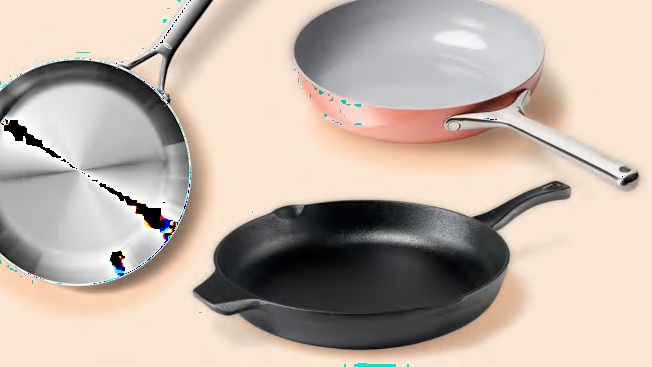
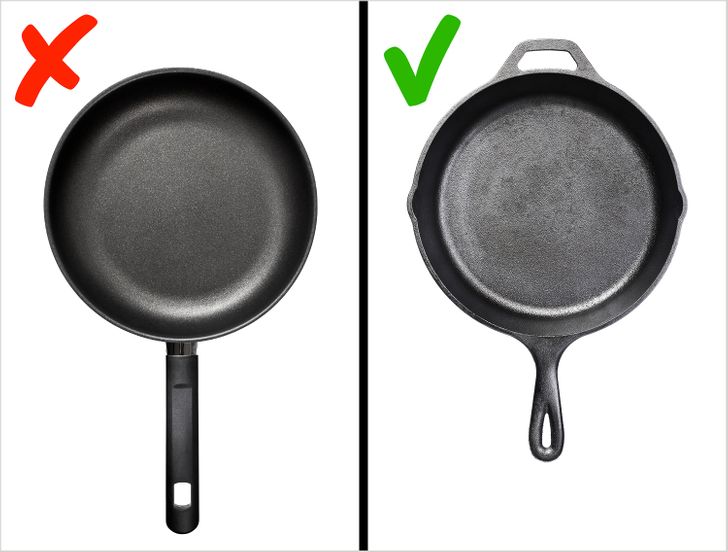
Choosing safer cookware alternatives helps avoid health risks linked to non-stick pans. These options last longer and handle high heat better. They offer good cooking results without harmful chemicals. Explore stainless steel, cast iron, and ceramic cookware to find the best fit for your kitchen.
Stainless Steel Benefits
Stainless steel is strong and durable. It does not react with food or release toxins. This cookware heats evenly and works well for searing and browning. Cleaning stainless steel is easy and dishwasher safe. It keeps flavors pure and suits many cooking styles.
Cast Iron Advantages
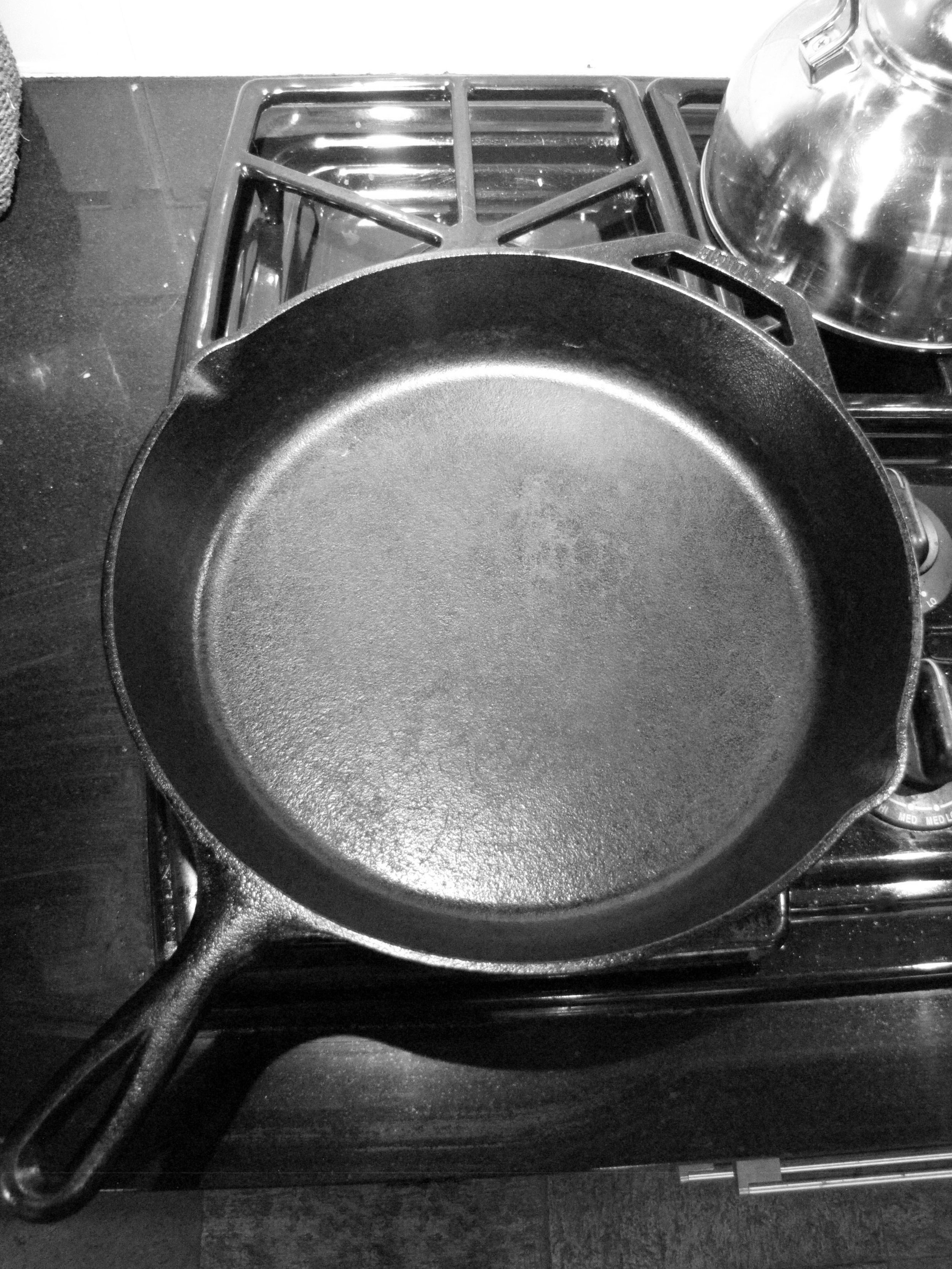
Cast iron lasts for decades if cared for properly. It provides excellent heat retention and distribution. This cookware can improve with use by developing a natural non-stick surface. Cast iron adds iron to your food, which is good for health. It works on all stove types and in ovens.
Ceramic Options
Ceramic cookware offers a non-toxic, non-stick surface. It resists scratches and does not release harmful chemicals. Ceramic heats quickly and cleans easily with soap and water. It comes in many colors and styles to match your kitchen. This option suits low to medium heat cooking.
Maintaining Cookware For Safety
Maintaining cookware properly keeps your kitchen safe and your food healthy. Poor care can cause damage, release harmful substances, and shorten cookware life. Taking simple steps protects your pots and pans from wear and unsafe conditions.
Proper Cleaning Techniques
Clean cookware right after use to stop food from sticking. Use warm water and mild soap. Avoid harsh scrubbers that scratch surfaces. For stuck food, soak the pan before washing. Dry cookware completely to prevent rust and bacteria.
Avoiding Damage
Use wooden or silicone utensils to protect cookware surfaces. Avoid metal tools that cause scratches. Do not heat empty pans; it can warp or damage them. Store cookware carefully, stacking with soft cloths to avoid chips.
Seasoning Tips For Cast Iron
Season cast iron pans regularly to keep them non-stick and rust-free. Apply a thin layer of cooking oil after cleaning. Heat the pan in the oven at low temperature for an hour. Let it cool and wipe off extra oil. This builds a smooth, protective surface.
Credit: www.consumerreports.org
Smart Cooking Habits
Smart cooking habits help protect your non-stick cookware. They keep the coating safe and last longer. Simple changes in how you cook can make a big difference. Follow these tips to avoid damage and enjoy better meals.
Using Appropriate Heat Levels
Always use low to medium heat on non-stick pans. High heat can break down the coating quickly. It may release harmful fumes and ruin the surface. Start with low heat and increase only if needed. This keeps your cookware safe and effective.
Selecting The Right Utensils
Choose utensils made of wood, silicone, or plastic. Metal tools can scratch and damage the non-stick layer. Gentle tools help keep the surface smooth and non-stick. Replace worn-out utensils to avoid accidental harm.
Preventing Food Sticking
Preheat your pan before adding food. Add a small amount of oil or butter to create a barrier. Let the food cook without moving it too soon. This helps food release easily and protects the coating. Clean the pan gently after use to keep it smooth.
Recognizing When To Replace Cookware
Knowing when to replace your cookware is important for better cooking and safety. Cookware wears out over time. Using old or damaged pans can affect your meals and health.
Pay close attention to your pots and pans. Watch for signs that tell you it’s time to get new ones. This helps keep your food tasty and your kitchen safe.
Signs Of Wear And Tear
Scratches and peeling on the surface are clear signs of damage. The non-stick coating may start to flake off. Warped or bent pans do not heat evenly. Discoloration or stains that won’t clean off mean the cookware is old. If your pan sticks more than usual, it may be time to replace it.
Impact On Food Quality
Damaged cookware changes how food cooks. Uneven heat can burn or undercook food. Peeling coatings can mix with your meals. This can change taste and texture. Old pans may cause food to stick or burn. Fresh cookware helps maintain good flavor and appearance.
Safety Considerations
Worn non-stick coatings can release harmful chemicals. Scratched surfaces may harbor bacteria. Using damaged pans increases health risks. Some old cookware contains unsafe materials. Replace cookware to avoid exposure to toxins. Always prioritize your health in the kitchen.
Credit: brightside.me
Frequently Asked Questions
What Are The Risks Of Using Non-stick Cookware?
Non-stick cookware can release harmful chemicals when overheated. These toxins may affect your health and contaminate food. Using alternatives reduces exposure to such risks, ensuring safer cooking and improved food quality.
How Can I Avoid Buying Non-stick Cookware?
Choose cookware made from stainless steel, cast iron, or ceramic. These materials are durable, safe, and free from toxic coatings. Research product labels and reviews to confirm the absence of non-stick coatings before purchase.
Are Stainless Steel Pans Better Than Non-stick?
Yes, stainless steel pans are more durable and free from harmful chemicals. They handle high heat well and don’t peel or scratch easily. However, they may require more oil to prevent sticking during cooking.
What Cooking Methods Suit Non-stick Alternatives?
Searing, frying, and sautéing work well with stainless steel or cast iron pans. These methods benefit from even heat distribution without toxic coatings. Using proper heat and oil prevents food from sticking effectively.
Conclusion
Choosing cookware without non-stick coatings can improve your kitchen safety. Cast iron, stainless steel, and ceramic are great options. They last long and handle heat well. Take care of them by following simple cleaning steps. This protects your health and saves money.
Cooking becomes more enjoyable with the right tools. Small changes in cookware make a big difference. Your meals will taste better and stay healthier. Keep these tips in mind for smart kitchen choices.

Hello, This is Annie Walker, a 38-year-old blogger, founder, and editor of Cookware Guider from NY, USA. I am a cookware fanatic and passionate cooker. I love to cook with different types of cooking appliances (example: all types of cookware, rice cookers, slow cookers, etc) almost every day in my kitchen. I love to share my experience with my readers in my blog. Also, I enjoy helping people to solve their problems through my website. You can follow me on Twitter & Pinterest. To know details about my blog please check the about us page.