
Your T Fal cookware is more than just pots and pans—it’s an investment in your kitchen and your cooking experience. Taking good care of it means better meals, longer-lasting performance, and saving money in the long run.
But do you know the simple steps that keep your T Fal pieces looking new and working perfectly? You’ll discover easy, practical tips to protect your cookware from damage, avoid common mistakes, and get the most out of every meal you prepare.
Keep reading to unlock the secrets that will make your T Fal cookware last for years to come.

Credit: www.walmart.com
Choosing The Right Cookware
Choosing the right T Fal cookware is more than just picking a pan that looks good on your stove. The right cookware affects how evenly your food cooks, how easy it is to clean, and how long your pans will last. Before you buy, consider what materials and sizes work best for your cooking style and kitchen needs.
Materials And Coatings
T Fal cookware usually features non-stick coatings, but not all non-stick surfaces are the same. Some pans have a traditional PTFE coating, which is great for low-fat cooking and easy cleanup. Others use ceramic coatings, which can handle higher heat but may wear out faster.
Think about what you cook most often. If you fry eggs or pancakes regularly, a smooth non-stick surface will save you time and effort. If you often sear meat, you might want cookware with a more durable coating or even a stainless steel base to withstand higher temperatures.
Size And Shape Considerations
Choosing the right size is key to making cooking easier and preventing waste. Smaller pans are perfect for single servings or side dishes, while larger pans help when cooking for a family or batch meals. Ask yourself, how many people do you usually cook for?
Shape also matters. A deep skillet is great for dishes with sauces or stir-frying, while a shallow pan is better for frying or sautéing. I once bought a large, deep pan thinking it would be versatile, but it made simple tasks like flipping pancakes tricky. Matching the shape to your common recipes makes a big difference.
Cleaning Techniques
Cleaning T Fal cookware properly keeps it safe and lasts longer. These pans need gentle care to keep their nonstick surface in good shape. Use the right cleaning methods to avoid damage and maintain cooking performance.
Hand Washing Best Practices
Always wash T Fal cookware by hand. Use warm water and mild dish soap. Avoid putting these pans in the dishwasher. The strong detergents and high heat can ruin the nonstick coating.
Use a soft sponge or cloth to clean the surface. Scrub gently to remove food without scratching. Rinse well with clean water. Dry immediately with a soft towel to stop water spots.
Avoiding Harsh Cleaners
Do not use abrasive cleaners or scouring pads. These can scratch and damage the nonstick layer. Avoid bleach or strong chemical cleaners. They break down the coating and reduce cookware life.
Stick to gentle, non-abrasive products. They clean well without harming the pan. Protect the surface to keep cooking easy and food release smooth.
Removing Stubborn Stains
For tough stains, soak the pan in warm soapy water for 15 minutes. This softens stuck-on food. Use a soft sponge to rub the stains gently. Avoid metal scrubbers that scratch the surface.
For burnt spots, mix baking soda and water into a paste. Apply it to the stain and let it sit for 20 minutes. Then wipe clean with a soft cloth. This method lifts stains without damage.
Proper Use And Maintenance
Proper use and maintenance of T Fal cookware ensures it lasts longer and performs better. Following simple steps keeps the non-stick surface safe and your meals cooking evenly. Protect your investment by learning the right way to handle and clean your pans.
Preheating Tips
Always preheat your T Fal cookware on low or medium heat. Avoid heating an empty pan for too long. This prevents damage to the non-stick coating. Wait until the pan feels warm before adding oil or food. Preheating helps food cook evenly and stick less.
Avoiding Overheating
Do not use high heat settings with T Fal cookware. Overheating can ruin the non-stick surface quickly. If you see smoke, reduce the heat immediately. Overheating also damages the pan’s base, causing warping. Stick to low or medium heat for best results.
Using Suitable Utensils
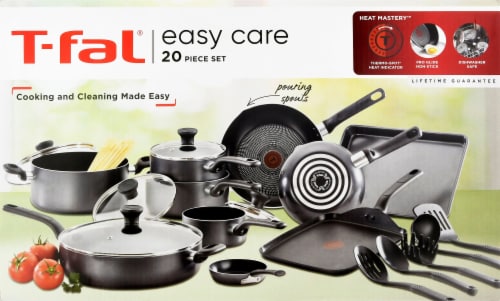
Use wooden, silicone, or plastic utensils with T Fal cookware. Metal tools can scratch and ruin the coating. Avoid sharp or abrasive objects while cooking or cleaning. Soft utensils keep the surface smooth and non-stick effective. Handle your cookware gently to extend its life.
Credit: www.ralphs.com
Storage Tips
Proper storage keeps your T Fal cookware safe and lasting longer. Storing pots and pans correctly stops damage and maintains their non-stick surface. This section covers simple ways to store cookware without harm.
Preventing Scratches
Scratches ruin the non-stick coating on T Fal pans. Use soft cloth or paper towels between stacked pans. Avoid placing sharp or heavy items on top of your cookware. Store lids separately or upside down to stop scratching.
Organizing Cookware Safely
Keep cookware organized to find items quickly and avoid clutter. Use hooks or racks to hang pans and save space. Stack pots with care, placing larger ones at the bottom. Store lids in a dedicated rack to keep them neat and easy to access.
Restoring Shine
Restoring the shine of your T Fal cookware brings back its fresh, new look. Over time, pots and pans can lose their brightness due to heat and food stains. Bright cookware also makes cooking more enjoyable. Simple care methods can revive their original gleam without harsh chemicals. Keep your cookware looking great with easy, natural steps.
Natural Polishing Methods
Use baking soda to clean your cookware gently. Make a paste with water and apply it to the surface. Let it sit for a few minutes, then scrub with a soft cloth. Rinse well with warm water.
White vinegar also helps remove dullness. Soak a cloth in vinegar and wipe the cookware. It breaks down mineral deposits and food stains. Rinse thoroughly to avoid vinegar smell.
Lemon juice works as a natural brightener. Rub lemon halves on the surface or apply lemon juice with a cloth. Leave for a few minutes, then wash with warm water. This method adds a fresh scent too.
When To Replace Cookware
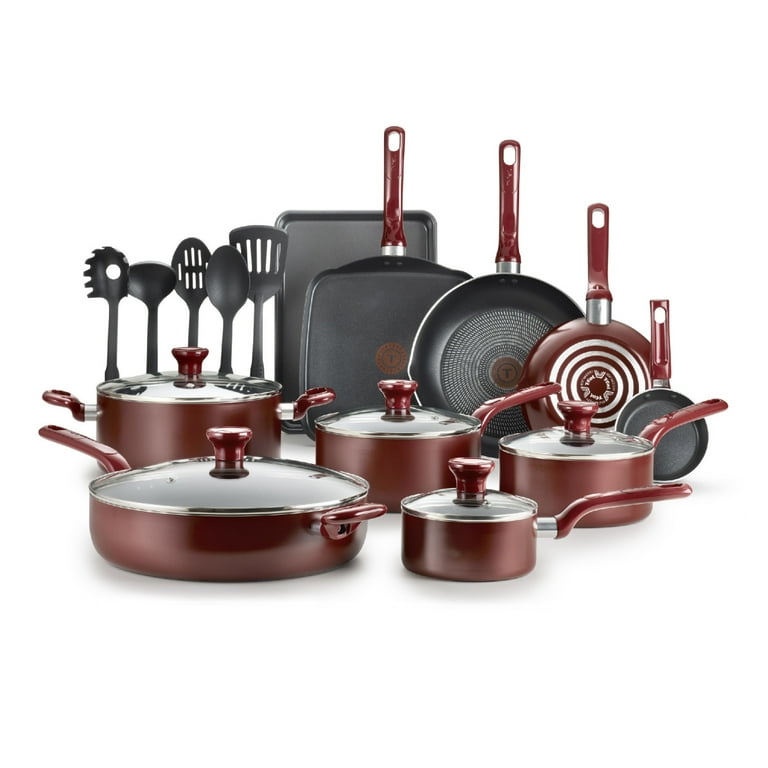
Check your cookware regularly for scratches or damage. Deep scratches can reduce non-stick performance and may release harmful particles. If the coating peels off, it is time to replace the pan.
Cookware that warps or has loose handles can be unsafe. Warping causes uneven cooking and can make pots unstable. Loose handles risk burns and accidents.
Replace your cookware if it no longer cooks evenly or is hard to clean. Well-maintained cookware lasts longer, but some wear is normal over time.
Credit: www.walmart.com
Frequently Asked Questions
How Do I Clean T Fal Cookware Properly?
To clean T Fal cookware, use warm soapy water and a soft sponge. Avoid abrasive cleaners or steel wool. Hand wash is preferred to maintain the non-stick coating and extend its lifespan.
Can T Fal Cookware Go In The Dishwasher?
While some T Fal cookware is dishwasher safe, hand washing is recommended. Dishwashers can dull the non-stick surface and reduce cookware lifespan.
How To Prevent Food From Sticking To T Fal Pans?
Preheat the pan on low to medium heat and add a small amount of oil. Avoid high heat, which can damage the non-stick coating and cause sticking.
What Utensils Are Safe For T Fal Cookware?
Use silicone, wooden, or plastic utensils to avoid scratching the non-stick surface. Avoid metal utensils as they can damage the coating.
Conclusion
Proper care keeps T Fal cookware working well for years. Clean each piece gently with warm, soapy water. Avoid harsh scrubbers that can damage the surface. Store pans carefully to prevent scratches. Use wooden or silicone utensils to protect the coating.
Regular care saves money and improves cooking results. Enjoy meals cooked in well-maintained cookware every day. Simple habits make a big difference in your kitchen. Keep your T Fal pots and pans ready for great cooking.

Hello, This is Annie Walker, a 38-year-old blogger, founder, and editor of Cookware Guider from NY, USA. I am a cookware fanatic and passionate cooker. I love to cook with different types of cooking appliances (example: all types of cookware, rice cookers, slow cookers, etc) almost every day in my kitchen. I love to share my experience with my readers in my blog. Also, I enjoy helping people to solve their problems through my website. You can follow me on Twitter & Pinterest. To know details about my blog please check the about us page.