
If you’ve just got your hands on soapstone cookware, you might be wondering how to get it ready for cooking. Seasoning your soapstone is the secret to making it non-stick, long-lasting, and easy to clean.
Without the right care, your cookware can lose its charm and performance. But don’t worry—seasoning soapstone is simple, and once you know how, your cooking experience will improve dramatically. Keep reading, and you’ll discover step-by-step tips to make your soapstone cookware a kitchen favorite for years to come.
Why Season Soapstone Matters
Seasoning soapstone cookware is a key step for every user. It improves the cooking experience and extends the life of the cookware. Understanding why seasoning soapstone matters helps you care for your pots and pans better.
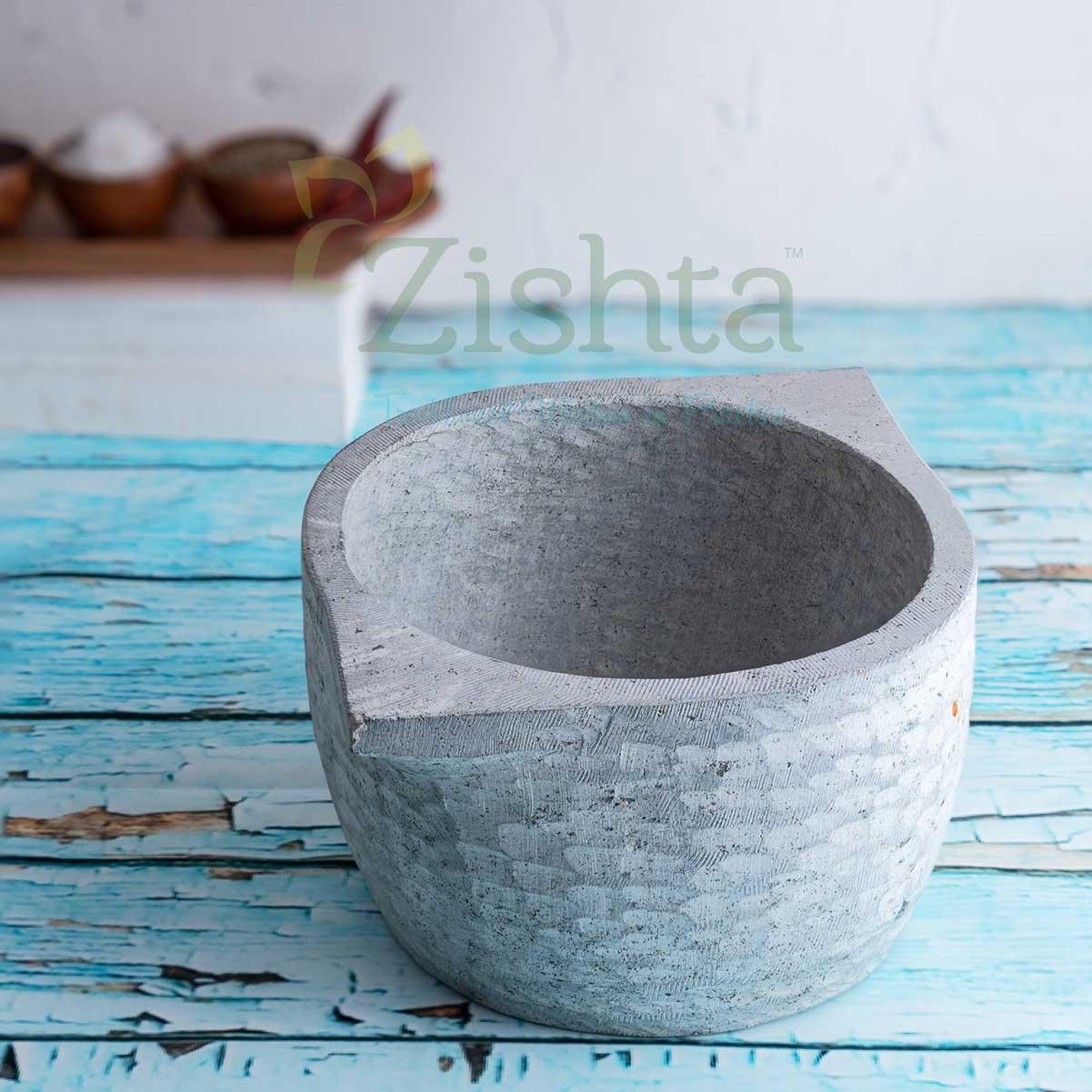
Soapstone is a natural material that holds heat well. But it is porous and can absorb moisture and odors without seasoning. Seasoning creates a protective layer that keeps the cookware strong and clean. It also makes cooking easier and food taste better.
Benefits Of Seasoning
Seasoning soapstone cookware builds a smooth, non-stick surface. It stops food from sticking and burning. This makes cooking and cleaning easier. The seasoning also helps keep the soapstone from drying out or cracking over time.
Well-seasoned soapstone cookware can last for many years. It improves heat distribution for even cooking. Seasoning also prevents stains and bad smells from soaking in. This keeps your cookware looking and smelling fresh.
How Seasoning Protects Cookware
Seasoning seals the tiny pores in soapstone. This stops water and oils from entering the stone. Without seasoning, soapstone can absorb moisture and crack during heating. The protective layer from seasoning helps avoid this damage.
The layer also guards against scratches and stains. It keeps the soapstone strong under regular use. Seasoning forms a barrier that protects your investment and keeps it safe for cooking.
Credit: zishta.com
Choosing The Right Oil
Choosing the right oil is key for seasoning soapstone cookware. The oil protects the stone and builds a natural non-stick surface. Not all oils work well with soapstone. Some oils can leave a sticky residue or go rancid. Pick oils that create a strong, smooth coating and last long.
Best Oils For Soapstone
Flaxseed oil is a top choice. It dries hard and forms a tough layer. Grapeseed oil works well too. It has a high smoke point and stays stable. Canola oil is easy to find and creates a good finish. Coconut oil adds a protective layer and smells nice. These oils help your soapstone last longer and cook better.
Oils To Avoid
Oils with low smoke points cause problems. Olive oil can burn and leave sticky spots. Butter and animal fats can spoil and smell bad. Avoid oils that stay soft or oily after heating. These oils do not protect the stone well. Using the wrong oil may ruin your seasoning effort.
Preparing Soapstone Surface
Preparing your soapstone cookware surface is important before seasoning. Proper preparation helps the stone absorb oil evenly. This step makes your cookware last longer and cook better. Clean and dry the soapstone well to avoid issues during seasoning. Follow these simple methods to prepare your soapstone surface correctly.
Cleaning Before Seasoning
Start by washing the soapstone with warm water and mild soap. Use a soft sponge or cloth to avoid scratches. Rinse thoroughly to remove all soap residue. Avoid harsh chemicals or abrasive tools. These can damage the stone’s surface. Make sure the soapstone feels smooth and clean before moving on.
Drying Techniques
Dry the soapstone completely after cleaning. Use a clean towel to wipe off excess water. Let the cookware air dry for several hours. Avoid placing it in direct sunlight or near heat sources. Moisture inside the stone can cause problems during seasoning. A dry surface allows the oil to soak in properly and evenly.
Step-by-step Seasoning Process
Seasoning soapstone cookware improves its durability and cooking performance. This process creates a natural non-stick surface. It also protects the stone from stains and cracks. Follow these steps carefully for the best results.
Applying Oil Evenly
Start with clean, dry soapstone cookware. Use a soft cloth or paper towel. Apply a thin layer of cooking oil all over the surface. Cover every part, inside and outside. Avoid using too much oil to prevent sticky spots.
Heating Methods
Place the oiled cookware on low heat. Heat it slowly for about 30 minutes. This allows the oil to soak into the stone. You can also use an oven at 200°F (93°C). Heat for the same time to season the stone well.
Cooling And Repeating
Turn off the heat and let the cookware cool down naturally. Do not rush this step. Once cooled, wipe off any excess oil. Repeat the seasoning process 2-3 times. Each round strengthens the protective layer on the stone.
Maintaining Seasoned Soapstone
Maintaining seasoned soapstone cookware keeps it lasting long and cooking well. Soapstone is strong but needs care to protect its smooth surface and seasoning layer. Proper maintenance helps stop stains and stickiness. It also keeps your food tasting pure and fresh.
Simple steps after each use make a big difference. You want to keep the seasoning intact and avoid damage. Knowing when to re-season your soapstone is also key. This keeps the cookware working at its best.
Cleaning Tips After Use
Clean soapstone cookware with warm water and a soft sponge. Avoid soap or harsh cleaners that can strip the seasoning. Dry it well with a towel to stop moisture damage. Never soak soapstone in water for a long time. Remove stuck food gently using a wooden or plastic scraper. Keep the surface smooth and avoid scratching.
When To Re-season
Look for dull or dry spots on the surface. If food starts sticking more than before, it needs re-seasoning. Also, re-season when the soapstone looks rough or feels sticky. Use a small amount of oil and heat the cookware slowly. This restores the protective layer and keeps the surface non-stick. Regular re-seasoning keeps your soapstone cooking like new.

Credit: soapstonegallery.com
Common Mistakes To Avoid
Seasoning soapstone cookware is simple but easy to mess up. Avoiding common mistakes helps your cookware last longer and cook better. These errors can stop your soapstone from getting a smooth, non-stick surface.
Over-oiling
Adding too much oil is a frequent mistake. Thick layers of oil do not soak into the stone. Instead, they leave a sticky, uneven coating. This can cause food to stick and ruin the seasoning. Use just a thin layer of oil. Wipe off any extra with a paper towel before heating.
Using Harsh Cleaners
Soapstone is sensitive to strong cleaners and scrubbing pads. Harsh chemicals can strip away seasoning and damage the surface. Avoid bleach, ammonia, or abrasive powders. Clean your soapstone with warm water and a soft sponge. Dry it well after washing to keep it in good shape.
Enhancing Shine And Longevity
Soapstone cookware lasts longer and looks better with proper care. Enhancing shine and longevity keeps your pots and pans strong. It also keeps them smooth and attractive for years. Simple steps help maintain their natural beauty and durability.
Polishing Techniques
Use a soft cloth to polish soapstone. Rubbing gently brings out a natural shine. Avoid harsh cleaners or scrubbing pads. These can scratch or damage the surface. Mineral oil can also help polish. Apply a small amount and rub it in. This nourishes the stone and boosts shine. Repeat polishing every few months to keep cookware bright.
Storage Recommendations
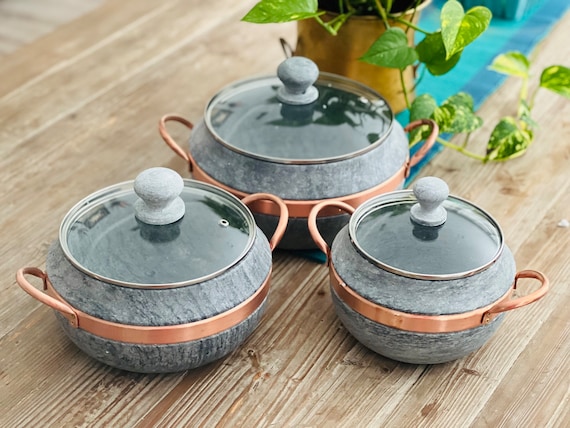
Store soapstone cookware in a dry place. Moisture can cause stains or damage. Use a soft cloth or paper towel between pieces. This stops scratches during storage. Avoid stacking heavy items on top. Keep the cookware where it won’t fall or hit hard objects. Proper storage protects the surface and extends its life.
Credit: www.etsy.com
Frequently Asked Questions
How Do You Season Soapstone Cookware?
To season soapstone cookware, apply a thin layer of cooking oil. Heat the cookware in an oven at 350°F for one hour. Let it cool naturally. This process protects the surface and improves cooking performance.
Why Is Seasoning Soapstone Cookware Important?
Seasoning creates a natural non-stick surface on soapstone cookware. It also prevents stains and enhances durability. Proper seasoning helps maintain the cookware’s quality and cooking efficiency over time.
What Oil Is Best For Seasoning Soapstone?
Use oils with high smoke points like flaxseed, grapeseed, or vegetable oil. These oils form a strong, durable coating when heated. Avoid low smoke point oils as they can create sticky residues.
How Often Should I Season My Soapstone Cookware?
Season your soapstone cookware every few months or after deep cleaning. Regular seasoning maintains the protective layer and cooking surface. Frequent use and washing can wear off the seasoning layer.
Conclusion
Seasoning soapstone cookware keeps it strong and non-stick. Regular care helps avoid cracks and stains. Use oil and gentle heat for best results. Clean with warm water and a soft cloth only. This simple routine protects your cookware for years.
Enjoy cooking with smooth, durable soapstone every day. A little effort brings great cooking results. Soapstone stays beautiful and useful with good care. Try it yourself and see the difference.

Hello, This is Annie Walker, a 38-year-old blogger, founder, and editor of Cookware Guider from NY, USA. I am a cookware fanatic and passionate cooker. I love to cook with different types of cooking appliances (example: all types of cookware, rice cookers, slow cookers, etc) almost every day in my kitchen. I love to share my experience with my readers in my blog. Also, I enjoy helping people to solve their problems through my website. You can follow me on Twitter & Pinterest. To know details about my blog please check the about us page.