
Are you tired of scrubbing your cookware for hours only to see stubborn baked-on grease refuse to budge? You’re not alone.
That sticky, greasy layer can turn your favorite pots and pans into a nightmare to clean. But what if you could restore your cookware to its sparkling best without endless elbow grease? You’ll discover simple, effective ways to remove baked-on grease quickly and easily.
Say goodbye to frustration and hello to cookware that looks and feels brand new. Keep reading—you’ll be amazed at how effortless cleaning can be!
Causes Of Baked On Grease
Baked on grease forms from leftover oils and fats on cookware. It sticks tightly after cooking and hardens with heat. This build-up makes cleaning hard and can ruin pans over time.
Knowing what causes baked on grease helps prevent it. It also guides you on how to clean it properly.
High Cooking Temperatures
Cooking at very high heat causes oils to burn. Burnt oil turns sticky and hard to remove. The hotter the pan, the more grease sticks.
Cooking Without Enough Oil
Too little oil can cause food to stick and burn. Burnt food leaves greasy residue on the cookware. This residue then bakes onto the surface.
Not Cleaning Immediately
Leaving pans dirty for a long time lets grease harden. Hardened grease bonds with the pan’s surface strongly. Cleaning becomes tougher with time.
Using The Wrong Cookware
Some pans have rough surfaces that trap grease. Non-stick pans prevent grease from sticking easily. Rough or old pans hold more baked on grease.

Credit: www.youtube.com
Choosing The Right Cleaning Tools
Choosing the right cleaning tools makes a big difference in removing baked-on grease. Using proper tools protects your cookware and speeds up cleaning. Some tools are tough on grease but gentle on your pots and pans. Others may scratch or damage the surface. Select tools that match your cookware type and cleaning needs.
Types Of Scrubbers
Scrubbers come in many types. Soft sponges work well on light grease. They are gentle and safe for most surfaces. For tough, baked-on grease, use a scrub brush or a nylon scrubber. These offer more scrubbing power without scratching. Steel wool is very strong but can damage non-stick or delicate cookware. Choose scrubbers that remove grease without harming your cookware.
Safe Materials For Cookware
Cookware materials need special care. Non-stick pans require soft scrubbers to avoid peeling. Cast iron benefits from stiff brushes but not harsh soap. Stainless steel can handle scrapers and rough scrubbers. Ceramic and glass need gentle tools to prevent scratches. Using the right cleaning material keeps your cookware lasting longer and looking better.
Natural Cleaning Agents
Natural cleaning agents work well to remove baked-on grease from cookware. They are safe, affordable, and easy to find in most homes. These agents break down grease without harsh chemicals. Using them protects your cookware and the environment. Here are some common natural cleaners you can use.
Using Baking Soda
Baking soda is a mild abrasive that helps scrub away grease. Sprinkle it on the greasy surface. Add a little water to make a paste. Let it sit for 15 minutes. Then scrub gently with a sponge or cloth. Rinse with warm water. Baking soda also deodorizes your cookware.
Vinegar Solutions
Vinegar is acidic and cuts through grease easily. Mix equal parts vinegar and water in a spray bottle. Spray the solution on the cookware. Let it sit for 10 to 20 minutes. Wipe with a soft cloth or sponge. For tough grease, boil vinegar and water in the pan. This loosens stubborn residue quickly.
Lemon Juice Benefits
Lemon juice contains natural acids that dissolve grease. Squeeze fresh lemon juice over the greasy areas. Let it sit for 10 minutes. Scrub lightly with a sponge. Lemon also adds a fresh scent to your cookware. It brightens stains and helps keep your kitchen clean.
Chemical Cleaners For Tough Stains
Removing baked-on grease from cookware can be tough. Chemical cleaners offer a strong solution for these stubborn stains. They break down grease and grime quickly. These cleaners save time and effort in scrubbing.
Commercial Degreasers
Commercial degreasers are made for heavy grease removal. They contain powerful ingredients that dissolve grease fast. Apply the degreaser to the cookware surface. Let it sit for a few minutes to loosen the grime. Use a scrub brush or sponge to clean the area. Rinse well with warm water after scrubbing. Always follow the instructions on the product label. Wear gloves to protect your skin. Some degreasers can be harsh, so handle with care.
Using Dish Soap Effectively
Dish soap can work well on baked-on grease if used right. Use hot water to soften the grease first. Add a good amount of dish soap to the cookware. Let it soak for 15 to 30 minutes to break the grease. After soaking, scrub with a sponge or brush. Rinse thoroughly to remove soap and residue. Repeat if needed for tough spots. Dish soap is gentle and safe for most cookware.
Step-by-step Cleaning Process
Removing baked-on grease from cookware requires a clear and simple plan. Follow the steps carefully to restore your pots and pans to their clean, shiny state. This process breaks down tough grease safely and efficiently.
Pre-soaking Techniques
Start by filling your cookware with hot water. Add a few drops of dish soap to loosen grease. Let it soak for at least 30 minutes. For stubborn grease, use a mix of vinegar and water. This helps break down the grease before scrubbing.
Scrubbing Methods
Use a non-abrasive scrubber to avoid scratches. Gently scrub the cookware in circular motions. Apply baking soda on tough spots for extra cleaning power. Let the baking soda sit for 10 minutes before scrubbing again. Avoid harsh steel wool on delicate surfaces.
Rinsing And Drying
Rinse the cookware thoroughly with warm water. Make sure no soap or baking soda remains. Dry the cookware immediately with a clean towel. This prevents water spots and rust. Store your cookware in a dry place to keep it clean longer.
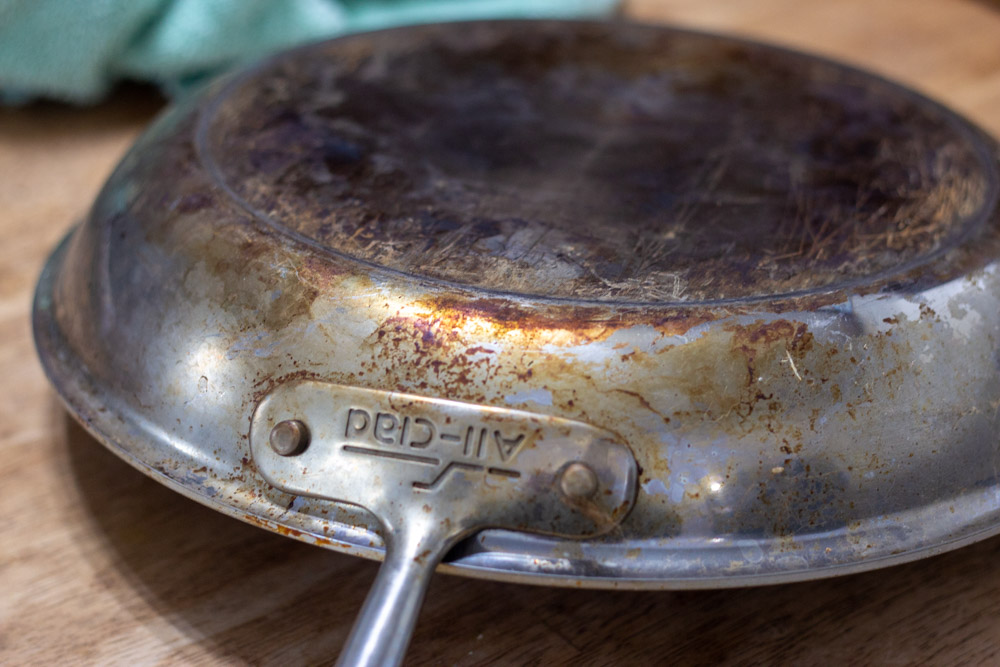
Credit: www.agardenforthehouse.com
Preventing Future Baked On Grease
Preventing baked on grease on cookware saves time and effort. Clean pans last longer and cook better. Small daily habits keep grease from building up. Protect your pots and pans with smart care.
Regular Maintenance Tips
Clean cookware soon after use. Warm water and mild soap work well. Avoid harsh scrubbing that can damage surfaces. Use soft sponges or cloths for cleaning. Dry pots and pans completely to stop rust. Store cookware in dry, cool places. Check for stuck food bits and remove them quickly.
Proper Cooking Practices
Use the right amount of oil while cooking. Too much oil can cause heavy grease buildup. Cook on medium heat to prevent burning. Avoid overheating pans without food. Stir food often to stop sticking. Use non-stick spray if needed. Let cookware cool before washing to protect surface.
Handling Different Cookware Materials
Removing baked-on grease requires different care for each type of cookware. Each material reacts differently to cleaning methods. Using the wrong approach can damage the surface or reduce its lifespan. Understanding how to handle cast iron, non-stick, and stainless steel helps keep your cookware in great shape.
Cast Iron Care
Cast iron needs gentle cleaning to keep its seasoning. Avoid harsh soaps or scrubbing pads. Use coarse salt and a little water to scrub stuck grease. Rinse with warm water and dry immediately. Apply a thin layer of oil to prevent rust.
Non-stick Surfaces
Non-stick pans require a soft touch. Use a sponge or soft cloth with warm, soapy water. Avoid abrasive scrubbers that can scratch the coating. For stubborn grease, soak the pan for 10-15 minutes before cleaning. Dry thoroughly to keep the surface smooth.
Stainless Steel Tips
Stainless steel is durable but can stain if not cleaned properly. Use baking soda and water paste for tough grease spots. Scrub gently with a non-abrasive pad. Rinse with hot water and dry to avoid water spots. Polish with a cloth for a shiny finish.

Credit: www.mykitchenescapades.com
Frequently Asked Questions
How To Remove Baked On Grease From Stainless Steel Cookware?
Use a paste of baking soda and water. Apply it on the grease, let it sit for 15 minutes, then scrub gently with a non-abrasive sponge. Rinse with warm water and dry thoroughly to restore shine.
Can Vinegar Help Clean Baked On Grease Effectively?
Yes, vinegar is acidic and breaks down grease. Mix equal parts of vinegar and water, soak cookware for 10 minutes, then scrub with a sponge. Rinse well and dry to remove residue and restore cleanliness.
What Household Ingredients Remove Baked On Grease Safely?
Baking soda, vinegar, lemon juice, and dish soap are effective and safe. They break down grease without damaging cookware surfaces. Combine these ingredients for tough stains and rinse thoroughly after cleaning.
How To Prevent Baked On Grease On Cookware?
Clean cookware immediately after use with warm water and dish soap. Avoid letting grease dry or bake on. Regular maintenance prevents buildup and keeps cookware in great condition for longer.
Conclusion
Removing baked-on grease from cookware is easier than it seems. Use gentle scrubbing with common household items. Let solutions sit to break down the grease well. Regular cleaning prevents tough buildup in the future. Your pots and pans will look clean and last longer.
Keep these simple tips in mind for better kitchen care. Clean cookware makes cooking more enjoyable every day. Give your kitchen tools the care they deserve.

Hello, This is Annie Walker, a 38-year-old blogger, founder, and editor of Cookware Guider from NY, USA. I am a cookware fanatic and passionate cooker. I love to cook with different types of cooking appliances (example: all types of cookware, rice cookers, slow cookers, etc) almost every day in my kitchen. I love to share my experience with my readers in my blog. Also, I enjoy helping people to solve their problems through my website. You can follow me on Twitter & Pinterest. To know details about my blog please check the about us page.