
If you love camping, you know how tough it is to keep your cookware clean. Soot buildup from campfires can make your pots and pans look dirty and hard to use.
But don’t worry—removing soot doesn’t have to be a struggle. You’ll discover simple, effective ways to get your camping cookware sparkling clean again. Imagine enjoying your next meal without worrying about greasy, black stains. Keep reading, and you’ll learn easy tips that save you time and effort every time you cook outdoors.
Credit: cooking-outdoors.com
Causes Of Soot On Cookware
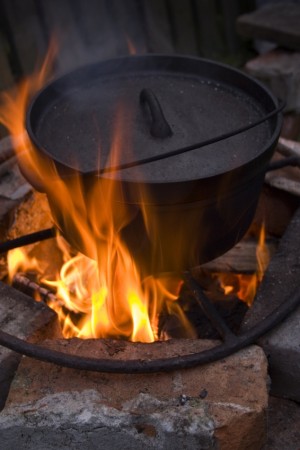
Soot on camping cookware happens from burning fuel or wood. It leaves a black, powdery layer on pots and pans. This soot builds up after cooking over open flames or camp stoves. Understanding what causes soot helps keep your cookware clean and working well.
Common Sources During Camping
Open campfires often cause soot on cookware. Burning wood or charcoal produces smoke and soot. The smoke sticks to pots and pans above the fire. Using fuel like kerosene or propane can also cause soot. Poor burning or low oxygen makes more soot. Wind can spread smoke unevenly on your cookware.
Effects On Cookware Performance
Soot blocks heat from reaching cookware evenly. It makes cooking slower and less efficient. The black layer can damage cookware surfaces over time. Soot also hides dirt and food residues, making cleaning harder. Thick soot layers can cause your cookware to smell smoky. Removing soot regularly keeps your gear safe and ready.
Basic Cleaning Supplies Needed
Removing soot from camping cookware needs the right cleaning supplies. Using simple tools makes the task easier and faster. Some items work well in most kitchens. Others are made for camping gear specifically.
Household Items For Soot Removal
Baking soda is a top choice for cleaning soot. It gently scrubs without scratching. White vinegar helps break down tough stains. Dish soap cuts through grease and grime. A soft sponge or cloth makes wiping easy. Old toothbrushes reach small corners and edges. Hot water loosens hardened soot before scrubbing.
Specialized Camping Cleaning Tools
Camping cookware often needs special brushes. These brushes have stiff bristles to tackle soot. Collapsible scrubbers save space in your pack. Portable scrubbing pads resist wear and tear. Some kits include soap that works well outdoors. Lightweight cleaning kits keep gear fresh on trips.
Step-by-step Soot Removal Methods
Removing soot from camping cookware is easy with the right steps. Clean cookware improves cooking and taste. Follow these simple methods to get your pots and pans clean again.
Each method uses common household items. Choose one that fits what you have. Take your time and see the soot disappear.
Using Soap And Water
Start by filling a basin with warm water. Add a few drops of dish soap. Soak the cookware for 15 to 20 minutes. Use a sponge or soft cloth to scrub the soot gently. Rinse with clean water. Dry with a towel to prevent rust.
Applying Baking Soda Paste
Mix baking soda with a little water to form a paste. Spread the paste over the soot stains. Let it sit for 10 minutes. Use a soft brush or cloth to scrub the paste gently. Baking soda lifts and breaks down the soot. Rinse thoroughly and dry the cookware.
Vinegar Soak Technique
Pour white vinegar into the cookware until soot is covered. Let it soak for 30 minutes. Vinegar helps dissolve tough soot stains. After soaking, use a sponge to scrub gently. Rinse well with water. Dry completely before storing.
Scrubbing With Aluminum Foil
Take a small piece of aluminum foil. Crumple it into a loose ball. Dip the foil ball in water or soap. Scrub the soot marks carefully with the foil. This method is good for stubborn soot. Avoid harsh scrubbing to protect the cookware surface. Rinse and dry after scrubbing.

Credit: www.qwickwick.com
Preventing Soot Build-up
Soot build-up on camping cookware is common but avoidable. Preventing soot keeps your pots and pans clean. It also makes cooking easier and safer outdoors.
Simple habits during cooking and regular care help reduce soot deposits. These steps save time and effort on cleaning later.
Proper Cooking Techniques
Use the right flame size. A flame too large causes soot. Keep the flame blue and steady for clean burning. Avoid cooking with an open flame too close to the cookware. Use a windscreen to protect the flame from wind. This helps maintain proper heat and reduces soot. Stir food often to prevent burning. Burnt food sticks cause extra soot. Cook with dry wood or fuel. Wet fuel produces more smoke and soot.
Regular Maintenance Tips
Clean cookware after each use. Wipe off soot before it hardens. Use warm soapy water and a soft scrubber. Avoid harsh chemicals that damage cookware. Inspect your stove and fuel system regularly. Remove any blockages that cause poor flame quality. Store cookware in a dry place to prevent rust. Check for soot build-up under handles and rims. Regular cleaning prevents thick soot layers and keeps cookware safe for use.
Handling Stubborn Soot Stains
Stubborn soot stains on camping cookware can be tough to remove. These black marks often form after cooking over open flames. Basic cleaning may not be enough to clear them. Stronger methods and products help restore your cookware’s shine and cleanliness.
Commercial Cleaners To Consider
Some commercial cleaners work well on soot stains. Look for products made for removing tough grime. Oven cleaners and heavy-duty degreasers can break down soot. Use paste cleaners designed for metal pots and pans. Follow the instructions on the label carefully. Test the cleaner on a small area first to avoid damage.
Safety Precautions During Cleaning
Wear gloves to protect your skin from harsh chemicals. Work in a well-ventilated area to avoid breathing fumes. Avoid mixing different cleaning products; this can create dangerous gases. Keep cleaners away from children and pets. Rinse cookware thoroughly after cleaning to remove all residues. Dry your cookware completely before storing it.
Drying And Storing Cookware After Cleaning
After cleaning soot off camping cookware, drying and storing is crucial. Proper drying stops moisture from causing damage. Good storage keeps your gear ready for the next trip. Taking these steps helps your cookware last longer and stay safe to use.
Best Practices For Longevity
Dry cookware completely before storing it. Use a clean cloth or air dry in a warm place. Avoid stacking wet items. Store cookware in a dry, ventilated area. Keep lids slightly open to let air circulate. Regularly check for any signs of wear or damage.
Avoiding Rust And Damage
Moisture causes rust and weakens metal parts. Never store cookware while it is damp. Use paper towels to absorb leftover moisture. Avoid plastic bags or sealed containers without ventilation. Keep cookware away from harsh chemicals and dirt. Clean and dry your gear after each use to prevent rust build-up.

Credit: www.qwickwick.com
Frequently Asked Questions
How Do I Clean Soot From Camping Cookware?
To clean soot, soak cookware in warm, soapy water. Scrub gently with a non-abrasive sponge. Use baking soda for stubborn soot. Rinse and dry thoroughly to prevent rust.
What Household Items Remove Soot From Camping Pots?
Common items like baking soda, vinegar, and dish soap effectively remove soot. Baking soda acts as a mild abrasive. Vinegar helps break down residues. Combine with warm water for best results.
Can I Use Steel Wool On Camping Cookware Soot?
Steel wool can scratch cookware surfaces. It’s not recommended for non-stick or delicate materials. Instead, use soft sponges or nylon scrubbers to safely remove soot without damaging your cookware.
How Often Should I Clean Soot Off Camping Cookware?
Clean soot after every camping trip. Regular cleaning prevents buildup and preserves cookware lifespan. Prompt cleaning also ensures better cooking performance and hygiene for your next adventure.
Conclusion
Cleaning soot from camping cookware is easier than it seems. Use gentle scrubbing and natural cleaners for best results. Avoid harsh chemicals that can damage your pots and pans. Regular cleaning keeps your gear ready for the next trip. A little care helps your cookware last longer.
Keep your camping meals tasty and safe with clean cookware. Take your time and enjoy the process. Clean tools make camping more fun and healthy.

Hello, This is Annie Walker, a 38-year-old blogger, founder, and editor of Cookware Guider from NY, USA. I am a cookware fanatic and passionate cooker. I love to cook with different types of cooking appliances (example: all types of cookware, rice cookers, slow cookers, etc) almost every day in my kitchen. I love to share my experience with my readers in my blog. Also, I enjoy helping people to solve their problems through my website. You can follow me on Twitter & Pinterest. To know details about my blog please check the about us page.