
Are you tired of scrubbing your steel cookware only to find stubborn baked-on grease refusing to budge? You’re not alone.
Grease that sticks tight can make cleaning feel like a chore that never ends. But what if you could restore your pots and pans to their shiny, clean best without endless effort? This guide will show you simple, effective ways to remove that tough grease, saving you time and frustration.
Keep reading, and you’ll discover easy tricks that bring your steel cookware back to life—making your kitchen cleanup smoother than ever.
Credit: www.agardenforthehouse.com
Causes Of Baked On Grease
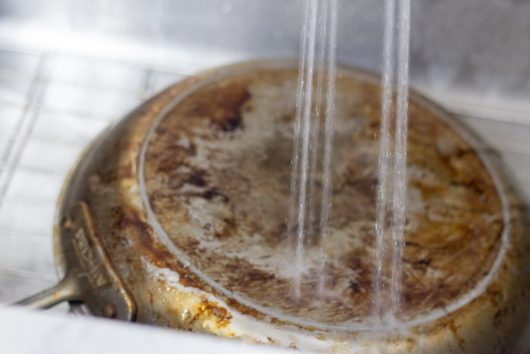
Baked on grease on steel cookware happens after cooking many times. It forms a hard layer that sticks to the pan. Understanding the causes helps to remove it better. Knowing what creates this grease makes cleaning easier.
Common Cooking Practices
Cooking with oil or butter often leaves grease on the pan. If grease is not cleaned right after cooking, it builds up. Using too much oil or not wiping the pan can cause baked on grease. Cooking sticky or sugary foods can also make grease stick more.
Effects Of High Heat
High heat can burn grease and food particles. Burnt grease sticks tightly to steel cookware. The hotter the pan, the harder grease becomes. Cooking on very high heat often causes grease to bake on the surface.
Types Of Grease Residue
Different foods leave different grease types on pans. Animal fats like butter or lard create thick layers. Vegetable oils can turn sticky when heated long. Sauces with sugar or spices add to baked grease buildup. Each type needs special care to clean well.
Credit: www.reddit.com
Essential Tools And Materials
Removing baked-on grease from steel cookware needs the right tools and materials. Using proper cleaning agents and scrubbing tools makes the job easier. Safety gear protects your hands and eyes during cleaning. Below are the essentials you need to clean steel cookware well.
Cleaning Agents To Use
Choose a good dish soap with grease-cutting power. Baking soda is great for scrubbing without scratching. White vinegar breaks down stubborn grease and adds shine. Avoid harsh chemicals that can damage your cookware.
Recommended Scrubbing Tools
Use a non-abrasive sponge to protect the steel surface. A nylon scrub brush helps remove tough grease spots. Steel wool works only for very tough stains, but use it carefully. Avoid metal scouring pads that can scratch the cookware.
Safety Gear For Cleaning
Wear rubber gloves to protect your skin from harsh cleaners. Safety goggles keep your eyes safe from splashes. Use a mask if you work with strong-smelling cleaners. Keep your cleaning area well-ventilated for fresh air.
Simple Daily Cleaning Tips
Keeping steel cookware clean every day stops baked on grease from forming. Simple daily cleaning helps keep your pans shiny and ready to use. It saves time and effort later. Follow easy steps to clean your cookware after each use. Small habits make a big difference in maintaining your kitchen tools.
Quick Clean After Cooking
Wipe your cookware as soon as cooking ends. Use a soft cloth or paper towel to remove grease. This quick step stops grease from hardening. Avoid letting food sit on the pan too long. The faster you clean, the easier it gets.
Avoiding Grease Build-up
Do not let grease pile up over days. Wash your cookware regularly with warm water. Avoid using harsh scrubbers that can scratch the steel. Use gentle sponges or cloths instead. Keeping your cookware dry also stops grease from sticking.
Using Hot Water And Soap Effectively
Hot water helps break down grease fast. Add a few drops of dish soap to hot water. Soak your cookware for a few minutes if grease sticks. Use a soft sponge to scrub gently. Rinse well with clean water to remove soap. Dry your cookware completely to prevent spots.
Effective Deep Cleaning Methods
Removing baked on grease from steel cookware can be tough. Deep cleaning methods help restore your pots and pans. These techniques use simple ingredients or products to break down stubborn grease. They save time and effort in the kitchen.
Baking Soda And Vinegar Technique
Sprinkle baking soda over the greasy areas of the cookware. Pour white vinegar slowly on top. The mixture will bubble and fizz. Let it sit for 10 to 15 minutes. Use a soft scrub brush or sponge to scrub the surface. Rinse well with warm water. This method gently lifts grease without scratching steel.
Boiling Water And Soap Method
Fill the cookware with water to cover the greasy parts. Add a few drops of dish soap. Heat the water until it boils. Allow it to boil for 10 minutes. Turn off the heat and let it cool. Pour out the water and scrub with a sponge. This loosens baked on grease for easy removal.
Commercial Degreasers For Steel Cookware
Choose a degreaser made for kitchen use and steel cookware. Apply the product according to the label instructions. Let it sit for the recommended time. Use a non-abrasive scrubber to clean the surface. Rinse thoroughly with water. Commercial degreasers can quickly remove tough grease stains.
Natural Remedies For Tough Stains
Removing baked-on grease from steel cookware can be tough. Strong chemicals may harm your pans or leave residues. Natural remedies offer gentle, effective cleaning without damage. They use simple ingredients found at home. These methods help restore shine and cleanliness safely.
Lemon And Salt Scrub
Lemon and salt work well to lift grease stains. Cut a lemon in half. Sprinkle salt on the greasy spot. Rub the lemon on the salt over the stain. The acid in lemon breaks grease. Salt acts as a mild scrub. Rinse with warm water and dry.
Cream Of Tartar Paste
Cream of tartar cleans stubborn stains without harsh chemicals. Mix cream of tartar with water to make a thick paste. Spread the paste on the greasy area. Let it sit for 10 to 15 minutes. Scrub gently with a soft cloth. Wash off with warm water and dry well.
Using Hydrogen Peroxide Safely
Hydrogen peroxide is a strong cleaner but must be used carefully. Mix equal parts hydrogen peroxide and water. Apply to the grease stain with a cloth. Let it sit for 5 minutes only. Rinse thoroughly with warm water. Avoid long contact to protect the steel’s finish.
Preventing Future Grease Build-up
Preventing future grease build-up on steel cookware helps keep it clean and lasts longer. Simple habits can stop grease from sticking and baking onto the surface. These tips save time and effort in cleaning later.
Proper Cooking Temperature
Cook at the right temperature to avoid grease burning onto steel. Too high heat makes grease stick and harden. Medium heat cooks food well and keeps grease from baking on. Use a thermometer if needed to control the heat better.
Regular Maintenance Routines
Clean cookware soon after use to stop grease build-up. Wash with warm soapy water and a soft scrubber. Avoid harsh cleaners that can damage the steel. Dry the cookware fully to prevent rust and stains. Repeat this routine after each meal.
Storage Tips To Keep Cookware Clean
Store steel cookware in a dry place away from dust. Use a cloth or paper towel inside to absorb moisture. Avoid stacking pots and pans without protection to stop scratches and grease traps. Proper storage keeps cookware ready to use and grease-free.
When To Replace Steel Cookware
Knowing when to replace steel cookware is important for safety and cooking quality. Over time, even the best pans wear out. Stains, rust, or warping can affect how food cooks. Using damaged cookware can cause uneven heating or food sticking. Watch for clear signs that your pan needs replacement. This helps avoid frustration and keeps your kitchen safe.
Signs Of Irreversible Damage
Deep rust spots that do not scrub away show serious damage. Large dents or warping make the pan unstable on the stove. Cracks or holes in the steel are unsafe and reduce heat control. Peeling or flaking coating, if your pan has one, means it is no longer safe. If grease and grime do not come off after strong cleaning, damage may be permanent.
Cost Vs. Repair Considerations
Small scratches or stains can be cleaned or polished easily. Rust may sometimes be removed with special cleaners or sanding. Repair costs can add up and may not restore full function. New pans often cost less than professional repairs. Consider the pan’s age and condition before deciding to fix it. Sometimes replacing is more practical and saves money.
Choosing Durable Cookware Alternatives
Look for steel cookware made with thicker, high-quality metal. Stainless steel with good grades lasts longer and resists rust. Cast iron is durable and improves with use but needs care. Non-stick pans offer easy cleaning but wear out faster. Pick cookware that fits your cooking style and lasts long. Investing in quality means fewer replacements and better meals.

Credit: www.reddit.com
Frequently Asked Questions
How Do I Clean Baked-on Grease From Steel Cookware?
To clean baked-on grease, soak the cookware in hot soapy water for 15 minutes. Then scrub gently with a non-abrasive sponge or brush. For tough stains, use a paste of baking soda and water. Rinse well and dry thoroughly.
Can Vinegar Help Remove Grease From Steel Cookware?
Yes, vinegar is effective for cutting grease. Mix equal parts of vinegar and water and soak the cookware for 10 minutes. Scrub with a soft sponge and rinse thoroughly. Vinegar breaks down grease naturally and leaves your cookware shiny.
What Household Items Remove Baked-on Grease Safely?
Baking soda, vinegar, and lemon juice are safe and effective. Baking soda acts as a gentle abrasive. Vinegar and lemon juice break down grease chemically. Use these with warm water and a soft brush for best results without damaging your steel cookware.
Is It Safe To Use Steel Wool On Steel Cookware?
Steel wool can scratch and damage the surface of steel cookware. It’s best to avoid using steel wool on non-stick or polished steel surfaces. Instead, use a non-abrasive sponge or brush to protect the finish while removing grease.
Conclusion
Removing baked-on grease from steel cookware takes patience and the right tools. Use gentle scrubbing with baking soda or vinegar for best results. Avoid harsh chemicals that can damage your pots and pans. Regular cleaning prevents grease buildup and keeps cookware shining.
Clean cookware cooks food better and lasts longer. Keep these tips handy for a spotless kitchen every day. You’ll enjoy cooking more with clean, grease-free steel cookware. Simple steps make a big difference in kitchen care.

Hello, This is Annie Walker, a 38-year-old blogger, founder, and editor of Cookware Guider from NY, USA. I am a cookware fanatic and passionate cooker. I love to cook with different types of cooking appliances (example: all types of cookware, rice cookers, slow cookers, etc) almost every day in my kitchen. I love to share my experience with my readers in my blog. Also, I enjoy helping people to solve their problems through my website. You can follow me on Twitter & Pinterest. To know details about my blog please check the about us page.