
Rust on your cookware can turn a simple meal into a frustrating experience. You might feel like tossing out your favorite pots and pans, but what if you didn’t have to?
Imagine bringing back that shiny, clean surface without spending a fortune or buying new items. You’ll discover easy and effective ways to remove rust from your cookware. These simple steps will save your kitchen tools and make cooking enjoyable again.
Keep reading to learn how to restore your cookware and protect it for the future.

Credit: www.wikihow.com
Identifying Rust On Cookware
Rust on cookware can damage your pots and pans quickly. It also affects the taste and safety of your food. Identifying rust early helps keep your cookware in good shape. Knowing what to look for saves time and effort in cleaning.
Common Signs Of Rust
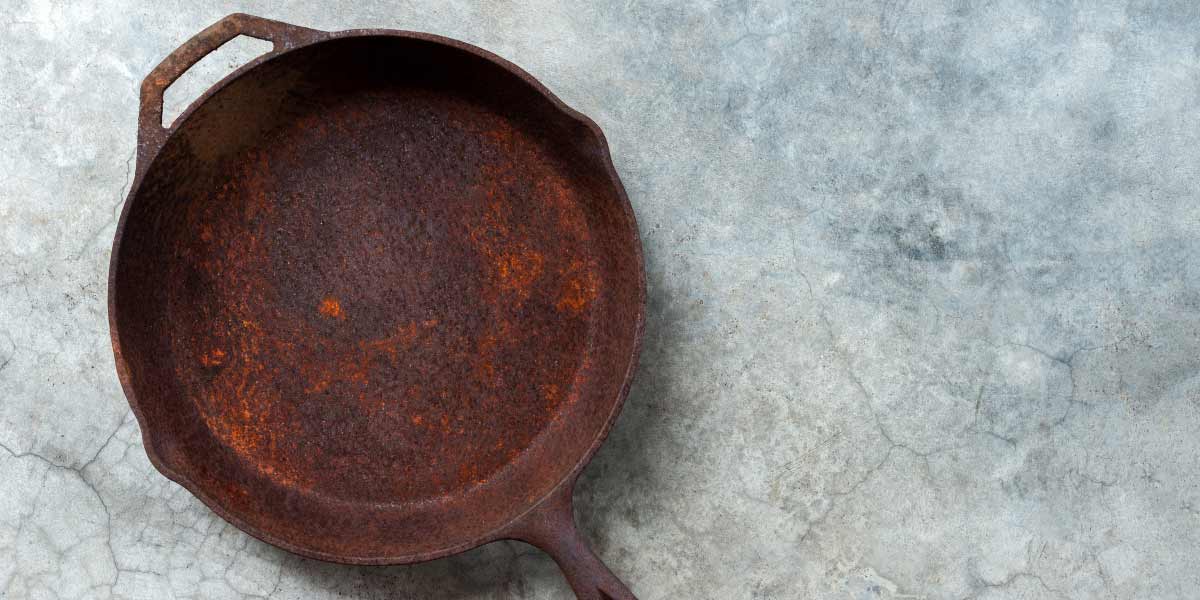
Rust appears as reddish-brown spots or patches on metal. It may feel rough or flaky to touch. Sometimes, rust can cause small pits or holes. The cookware might stain your hands or dishes. Rust can spread if not treated soon.
Types Of Cookware Affected
Cast iron pans often develop rust if not dried well. Carbon steel cookware is also prone to rust. Stainless steel can rust, but less often and usually in damaged areas. Non-coated metal pots and pans face higher rust risks. Proper care helps prevent rust on all types.
Safety Tips Before Cleaning
Removing rust from cookware can be a tough job. Safety must come first before you start cleaning. Rust removal often uses strong tools and chemicals. These can harm your skin, eyes, or lungs without care.
Take time to prepare and protect yourself. This keeps you safe and makes cleaning easier. Follow these simple safety tips before you begin.
Protective Gear To Use
Wear gloves to protect your hands from chemicals and sharp rust. Use rubber or latex gloves for the best protection. Safety goggles stop dust and splashes from reaching your eyes. A face mask helps avoid breathing in rust particles or chemical fumes. Long sleeves and pants shield your skin from irritants. Use old clothes that cover your body well.
Precautions For Different Materials
Cast iron and steel cookware need gentle scrubbing to avoid damage. Avoid harsh chemicals on non-stick or aluminum pans. These can ruin the surface or coating. Check the manufacturer’s instructions before using any cleaner. For enamel cookware, avoid abrasive tools that can scratch the surface. Use soft brushes and mild cleaners instead. Always test a small area first to see how the material reacts.
Natural Rust Removal Methods
Natural rust removal methods use simple household items to clean cookware. These methods are safe and effective. They do not use harsh chemicals. You can try these easy techniques to restore your pots and pans.
Using Vinegar Soak
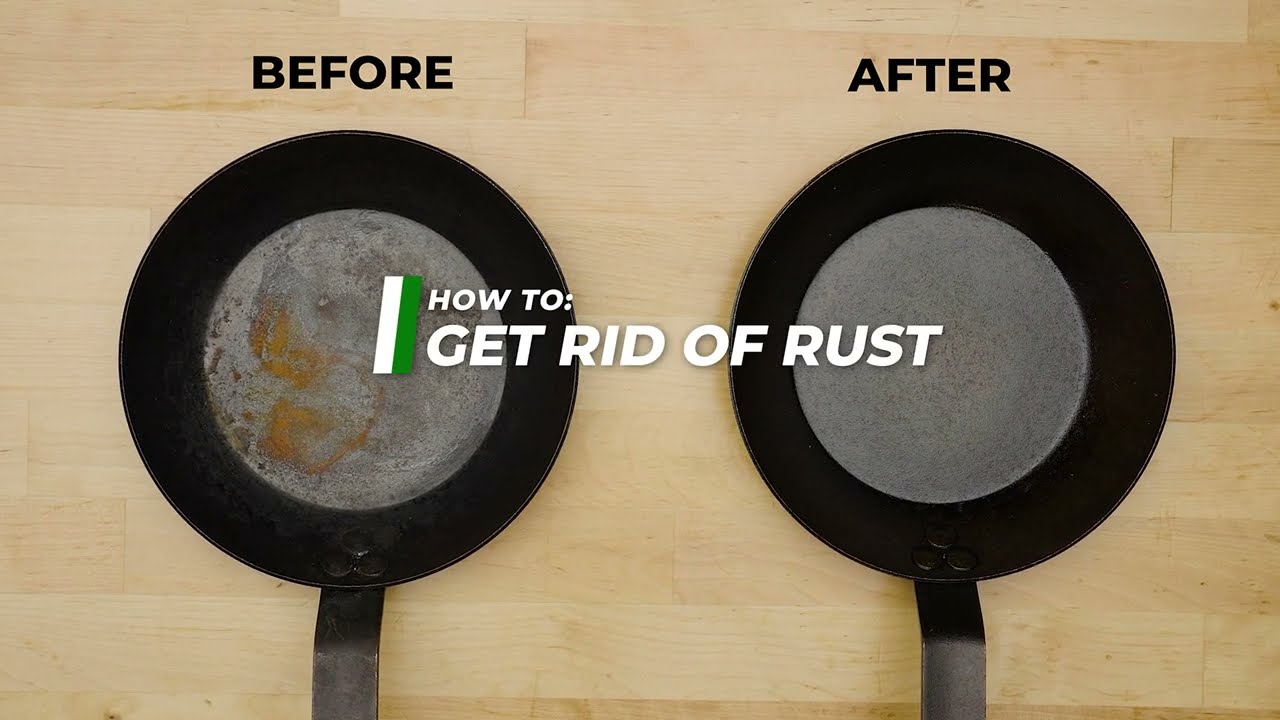
Vinegar is acidic and breaks down rust. Pour white vinegar into a container. Soak the rusty cookware for a few hours. After soaking, scrub the rust gently with a brush. Rinse well with water and dry completely.
Baking Soda Paste Technique
Baking soda is mild and non-toxic. Mix baking soda with water to form a thick paste. Apply the paste on rusty spots. Let it sit for about an hour. Scrub with a soft brush or sponge. Rinse and dry the cookware thoroughly.
Lemon And Salt Scrub
Lemon’s acidity helps lift rust. Sprinkle salt over the rusted area. Cut a lemon in half and rub it on the salt. Scrub gently to remove rust. Let it rest for a few minutes. Rinse with water and dry well.
Credit: www.youtube.com
Chemical Rust Removers
Chemical rust removers are effective for cleaning rusty cookware fast. These products use special ingredients to break down rust. They work well on tough, old rust stains that scrubbing can’t remove. Using chemical removers saves time and effort.
Many rust removers are safe for metal cookware if used correctly. Always follow the instructions on the label. Some products may not suit all types of cookware, so check carefully before use.
Choosing The Right Product
Pick a rust remover made for cookware or kitchen use. Avoid harsh chemicals that can damage metal or leave harmful residues. Look for products that mention safety for cast iron, stainless steel, or aluminum. Read reviews to find reliable brands. Choose a remover that matches your cookware type and rust severity.
Application Steps
First, clean the cookware to remove dirt and grease. Apply the rust remover using a sponge or brush. Spread it evenly on the rusty areas. Let it sit for the time recommended on the label. Use a soft brush or cloth to scrub off loosened rust. Rinse the cookware thoroughly with water. Dry completely to stop new rust from forming.
Handling And Disposal
Wear gloves to protect your skin from chemicals. Work in a well-ventilated area to avoid strong fumes. Store leftover rust remover away from children and pets. Do not pour chemicals down the drain unless the label says it is safe. Follow local rules for disposing of chemical products. Proper handling keeps you and the environment safe.
Mechanical Rust Removal
Mechanical rust removal is a simple way to clean rust from cookware. It uses physical tools to scrape off rust. This method works well for small rust spots. It restores the metal surface quickly. No chemicals are needed, making it safe and natural.
Scrubbing With Steel Wool
Steel wool is a popular tool for rust removal. It has fine metal strands that scrape off rust easily. Rub the rusty area gently in a circular motion. This breaks the rust and lifts it from the metal. Rinse the cookware after scrubbing to remove debris. Steel wool can also polish the surface for a smooth finish.
Using Sandpaper Or Abrasive Pads
Sandpaper or abrasive pads help remove tougher rust layers. Choose a medium or fine grit to avoid scratching. Rub the rusty parts carefully with even pressure. This wears away rust and smooths the metal underneath. Clean the cookware with water to clear dust and rust bits. Sandpaper works well for larger rust patches on pots and pans.
Restoring And Seasoning Cookware
Restoring and seasoning cookware brings old pots and pans back to life. Rust can damage the surface and affect cooking quality. Removing rust is just the first step. Proper cleaning and seasoning protect your cookware and improve its performance.
Seasoning creates a natural non-stick layer. This layer helps prevent rust from returning. It also makes cooking easier and food taste better. Different types of cookware need different care after rust removal.
Cleaning After Rust Removal
Clean cookware thoroughly to remove rust particles. Use warm water and mild soap to wash it. Scrub gently with a soft brush or sponge. Avoid harsh cleaners that can damage the metal. Dry the cookware completely with a towel. Moisture can cause rust to come back.
Seasoning Cast Iron And Carbon Steel
Apply a thin coat of cooking oil on the surface. Use vegetable oil, flaxseed oil, or shortening. Heat the cookware in the oven or on the stove. This process bonds the oil to the metal. Repeat seasoning several times for a strong coating. The seasoned layer improves cooking and stops rust.
Maintaining Non-stick Surfaces
Non-stick cookware needs gentle care after rust removal. Avoid abrasive scrubbers or steel wool. Clean with soft sponges and mild detergent. Do not overheat the pan during seasoning. Use oils designed for non-stick surfaces. Proper maintenance keeps the coating safe and extends the life.
Preventing Future Rust
Preventing rust on cookware keeps your pots and pans safe and lasting longer. Rust happens when metal meets water and air. Stop rust by caring for your cookware right after use. Simple habits help protect your kitchen tools every day.
Proper Drying Techniques
Always dry cookware completely after washing. Use a clean, soft towel to wipe away all water. Avoid air drying, as moisture stays on the surface. For cast iron, heat it on low on the stove to dry fully. This removes any leftover dampness that causes rust.
Storage Tips
Store cookware in a dry place with good air flow. Avoid stacking wet pots or pans inside each other. Place paper towels between pans to absorb moisture. Keep lids off or slightly open to let air circulate. Use silica gel packs in cupboards to reduce humidity.
Regular Maintenance
Check cookware often for signs of rust or damage. Season cast iron regularly with oil to form a protective layer. Clean stainless steel pans with baking soda to remove stains. Fix small rust spots quickly to stop spreading. Regular care keeps your cookware in great shape.
Credit: localexpert.com.au
Frequently Asked Questions
How Can I Remove Rust From Cast Iron Cookware?
To remove rust from cast iron, scrub with steel wool or a wire brush. Rinse, dry thoroughly, and re-season with oil to restore the surface and prevent future rust.
What Household Items Remove Rust From Cookware Effectively?
Common items like baking soda, vinegar, and lemon juice work well. Apply, scrub gently, rinse, and dry to clean rust and protect your cookware.
Is It Safe To Eat Food Cooked In Rusty Cookware?
Cooking with rusty cookware is not safe. Rust can cause stomach issues. Always remove rust and restore cookware before use.
Can Rust Be Removed From Stainless Steel Cookware?
Yes, rust on stainless steel can be removed using baking soda paste or vinegar. Scrub gently, rinse, and dry to maintain the cookware’s shine.
Conclusion
Removing rust from cookware is simple with the right steps. Use gentle scrubbing tools and natural cleaners like vinegar or baking soda. Regular care keeps your pots and pans safe and lasting longer. Clean your cookware soon after spotting rust to stop damage.
A little effort brings back its shine and usability. Keep your kitchen tools rust-free and ready for cooking. Rust does not have to ruin your favorite cookware. Stay consistent and enjoy cooking with clean, safe pots.

Hello, This is Annie Walker, a 38-year-old blogger, founder, and editor of Cookware Guider from NY, USA. I am a cookware fanatic and passionate cooker. I love to cook with different types of cooking appliances (example: all types of cookware, rice cookers, slow cookers, etc) almost every day in my kitchen. I love to share my experience with my readers in my blog. Also, I enjoy helping people to solve their problems through my website. You can follow me on Twitter & Pinterest. To know details about my blog please check the about us page.