
Have you ever noticed a chip or crack in your favorite ceramic cookware and wondered if it’s still safe to use? Repairing ceramic cookware might seem tricky, but with the right tips, you can bring your pots and pans back to life.
Imagine saving money and avoiding waste by fixing your cookware yourself. In this guide, you’ll discover simple, effective steps to repair your ceramic pieces quickly and safely. Keep reading, and you’ll learn how to protect your investment and keep your kitchen running smoothly.

Credit: www.reddit.com
Assessing Damage
Assessing damage is the first step to repair ceramic cookware. It helps you understand the problem clearly. This way, you can decide the best way to fix it. Careful checking saves time and effort later.
Identifying Cracks And Chips
Look closely at the surface of the cookware. Tiny cracks can grow bigger with heat and use. Chips on the edges can cause cuts or break more. Use your fingers gently to feel for rough spots. A magnifying glass can help find small cracks.
Checking For Glaze Wear
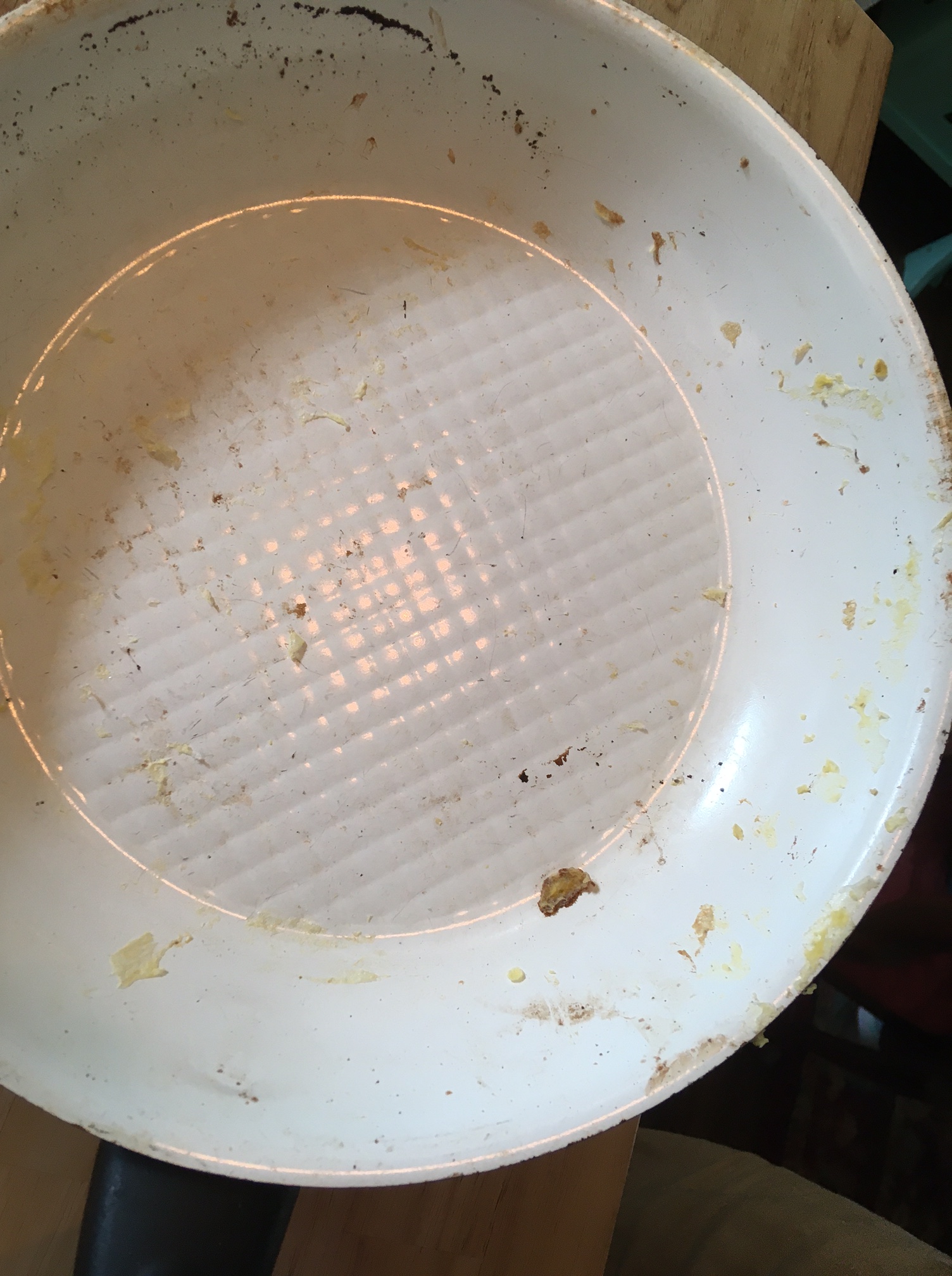
The glaze is the smooth, shiny layer on ceramic cookware. If it looks dull or rough, the glaze may be wearing off. Glaze wear can cause food to stick or stain. Check for discoloration or spots where the glaze is missing. These areas need extra care to avoid damage.
Evaluating Structural Integrity
Test if the cookware feels stable and strong. Tap it lightly and listen for a clear sound. A dull sound could mean internal damage. Check the handles and base for any looseness or cracks. Weak spots can cause accidents during cooking.
Gathering Repair Tools
Before starting to repair ceramic cookware, gather all needed tools. Having the right materials makes the process smooth and effective. It saves time and avoids frustration. Preparing your workspace and tools helps you focus on the repair.
Essential Materials
First, get a strong ceramic adhesive. This glue bonds broken pieces tightly. Pick a waterproof and heat-resistant type. Next, find fine sandpaper to smooth rough edges. Use a small brush to apply the adhesive carefully. A clean cloth helps wipe off extra glue. Also, keep gloves to protect your hands. Having all these materials ready speeds up the repair work.
Safety Precautions
Wear gloves to protect your skin from glue. Work in a well-ventilated area to avoid inhaling fumes. Avoid touching your face during the repair. Keep children and pets away from your workspace. Handle broken pieces carefully to prevent cuts. Follow the adhesive instructions for safe use. Safety keeps the repair process safe and comfortable.
Fixing Minor Chips
Minor chips on ceramic cookware can reduce its beauty and cause more damage. Fixing these small chips early helps keep your cookware safe and lasting longer. The repair process involves cleaning the area, applying food-safe epoxy, and smoothing the surface. Each step needs care and patience.
Cleaning The Area
First, clean the chipped spot thoroughly. Use warm water and mild soap to remove dirt and grease. Dry the area completely with a soft cloth. Any dust or moisture can stop the epoxy from sticking well. Make sure the surface is clean and dry before moving on.
Applying Food-safe Epoxy
Choose a food-safe epoxy for repairing ceramic cookware. Mix the epoxy according to the instructions. Use a small tool or toothpick to apply it carefully into the chip. Fill the chip fully and smooth the top gently. Avoid using too much epoxy to prevent lumps.
Sanding And Smoothing
After the epoxy dries, sand the repaired area lightly. Use fine-grit sandpaper to smooth the surface. Sand until the repair blends with the cookware’s surface. Wipe away dust with a clean cloth. This step makes the repair less visible and safe to touch.
Credit: www.reddit.com
Sealing Hairline Cracks
Hairline cracks in ceramic cookware can cause leaks and reduce the cookware’s life. These small cracks need careful sealing to keep the cookware safe and usable. Sealing hairline cracks stops them from growing larger and helps keep food fresh during cooking. Use the right method and materials to fix these cracks properly.
Using Ceramic Sealants
Ceramic sealants are special glue made for ceramic repairs. They fill hairline cracks and harden to block moisture. Clean the cookware surface before applying the sealant. Use a small brush or toothpick to spread the sealant into the crack. Avoid using too much. Let the sealant cover the crack fully and smooth it out. Choose a food-safe sealant to avoid health risks.
Curing Process
The curing process makes the sealant hard and durable. Follow the sealant package instructions for best results. Usually, curing takes several hours at room temperature. Some sealants need baking in an oven. Place the cookware on a baking tray and heat gently. Allow it to cool down before use. Proper curing ensures the crack stays sealed during cooking.
Restoring Glaze
Restoring the glaze on ceramic cookware improves its look and function. The glaze protects the ceramic surface from stains and damage. Over time, chips or cracks may appear, making the cookware less safe and less attractive. Repairing the glaze brings back its smooth finish and helps stop further damage. This section explains how to choose the right touch-up paint and apply it correctly.
Choosing The Right Touch-up Paint
Use paint made specifically for ceramic surfaces. These paints are heat-resistant and safe for cookware. Check the label to confirm it is non-toxic and food-safe. Pick a color that matches your cookware’s original shade. Test the paint on a small hidden area first. This step ensures the color matches well and adheres properly.
Application Techniques
Clean the damaged area before applying paint. Remove all dirt and grease with mild soap and water. Dry the surface completely. Use a fine brush or toothpick for small chips. Apply thin layers of paint slowly. Let each layer dry before adding the next. Avoid thick coats to prevent cracking. After painting, allow the cookware to cure as per the paint instructions. This process strengthens the repair and protects the glaze.
Preventing Future Damage
Preventing future damage to ceramic cookware helps extend its life and keeps it safe to use. Taking simple steps can stop cracks, chips, and stains from forming. Careful handling and regular maintenance make a big difference. Protect your investment by following easy tips.
Proper Cleaning Methods
Clean ceramic cookware with warm water and mild soap. Avoid harsh chemicals or abrasive scrubbers. Use a soft sponge or cloth to wipe the surface gently. Let the cookware cool before washing to prevent thermal shock. Dry completely to avoid water spots and stains. Regular cleaning keeps the ceramic smooth and strong.
Safe Usage Tips
Use low to medium heat for cooking. High heat can cause cracks and damage the ceramic glaze. Avoid sudden temperature changes, like placing hot cookware in cold water. Use wooden or silicone utensils to prevent scratches. Store cookware carefully to avoid bumps and drops. These simple habits protect your ceramic pots and pans for years.
Credit: economistwritingeveryday.com
Frequently Asked Questions
How Can I Fix Cracks In Ceramic Cookware?
Small cracks can be sealed using food-safe epoxy resin. Clean the area, apply epoxy, and let it cure fully before use. Avoid using cracked cookware for high-heat cooking to prevent further damage and potential health risks.
Is It Safe To Use Ceramic Cookware After Repair?
Yes, if repaired properly with food-safe materials, ceramic cookware is safe to use. Ensure no cracks remain open and the repair is fully hardened. Always test the cookware gently before regular cooking.
What Products Are Best For Ceramic Cookware Repair?
Food-safe epoxy resin or ceramic repair kits are best. These products bond well and withstand heat. Avoid using superglue or non-food-safe adhesives to prevent contamination or damage.
Can I Restore The Non-stick Surface Of Ceramic Cookware?
Yes, minor scratches can be smoothed with fine sandpaper and polished. For deeper damage, consider professional recoating or replacement. Always season your ceramic cookware to maintain its non-stick properties.
Conclusion
Repairing ceramic cookware saves money and reduces waste. Small chips or cracks can often be fixed at home. Use safe materials like food-grade epoxy for best results. Clean the cookware well before starting any repair. Take your time to follow each step carefully.
This helps your cookware last longer and stay useful. Proper care also prevents future damage. Keep your kitchen tools in good shape with simple repairs. Try these tips and enjoy cooking with your fixed ceramic pots.

Hello, This is Annie Walker, a 38-year-old blogger, founder, and editor of Cookware Guider from NY, USA. I am a cookware fanatic and passionate cooker. I love to cook with different types of cooking appliances (example: all types of cookware, rice cookers, slow cookers, etc) almost every day in my kitchen. I love to share my experience with my readers in my blog. Also, I enjoy helping people to solve their problems through my website. You can follow me on Twitter & Pinterest. To know details about my blog please check the about us page.