
A glass cooktop can make your kitchen look modern and stylish. But over time, these smooth surfaces often get stained, scratched, or cloudy. Many people feel frustrated when their cooktop starts looking dull, even after cleaning. The good news is: you can restore most glass cooktops to look almost like new, without calling a professional. With the right tools, products, and methods, you can remove stains, polish out light scratches, and bring back the original shine. This guide will show you step-by-step how to restore your glass cooktop, even if you’re not a cleaning expert.
Understanding Glass Cooktop Damage
Before you start, it helps to know what you’re dealing with. Glass cooktops are made from ceramic glass, which is strong but not unbreakable. Daily use can leave behind several kinds of marks:
- Burnt-on stains from food spills and melted sugar
- Mineral deposits from hard water
- Scratches from rough pans or cleaning pads
- Cloudiness from repeated cooking and poor cleaning
Knowing what type of damage you have will help you choose the right products and methods.
Common Causes Of Damage
- Dragging pots and pans—especially rough-bottomed ones—can scratch the surface.
- Spilling sugary foods (like jam or caramel) and not cleaning quickly can lead to stubborn, burnt-on stains.
- Using the wrong cleaners like abrasive powders or steel wool can create tiny scratches.
- Boiling water from hard water areas can leave white spots or a cloudy layer.
Understanding these causes helps you prevent future damage after you restore your cooktop.
Essential Tools And Products
Restoring a glass cooktop is much easier with the right tools. You don’t need expensive equipment, but you should avoid anything too harsh or abrasive.
Here’s a list of what you’ll need:
- Razor scraper (with a new blade)
- Non-scratch cleaning pad or sponge
- Cooktop cleaner (commercial cream or paste)
- Microfiber cloths
- Baking soda
- White vinegar
- Distilled water (for rinsing)
- Polishing compound (optional, for scratches)
- Rubber gloves
Comparing Cleaning Products
Below is a comparison of common cooktop cleaning products and their best uses.
| Product | Best For | Notes |
|---|---|---|
| Ceramic Cooktop Cream | Everyday stains, shine | Safe, gentle, widely available |
| Baking Soda | Stubborn stains, mild abrasion | Mix with water for a paste |
| White Vinegar | Mineral deposits, shine | Natural, but can’t remove burnt food alone |
| Polishing Compound | Light scratches | Use sparingly; not for deep scratches |
Using the right product for the right problem will save you time and prevent further damage.
Step-by-step Restoration Process
Now, let’s go through the full process to restore your glass cooktop. Each step matters, so don’t rush.
1. Preparation And Safety
- Make sure the cooktop is completely cool.
- Unplug or turn off the stove, if possible.
- Put on rubber gloves to protect your hands.
- Remove any loose debris with a soft, dry cloth.
Never use the cooktop while cleaning. Water and cleaning products can cause electric shock or damage.
2. Remove Burnt-on Stains
Some stains don’t come off with regular wiping. Here’s how to handle them:
- Apply a cooktop cleaner cream to the stained area.
- Let it sit for 5–10 minutes.
- Gently use a razor scraper at a 45-degree angle to lift burnt food. Always move in one direction, not back and forth.
- Wipe away the loosened residue with a damp microfiber cloth.
- Repeat if needed, but don’t apply too much pressure.
Non-obvious tip: Always use a new blade in your scraper. Dull blades can scratch the glass or leave streaks.
3. Tackle Mineral Deposits And Cloudiness
Hard water leaves behind white spots or a hazy look. To remove them:
- Mix equal parts white vinegar and distilled water.
- Soak a cloth in the mix and lay it over the affected area for 10 minutes.
- Wipe the area with the cloth, using small circular motions.
- Dry with a clean microfiber towel.
This method is safe and doesn’t damage the glass. Don’t use regular tap water, as it can add more minerals.
4. Clean Surface Stains And Light Film
For everyday stains or greasy marks:
- Sprinkle baking soda over the cooktop.
- Spray or dab with a little water until it forms a paste.
- Use a non-scratch pad to gently scrub in circles.
- Wipe away the paste with a damp cloth, then dry.
Baking soda is mildly abrasive but safe for glass if you don’t scrub too hard.
5. Polish Out Light Scratches
Light scratches can make your cooktop look older than it is. While deep scratches can’t be removed, you can reduce the look of small ones:
- Apply a small amount of ceramic cooktop polish or a non-abrasive polishing compound.
- Rub gently with a microfiber cloth in a circular motion for 2–3 minutes.
- Buff with a clean, dry cloth.
Pro tip: Don’t over-polish. Too much pressure or too frequent polishing can wear down the glass over time.
6. Final Rinse And Shine
Finish by wiping the entire cooktop with a cloth dampened in distilled water. This removes any cleaner residue. Buff with a dry microfiber towel for a streak-free shine.
Dealing With Deeper Problems
Some issues need more than cleaning:
- Deep scratches: These usually can’t be repaired at home. Replacing the glass is often the safest choice.
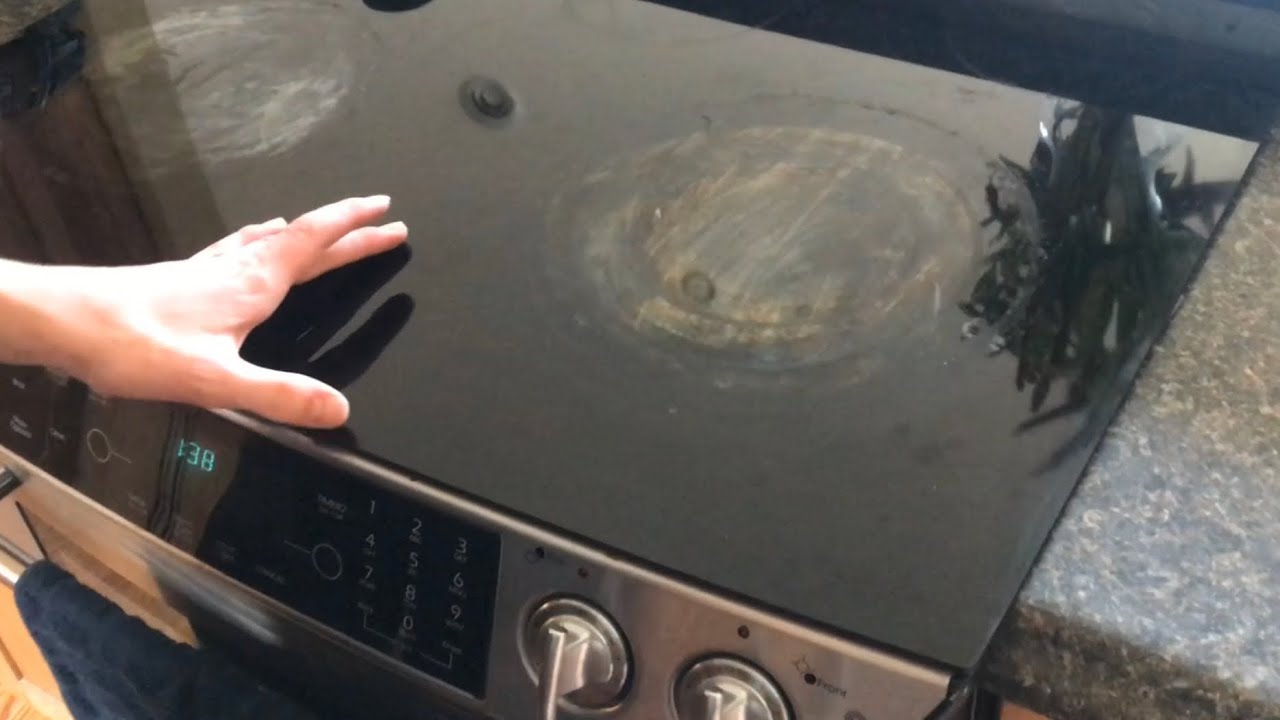
- Cracks or chips: Stop using the cooktop right away. Cracks can spread and become dangerous.
- Yellow or rainbow stains: These may be from overheating or metal marks. Try a cooktop cleaner and, if needed, contact the manufacturer.
When To Call A Professional
If you have:
- Cracks you can feel with your fingernail
- Discoloration that won’t come out
- Trouble with the cooktop heating evenly
…it’s time to call a technician. Using a damaged glass cooktop can be unsafe.
Credit: www.youtube.com
Preventing Future Damage
Restoring your cooktop is only half the job. Keeping it looking good is much easier if you follow a few simple tips.
Best Practices For Daily Use
- Use flat-bottomed pans to spread heat evenly.
- Lift pots and pans—don’t slide them.
- Clean spills as soon as the surface cools.
- Avoid using aluminum foil or plastic wrap near the cooktop.
Safe Cleaning Habits
- Never use steel wool, abrasive powders, or harsh chemicals.
- Always use microfiber or soft sponges.
- Clean with a gentle motion—no need for heavy scrubbing.
Product Comparison: What To Use And Avoid
Here’s a quick look at safe vs. unsafe tools for glass cooktop cleaning.
| Safe Tools | Unsafe Tools |
|---|---|
| Microfiber cloth | Steel wool |
| Non-scratch pad | Powdered cleaners (unless labeled cooktop-safe) |
| Razor scraper (new blade) | Metal brushes |
| Cooktop cream | Bleach or ammonia |
Sticking to the right tools prevents new damage and keeps your restoration work lasting longer.
Mistakes To Avoid
Even with good intentions, some actions can make things worse. Here are the most common mistakes people make:
- Cleaning when hot: This can cause burns or crack the glass.
- Using too much force: Pushing hard with a scraper or sponge can leave scratches.
- Ignoring spills: Leaving sugary or acidic foods to bake onto the surface makes them much harder to remove later.
- Using colored sponges: Some sponges have colored dyes that can transfer to the glass when wet.
- Skipping regular cleaning: Waiting until the cooktop is very dirty makes restoration harder and sometimes impossible.
Credit: www.reddit.com
How Often Should You Restore Your Glass Cooktop?
You don’t need to do a full restoration every week. Here’s a simple maintenance schedule:
- After each use: Wipe down with a damp cloth, then dry.
- Weekly: Use a cooktop cleaner or baking soda paste for light stains.
- Monthly: Deep clean using the full restoration process if needed.
This routine keeps your cooktop looking its best and prevents most damage from becoming permanent.
Real-world Example
Let’s look at a typical situation. Maria, a busy mom, noticed her cooktop was always cloudy, no matter how much she wiped it. She tried regular kitchen spray, but the stains remained. After following the restoration steps above—using a razor scraper for burnt spots, white vinegar for mineral deposits, and a gentle polish for light scratches—her cooktop looked almost new.
She now cleans up spills as soon as the surface cools and uses only microfiber cloths. The difference is clear, and her kitchen feels brighter.
Non-obvious insight: Sometimes, the shine disappears not because of scratches, but because of layers of grease and minerals. Removing these can make a bigger difference than polishing.

Credit: www.reddit.com
Frequently Asked Questions
How Do I Remove Melted Plastic From My Glass Cooktop?
Turn off the cooktop and let it cool. Gently use a razor scraper to lift the plastic, moving in one direction. If some residue remains, apply a cooktop cleaner and let it sit, then wipe away. Never use sharp knives or metal tools other than a scraper with a new blade.
Can I Use Vinegar And Baking Soda Together On A Glass Cooktop?
Yes, but don’t mix them directly. Use baking soda as a gentle scrub, then rinse. Afterward, use vinegar to remove any remaining mineral deposits. Mixing them forms a mild fizz, which is not harmful, but it’s more effective to use them separately for specific problems.
Is It Safe To Use Magic Erasers On A Glass Cooktop?
Magic erasers are generally safe if used gently, but they are mildly abrasive. Test on a small spot first. Don’t rub too hard, as you could dull the shine over time.
What Should I Do If I Have A Deep Scratch Or Crack?
Deep scratches and cracks can’t be fixed at home. Stop using the cooktop and contact a technician or the manufacturer. Using a damaged cooktop can be dangerous.
Where Can I Find More Information About Glass Cooktop Care?
For more details and safety advice, visit the Wikipedia page on glass-ceramic technology.
Restoring your glass cooktop is possible with patience and the right methods. With a little effort, you can enjoy a sparkling, safe, and modern kitchen surface for years to come.

Hello, This is Annie Walker, a 38-year-old blogger, founder, and editor of Cookware Guider from NY, USA. I am a cookware fanatic and passionate cooker. I love to cook with different types of cooking appliances (example: all types of cookware, rice cookers, slow cookers, etc) almost every day in my kitchen. I love to share my experience with my readers in my blog. Also, I enjoy helping people to solve their problems through my website. You can follow me on Twitter & Pinterest. To know details about my blog please check the about us page.