
If you love cooking with cast iron, you know how important it is to keep your cookware in top shape. Seasoning your cast iron in the oven is the secret to making it non-stick, rust-free, and ready for every meal.
But how do you do it right? In this guide, you’ll learn simple steps to season your cast iron cookware perfectly at home. Follow along, and your pan will become your best kitchen companion, cooking better with every use. Keep reading to unlock the full potential of your cast iron!

Credit: www.bbcgoodfood.com
Choosing The Right Cast Iron
Picking the right cast iron pan is the first step to great seasoning. The pan you choose affects how well it holds heat and cooks food. Not all cast iron pans are the same. Some are new, while others have been used before. Each type needs a different approach before seasoning.
Knowing the difference helps you prepare your pan better. Cleanliness and condition matter a lot. A clean surface allows the oil to stick and build up layers. These layers create the non-stick coating cast iron is famous for. Let’s explore how to choose between new and used pans.
New Vs. Used Pans
New cast iron pans come with a factory coating. This coating protects the pan from rust but is not a proper seasoning. You must remove this layer before seasoning. New pans are usually smooth and free from rust.
Used pans may have old seasoning or rust spots. Some used pans need deep cleaning to remove old layers. Others may already have a good base for seasoning. Check for rust or sticky residue. The better the condition, the easier it is to season.
Cleaning Before Seasoning
Cleaning is key to good seasoning. Wash your pan with warm water and mild soap. Use a scrub brush or sponge to remove dirt. Avoid soaking the pan to stop rust.
For rusty pans, scrub with steel wool or a wire brush. Dry the pan completely before seasoning. Moisture can cause rust during the process. A clean, dry pan helps oil bond to the surface better.
Selecting The Best Oil
Choosing the right oil is key to seasoning cast iron cookware properly. The oil creates a protective layer that keeps food from sticking. It also prevents rust and helps the pan last longer. Not all oils work well for this process. The best oils have a high smoke point and dry well, forming a hard surface.
High Smoke Point Oils
Oils with a high smoke point can handle oven heat without burning. Burnt oil leaves a sticky or uneven coating. Good smoke points are above 400°F (204°C). Examples include grapeseed oil, avocado oil, and refined sunflower oil. These oils bake into a smooth, durable layer on the cast iron.
Common Oils For Seasoning
Many people use vegetable oil or canola oil for seasoning. These are easy to find and affordable. Flaxseed oil is popular because it dries hard and forms a strong coating. Olive oil has a lower smoke point and may not work as well for high heat. Choose oils that create a thin, even layer and resist sticking.
Preparing The Oven
Preparing the oven is the first step to season cast iron cookware properly. A well-prepared oven ensures the seasoning layer forms evenly. It helps the oil bake into the pan surface. This step is important for durability and non-stick quality.
Setting The Temperature
Preheat the oven to 450°F (230°C). This temperature is hot enough to polymerize the oil. It creates a strong, smooth coating on the cast iron. Avoid lower temperatures; they may not cure the oil fully. Higher temperatures can cause smoking and damage the pan.
Using The Right Oven Rack
Place the oven rack in the middle position. This spot allows heat to circulate evenly around the cookware. Avoid placing the pan too close to the top or bottom. The middle rack prevents uneven seasoning and burning. It also helps excess oil drip away during baking.
:max_bytes(150000):strip_icc()/__opt__aboutcom__coeus__resources__content_migration__serious_eats__seriouseats.com__images__2016__09__20160817-cast-iron-pan-vicky-wasik-3-c56f176298784fef9e60f6cea198e0e4.jpg)
Credit: www.seriouseats.com
Applying The Oil Layer
Applying the oil layer is a key step in seasoning cast iron cookware. This layer helps create a smooth, non-stick surface. It protects the pan from rust and improves cooking performance. The oil must cover the pan evenly for the best results. Too much oil can cause sticky spots. Too little oil will not protect the pan well. Follow simple steps to coat and wipe off excess oil carefully.
Coating The Pan Evenly
Start with a clean, dry cast iron pan. Pour a small amount of oil onto the pan’s surface. Use a cloth or paper towel to spread the oil. Cover the entire inside surface, including the sides. Make thin, even strokes to avoid thick spots. Don’t forget the handle and outside if you want full protection. The goal is a light, smooth coat over every part.
Removing Excess Oil
After coating, take a clean cloth or paper towel. Wipe off all extra oil until the pan looks dry. Excess oil can pool and form sticky or uneven patches. Wiping prevents oily buildup during baking. The pan should feel almost dry but still have a faint shine. This step ensures a hard, durable seasoning layer after heating.
Baking The Cast Iron
Baking the cast iron is a key step in seasoning your cookware. This process creates a strong, non-stick surface. Heat helps the oil bond to the cast iron. The oven’s dry heat forms a protective layer. Proper baking ensures your pan lasts longer and cooks better.
Duration For Seasoning
Set the oven temperature to 450-500°F (230-260°C). Place the pan upside down on the middle rack. Bake the pan for one hour. This time allows the oil to polymerize fully. Avoid opening the oven during baking. This keeps the heat steady and effective.
Allowing The Pan To Cool
Turn off the oven after baking. Let the pan cool inside the oven. Cooling slowly helps the seasoning set evenly. Avoid touching the pan until it is cool. This step prevents damage to the new coating. Once cool, your cast iron is ready for use or more seasoning layers.
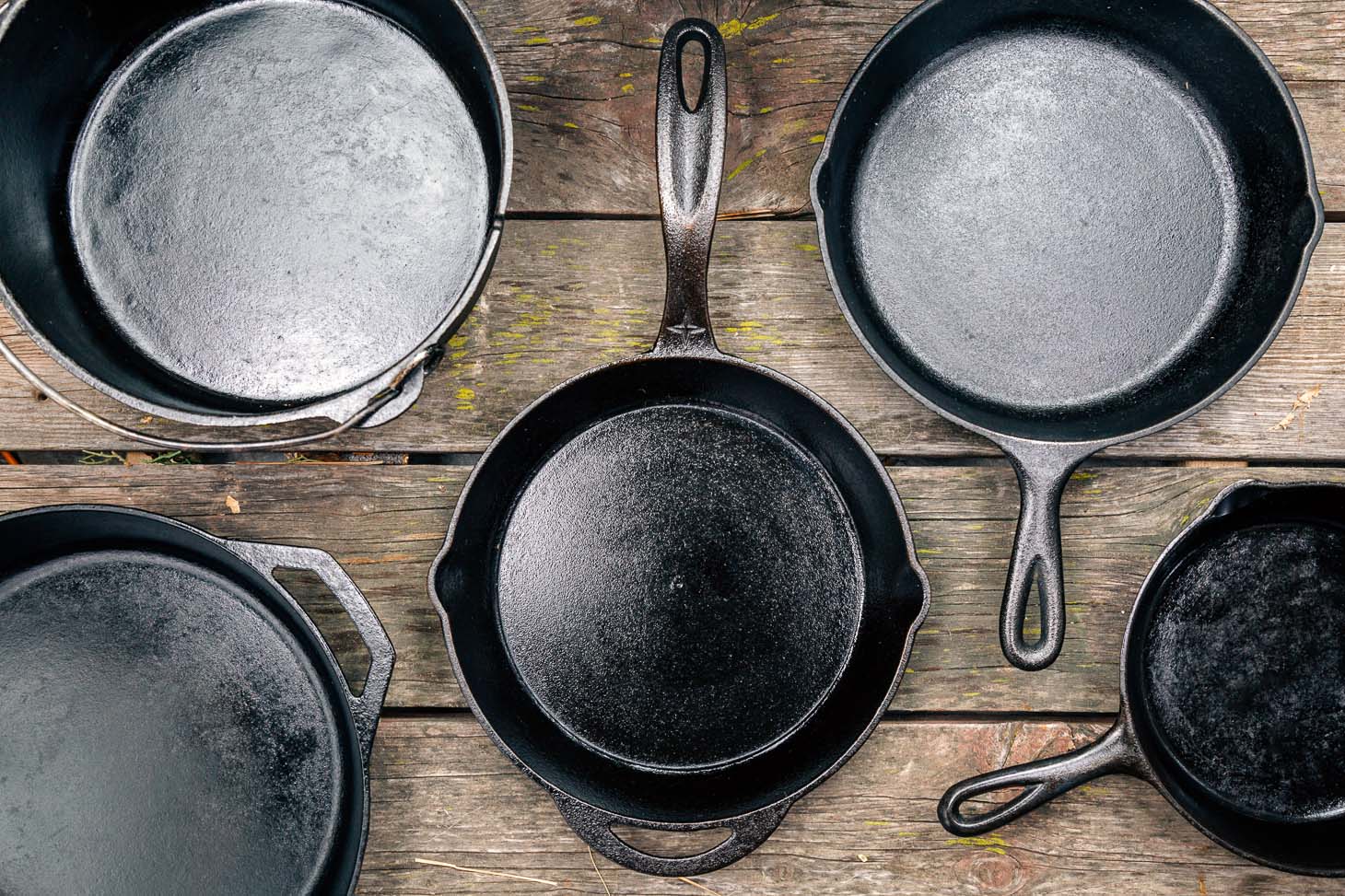
Credit: www.freshoffthegrid.com
Maintaining Your Seasoned Pan
Maintaining your seasoned cast iron pan keeps it cooking well and lasting long. A well-kept pan stays smooth and non-stick. It resists rust and improves flavor over time. Small efforts after each use protect your pan’s surface. Regular care saves time and avoids damage. Follow simple steps to keep your pan ready for every meal.
Cleaning Tips After Use
Clean your pan right after cooking. Use warm water and a soft brush or sponge. Avoid soap or harsh detergents. They can remove the seasoning layer. For stuck food, scrub with coarse salt and oil. Rinse with warm water and dry thoroughly. Never leave your pan wet. Heat it on the stove to remove moisture. This stops rust from forming. Store your pan in a dry place.
Re-seasoning When Needed
Re-season your pan if food starts sticking or it looks dull. Apply a thin layer of cooking oil over the surface. Use oils with high smoke points, like flaxseed or vegetable oil. Place the pan upside down in a preheated oven at 450°F (230°C). Bake for one hour, then turn off the oven and let the pan cool inside. Repeat this process every few months or after heavy use. This restores the non-stick surface and protects the pan.
Frequently Asked Questions
How Often Should I Season Cast Iron Cookware?
Season your cast iron cookware every 3 to 6 months. Frequent use may require more seasoning. Regular seasoning maintains its non-stick surface and prevents rusting.
What Oil Is Best For Seasoning Cast Iron?
Use oils with high smoke points like flaxseed, vegetable, or canola oil. These oils create a durable, non-stick coating when baked in the oven.
Can I Season Cast Iron Cookware Without An Oven?
Yes, you can season cast iron on the stovetop. Heat oil on low until it smokes, then let it cool. However, oven seasoning is more even and effective.
How Long Does The Seasoning Process Take In The Oven?
The oven seasoning process usually takes about one hour. Preheat oven to 450°F, apply oil, and bake cookware upside down for best results.
Conclusion
Seasoning cast iron in the oven keeps your cookware strong and smooth. It stops food from sticking and helps avoid rust. Just follow the steps carefully for the best results. A well-seasoned pan lasts for many years. Enjoy cooking with your cast iron and keep it ready for every meal.
Simple care makes a big difference. Try seasoning today and see how your pan improves.

Hello, This is Annie Walker, a 38-year-old blogger, founder, and editor of Cookware Guider from NY, USA. I am a cookware fanatic and passionate cooker. I love to cook with different types of cooking appliances (example: all types of cookware, rice cookers, slow cookers, etc) almost every day in my kitchen. I love to share my experience with my readers in my blog. Also, I enjoy helping people to solve their problems through my website. You can follow me on Twitter & Pinterest. To know details about my blog please check the about us page.