
Are you frustrated because your favorite non-induction cookware doesn’t work on your new induction cooktop? You’re not alone.
Many people face this exact challenge and wonder if there’s a simple way to keep using their trusted pots and pans without buying new ones. What if I told you there are easy tricks to make your non-induction cookware compatible with your induction stove?
Keep reading, and you’ll discover practical solutions that save you money and bring back the joy of cooking with your favorite tools. Don’t let your induction cooktop limit your kitchen creativity—let’s unlock its full potential together.
Credit: www.frigidairearabia.com
Why Induction Needs Specific Cookware
Induction cooktops need special cookware to work properly. Not all pots and pans heat up on induction stoves. This is because induction uses a different way to create heat. Understanding why induction requires specific cookware helps to use your stove safely and efficiently.
Magnetic Cookware Basics
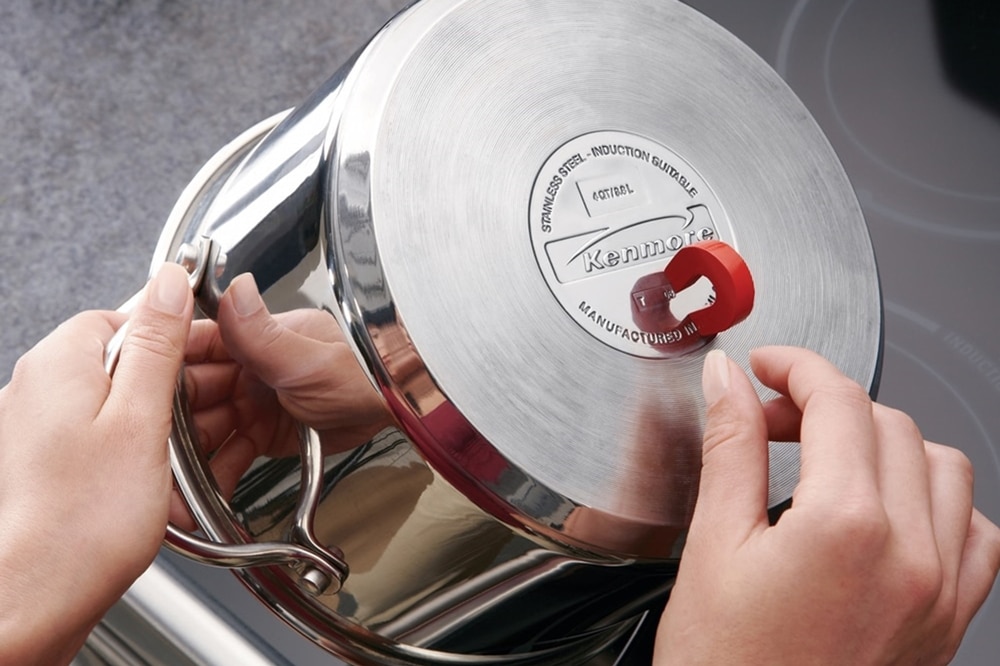
Induction cooktops use magnets to heat your food. The cookware must be magnetic for the stove to work. Cast iron and some stainless steel pots have this magnetic property. Aluminum, glass, or copper pans usually do not work unless they have a magnetic base.
You can test if your cookware is magnetic. Just hold a magnet to the bottom of the pan. If it sticks well, the cookware will work on an induction stove. If not, the pan will not heat up.
How Induction Cooktops Work
Induction cooktops use electric currents to create heat. The cooktop sends energy through a coil under the glass surface. This energy creates a magnetic field that heats the cookware directly. The cooktop itself stays cool because the heat comes from the pan.
This process needs cookware that can carry the magnetic field. Without magnetic cookware, no heat is produced. This is why non-induction cookware does not work on these stoves.
Identifying Non-induction Cookware
Knowing which cookware works on an induction cooktop is important. Induction cooktops need pots and pans that can attract magnets. This means not all cookware will heat up properly. Identifying non-induction cookware helps avoid frustration and wasted time.
This section explains how to spot common non-induction materials. It also shows a simple test you can do at home. This way, you can check your cookware easily.
Common Non-induction Materials
Some cookware materials do not work with induction cooktops. Glass, ceramic, and aluminum are popular but usually non-inductive. Copper pans are also common but often fail to work on induction. These materials do not contain iron, so magnets do not stick to them. Without magnetism, induction cooktops cannot heat these pots or pans.
Simple Magnet Test
Use a small magnet to test your cookware. Place the magnet on the bottom of the pan. If the magnet sticks well, the pan will work on induction. If it does not stick or falls off, the pan is non-induction. This test is quick and reliable. It helps you find out which pots and pans to use or replace.
Risks Of Using Non-induction Cookware
Using cookware that is not made for induction cooktops can cause several problems. These risks affect the cooktop, your food, and your safety. Understanding these dangers helps you avoid costly damage and accidents.
Damage To Cooktop
Non-induction cookware may scratch the cooktop surface. The glass or ceramic top can crack from uneven contact. Heat may not spread properly, causing hotspots that harm the cooktop. Repairs can be expensive and inconvenient.
Uneven Heating
Cookware not designed for induction heats unevenly. Food cooks in some spots but stays cold in others. This leads to poor cooking results and frustration. Some parts of the pot may stay cool while others get too hot.
Safety Hazards
Non-induction pots can cause the cooktop to overheat. Overheating may trigger burns or fires. The pot may become unstable and tip over easily. This creates a risk of spills and injuries in the kitchen.

Credit: www.youtube.com
Safe Workarounds For Non-induction Cookware
Non-induction cookware does not work directly on induction cooktops. These cooktops need magnetic materials to heat up. Safe workarounds help use your favorite pots and pans without damage. These methods protect both the cookware and the cooktop.
Using Induction Interface Discs
Induction interface discs act as a bridge between your cookware and the cooktop. These discs are made of magnetic stainless steel. Place the disc on the cooktop, then put your non-induction pot on top. The disc heats up and transfers heat to the cookware. This method keeps your cooktop safe and your food cooking evenly.
Employing Heat Diffusers
Heat diffusers spread heat evenly across the cookware base. They are thin metal plates placed between the cooktop and pot. Heat diffusers reduce hot spots and protect fragile cookware. Use them to avoid warping or burning. These devices work well for glass or ceramic pots on induction surfaces.
Alternative Cooking Methods
Some dishes can be prepared without direct heat on the induction cooktop. Try slow cooking, steaming, or using an electric hot plate. These methods avoid the limitations of non-induction cookware. They allow you to cook safely without buying new pots. Choose the best method based on your recipe and equipment.
Choosing Compatible Cookware
Choosing the right cookware is key to using a non-induction pan on an induction cooktop. Not all pots and pans work with induction surfaces. Cookware must have certain properties to heat properly and safely. Understanding these properties helps avoid damage and cooking frustration. This guide explains what materials and features make cookware compatible with induction cooktops.
Materials That Work Well
Induction cooktops heat by magnetic fields. Cookware must contain magnetic material to work. Cast iron and stainless steel often work well. These materials attract magnets and heat evenly. Aluminum, copper, and glass usually do not work alone. They lack the magnetic property needed to trigger heat. Some pans have a magnetic base added to solve this. Check if a magnet sticks to the pan bottom. If it does, the pan will work on induction.
Cookware Features To Look For
Cookware designed for induction often has a flat, smooth bottom. This helps with full contact and even heating. Avoid pans with warped or rounded bottoms. They reduce heat transfer and can damage the cooktop. Look for labels saying “induction compatible” or symbols showing a coil. Pans with layers of magnetic metal and heat-conductive materials perform best. Handles should stay cool and be secure for safety. Size matters too. Match pan size to cooktop zone for efficient heating.
Maintenance Tips For Cooktops
Maintaining your induction cooktop keeps it working well for a long time. Simple care steps help avoid damage and keep the surface clean. Clean cooktops look good and cook better. Follow these tips to keep your cooktop safe and smooth.
Cleaning After Use
Wait for the cooktop to cool before cleaning. Use a soft cloth or sponge with warm water. Mild dish soap works well to remove grease. Avoid harsh cleaners or abrasive pads that scratch the surface. Wipe spills quickly to prevent stains. Dry the surface thoroughly to avoid water spots.
Avoiding Scratches And Cracks
Lift pots and pans instead of sliding them. Use cookware with smooth bottoms to protect the glass. Avoid dropping heavy items on the cooktop. Do not use metal tools that can scratch the surface. Check cookware regularly for rough edges or damage. Handle the cooktop gently during cooking and cleaning.

Credit: stahlkitchens.com
Frequently Asked Questions
Can Non-induction Cookware Work On Induction Cooktops?
Non-induction cookware usually won’t work directly on induction cooktops. Induction requires magnetic materials like cast iron or stainless steel to generate heat.
How To Make Non-induction Pots Compatible With Induction?
Use an induction interface disk. Place it between the cooktop and your non-induction cookware. It transfers heat efficiently and protects your cooktop.
Will Using Adapters Affect Cooking Performance?
Adapters may slightly reduce heat efficiency and increase cooking time. However, they allow you to use non-induction pots safely on induction cooktops.
Are There Risks Using Non-induction Cookware On Induction Stoves?
Without proper adapters, non-induction cookware may not heat properly and can damage the cooktop’s surface or electronics over time.
Conclusion
Using non-induction cookware on an induction cooktop is possible with the right steps. A simple metal disk can help heat your pans. Always check your cookware’s base for compatibility. This method saves money and reduces waste. You still get fast and even cooking.
Keep your cooktop clean for best results. Now, you can enjoy your favorite pots and pans with ease. Cooking becomes simple and flexible. Try these tips and enjoy your meals more.

Hello, This is Annie Walker, a 38-year-old blogger, founder, and editor of Cookware Guider from NY, USA. I am a cookware fanatic and passionate cooker. I love to cook with different types of cooking appliances (example: all types of cookware, rice cookers, slow cookers, etc) almost every day in my kitchen. I love to share my experience with my readers in my blog. Also, I enjoy helping people to solve their problems through my website. You can follow me on Twitter & Pinterest. To know details about my blog please check the about us page.