
Choosing the right cookware can change the way you cook and enjoy meals. But with so many options out there, it’s easy to feel overwhelmed.
You want pots and pans that last, cook evenly, and fit your style. What if you could shop smarter and avoid costly mistakes? This guide will help you find cookware that matches your needs and budget, making every cooking experience better.
Keep reading to discover simple tips that will save you time, money, and frustration.
Types Of Cookware
Choosing the right cookware is key to good cooking. Different types of cookware suit different needs. Each type offers unique benefits and challenges. Knowing them helps you pick the best tools for your kitchen.
Nonstick Cookware
Nonstick pans stop food from sticking. They need little oil or butter. Cleaning them is quick and easy. Great for eggs, pancakes, and delicate foods. Avoid using metal utensils to keep the coating safe.
Stainless Steel Sets
Stainless steel is tough and long-lasting. It heats evenly and handles high heat well. Ideal for searing, sautéing, and boiling. It does not react with food, so flavors stay true. Requires a bit more oil to prevent sticking.
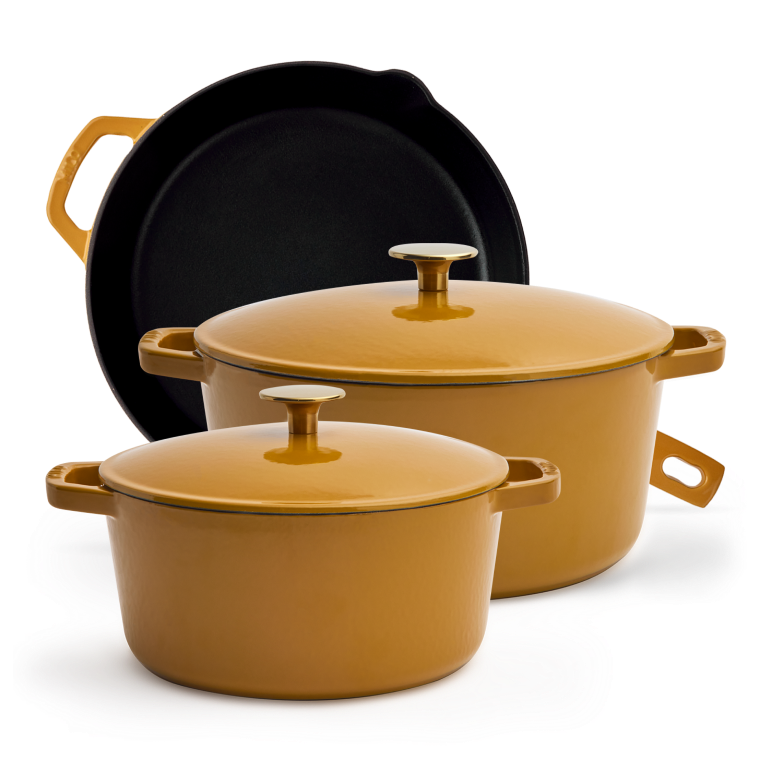
Cast Iron Pieces
Cast iron holds heat for a long time. It works well on stoves and in ovens. Perfect for frying, baking, and slow cooking. It needs seasoning to keep food from sticking. Heavy but very durable and can last generations.
Copper Options
Copper heats up quickly and cools fast. It gives precise temperature control. Often lined with stainless steel for safety. Copper cookware looks stylish in any kitchen. Requires regular polishing to keep its shine.
Ceramic Cookware
Ceramic pans have a smooth, nonstick surface. They are free from harmful chemicals. Good for low to medium heat cooking. Easy to clean and gentle on food. Not as durable as metal cookware but eco-friendly.

Credit: www.lecreuset.com
Choosing Cookware Materials
Choosing the right cookware material is key to cooking success. Different materials affect heat, durability, and food taste. Knowing what suits your kitchen style helps you pick the best set.
Durability Factors
Some materials last longer than others. Stainless steel resists dents and scratches well. Cast iron is tough and can last decades. Non-stick pans may wear out faster. Think about how often you cook and how rough you are with your tools.
Heat Conductivity
Good heat conductors cook food evenly. Copper and aluminum heat up quickly and spread heat well. Cast iron heats slowly but keeps heat for a long time. Stainless steel alone is a poor conductor but works well with layered bases.
Maintenance Needs
Some cookware needs more care. Cast iron requires seasoning to stay non-stick. Stainless steel is easy to clean and dishwasher safe. Non-stick pans need gentle washing to protect the coating. Choose a material that fits your cleaning habits.
Health Considerations
Materials can affect your food’s safety. Non-stick coatings may release fumes if overheated. Cast iron adds iron to your diet, which can be good or bad. Stainless steel is generally safe and does not react with food. Pick materials that keep your meals safe and healthy.
Essential Cookware Pieces
Choosing the right cookware pieces is key for any kitchen. Essential cookware makes cooking easier and more fun. Each piece serves a special purpose. Knowing which ones to buy helps you cook many recipes well.
Start with a few basics. These items fit most cooking styles and meals. They work on different stovetops and in ovens. Good quality cookware lasts for years. It also saves money by preventing frequent replacements.
Frying Pans And Skillets
Frying pans and skillets are must-haves. They cook foods quickly with high heat. Ideal for frying eggs, sautéing vegetables, and searing meat. Look for pans with a non-stick surface for easy cleaning. Choose different sizes for small or large meals.
Saucepans And Saucier Pans
Saucepans heat sauces, soups, and grains evenly. They often come with lids to trap heat. Saucier pans have rounded edges for easy stirring. Great for making risotto, custards, or sauces without burning. Pick pans with sturdy handles for safe use.
Stockpots And Dutch Ovens
Stockpots are large and deep. Perfect for boiling pasta, making stocks, or cooking soups. Dutch ovens are heavy pots that keep heat well. Great for slow cooking, braising, and baking. Both should have tight-fitting lids to keep moisture in.
Baking Dishes And Roasters
Baking dishes suit casseroles, lasagnas, and desserts. Roasters are made for roasting meats and vegetables evenly. Choose ceramic, glass, or metal depending on your needs. They must be oven-safe and easy to clean. These dishes expand your cooking options greatly.

Credit: madeincookware.com
Sizing Up Your Cookware
Choosing the right size for your cookware is essential for cooking well and saving space. The size affects how food cooks and how much you can prepare at once. Picking the right size pans and pots can make your cooking easier and more fun.
Pan Sizes For Different Meals
Small pans, about 8 inches, work great for frying eggs or making small meals. Medium pans, around 10 inches, suit everyday cooking like sautéing vegetables or cooking meat. Large pans, 12 inches or more, are good for big meals or when cooking for many people.
Consider how many people you cook for. Small pans waste energy if used for large meals. Large pans take longer to heat when used for small portions.
Storage Space Tips
Cookware takes up space in your kitchen. Measure your cabinet or shelf space before buying. Stack pots and pans to save room. Use lids that can stand or hang to avoid clutter.
Choose nesting sets that fit inside each other. This saves space and keeps your kitchen tidy. Avoid buying too many sizes if you have limited storage.
Matching Cookware To Cooktop Types
Your cooktop affects the type and size of cookware you need. Gas stoves work well with most pans and pots. Electric stoves require flat-bottom cookware for even heating.
Induction cooktops need magnetic cookware like cast iron or stainless steel. Check if your pans fit well on the burner size. This helps food cook evenly and saves energy.
Cookware Features To Look For
Choosing the right cookware means checking its important features. These features affect how well the cookware works and how long it lasts. Focus on handles, lids, oven safety, and stove compatibility. These details make cooking easier and safer.
Handles And Lids
Handles should feel strong and stay cool while cooking. Look for handles that are easy to grip. Lids need to fit tightly to keep heat and moisture inside. Glass lids help you watch your food without lifting them. Metal lids are good for oven use.
Oven Safety
Check if your cookware can go in the oven. Not all pots and pans are oven-safe. Heat-proof handles and lids are important for oven cooking. Know the maximum temperature your cookware can handle. This keeps your kitchen safe and your food cooked well.
Compatibility With Induction Stoves
Induction stoves need special cookware with magnetic bottoms. Test with a magnet to see if your cookware works. Cookware made of stainless steel or cast iron usually fits. Non-compatible cookware won’t heat on induction stoves. This feature saves time and energy.
Budgeting For Cookware
Setting a budget for cookware helps control costs and ensures smart choices. Knowing how much to spend guides your shopping and avoids overspending. Budgeting helps balance between quality and price for better cooking tools.
Investing In Quality Vs Quantity
High-quality cookware lasts longer and performs better. Buying a few good pieces beats many cheap ones. Quality pots and pans heat evenly and resist damage. Cheap sets may wear out fast and waste money. Choose durable items for daily use and save in the long run.
Affordable Brands With Good Reviews
Many brands offer affordable cookware with positive feedback. Reading reviews helps find reliable, budget-friendly options. Some brands balance price and quality well. Look for materials like stainless steel or non-stick with good ratings. Affordable does not mean low quality if you research well.
When To Splurge Or Save
Spend more on items used often, like frying pans. Save on tools used less or for special tasks. Prioritize buying a strong base set first. Specialty pieces can wait until the budget allows. Smart spending focuses on needs and cooking habits.
Caring For Your Cookware
Caring for your cookware keeps it in good shape for years. Proper care improves cooking results and saves money. Each type of cookware needs special attention to stay strong and safe.
Cleaning Tips
Clean cookware after every use to stop food from sticking. Use warm water and mild soap with a soft sponge. Avoid steel wool or harsh scrubbers that scratch surfaces. For stuck-on food, soak the pan in warm water first. Dry thoroughly to prevent rust or water spots.
Seasoning Cast Iron
Cast iron needs seasoning to stay non-stick and rust-free. Rub a thin layer of oil on the surface. Heat the pan in the oven for about one hour. Repeat this process often to keep the layer strong. Avoid soap when cleaning seasoned cast iron; use hot water instead.
Avoiding Common Damages
Do not use metal utensils on non-stick cookware to avoid scratches. Avoid sudden temperature changes to prevent warping. Store cookware with care, stacking pans with soft cloth between them. Keep handles tight and check for loose screws regularly.
Credit: kanalifestyle.com
Where To Buy Cookware
Finding the right place to buy cookware can make your shopping easier and more fun. Different stores offer different types of pots, pans, and sets. Some places have a wide variety, while others focus on quality or price. Knowing where to shop helps you get the best cookware for your kitchen.
Online Marketplaces
Online marketplaces have many cookware options. You can compare brands, prices, and reviews all in one place. Shopping online saves time and lets you explore products from home. Look for trusted websites with good return policies. Free shipping deals can also help you save money.
Specialty Kitchen Stores
Specialty kitchen stores offer high-quality cookware. Staff often know a lot and can give useful advice. You can see and touch the products before buying. These stores may sell unique or professional-grade items. Prices might be higher, but the quality is usually better.
Secondhand And Outlet Options
Secondhand shops and outlet stores are great for bargains. You can find gently used or discounted cookware sets. These places often carry name brands at lower prices. Check for any damage or wear before buying. Shopping here helps you save money without losing quality.
Frequently Asked Questions
What Materials Are Best For Durable Cookware?
Stainless steel and cast iron are top durable choices. Stainless steel resists rust and offers even heating. Cast iron retains heat well and improves with seasoning. Both materials suit various cooking styles and last long with proper care.
How Do I Choose The Right Cookware Size?
Select cookware sizes based on your family size and cooking habits. Small pots suit singles or couples, while larger pans fit families. Consider your stove size and storage space to ensure convenience and efficiency during cooking.
Are Non-stick Pans Safe For Everyday Use?
Yes, non-stick pans are safe if used correctly. Avoid high heat to prevent coating damage. Use wooden or silicone utensils to protect the surface. Non-stick cookware offers easy cleaning and requires less oil, promoting healthier cooking.
What Features Should I Look For In Cookware Sets?
Look for sets with varied sizes and types of pots and pans. Ensure lids fit well and handles stay cool. Oven-safe and dishwasher-safe features add convenience. Quality cookware sets balance durability, versatility, and ease of maintenance.
Conclusion
Choosing the right cookware makes cooking easier and more fun. Think about the materials and your cooking style first. Pick pieces that fit your budget and kitchen space. Quality cookware lasts longer and saves money over time. Take your time to compare brands and read reviews.
Your perfect cookware helps create tasty meals every day. Start shopping with confidence and enjoy cooking more!

Hello, This is Annie Walker, a 38-year-old blogger, founder, and editor of Cookware Guider from NY, USA. I am a cookware fanatic and passionate cooker. I love to cook with different types of cooking appliances (example: all types of cookware, rice cookers, slow cookers, etc) almost every day in my kitchen. I love to share my experience with my readers in my blog. Also, I enjoy helping people to solve their problems through my website. You can follow me on Twitter & Pinterest. To know details about my blog please check the about us page.