
Your non-stick cookware makes cooking easier and cleanup faster. But if you don’t take care of it properly, it can lose its magic quickly.
Imagine your favorite pan scratching, peeling, or losing its smooth surface just after a few uses. That’s frustrating, right? The good news is, with a few simple steps, you can keep your non-stick pots and pans looking and performing like new for years.
Ready to learn how to protect your investment and make every meal a joy? Keep reading, because taking care of your non-stick cookware is easier than you think.
Credit: learn.surlatable.com
Choosing The Right Cookware
Choosing the right cookware sets the stage for easy cooking and longer pan life. Non-stick pans vary a lot in quality and features. Picking the right one helps avoid common problems like peeling or uneven heating. Good cookware saves money and time.
Materials And Coatings
Non-stick pans use different materials and coatings. Most common bases are aluminum and stainless steel. Aluminum heats quickly but can warp if thin. Stainless steel is durable but often heavier.
The coating is what makes a pan non-stick. PTFE (Teflon) is popular for smooth release of food. Ceramic coatings are natural and free from chemicals. Each coating has pros and cons for heat and care.
Recognizing Quality Non-stick Pans
High-quality pans have thick bases for even heat. Check if the coating feels smooth and well-applied. Poor coatings can peel or scratch easily. Look for pans with strong handles that don’t wobble.
Trusted brands offer warranties and clear care instructions. Avoid very cheap pans as they often wear fast. A good pan feels solid and balanced in your hand.
Proper Cleaning Techniques
Proper cleaning techniques keep non stick cookware safe and last longer. Clean it right after cooking to stop food from sticking. Use gentle methods to protect the coating. Harsh cleaning can damage the surface and ruin your pan.
Hand Washing Vs Dishwasher
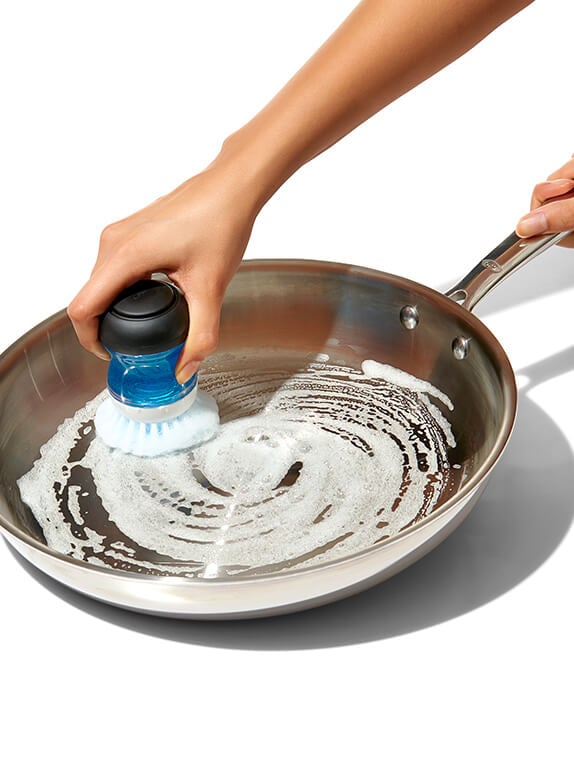
Hand washing is best for non stick pans. Use warm water and mild soap. Avoid soaking for too long. Dishwashers use strong detergents and high heat. These can wear down the coating fast. Hand wash to keep your pan smooth and shiny.
Safe Cleaning Tools
Soft sponges or cloths work well on non stick surfaces. Avoid steel wool or rough scrubbers. They scratch and harm the coating. Plastic or silicone scrubbers are gentle and effective. Use wooden or plastic utensils during cleaning to avoid damage.
Removing Stubborn Residue
For stuck-on food, soak the pan in warm soapy water. Let it sit for 10-15 minutes. Use a soft sponge to rub gently. Baking soda mixed with water also helps lift residue. Avoid sharp objects to scrape the pan. Clean residue carefully to protect the non stick layer.
Cooking Tips For Non-stick Pans
Non-stick pans need special care during cooking. Proper use keeps the coating safe and your food tasty. Follow simple tips to extend your pan’s life and enjoy easy cooking.
Recommended Heat Levels
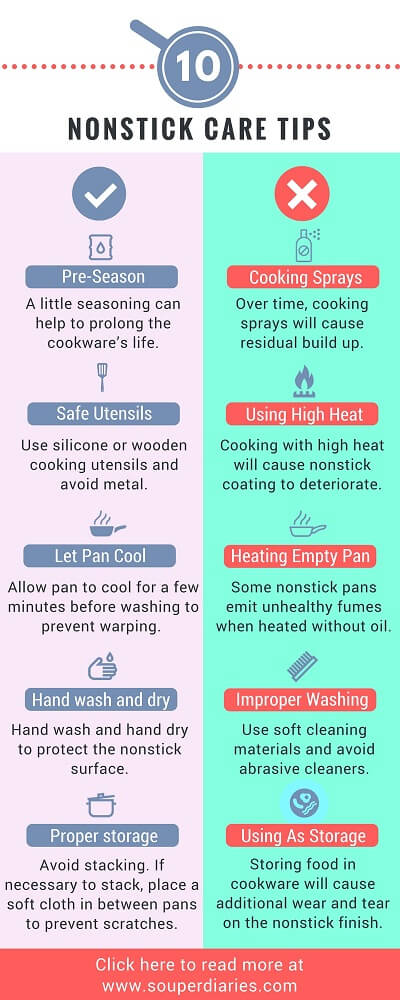
Use low to medium heat for non-stick pans. High heat can damage the coating quickly. Most non-stick pans work well up to medium heat. Avoid heating an empty pan for a long time. This prevents the surface from breaking down.
Using The Right Utensils
Choose wooden, silicone, or plastic utensils for non-stick pans. Metal tools can scratch and ruin the coating. Scratches make the pan less non-stick and harder to clean. Soft utensils help keep your pan smooth and safe.
Avoiding Thermal Shock
Do not cool a hot pan with cold water. Sudden temperature change can warp the pan. Let the pan cool naturally before washing. Thermal shock can cause cracks and peeling in the coating. Gentle care preserves your pan’s performance.
Credit: www.oxo.com
Storage And Maintenance
Proper storage and maintenance keep non-stick cookware in top shape. These steps help your pans last longer and cook better. Handling and storing them carefully avoids damage and preserves the non-stick surface.
Preventing Scratches
Always use soft tools like silicone or wooden spoons. Avoid metal utensils that can scratch the coating. Scratches reduce the pan’s performance and can cause food to stick.
Never cut food directly in the pan. Use a cutting board instead. Gentle cleaning with a soft sponge also protects the surface.
Stacking And Storing Safely
Do not stack pans directly on top of each other. Place a soft cloth or paper towel between them. This prevents rubbing and scratching during storage.
Store pans in a dry place to avoid moisture damage. Keep lids separate or store them upside down to save space. Organized storage helps maintain the cookware’s shape and coating.
Periodic Seasoning Methods
Season your non-stick pans occasionally to enhance their surface. Heat the pan on low and apply a thin layer of cooking oil. Let it cool and wipe off excess oil with a paper towel.
This process restores the non-stick layer and improves cooking results. Seasoning also helps protect the pan from wear and tear.
Common Mistakes To Avoid
Non-stick cookware makes cooking easy and cleanup faster. Yet, many users make simple mistakes that reduce the lifespan of their pans. Avoiding these errors helps keep your cookware in great shape longer. Here are common mistakes to avoid.
Overheating Pans
Non-stick pans can break down if heated too much. High heat damages the coating and releases harmful fumes. Use low to medium heat for cooking. Preheat pans slowly and avoid empty heating. This protects the non-stick surface and keeps food safe.
Using Abrasive Cleaners
Scrubbing with harsh cleaners or steel wool scratches the coating. Use soft sponges or cloths for cleaning. Mild dish soap and warm water work well. Avoid abrasive powders or brushes to keep the surface smooth. Gentle cleaning extends the life of your cookware.
Neglecting Regular Care
Skipping regular cleaning or improper storage causes damage. Wash pans after each use to remove food residues. Dry them completely to prevent rust on metal parts. Store pans carefully, avoiding stacking without protection. Routine care keeps pans performing well and lasting longer.
Signs Of Wear And When To Replace
Non-stick cookware is a kitchen favorite for easy cooking and cleaning. Over time, these pans show signs of wear. Recognizing these signs helps you decide when to replace your cookware. Using damaged non-stick pans affects cooking and health. Watch for changes in the pan’s surface and performance.
Peeling And Flaking Coating
Peeling or flaking of the non-stick coating is a clear sign of wear. Small pieces may come off during cooking or cleaning. This damage reduces the pan’s effectiveness. It also exposes the metal underneath, which can rust or react with food. Avoid using pans with peeling surfaces to keep meals safe.
Reduced Non-stick Performance
When food starts sticking to the pan, the coating may be worn out. You may need more oil or butter than before. Cooking becomes harder and cleaning takes longer. This is a sign that the non-stick layer is losing its power. Consider replacing the pan for better cooking results.
Health Considerations
Damaged non-stick coatings can release harmful chemicals during cooking. Scratches or chips increase this risk. Eating food cooked on worn pans may affect your health. Using intact non-stick cookware helps avoid exposure to toxins. Replace your pans if you see any damage to stay safe.
Credit: souperdiaries.com
Frequently Asked Questions
How Do I Clean Non Stick Cookware Safely?
Use warm, soapy water and a soft sponge to clean non stick cookware. Avoid abrasive cleaners or steel wool. Hand wash to preserve the coating and prevent damage. Dry thoroughly before storing.
Can I Use Metal Utensils On Non Stick Pans?
Avoid metal utensils on non stick pans. Use wooden, silicone, or plastic tools instead. Metal can scratch and damage the non stick surface, reducing its lifespan and effectiveness.
What Heat Level Is Best For Non Stick Cookware?
Use low to medium heat for non stick cookware. High heat can warp pans and degrade the coating. Cooking on moderate heat preserves the non stick surface and ensures even cooking.
Is It Safe To Put Non Stick Cookware In The Dishwasher?
Most non stick cookware is not dishwasher safe. The harsh detergents and high heat can damage the coating. Hand washing is recommended to maintain the pan’s quality and longevity.
Conclusion
Taking care of non-stick cookware extends its life and keeps it safe. Use soft sponges and mild soap for cleaning. Avoid metal utensils to prevent scratches. Cook on low to medium heat for best results. Store pans carefully to avoid damage.
These simple steps save money and improve cooking. Enjoy your meals with well-maintained pans every day. Good care makes a big difference in your kitchen. Keep these tips in mind for lasting non-stick cookware.

Hello, This is Annie Walker, a 38-year-old blogger, founder, and editor of Cookware Guider from NY, USA. I am a cookware fanatic and passionate cooker. I love to cook with different types of cooking appliances (example: all types of cookware, rice cookers, slow cookers, etc) almost every day in my kitchen. I love to share my experience with my readers in my blog. Also, I enjoy helping people to solve their problems through my website. You can follow me on Twitter & Pinterest. To know details about my blog please check the about us page.