
Are you wondering if your cookware works with an induction stove? Knowing how to tell induction cookware can save you time, money, and frustration in the kitchen.
Not all pots and pans are made the same, and using the wrong type can leave you with cold meals and wasted energy. You’ll discover simple tricks to identify induction-compatible cookware quickly and easily. By the end, you’ll feel confident choosing the right pots and pans that heat up fast and cook evenly every time.
Keep reading to unlock the secrets that make cooking smoother and more efficient for you.

Credit: www.youtube.com
Signs Of Induction Compatibility
Not all cookware works on induction stoves. You must check for signs that show if a pot or pan fits induction cooking. These signs help you avoid buying cookware that won’t heat up on your stove. Here are some simple ways to find out if your cookware is induction compatible.
Magnetic Test
Use a magnet to check your cookware. Place the magnet on the bottom of the pot or pan. If it sticks well, the cookware works with induction. If the magnet falls off or barely holds, it is not suitable. This test is quick and easy to do at home.
Manufacturer Labels
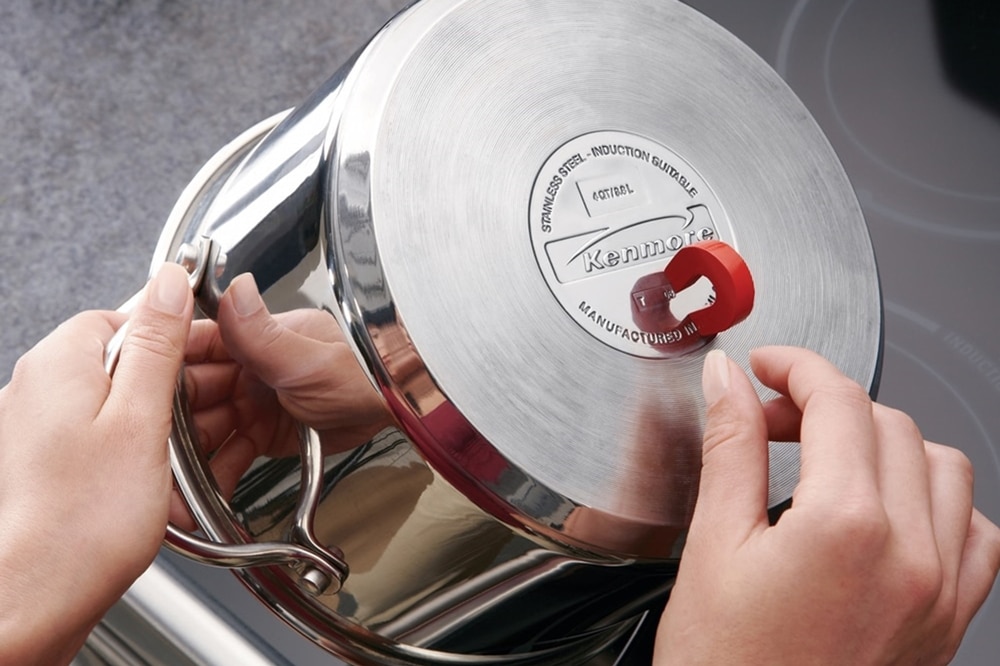
Look for labels on the cookware or packaging. Many brands add symbols or text like “induction ready.” These marks show the cookware will work on induction stoves. Check the bottom of pans too. Some have the label stamped there for easy checking.
Cookware Material
Some materials work better on induction. Cast iron and stainless steel usually work well. Aluminum, copper, and glass do not unless they have a special magnetic base. Know your cookware’s material to understand if it fits induction cooking.
Materials That Work Best
Choosing the right material is key for induction cookware. Not all materials heat well on induction cooktops. Some conduct magnetic energy better than others. This affects cooking speed and evenness. The best materials work well with induction’s magnetic field. They help save energy and cook food evenly.
Stainless Steel
Stainless steel is a top choice for induction cooking. It has a magnetic core that heats quickly. The material is strong and resists rust. Stainless steel pans are lightweight and easy to clean. They work well for frying, boiling, and simmering. Many chefs prefer stainless steel for its durability.
Cast Iron
Cast iron is a classic induction cookware material. It holds heat very well and cooks evenly. The pans are heavy but last for many years. Cast iron works great for slow cooking and searing. It also develops a natural non-stick surface over time. Be careful with sudden temperature changes to avoid cracks.
Enamel-coated Options
Enamel-coated cookware combines style with induction compatibility. The coating covers cast iron or steel pans. It prevents rust and makes cleaning easier. These pans come in many colors and designs. Enamel coating also stops food from sticking. They offer a smooth cooking experience on induction cooktops.
Materials To Avoid
Not all cookware works well on induction cooktops. Some materials do not conduct magnetic fields. This means they will not heat up properly or at all. Knowing which materials to avoid helps prevent wasted money and frustration.
Aluminum Without Base
Pure aluminum cookware does not work on induction stoves. It lacks the magnetic layer needed to create heat. Cookware with an added magnetic base can work. Without that, aluminum pans will stay cold on induction.
Copper Cookware
Copper pans look great but are not induction-friendly. Copper itself is not magnetic. It will not heat on an induction cooktop. Some copper cookware has a magnetic base. Without it, copper pans cannot be used.
Glass And Ceramic
Glass and ceramic cookware are not magnetic. They will not work on induction surfaces. They do not respond to magnetic fields. Using them on induction stoves wastes energy and time.
Cookware Base Design
The base design of cookware plays a big role in its ability to work on induction cooktops. Induction cooking uses magnetic fields, so the base must be designed to react well to these fields. A well-made base ensures even heating, better cooking results, and saves energy. Understanding the key features of the base helps you pick the right induction cookware.
Flatness Importance
A flat base is essential for good contact with the induction surface. Uneven or warped bases reduce heat transfer and cause hot spots. Cookware with a perfectly flat base stays stable on the cooktop. This also prevents damage to the cooktop and improves cooking efficiency.
Multi-layered Bases
Many induction pots and pans have multi-layered bases. These layers combine different metals for better heat conduction and magnetic response. A common design includes a magnetic stainless steel layer with an aluminum or copper core. This mix provides quick heating and even heat distribution.
Thickness Factors
The base thickness affects heat retention and distribution. Thin bases heat quickly but can cause uneven cooking. Thick bases hold heat longer and spread it more evenly. Ideal thickness balances fast heating with steady, uniform heat across the base.
Size And Shape Considerations
Choosing the right size and shape of induction cookware is key for good cooking. These factors affect heat distribution and how well the pan works on your cooktop. Understanding size and shape helps you avoid wasted energy and uneven cooking.
Matching Cooktop Zones
Induction cooktops have different zone sizes. Use a pan that fits the zone size closely. A small pan on a large zone wastes energy. A large pan on a small zone may not heat evenly. Check your cooktop’s zone size before buying cookware.
Cookware with a flat bottom works best. It makes full contact with the cooktop surface. This contact boosts heating efficiency. Avoid pans with warped or rounded bottoms.
Pan Shape Effects
Round pans suit most cooking tasks. They spread heat evenly across the base. Square or rectangular pans offer more cooking surface area. These shapes work well for grilling or frying.
Deep pots hold more food and liquids. They are ideal for soups or stews. Shallow pans heat quickly and are great for sautéing or frying. Choose the pan shape that fits your cooking style.

Credit: www.nuwavenow.com
Testing Cookware At Home
Testing cookware at home helps you find out if your pots and pans work on induction stoves. Induction cooktops need special cookware made of magnetic material. You can check your existing cookware easily with simple tools. This saves money and avoids buying the wrong type.
Simple Magnet Check
Take a small magnet from your fridge or craft box. Press it on the bottom of your cookware. If the magnet sticks firmly, the cookware is induction compatible. If the magnet slides off or does not stick, it will not work on induction. This method is quick and reliable for most pots and pans.
Heating Performance Tips
Place the cookware on your induction stove and turn it on. Watch if the stove heats up the cookware quickly. Induction cookware heats faster than non-induction types. If the pan does not heat or heats slowly, it might not be induction-ready. Test with water or oil to see how fast it heats.
Budget-friendly Induction Picks
Finding induction cookware that fits a tight budget is possible. Many affordable options deliver good quality and performance. You can cook efficiently without spending a lot.
Choosing budget-friendly cookware requires knowing where to find deals. Focus on trusted brands and good second-hand items. Both can save money and work well on induction cooktops.
Affordable Brands
Some brands offer induction cookware at lower prices. Look for brands with positive reviews and simple designs. They often use good materials that work well on induction stoves.
These brands balance cost and quality. You get sturdy pots and pans without extra features that raise prices. Basic sets can include essential sizes for daily cooking.
Second-hand Options
Buying second-hand cookware cuts costs significantly. Check online marketplaces and local thrift stores for used induction pots and pans. Many items remain in great condition.
Used cookware often shows little wear and lasts for years. It allows trying different brands without a big investment. Inspect items carefully for warping or damage before buying.
Maintenance Tips For Longevity
Proper care extends the life of induction cookware. Following simple maintenance steps keeps your pots and pans working well. These tips help avoid damage and keep the surface smooth. Clean and store your cookware carefully. Protect its shape and finish to enjoy cooking longer.
Cleaning Techniques
Wash cookware after each use with warm, soapy water. Use a soft sponge or cloth to avoid scratches. Avoid harsh cleaners or steel wool, which can damage the surface. Dry the cookware completely to prevent water spots. For stuck-on food, soak the pan before cleaning.
Avoiding Warping
Heat cookware slowly to protect its shape. Avoid sudden temperature changes, like placing a hot pan in cold water. Use medium heat rather than high heat to prevent warping. Do not stack heavy items on top of your cookware. Handle with care to maintain its flat surface.
Storage Advice
Store cookware in a dry, cool place to avoid rust. Use pan protectors or cloth between stacked pots and pans. Avoid storing lids inside the pans to prevent scratching. Keep cookware away from moisture and damp areas. Organize your kitchen to reduce accidental damage.
Credit: www.frigidairearabia.com
Frequently Asked Questions
How Can I Identify Induction Cookware Easily?
Look for a magnetic base on the cookware. If a magnet sticks firmly, it is induction compatible. Also, check for an induction symbol or label on the bottom.
What Materials Work Best For Induction Cookware?
Induction cookware must have a ferrous metal base. Cast iron and stainless steel with magnetic properties work well for induction cooking.
Can Glass Or Aluminum Cookware Be Used On Induction Stoves?
No, glass and aluminum alone don’t work on induction cooktops. They lack magnetic properties needed to generate heat.
Why Does Induction Cookware Need A Magnetic Base?
The magnetic base creates an electromagnetic field that heats the cookware directly. Without magnetism, induction stoves won’t generate heat.
Conclusion
Knowing how to tell induction cookware saves time and effort in the kitchen. Check the bottom of the pan for a magnetic symbol or test with a magnet. Cookware that works with induction heats quickly and cooks evenly. Choosing the right pots and pans makes cooking easier and safer.
Use these simple tips to find cookware that fits your stove. Cook with confidence and enjoy better meals every day.

Hello, This is Annie Walker, a 38-year-old blogger, founder, and editor of Cookware Guider from NY, USA. I am a cookware fanatic and passionate cooker. I love to cook with different types of cooking appliances (example: all types of cookware, rice cookers, slow cookers, etc) almost every day in my kitchen. I love to share my experience with my readers in my blog. Also, I enjoy helping people to solve their problems through my website. You can follow me on Twitter & Pinterest. To know details about my blog please check the about us page.