
Are you sure your cookware is safe to use? Many people don’t realize that some pots and pans can contain harmful lead.
Lead in cookware can pose serious health risks, especially when it seeps into your food. But how can you find out if your cookware has lead? You’ll learn simple, effective ways to test your cookware for lead. By the end, you’ll know exactly what to look for and how to protect yourself and your loved ones.
Keep reading—your health depends on it.

Credit: www.youtube.com
Why Lead In Cookware Matters
Lead in cookware is a serious concern. It affects the safety of the food we prepare daily. Cooking with lead-contaminated pots or pans can cause lead to mix with food. This makes the food unsafe to eat. Knowing why lead in cookware matters helps protect your health and family.
Health Risks Of Lead Exposure
Lead is a toxic metal harmful to the body. It can cause damage to the brain and nervous system. Children are especially at risk from lead poisoning. Even small amounts of lead can cause learning problems in kids. Adults may suffer from high blood pressure and kidney damage. Lead exposure can also weaken bones and cause stomach pain. Avoiding lead in cookware reduces these health risks.
Common Sources Of Lead In Cookware
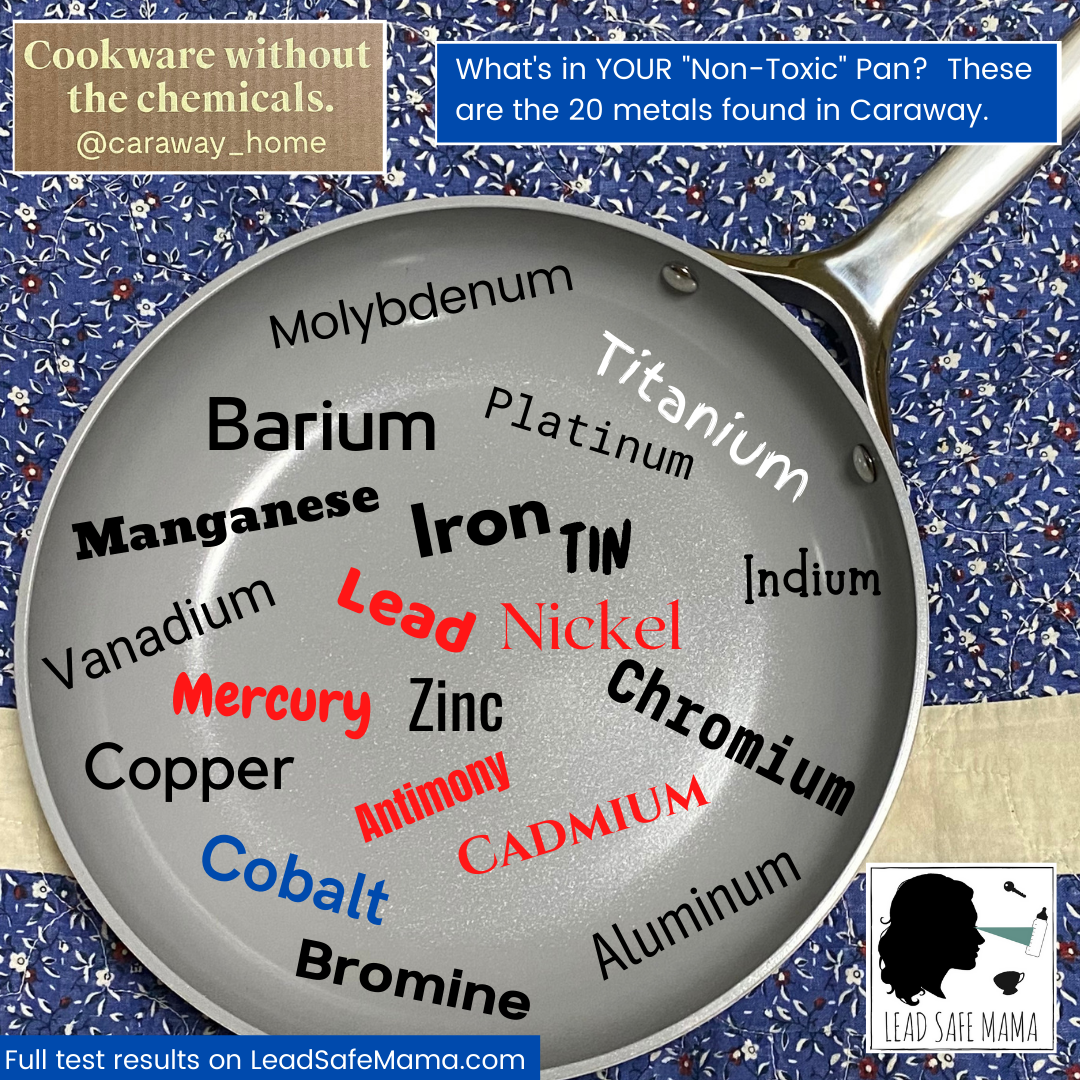
Some cookware contains lead in its paint or glaze. Old or imported ceramic pots often have lead-based glazes. Certain metal cookware may use lead in solder or coatings. Cheap or unbranded cookware can be more likely to contain lead. Cooking acidic food in such cookware can increase lead leaching. Testing cookware for lead ensures your kitchen is safe.
Credit: tamararubin.com
Identifying High-risk Cookware
Identifying cookware that may contain lead is important for health. Lead can leach into food and cause serious issues. Some types of cookware are more likely to have lead than others. Knowing which ones pose a risk helps keep your kitchen safe.
Look closely at your pots, pans, and dishes. Some styles and materials have a higher chance of lead contamination. Spotting these early can help you avoid health hazards.
Types Of Cookware Prone To Lead Contamination
Ceramic cookware often contains lead in its glaze. Older or handmade ceramics are especially risky. Enamel-coated pots may also have lead in the coating. Imported cookware sometimes uses unsafe materials. Antique or vintage pieces can hide lead too.
Lead is rare in stainless steel or cast iron cookware. Still, check labels and sources carefully. Plastic and silicone items usually do not have lead but confirm before use.
Signs Of Lead Presence In Cookware
Bright, shiny glaze with cracks or crazing can indicate lead. Faded or worn paint on the cookware surface may also be a warning. A metallic or sweet smell could suggest lead. Some cookware has no visible signs; testing is needed.
Discoloration after cooking acidic foods like tomatoes or vinegar is another sign. Lead can react with acids and change the cookware’s color. If you notice these signs, consider testing your cookware for safety.
Lead Testing Methods
Testing cookware for lead is important for safety. Lead can be harmful if it gets into food. There are different ways to check your pots and pans for lead. Some methods you can do at home. Others need experts and special labs.
Using Home Lead Test Kits
Home lead test kits are easy to use. You buy them online or in stores. These kits have swabs or liquids that change color if lead is present. You rub the swab on the cookware surface. Then, wait a few minutes for the result.
These kits are quick and cheap. They give a good first check. But they are not always very accurate. Sometimes, they miss small amounts of lead or give false results.
Professional Laboratory Testing
Professional testing uses labs with special machines. You send a small sample of your cookware to the lab. Experts analyze the material for lead content. This method is very accurate and reliable.
Labs can detect even tiny amounts of lead. The results come in a few days. This testing costs more and takes longer. It is best if you want a definite answer.
Pros And Cons Of Each Method
Home kits are fast and low cost. They help catch lead quickly. But they may not be very precise.
Lab testing is very accurate. It finds even small lead amounts. The downside is higher cost and waiting time.
Choose the method that fits your needs. For quick checks, home kits work well. For full safety, labs are better.

Credit: www.leafscore.com
Step-by-step Testing Process
Testing cookware for lead ensures your kitchen stays safe. This step-by-step process guides you through easy actions. It helps you check if your pots or pans contain harmful lead. Follow each step carefully to get accurate results.
Preparing Cookware For Testing
Start by cleaning the cookware thoroughly. Use warm water and soap to remove dirt. Dry the cookware completely before testing. Avoid using any harsh chemicals that could affect the test. Make sure the surface is smooth and free from food residues.
Collecting Samples Safely
Use a lead test kit from a trusted source. Follow the instructions on the package carefully. Rub the test swab on the cookware surface gently. Collect samples from different spots for better accuracy. Wear gloves to protect your skin during this step.
Interpreting Test Results
Check the color change on the test swab. Compare it to the chart provided with the kit. A color change usually means lead is present. No change means your cookware is likely lead-free. If lead is found, avoid using that cookware for food.
Preventing Lead Exposure In The Kitchen
Preventing lead exposure in the kitchen protects your family’s health. Lead can enter food through unsafe cookware. It can cause serious health problems over time. Knowing how to choose and care for cookware helps keep your kitchen safe.
Choosing Safe Cookware Materials
Select cookware made from non-toxic materials. Stainless steel and cast iron are good choices. Glass and high-quality ceramic also work well. Avoid old or damaged pots that may contain lead. Check labels or product details before buying. Prioritize brands with clear safety standards. Lead-free cookware reduces risk of contamination. Simple choices protect your meals and health.
Proper Care And Maintenance Tips
Clean cookware gently to avoid damage. Use mild soap and soft sponges only. Avoid scrubbing with harsh brushes or steel wool. Inspect pots regularly for cracks or chips. Discard any cookware with damaged surfaces. Store cookware in dry, cool places. Proper care extends cookware life and safety. Safe maintenance keeps lead away from food.
What To Do If Lead Is Found
Discovering lead in your cookware calls for quick and careful action. Lead is toxic and can harm your health if ingested. It is important to stop using the cookware immediately. Avoid cooking or storing food in it. Next, focus on how to dispose of it safely and find safe alternatives.
Safe Disposal Options
Do not throw lead-contaminated cookware in regular trash. Lead can pollute the environment and harm others. Contact your local waste management or hazardous waste facility. They provide proper disposal methods for hazardous items. Some areas have special collection days for toxic waste. Follow their instructions to ensure safe disposal. Wrap the cookware securely to avoid lead dust spreading. Keep it away from children and pets until disposal.
Alternatives To Replace Contaminated Cookware
Choose cookware made from safe materials like stainless steel, cast iron, or glass. These materials do not contain lead or harmful chemicals. Non-stick pans with safe coatings are also a good option. Check product labels and reviews before buying. Buy from trusted brands with safety certifications. Replace cookware promptly to avoid health risks. Using safe cookware protects your family and improves cooking quality.
Frequently Asked Questions
How Can I Test Cookware For Lead At Home?
You can use a lead testing kit available online or in stores. Follow the kit instructions carefully. Swab the cookware surface to detect lead presence quickly and safely.
What Are Signs Cookware Contains Lead?
Look for discoloration, chipping, or unusual coatings. Traditional or imported ceramic cookware often has higher lead risks. Testing is best for confirmation.
Are Professional Lead Tests More Accurate Than Home Kits?
Yes, professional tests use advanced tools for precise lead detection. Home kits offer quick checks but may have false results. Use professionals for certainty.
Is Lead In Cookware Harmful To Health?
Yes, lead exposure can cause serious health issues. It affects the nervous system and is especially dangerous for children and pregnant women. Avoid cookware with lead.
Conclusion
Testing cookware for lead keeps your kitchen safe and healthy. Use simple lead test kits available online or in stores. Follow the instructions carefully for accurate results. Regularly check old or imported cookware for lead presence. Avoid using cookware that tests positive for lead to protect your family.
Stay aware and choose safe products for cooking. Clean habits and smart choices make a big difference. Your health matters, so take action today. Safe cooking starts with safe cookware.

Hello, This is Annie Walker, a 38-year-old blogger, founder, and editor of Cookware Guider from NY, USA. I am a cookware fanatic and passionate cooker. I love to cook with different types of cooking appliances (example: all types of cookware, rice cookers, slow cookers, etc) almost every day in my kitchen. I love to share my experience with my readers in my blog. Also, I enjoy helping people to solve their problems through my website. You can follow me on Twitter & Pinterest. To know details about my blog please check the about us page.