
If you’ve ever wondered how to get the best results with glass cookware, you’re in the right place. Using glass pots and dishes might seem simple, but there are some key tips that can make your cooking easier and your meals tastier.
Imagine cooking your favorite recipes without worrying about sticking, burning, or uneven heat. You’ll discover how to handle glass cookware safely, clean it without hassle, and even why it’s a smart choice for your kitchen. Keep reading, and you’ll unlock the secrets to making glass cookware your new best friend.
Choosing The Right Glass Cookware
Choosing the right glass cookware matters for cooking success. The right type fits your needs and lasts longer. Understanding the key factors helps you pick the best option. This guide explains the types, heat resistance, and size choices.
Types Of Glass Cookware
There are several types of glass cookware. Borosilicate glass is strong and resists temperature changes. Soda-lime glass is common and cheaper but less durable. Some cookware has non-stick glass coatings for easy cleaning. Choose the type that fits your cooking style.
Heat Resistance And Durability
Heat resistance is essential for safety and performance. High-quality glass cookware can handle oven temperatures up to 450°F or more. Avoid sudden temperature changes to prevent cracking. Durable cookware resists scratches and stains. Check product labels for heat limits and care instructions.
Size And Shape Options
Glass cookware comes in many sizes and shapes. Small dishes are perfect for side dishes or single servings. Large pans work well for casseroles and family meals. Shapes include round, square, and rectangular. Choose sizes and shapes that match your recipes and oven space.
Credit: mojotaqueria.com
Preparing Glass Cookware For Use
Preparing glass cookware for use ensures safe and effective cooking. Proper care before the first use helps maintain the cookware’s quality and longevity. Follow these simple steps to start cooking with confidence and avoid common problems.
Cleaning Before First Use
Wash your glass cookware with warm water and mild dish soap. Use a soft sponge to remove dust and factory residues. Rinse thoroughly and dry with a clean towel. This step removes any dirt or oils from manufacturing and shipping.
Seasoning Tips
Glass cookware does not need heavy seasoning like cast iron. Lightly oil the surface before the first use. Use a small amount of vegetable oil and spread it evenly. This prevents sticking and helps food cook better. Avoid using too much oil to keep the cookware clean.
Avoiding Thermal Shock
Glass can break if exposed to sudden temperature changes. Avoid placing hot cookware on cold surfaces or adding cold liquids to hot glass. Always heat glass cookware slowly and allow it to cool before cleaning. These steps protect your cookware from cracks and damage.
Cooking Techniques With Glass Cookware
Glass cookware is versatile and safe for many cooking methods. It heats evenly, making food cook well. Knowing how to use glass cookware helps you get the best results in the kitchen.
Baking And Roasting
Glass cookware works great for baking cakes, casseroles, and more. It holds heat well and cooks food evenly. Use it to roast vegetables or meats. Avoid sudden temperature changes to prevent cracking.
Microwave Cooking
Glass cookware is perfect for microwave use. It heats food quickly without melting or warping. Use glass dishes for reheating or cooking meals. Always check if the glass is microwave-safe before use.
Stovetop And Broiler Use
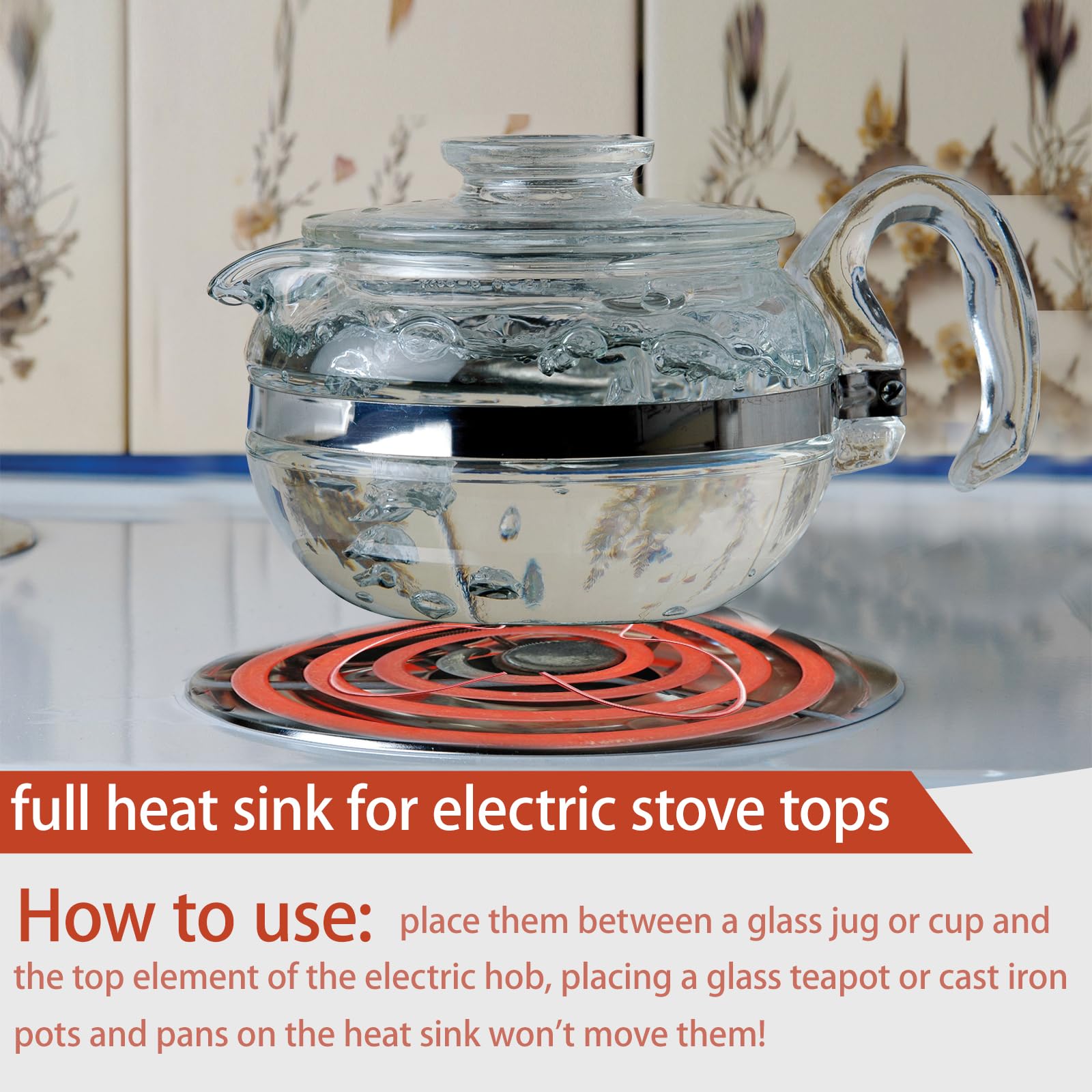
Use glass cookware carefully on stovetops. Only use glass labeled as stovetop safe. Avoid direct high heat to prevent damage. Glass can also go under the broiler for browning. Watch food closely to avoid burning.

Credit: stahlkitchens.com
Safety Tips For Glass Cookware
Glass cookware offers a clear view of your food as it cooks. It looks elegant and can handle many cooking tasks. Still, using glass cookware safely is important. Careful handling keeps it in good shape and prevents accidents.
Handling Hot Cookware
Always use oven mitts when holding hot glass cookware. Glass holds heat for a long time. Avoid carrying hot dishes with bare hands. Set hot cookware on heat-safe surfaces only. Do not place hot glass directly on cold or wet countertops. Sudden temperature changes can cause it to break.
Preventing Cracks And Breakage
Do not use glass cookware with visible cracks or chips. Small damages can grow during cooking. Avoid sudden temperature changes like putting cold liquid into hot glass. Let glass cookware cool down before washing it. Use gentle cleaning tools to protect the surface. Store glass dishes carefully to prevent bumps and drops.
Safe Temperature Limits
Check the manufacturer’s instructions for temperature limits. Most glass cookware can handle oven heat up to 425°F (220°C). Do not use glass cookware on direct stovetop flames. Avoid broiling unless the glass is broiler-safe. Exceeding temperature limits can cause glass to shatter. Always preheat the oven before placing glass cookware inside.
Cleaning And Maintenance
Cleaning and maintaining glass cookware keeps it safe and lasts longer. Proper care prevents damage and keeps your cookware looking clear and shiny. Easy cleaning methods help remove stains and food residue. Follow simple steps for the best results.
Removing Stains And Residue
Use baking soda and water to create a thick paste. Apply the paste to stains and let it sit for 15 minutes. Scrub gently with a soft sponge or cloth. For tough spots, soak the cookware in warm soapy water for 30 minutes. Avoid abrasive scrubbers to prevent scratches.
Dishwasher Vs Hand Washing
Glass cookware is often dishwasher safe but hand washing is best. Use warm water and mild dish soap for hand washing. Rinse thoroughly to remove all soap. Hand washing reduces risk of chipping or clouding. Place cookware carefully in the dishwasher to avoid damage.
Storage Recommendations
Store glass cookware in a dry, cool place. Avoid stacking heavy pots inside each other. Use soft cloth or paper towels between pieces to stop scratches. Keep lids and pots separate if possible. Proper storage prevents chips and cracks, keeping cookware ready to use.
Credit: www.amazon.com
Common Mistakes To Avoid
Using glass cookware is simple, but some mistakes can cause damage. Avoiding these errors helps your cookware last longer. It also keeps your food safe and tasty. Here are common mistakes to avoid when using glass cookware.
Using On Direct High Heat
Glass cookware should not be placed on direct high heat. It can crack or shatter from sudden intense heat. Use low to medium heat settings. Let the cookware heat up slowly for best results. Always follow the manufacturer’s heat guidelines.
Sudden Temperature Changes
Rapid temperature changes can break glass cookware. Never put hot glass cookware on a cold surface. Avoid pouring cold water into hot cookware. Let the cookware cool down before washing or moving it. These steps prevent cracks and extend cookware life.
Using Metal Utensils
Metal utensils can scratch and damage glass cookware. Use wooden, silicone, or plastic utensils instead. These tools protect the surface and keep cookware smooth. Scratches weaken the glass and may lead to breakage.
Benefits Of Cooking With Glass Cookware
Cooking with glass cookware offers many benefits for your kitchen and health. Glass pans and dishes can improve your cooking experience. They make food taste better and are safe to use every day. Let’s explore the key advantages of using glass cookware.
Non-toxic And Chemical-free
Glass cookware does not contain harmful chemicals. It does not release toxins into your food while cooking. This makes it a safe choice for your family. You can cook without worrying about plastic or metal leaching. Glass keeps your meals pure and healthy.
Even Heat Distribution
Glass heats up slowly but spreads heat evenly. This prevents hot spots that burn your food. Your dishes cook more uniformly, keeping flavors intact. It helps to cook meals thoroughly without guesswork. Enjoy consistent results every time.
Versatility In Cooking
Glass cookware works in the oven, microwave, and refrigerator. You can bake, roast, or store food in the same dish. It handles temperature changes well without cracking. This saves time and reduces the need for many pots. A simple, multi-use option for your kitchen.
Frequently Asked Questions
How Do I Clean Glass Cookware Safely?
To clean glass cookware, use warm soapy water and a soft sponge. Avoid abrasive cleaners or harsh scrubbers to prevent scratches. For stubborn stains, soak the cookware before washing. Dry thoroughly to prevent water spots and maintain clarity.
Can Glass Cookware Be Used On Stovetops?
Most glass cookware is not designed for direct stovetop use. It can crack or shatter under direct heat. Always check manufacturer guidelines and use glass cookware in ovens or microwaves instead. Avoid sudden temperature changes to prevent damage.
Is Glass Cookware Safe For Oven Cooking?
Yes, glass cookware is safe for oven use if marked oven-safe. It withstands high temperatures evenly without releasing harmful chemicals. Preheat the oven before placing the glass cookware inside to avoid thermal shock and cracking.
How Do I Avoid Thermal Shock With Glass Cookware?
Avoid thermal shock by not exposing glass cookware to sudden temperature changes. Don’t put hot glass directly on cold surfaces or in cold water. Always allow the cookware to cool gradually before cleaning or moving it.
Conclusion
Glass cookware offers a clear view of your food while cooking. It heats evenly and holds heat well. Always handle glass carefully to avoid cracks or breaks. Clean it gently with mild soap and avoid sudden temperature changes. Use glass cookware for baking, roasting, and serving.
It stays safe and looks nice on the table. Simple care keeps it working great for years. Enjoy cooking with glass for easy, healthy meals every day.

Hello, This is Annie Walker, a 38-year-old blogger, founder, and editor of Cookware Guider from NY, USA. I am a cookware fanatic and passionate cooker. I love to cook with different types of cooking appliances (example: all types of cookware, rice cookers, slow cookers, etc) almost every day in my kitchen. I love to share my experience with my readers in my blog. Also, I enjoy helping people to solve their problems through my website. You can follow me on Twitter & Pinterest. To know details about my blog please check the about us page.