
Are you looking to get the most out of your hard anodized cookware? You’ve made a smart choice—this type of cookware is known for its durability and excellent heat distribution.
But do you know the best way to use and care for it to keep it performing like new? You’ll discover simple tips and tricks that make cooking easier and your meals tastier. Keep reading to unlock the full potential of your hard anodized pots and pans, and see how a few easy steps can transform your kitchen experience.
Benefits Of Hard Anodized Cookware
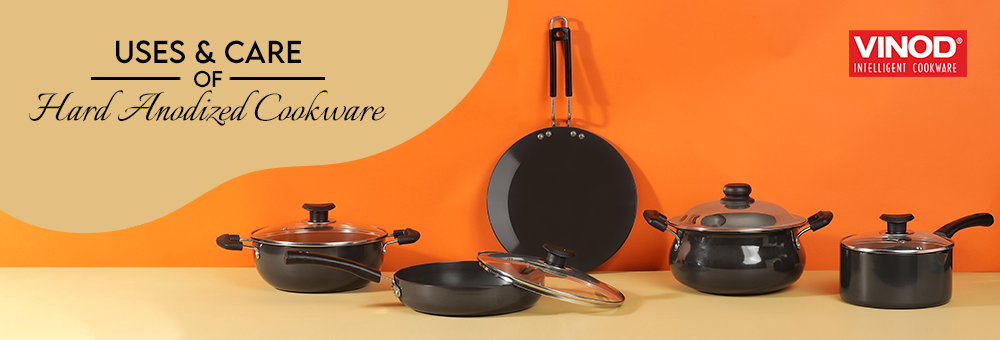
Hard anodized cookware offers many benefits that make cooking easier and more enjoyable. Its unique surface and build quality improve the cooking experience. This cookware is designed to last and perform well over time. Understanding these benefits helps you choose the right pots and pans for your kitchen.
Durability And Scratch Resistance
Hard anodized cookware is very tough and long-lasting. The anodizing process creates a hard layer on the metal. This layer protects against scratches and dents. You can use metal utensils without worrying about damage. It stays looking new even after many uses.
Nonstick Surface Advantages
The nonstick surface reduces the need for oil or butter. Food slides off easily, making cooking and cleaning simpler. It helps prepare healthy meals with less fat. Sticking and burning problems happen less often. Cleaning is quick and needs little effort.
Even Heat Distribution
Heat spreads evenly across hard anodized cookware. This means food cooks uniformly without hot spots. Even heat prevents burning and uneven cooking. It saves energy and time in the kitchen. Meals turn out better and taste great every time.
Credit: vinodcookware.com
Choosing The Right Cookware
Choosing the right hard anodized cookware is key for cooking success. It affects how well your food cooks and how long the pans last. Picking the best cookware means knowing what types and sizes fit your kitchen. Also, check if the cookware works with your cooktop. Budget matters too. This guide helps you find cookware that matches your needs and budget.
Types And Sizes Available
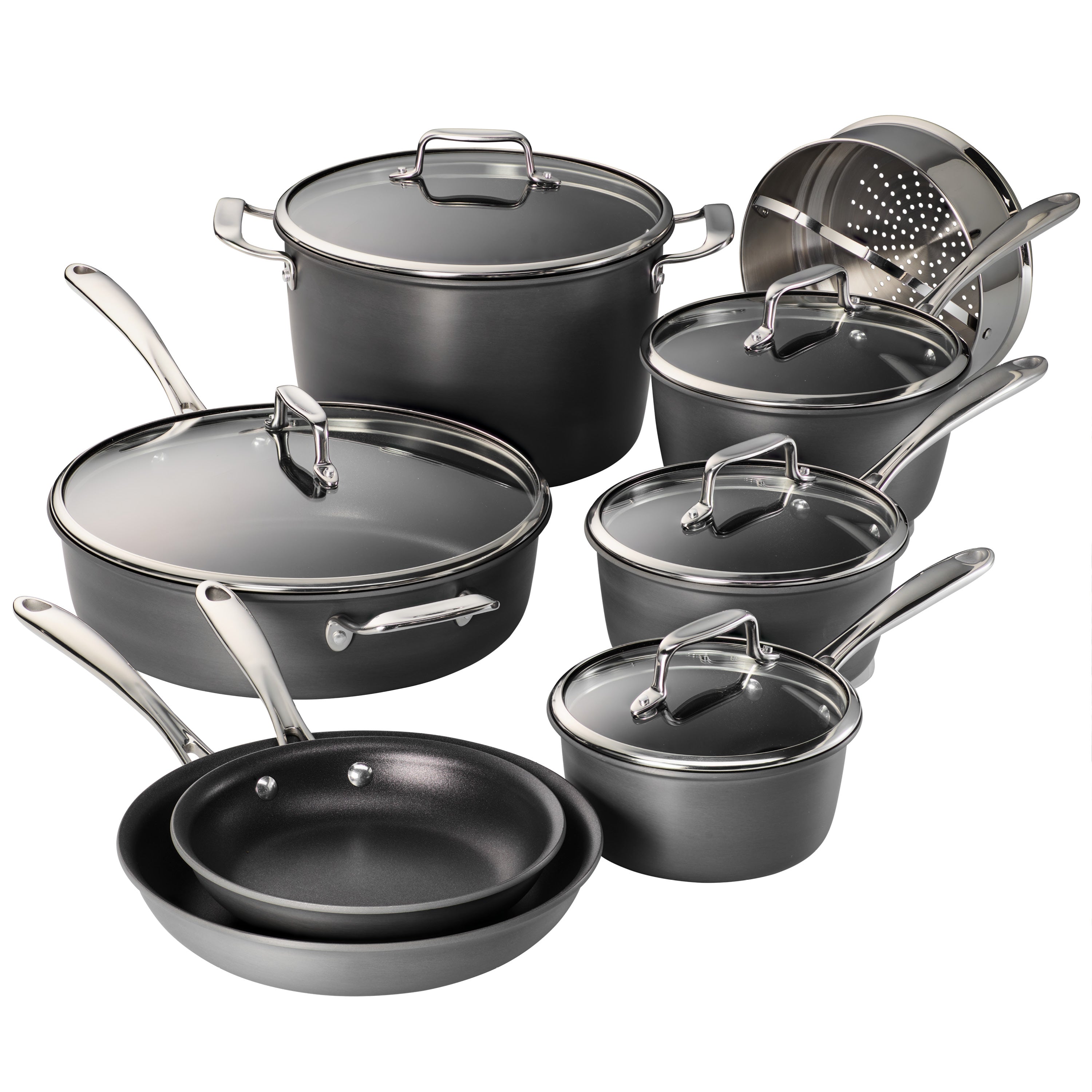
Hard anodized cookware comes in many types. You can find frying pans, saucepans, and stockpots. Each type serves different cooking tasks. Sizes vary from small 8-inch pans to large 12-inch ones. Choose sizes that fit your usual meals. A mix of sizes works best for most kitchens.
Compatibility With Cooktops
Not all hard anodized cookware fits every cooktop. Check if the pan works with gas, electric, or induction stoves. Most hard anodized pans work well on gas and electric. Some have a magnetic base for induction stoves. Using the right cookware keeps heat even and cooking safe.
Budget Considerations
Hard anodized cookware comes in different price ranges. Higher prices often mean better quality and durability. Think about how often you cook and your budget. It is smart to invest in a few good pieces than many low-quality ones. Look for sales or sets to save money.
Preparing Your Cookware For First Use
Preparing your hard anodized cookware before the first use helps protect its surface. It also improves cooking performance and extends the life of the pan. Taking simple steps ensures your cookware stays in good condition.
Cleaning Before Use
Wash the cookware with warm water and mild dish soap. Use a soft sponge or cloth to avoid scratches. Rinse thoroughly and dry with a clean towel. This removes any factory dust or oils.
Seasoning Tips
Seasoning adds a light protective layer to the cookware. Heat the pan on low for a few minutes. Rub a small amount of cooking oil inside the pan. Let it cool, then wipe off excess oil with a paper towel. This helps food slide off easily.
Avoiding Common Mistakes
Do not use metal utensils that can scratch the surface. Avoid high heat before the cookware is properly heated. Never soak the pan for a long time. These habits prevent damage and keep your cookware working well.
Cooking Techniques With Hard Anodized Cookware
Hard anodized cookware offers durability and even heating. It works well for many cooking styles. Knowing the right techniques helps you cook better meals and protect your pans.
Using these pans properly keeps food from burning or sticking. It also keeps the cookware in great shape for years.
Ideal Cooking Temperatures
Hard anodized pans heat evenly and hold heat well. Use medium to medium-high heat for most recipes. Avoid very high heat as it can damage the surface. Preheat the pan before adding food. This helps cook food evenly and faster.
Using Oils And Fats
Use a small amount of oil or fat to enhance flavors and prevent sticking. Choose oils with a high smoke point like canola or vegetable oil. Add oil after the pan is warm. This helps the oil spread evenly on the surface.
Avoiding Food Sticking
Do not overcrowd the pan to keep food from sticking. Give each piece space to cook properly. Use gentle cooking motions to turn food. Let food release naturally before flipping or stirring. Clean the pan well after each use to keep the surface smooth.
Maintenance And Cleaning Tips
Hard anodized cookware is durable and great for cooking. To keep it in top shape, proper maintenance and cleaning are essential. These tips help your cookware last longer and stay looking new. Follow simple steps to avoid damage and preserve its non-stick surface.
Safe Cleaning Methods
Use warm water and mild dish soap for cleaning. Avoid harsh detergents or abrasive scrubbers. A soft sponge or cloth works best to protect the surface. Wash cookware soon after use to prevent food from sticking. Never put hard anodized pans in the dishwasher, as it may damage the finish.
Removing Stubborn Stains
For tough stains, soak the pan in warm soapy water for 15 minutes. Use a non-abrasive scrubber or brush to gently remove residue. Baking soda mixed with water can help lift stains without scratching. Avoid steel wool or metal brushes, as they can ruin the coating.
Storage Recommendations
Store your hard anodized cookware in a dry place. Stack pans with paper towels between them to avoid scratches. Hang pots and pans if possible to save space and prevent damage. Keep lids separate or store them upside down to maintain their shape.

Credit: www.amazon.com
Troubleshooting Common Issues
Hard anodized cookware is durable but can face some common issues. These problems can affect cooking quality and the life of your pans. Understanding simple fixes helps you keep your cookware in top shape.
Dealing With Discoloration
Discoloration on hard anodized pans often comes from high heat or food stains. Use a soft cloth and mild dish soap to clean the surface. For stubborn stains, try a paste of baking soda and water. Rub gently and rinse well. Avoid harsh scrubbing to protect the finish.
Handling Warping Problems
Warping happens when pans heat too fast or cool too quickly. Always heat your pan gradually on low or medium heat. Avoid putting a hot pan in cold water. If your pan warps, try heating it gently on low heat. Let it cool slowly to help it return to shape.
Restoring Nonstick Performance
Nonstick surfaces lose effectiveness after repeated use or scratching. Clean your pans with soft sponges only. Avoid metal utensils that can damage the coating. To restore some nonstick ability, rub a small amount of cooking oil on the surface after cleaning. Heat the pan briefly to seal the oil.
Health And Safety Considerations
Health and safety matter a lot when using hard anodized cookware. This type of cookware offers durability and good cooking results. Still, knowing how to use it safely keeps your food healthy and your kitchen safe.
Avoiding Toxic Materials
Hard anodized cookware has a non-toxic surface. The anodizing process creates a tough layer that does not peel or chip. This layer stops aluminum from mixing with food. Choose cookware labeled “PFOA-free” and “PTFE-free” to avoid harmful chemicals. Check the brand’s safety standards before buying.
Safe Use Practices
Use wooden, silicone, or plastic utensils to protect the cookware surface. Avoid metal tools that can scratch and damage it. Heat the pan on medium or low heat to prevent overheating. Do not use hard scrubbers or abrasive cleaners. Wash with a soft sponge and mild soap instead. Let the cookware cool before cleaning to avoid warping.
Cookware Lifespan And Replacement
Hard anodized cookware lasts many years with good care. Look for signs like surface scratches or coating wear. If food sticks or the surface looks damaged, it may be time to replace it. Regularly check your cookware to keep your cooking safe and healthy. Replace old or worn pieces to avoid health risks.
Credit: www.tramontina.com
Frequently Asked Questions
How Do I Clean Hard Anodized Cookware Safely?
Use warm soapy water and a soft sponge to clean. Avoid abrasive cleaners or steel wool, as they can damage the surface. For tough stains, soak the cookware briefly before washing. Dry immediately to prevent water spots and maintain the cookware’s finish.
Can I Use Metal Utensils With Hard Anodized Cookware?
It’s best to avoid metal utensils to prevent scratching. Use wooden, silicone, or plastic utensils instead. These materials protect the anodized surface and prolong cookware life. Proper utensil choice ensures even cooking and keeps the cookware looking new.
Is Hard Anodized Cookware Dishwasher Safe?
Most hard anodized cookware is labeled dishwasher safe, but hand washing is recommended. Dishwashers can dull the finish over time. Hand washing preserves the nonstick surface and extends the cookware’s lifespan, ensuring better performance and durability.
What Heat Settings Work Best With Hard Anodized Cookware?
Use medium to low heat for most cooking tasks. Hard anodized cookware heats evenly and retains heat well. High heat can cause food to stick or damage the coating. Adjust temperature gradually for optimal cooking results and cookware longevity.
Conclusion
Hard anodized cookware offers durability and easy cooking. Use gentle utensils to protect its surface. Clean with mild soap and avoid harsh scrubbing. Store carefully to prevent scratches and dents. Cooking with this cookware saves time and energy. Enjoy healthier meals with less oil needed.
Try different recipes to see its benefits. Keep these tips in mind for long-lasting use. Your kitchen will look better, and cooking feels easier. Simple care brings great results every time.

Hello, This is Annie Walker, a 38-year-old blogger, founder, and editor of Cookware Guider from NY, USA. I am a cookware fanatic and passionate cooker. I love to cook with different types of cooking appliances (example: all types of cookware, rice cookers, slow cookers, etc) almost every day in my kitchen. I love to share my experience with my readers in my blog. Also, I enjoy helping people to solve their problems through my website. You can follow me on Twitter & Pinterest. To know details about my blog please check the about us page.