
If you want your stainless steel cookware to shine like new and last for years, knowing how to wash it properly is key. You might think cleaning these pots and pans is simple, but a few common mistakes can leave stubborn stains or dull the finish.
In this guide, you’ll discover easy and effective ways to clean your stainless steel cookware, so it stays bright, smooth, and ready for your next meal. Keep reading—you’re about to unlock simple tips that will make washing your cookware faster and more satisfying than ever.

Credit: notacook.com
Choosing The Right Cleaning Tools
Choosing the right cleaning tools is key to keeping stainless steel cookware shiny and lasting longer. Using proper items prevents scratches and damage. It also makes cleaning easier and faster. Select tools that gently remove dirt and stains without harming the surface.
Soft Cloths And Sponges
Soft cloths and sponges work best for daily cleaning. Microfiber cloths are gentle and absorb water well. Soft sponges remove grease without scratching the steel. Avoid rough textures that can cause marks. Use warm water and mild soap with these tools for best results.
Avoiding Abrasive Materials
Abrasive materials can ruin stainless steel surfaces. Steel wool and harsh scrubbers create scratches and dull the shine. Avoid using metal brushes or rough pads. These tools damage the protective layer on cookware. Stick to gentle cleaning items to keep cookware smooth and new-looking.
Recommended Brushes
Brushes with soft or nylon bristles clean hard-to-reach spots well. They remove stuck-on food without harsh scrubbing. Choose brushes labeled safe for stainless steel. Small brushes help clean corners and edges. Use them carefully to avoid scratching the surface.
Daily Cleaning Methods
Daily cleaning keeps stainless steel cookware shiny and safe for cooking. Regular care stops stains and food build-up. Simple methods work best for everyday cleaning. These easy steps save time and keep your pots and pans in great shape.
Warm Water And Mild Detergent
Start by rinsing your cookware with warm water. Use a soft sponge or cloth to avoid scratches. Add a small drop of mild detergent to the sponge. Gently scrub the surface to remove grease and food bits. Avoid harsh cleaners that can damage the steel finish. Clean both inside and outside surfaces carefully.
Rinsing And Drying Techniques
Rinse the cookware well with warm water to remove all soap. Soap left on the surface can cause spots or stains. Use a soft cloth or towel to dry the cookware immediately. Drying quickly prevents water marks and rust. Store cookware in a dry place to keep it fresh and clean.
Removing Stubborn Stains
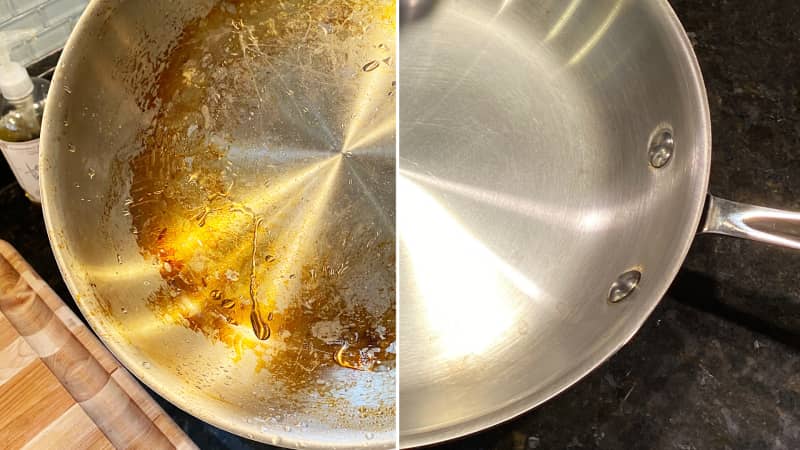
Stubborn stains on stainless steel cookware can spoil its shine and make cleaning tough. These marks come from burnt food, minerals, or grease. Removing them gently keeps your pots and pans looking new. Use safe, simple methods with common household items. This helps protect the surface and keeps the steel smooth.
Using Baking Soda Paste
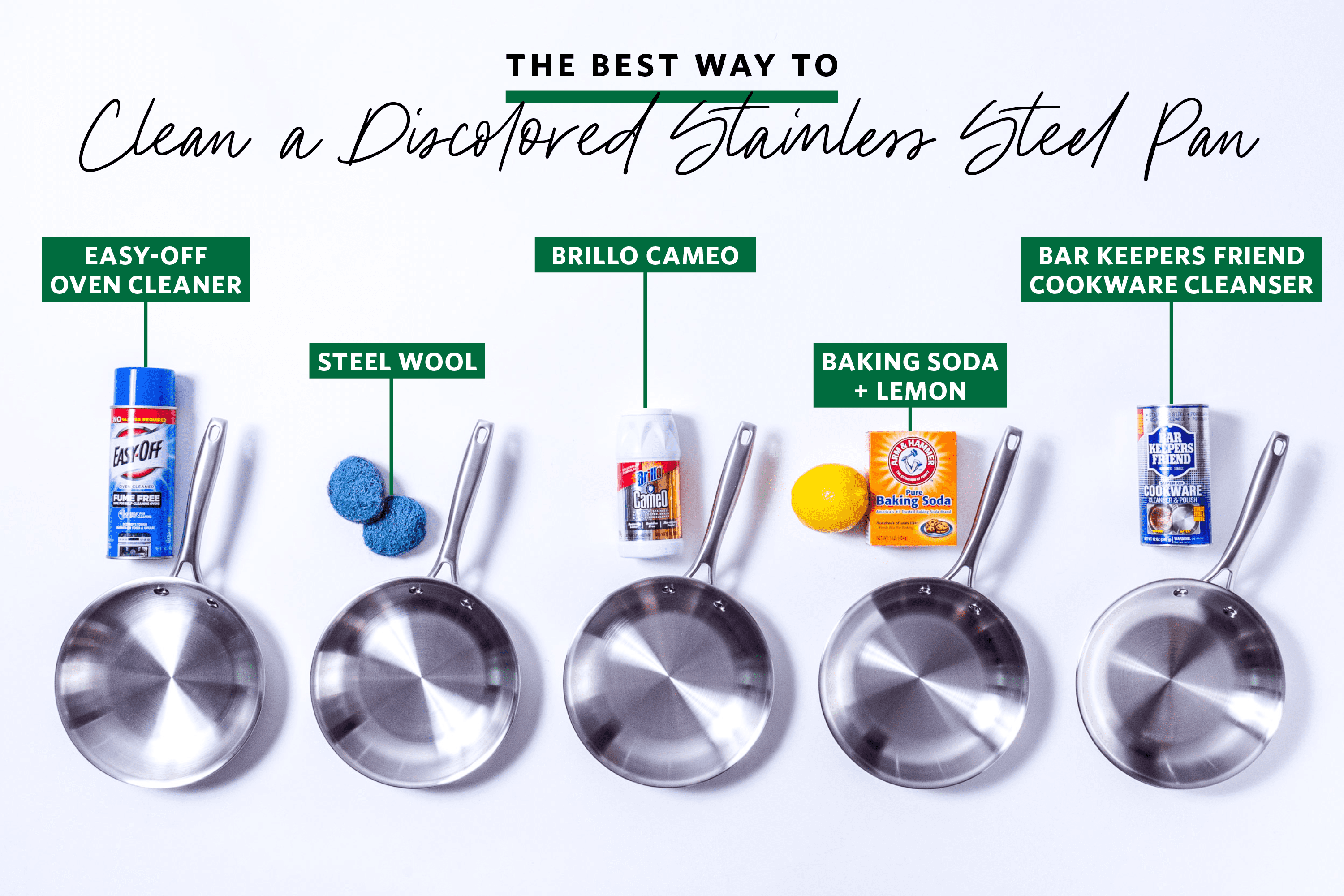
Baking soda is a mild abrasive. It cleans without scratching stainless steel. Mix baking soda with water to form a thick paste. Spread the paste on stains. Let it sit for 15-20 minutes. Use a soft cloth or sponge to scrub gently. Rinse well with warm water. Dry your cookware with a clean towel.
Vinegar Soak Method
White vinegar breaks down mineral deposits and grease. Fill your sink or a basin with equal parts vinegar and warm water. Soak your cookware for 30 minutes. This loosens tough stains and grime. After soaking, scrub lightly with a sponge. Rinse thoroughly to remove vinegar smell. Dry completely to prevent water spots.
Lemon Juice Applications
Lemon juice acts as a natural cleaner and deodorizer. Cut a lemon in half. Rub the lemon directly on the stained areas. The acid helps lift the stains. Let the juice sit for 10 minutes. Wipe the surface with a damp cloth. Rinse and dry your cookware well. This method adds a fresh scent too.
Dealing With Burnt Residue
Burnt residue on stainless steel cookware can be tough to clean. It sticks to the surface and spoils the pan’s look. Removing it carefully keeps your cookware shiny and safe to use. Follow these simple steps to clear burnt food without damaging your pots and pans.
Boiling Water And Soap
Fill the pan with water. Add a few drops of dish soap. Heat the pan on the stove until the water boils. Let it boil for a few minutes. The hot soapy water softens the burnt residue. After cooling, use a sponge to wipe the loosened food away. Repeat if needed for stubborn spots.
Scraping Gently
Use a plastic or wooden scraper. Avoid metal tools to prevent scratches. Gently scrape the burnt bits after soaking. Work slowly to protect the pan’s surface. Rinse the pan well to remove leftover debris. This method helps remove tough residue safely.
Commercial Cleaners
Choose cleaners made for stainless steel cookware. Follow the product instructions carefully. Apply the cleaner on the burnt areas. Let it sit for the recommended time. Use a soft cloth or sponge to clean the pan. Rinse thoroughly to remove all cleaner traces. Use these products only when other methods fail.
Polishing Stainless Steel Cookware
Polishing stainless steel cookware keeps it bright and looking new. Over time, cooking can leave marks and dullness on the surface. Polishing removes these signs and restores the shine. It also helps protect the cookware from stains and rust. You can use simple home methods or special products made just for stainless steel. Both ways work well to keep your pots and pans clean and shiny.
Olive Oil Shine Trick
Olive oil makes a great natural polish for stainless steel. Put a small amount of olive oil on a soft cloth. Rub the oil gently over the cookware’s surface. The oil fills tiny scratches and adds a nice shine. Wipe off any extra oil with a clean cloth. This trick is easy, safe, and uses items from your kitchen.
Specialized Polishing Products
Special polishing products can also restore the shine of stainless steel. These products are made to clean deeply and protect the surface. Use a small amount on a soft cloth and rub gently. Follow the instructions on the label for best results. These products work well for tough stains and scratches. They keep your cookware looking new for a long time.
Credit: www.thekitchn.com
Maintaining Cookware Longevity
Maintaining the longevity of stainless steel cookware keeps it looking great and working well. Proper care prevents damage and extends its life. Simple habits can protect your investment and keep your kitchen tools ready for years.
Avoiding Harsh Chemicals
Harsh chemicals can damage stainless steel surfaces. Steer clear of bleach, oven cleaners, and strong detergents. Use mild dish soap and warm water for cleaning. These gentle cleaners protect the finish and prevent corrosion.
Proper Storage Tips
Store cookware in a dry place to avoid rust spots. Stack pans carefully with soft cloth or paper towels between them. This prevents scratches and dents. Hanging pots also keeps them safe and easy to access.
Regular Inspection
Check your cookware regularly for signs of damage or wear. Look for scratches, stains, or loose handles. Fix small problems early to avoid bigger issues later. Regular inspection keeps your cookware safe and reliable.
Credit: www.americastestkitchen.com
Frequently Asked Questions
How Do I Clean Burnt Stainless Steel Cookware?
To clean burnt stainless steel cookware, soak it in warm soapy water for 30 minutes. Use a non-abrasive sponge to scrub gently. For stubborn stains, apply a paste of baking soda and water, then rinse thoroughly with warm water and dry.
Can I Use Dishwasher For Stainless Steel Cookware?
Yes, most stainless steel cookware is dishwasher safe. However, hand washing is recommended to preserve the cookware’s finish and longevity. Avoid harsh detergents and ensure cookware is dried immediately to prevent water spots and discoloration.
What Is The Best Soap For Washing Stainless Steel Cookware?
Mild dish soap is best for washing stainless steel cookware. Avoid bleach, chlorine, and abrasive cleaners as they can damage the surface. Use warm water and a soft sponge to maintain the cookware’s shine and prevent scratches.
How Do I Remove Water Spots From Stainless Steel Pots?
To remove water spots, wipe cookware with a cloth dampened in vinegar or lemon juice. Rinse with warm water and dry immediately. This helps restore shine and prevents mineral deposits from dulling the surface.
Conclusion
Cleaning stainless steel cookware keeps it shiny and lasts longer. Use gentle soap and warm water for daily washing. Avoid steel wool or harsh scrubbers to prevent scratches. Dry your cookware immediately to stop water spots. Regular care keeps your pots and pans looking new.
Small efforts make a big difference in kitchen tools. Enjoy cooking with clean, well-maintained stainless steel every day. Simple steps create lasting results for your cookware.

Hello, This is Annie Walker, a 38-year-old blogger, founder, and editor of Cookware Guider from NY, USA. I am a cookware fanatic and passionate cooker. I love to cook with different types of cooking appliances (example: all types of cookware, rice cookers, slow cookers, etc) almost every day in my kitchen. I love to share my experience with my readers in my blog. Also, I enjoy helping people to solve their problems through my website. You can follow me on Twitter & Pinterest. To know details about my blog please check the about us page.