
Have you ever wondered if your non-stick pans are harming your health? You probably use them every day, trusting they make cooking easier and cleanup faster.
But what if the very cookware you rely on is releasing toxic chemicals into your food? Understanding how toxic non-stick cookware really is can help you make safer choices for you and your family. Keep reading to discover what’s behind the slick surface and how it might affect your health.

Credit: misen.com
Non Stick Cookware Materials
Non stick cookware uses special coatings to keep food from sticking. These coatings make cooking and cleaning easier. Not all non stick coatings are the same. Some are safer than others. Knowing about the materials helps you choose better options.
Different coatings use different chemicals. These chemicals affect how safe the cookware is. Some can release harmful fumes if heated too much. Others stay stable even with high heat.
Common Types Of Coatings
The most common non stick coating is PTFE, often called Teflon. It works well at low to medium heat. Ceramic coatings are also popular. They come from natural minerals and are free from PTFE and PFOA. Another type is silicone-based coatings. These are less common but offer some non stick properties.
Cast iron and stainless steel pans can also have non stick finishes. These are usually done by seasoning or special treatments. They are safer but need care to keep their non stick surface.
Chemical Composition
PTFE coatings are made from polytetrafluoroethylene. This chemical is stable below 260°C (500°F). Above this, it can break down and release toxic fumes. PFOA, once used to make PTFE, is now mostly removed due to health risks.
Ceramic coatings are made from silica and oxygen. They do not release harmful fumes even at high heat. Silicone coatings come from silicon and oxygen atoms. They are generally safe but less durable than PTFE or ceramic.
Knowing the chemicals helps avoid toxic exposure. Cookware with ceramic or well-seasoned cast iron is safer for health.
Health Risks Linked To Non Stick Pans
Non-stick pans are popular for easy cooking and cleaning. Yet, many wonder about their safety. Some chemicals in these pans may cause health problems. Understanding these risks helps you make better choices in the kitchen.
Heating non-stick pans too much can release harmful substances. These substances might affect your health in several ways. Learning about these effects is important for your well-being.
Toxic Fumes And Their Effects
Non-stick coatings often contain a chemical called PTFE. When heated above 500°F (260°C), PTFE breaks down and releases toxic fumes. These fumes can cause flu-like symptoms known as “polymer fume fever.”
People exposed to these fumes may experience headaches, chills, and fever. Birds are especially sensitive and can die from fumes. These fumes irritate the lungs and make breathing hard.
Potential Long-term Consequences
Long-term exposure to chemicals from non-stick pans may harm the liver and kidneys. Some studies link these chemicals to hormone disruption. There is also concern about increased risk of cancer.
Research is ongoing, but caution is wise. Avoid overheating pans and use alternatives when possible. Simple steps can reduce your risk and protect your health.
Heat And Toxicity Levels
Non-stick cookware is popular for easy cooking and cleaning. But heat can affect its safety. High temperatures can cause the non-stick coating to release harmful fumes. Understanding heat and toxicity levels is important to stay safe while cooking.
Temperature Thresholds
Most non-stick pans use a coating called PTFE. This coating stays safe up to about 260°C (500°F). Above this, it starts to break down. When the pan gets hotter than 260°C, toxic particles may form. This can happen quickly if the pan is empty or heated too high.
Risks Of Overheating
Overheating non-stick pans can cause fumes that irritate the lungs. Pets like birds are especially sensitive to these fumes. Long exposure may cause flu-like symptoms in people. Cooking at medium or low heat reduces these risks. Avoid heating an empty pan or leaving it on high heat for long.

Credit: www.amazon.com
Environmental Impact
Non-stick cookware affects the environment in several ways. Its production and disposal create problems that many people do not see. Understanding these issues helps us make better choices for the planet.
Manufacturing Concerns
Making non-stick pans uses chemicals that harm the environment. Factories release toxic gases and waste into the air and water. These chemicals can damage plants, animals, and human health nearby. The process also uses a lot of energy, increasing carbon emissions. Choosing products with safer manufacturing methods can reduce this harm.
Disposal And Pollution
Non-stick cookware is hard to recycle because of its coating. Most of it ends up in landfills, where it breaks down slowly. The chemicals inside can leak into the soil and water, causing pollution. Burning old pans can release toxic fumes into the air. Proper disposal methods and recycling programs are needed to lower this impact.
Safe Alternatives To Traditional Non Stick
Traditional non-stick cookware can release harmful chemicals when heated. Many people want safer options for cooking. Safe alternatives offer good cooking results without toxic risks. These alternatives use natural materials and avoid harmful coatings. Choosing the right alternative depends on your cooking style and needs.
Ceramic And Cast Iron Options
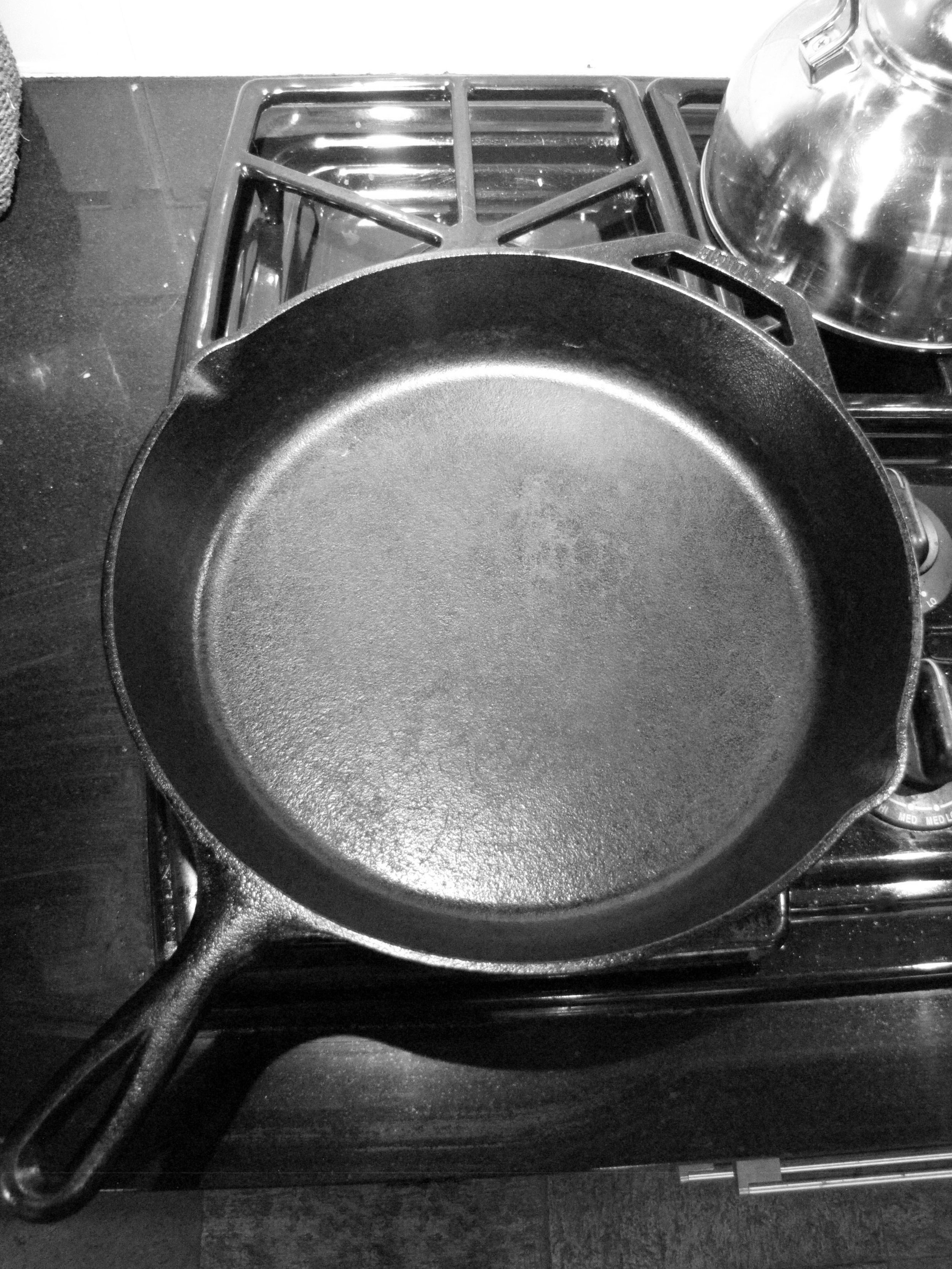
Ceramic cookware has a smooth, non-stick surface made from natural materials. It heats evenly and does not release toxic fumes. Cast iron pans are heavy but last for many years. They develop a natural non-stick layer when seasoned properly. Both options can handle high heat without damage.
Pros And Cons Of Alternatives
Ceramic pans are easy to clean and lightweight. They do not scratch easily but may wear out faster. Cast iron is very durable and improves with use. It requires regular seasoning and is heavy to lift. Both require care to keep their non-stick qualities. Choosing between them depends on your preference and cooking habits.
Tips To Minimize Toxic Exposure
Non-stick cookware can release harmful chemicals if not used properly. Following simple tips helps reduce toxic exposure. Careful handling keeps your kitchen safer and your food healthier.
Proper Usage Guidelines
Always cook on low to medium heat. High heat breaks down the non-stick coating. Avoid preheating an empty pan. This can cause toxic fumes to form quickly. Use wooden or silicone utensils. Metal tools can scratch the surface. Scratches increase chemical release. Replace pans once the coating peels or chips. Old, damaged pans are more dangerous.
Maintenance And Care
Wash pans by hand with mild soap. Avoid abrasive sponges or steel wool. These damage the coating and reduce safety. Dry cookware thoroughly after washing. Store pans carefully to prevent scratches. Avoid stacking pans without protection. Use soft cloth or paper towels between them. Regular care extends the life of non-stick surfaces.
Credit: www.nontoxicrevolution.org
Frequently Asked Questions
Are Non-stick Cookware Chemicals Harmful To Health?
Non-stick cookware can release toxic fumes when overheated, which may harm health. Proper use and avoiding high heat reduce risks significantly.
What Toxins Are In Non-stick Cookware Coatings?
Non-stick coatings often contain PTFE and PFOA, chemicals linked to health concerns. Most modern cookware is now PFOA-free and safer to use.
How To Safely Use Non-stick Cookware?
Use low to medium heat and avoid metal utensils. Do not overheat or scratch the surface to prevent toxic release.
Can Non-stick Cookware Cause Long-term Health Issues?
Prolonged exposure to fumes from overheated non-stick pans may cause respiratory problems. Proper use minimizes these risks effectively.
Conclusion
Non-stick cookware can release harmful fumes if overheated. Using low to medium heat keeps you safe. Avoid scratching the surface to prevent chemical leaks. Choose quality brands for better safety and durability. Regularly replace old or damaged pans to protect health.
Safe cooking depends on how you use your tools. Stay informed and handle cookware with care. Your health matters more than convenience.

Hello, This is Annie Walker, a 38-year-old blogger, founder, and editor of Cookware Guider from NY, USA. I am a cookware fanatic and passionate cooker. I love to cook with different types of cooking appliances (example: all types of cookware, rice cookers, slow cookers, etc) almost every day in my kitchen. I love to share my experience with my readers in my blog. Also, I enjoy helping people to solve their problems through my website. You can follow me on Twitter & Pinterest. To know details about my blog please check the about us page.