
Is your enamel cookware looking dull or stained? You’re not alone.
Over time, even the best pots and pans can lose their shine and develop stubborn discoloration. But don’t worry—whitening your enamel cookware is easier than you think. You’ll discover simple, effective ways to restore that bright, clean look. Keep reading, and you’ll learn how to bring your favorite kitchen tools back to life, making your cooking experience more enjoyable and your kitchen more inviting.
Common Stains On Enamel Cookware
Enamel cookware often shows stains after regular use. These stains can make your pots and pans look old and dirty. Knowing the types of common stains helps in cleaning them properly. Below are the usual stains found on enamel cookware and how they appear.
Burnt Food Residue
Burnt food residue sticks tightly to enamel surfaces. It appears as dark, crusty patches that are hard to remove. This residue forms when food cooks at high heat or is left on the stove too long. Scrubbing with harsh tools can damage the enamel coating.
Discoloration And Rust Spots
Discoloration happens from cooking acidic foods like tomatoes or vinegar. It changes the original color of the enamel, leaving dull or faded areas. Rust spots appear if the enamel cracks or chips, exposing metal underneath. Rust weakens cookware and needs fast care.
Mineral Deposits
Mineral deposits show as white or cloudy marks on the surface. These come from hard water used during washing or cooking. Over time, minerals build up and reduce the shine of enamel cookware. Regular cleaning helps prevent these deposits.
Safe Cleaning Materials
Choosing safe cleaning materials protects the enamel on your cookware. Enamel can chip or dull with harsh scrubbing or chemicals. Using the right products keeps your pots and pans bright and smooth. Safe cleaners remove stains without harming the surface. They extend the life of your cookware and keep it looking fresh.
Gentle Abrasive Options
Soft scrubbing pads work well for enamel. Use sponges or cloths with a mild abrasive side. Baking soda is a gentle scrubber that lifts stains safely. Avoid steel wool or rough brushes. These can scratch and damage the enamel finish.
Natural Cleaning Agents
Vinegar helps dissolve mineral deposits and brighten enamel. Lemon juice is a natural bleach and freshener. Mix these with water for safe cleaning solutions. They clean without harmful chemicals and leave a fresh scent. Natural cleaners are easy to find and gentle on cookware.
Avoiding Harsh Chemicals
Stay away from bleach and ammonia on enamel cookware. These chemicals eat away at the enamel coating. Strong oven cleaners can cause permanent damage. Choose mild dish soap or natural products instead. Protect your cookware by using safe, gentle cleaning materials only.
Step-by-step Whitening Methods
Whitening enamel cookware can bring back its bright, clean look. Using simple household items, you can remove stains and discoloration. Follow these step-by-step methods to restore your cookware’s shine safely and effectively.
Baking Soda Paste Technique
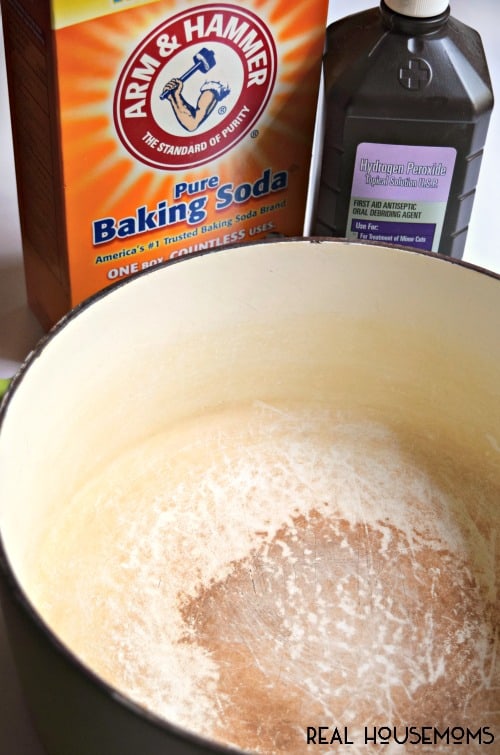
Make a thick paste with baking soda and water. Spread the paste over stained areas of the cookware. Let it sit for 15 to 20 minutes. Gently scrub with a soft sponge or cloth. Rinse well with warm water. Dry the cookware with a clean towel. This method lifts stains without harming the enamel surface.
Vinegar Soak Method
Fill the cookware with equal parts vinegar and hot water. Let it soak for 1 to 2 hours. The vinegar breaks down mineral deposits and tough stains. After soaking, scrub lightly with a sponge. Rinse thoroughly with warm water. Dry completely before storing. This method brightens the enamel and removes stubborn marks.
Hydrogen Peroxide Treatment
Pour hydrogen peroxide into the cookware, enough to cover stains. Leave it for 30 minutes to an hour. Hydrogen peroxide works as a mild bleach and disinfectant. Use a soft brush to scrub gently after soaking. Rinse with warm water and dry well. This method whitens the enamel without harsh chemicals.

Credit: www.amazon.com
Preventing Future Stains
Preventing future stains on enamel cookware keeps your pots and pans looking bright and new. Simple daily habits protect the smooth, glossy surface. Avoiding stains saves time and effort in cleaning later. Careful attention to cleaning, storage, and maintenance makes a big difference. Follow these tips to keep your enamel cookware spotless.
Proper Cleaning Habits
Clean your enamel cookware soon after use. Warm water and mild dish soap work best. Use a soft sponge or cloth to avoid scratches. Never use steel wool or abrasive cleaners. For tough spots, soak the cookware in warm soapy water. Gently scrub after soaking to remove residue. Dry the cookware well to prevent water spots.
Storage Tips
Store your enamel cookware in a dry place. Avoid stacking pots and pans directly on each other. Place paper towels or cloth between pieces to stop scratches. Keep lids separate or upside down to save space. Store cookware where air can circulate. This helps prevent moisture build-up and stains.
Routine Maintenance
Check your enamel cookware regularly for chips or cracks. Small damages can trap food and cause stains. Use baking soda paste to clean stubborn marks without harm. Rinse well and dry after cleaning. Polishing occasionally with a soft cloth keeps the enamel shiny. Routine care extends the life of your cookware.
When To Replace Enamel Cookware
Enamel cookware adds charm and color to any kitchen. It also cooks food evenly and cleans up easily. But enamel can wear down over time. Knowing when to replace your enamel cookware helps keep your food safe and tasty.
Using damaged cookware may cause health risks. It may also ruin your meals. Watch for signs that your cookware is past its prime. This way, you can decide if it needs replacing.
Visible Chips And Cracks
Check your enamel cookware for chips or cracks. These can trap bacteria and cause rust. Chips also expose the metal underneath. This can affect the cooking surface and food taste. Small chips may grow larger with use.
Stubborn Stains And Discoloration
Some stains resist cleaning and change the cookware’s look. Deep discoloration may mean the enamel has worn thin. Stains can also affect food quality. If whitening does not work, consider replacing the pot or pan.
Uneven Cooking And Hot Spots
Enamel helps heat food evenly. If you notice hot spots or uneven cooking, the enamel may be damaged. This can cause food to burn or cook poorly. Replace cookware that no longer heats properly.
Rust Formation
Rust on enamel cookware means the coating is broken. Rust can mix with food, causing health problems. Small rust spots often grow larger. Replace cookware with rust to stay safe.
Loose Handles Or Parts
Handles and lids must be secure. Loose parts are dangerous and hard to use. Wobbly handles may cause spills or burns. Replace cookware with broken or loose parts for safety.
Credit: realhousemoms.com
Credit: www.etsy.com
Frequently Asked Questions
How Can I Remove Stains From Enamel Cookware?
To remove stains, soak the cookware in warm water and baking soda for 30 minutes. Scrub gently with a non-abrasive sponge. Avoid harsh cleaners that can damage the enamel surface.
What Natural Cleaners Whiten Enamel Cookware Effectively?
Baking soda, vinegar, and lemon juice are natural whiteners. Mix baking soda and water to form a paste. Apply it to stains, let sit, then scrub gently for best results.
Can I Use Bleach To Whiten Enamel Cookware?
Avoid bleach as it can damage enamel and cause discoloration. Use mild, non-abrasive cleaners like baking soda or vinegar instead for safe whitening.
How Often Should I Clean Enamel Cookware To Keep It White?
Clean enamel cookware after every use. Regular cleaning prevents stains and buildup. Use gentle cleaners and avoid metal scrubbers to maintain its whiteness and shine.
Conclusion
Whitening enamel cookware is simple with the right steps. Use gentle cleaners and avoid harsh scrubbing to protect the surface. Regular cleaning keeps your cookware looking bright and new. Small efforts make a big difference in maintaining your pots and pans.
Enjoy cooking with cookware that looks fresh and clean every day. Keep these tips in mind for long-lasting, shiny enamel cookware. Try these easy methods and see the results yourself.

Hello, This is Annie Walker, a 38-year-old blogger, founder, and editor of Cookware Guider from NY, USA. I am a cookware fanatic and passionate cooker. I love to cook with different types of cooking appliances (example: all types of cookware, rice cookers, slow cookers, etc) almost every day in my kitchen. I love to share my experience with my readers in my blog. Also, I enjoy helping people to solve their problems through my website. You can follow me on Twitter & Pinterest. To know details about my blog please check the about us page.