
Juicy, golden-brown chicken tenders are a favorite in many kitchens. They cook quickly, go well with many sides, and make a simple weeknight meal or party snack. But how long does it really take to pan fry chicken tenders perfectly?
The answer depends on a few key factors—thickness, temperature, oil, and even the pan you use. If you want chicken that’s crispy outside and safe, juicy inside, you need the right timing and technique.
This guide explains everything you need to know about pan frying chicken tenders—from timing and temperatures to tips that make a real difference. You’ll also see clear tables for different cooking times and thicknesses, so you never have to guess. Let’s dive in so your next batch of chicken tenders comes out just right.
What Are Chicken Tenders?
Chicken tenders are the thin strips of meat under the chicken breast. They are sometimes called “chicken strips” or “chicken fingers.” Because they are small and tender, they cook faster than whole chicken breasts. This makes them great for pan frying.
You can buy them pre-cut at the store, or slice your own from boneless, skinless chicken breasts. When cutting your own, keep the pieces as even as possible. This helps them cook at the same rate.
Why Pan Frying Works So Well
Pan frying means cooking food in a thin layer of oil in a skillet or frying pan. It’s not deep frying, but more oil than sautéing. The main benefits:
- Fast cooking time (usually under 10 minutes)
- Crispy, golden exterior
- Easy to control the doneness
- Less oil than deep frying
Compared to baking, pan frying gives chicken tenders a crispier outside. It also keeps the inside juicy if done right. Plus, you don’t need special equipment—just a good skillet.
Key Factors That Affect Pan Frying Time
How long you should pan fry chicken tenders depends on a few details. Knowing these helps you avoid raw or overcooked chicken.
1. Thickness Of The Chicken
Thicker pieces take longer to cook. A typical tender is about 1/2 inch thick. If yours are thicker, add a minute or two per side.
2. Pan Temperature
Medium-high heat is best. Too low, and the chicken gets soggy. Too high, and the outside burns before the inside cooks.
3. Oil Type
Use oils with a high smoke point, like canola, vegetable, or peanut oil. Olive oil works, but can burn at higher heats.
4. Breaded Vs. Unbreaded
Breaded tenders take slightly longer than plain ones. The coating insulates the meat and needs time to crisp.
5. Amount In Pan
Don’t crowd the pan. If you add too many tenders, the heat drops, and they cook unevenly. Cook in batches if needed.
How Long To Pan Fry Chicken Tenders
Most chicken tenders take about 3–4 minutes per side over medium-high heat. But always check the internal temperature—it should reach 165°F (74°C).
Here’s a handy timing guide:
| Chicken Tender Thickness | Pan Fry Time (Per Side) | Total Time |
|---|---|---|
| 1/2 inch | 3–4 minutes | 6–8 minutes |
| 3/4 inch | 4–5 minutes | 8–10 minutes |
| 1 inch | 5–6 minutes | 10–12 minutes |
Always flip once for even browning. For best results, use a meat thermometer. Insert it into the thickest part—if it reads 165°F (74°C), your tenders are done.
Breaded Vs. Unbreaded Tenders
Breaded tenders need a bit more time for the coating to get crispy.
| Tender Type | Pan Fry Time (Per Side) | Total Time |
|---|---|---|
| Breaded | 4–5 minutes | 8–10 minutes |
| Unbreaded | 3–4 minutes | 6–8 minutes |
If you use a thick batter, add 1 extra minute per side.
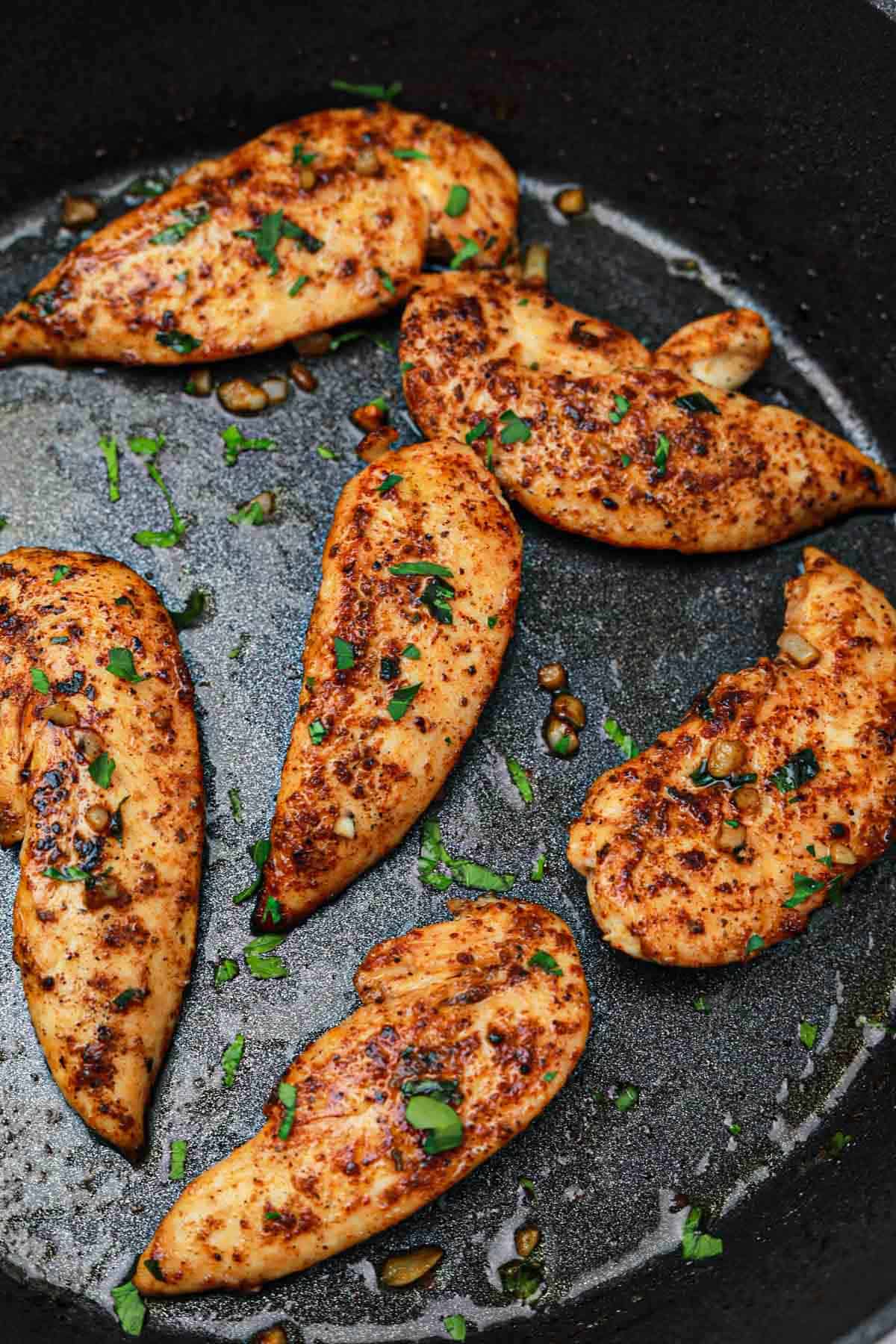
Credit: www.recipevibes.com
Step-by-step Guide To Pan Fry Chicken Tenders
Here’s a simple method to get juicy, crispy chicken tenders every time.
Ingredients
- 1 pound chicken tenders (about 10 pieces)
- 1 cup flour (for breading, optional)
- 2 eggs, beaten (for breading, optional)
- 1 cup breadcrumbs or panko (for breading, optional)
- 1 teaspoon salt
- 1/2 teaspoon black pepper
- 1/2 teaspoon paprika (optional)
- 1/4 teaspoon garlic powder (optional)
- 1/2 cup oil (canola or vegetable)
Instructions
- Prep the Chicken: Pat the chicken tenders dry. This helps them brown better.
- Season: Sprinkle both sides with salt, pepper, and other seasonings.
- Breading (Optional):
- Dredge in flour.
- Dip in beaten eggs.
- Coat in breadcrumbs or panko.
- Heat Oil: Pour oil into a skillet to about 1/4 inch deep. Heat over medium-high until shimmering (about 350°F/175°C).
- Cook the Tenders: Place chicken in the pan in a single layer. Do not overcrowd.
- Fry: Cook for 3–5 minutes per side (see tables above). Flip once, using tongs.
- Check Doneness: The outside should be golden brown. Use a thermometer to check for 165°F (74°C) in the center.
- Drain: Move cooked tenders to a paper towel–lined plate to remove extra oil.
- Rest: Let them rest 2–3 minutes before serving. This keeps juices inside.
Cooking Tips
- Don’t move the tenders too much. Letting them sit helps a crust form.
- If the oil starts to smoke, lower the heat a bit.
- For extra crispiness, use panko breadcrumbs.
Common Mistakes And How To Avoid Them
Even experienced cooks sometimes end up with dry or raw chicken. Here are mistakes to watch for:
1. Pan Too Hot
If your oil is smoking, the outside will burn before the inside cooks. Medium-high heat is enough for even browning.
2. Skipping The Thermometer
Guessing is risky. A meat thermometer removes all doubt. It’s a small investment that saves many ruined meals.
3. Crowding The Pan
Adding too many tenders drops the oil temperature and leads to soggy, uneven chicken. Cook in small batches if needed.
4. Not Drying Chicken
Wet chicken steams instead of fries. Pat dry with paper towels before seasoning.
5. Undercooking Or Overcooking
Both make the meal less enjoyable. Stick to the timing guidelines and check temperature to get it right.
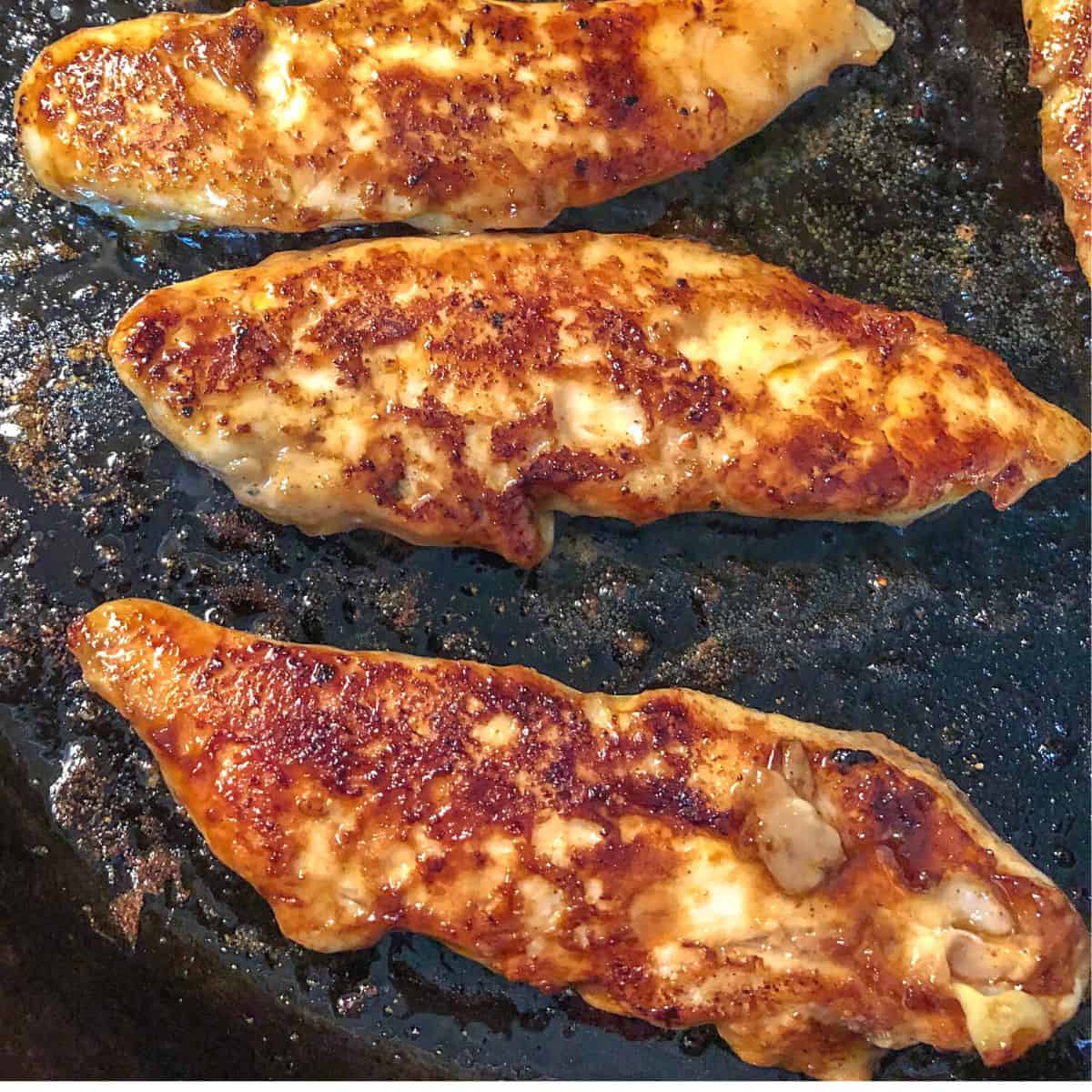
Credit: easyhealthllc.com
How To Tell If Chicken Tenders Are Done Without A Thermometer
Not everyone owns a meat thermometer. While it’s the best way, you can also check doneness by:
- Cutting into the thickest piece: The meat should be white, not pink, and juices should run clear.
- Pressing gently: Cooked chicken feels firm, not mushy or rubbery.
- Watching the juices: If you press with a fork and the juice is clear, your tenders are likely done.
However, these methods are less precise. For food safety, a thermometer is best.
Best Oils For Pan Frying Chicken Tenders
Choosing the right oil makes a difference in both taste and texture. Here’s a quick comparison:
| Oil Type | Smoke Point (°F) | Flavor | Best Use |
|---|---|---|---|
| Canola | 400 | Neutral | Everyday frying |
| Vegetable | 400–450 | Neutral | Good for most recipes |
| Peanut | 450 | Mild, nutty | Extra crispiness |
| Olive (light) | 465 | Slightly fruity | Use if you like olive flavor |
Avoid butter or unrefined oils—they burn too easily at frying temperatures.

Credit: thispilgrimlife.com
Flavor Variations For Pan Fried Chicken Tenders
Pan fried chicken tenders are easy to customize. Here are a few ways to change the flavor:
- Spicy: Add cayenne pepper or hot sauce to your egg wash.
- Herby: Mix dried oregano, thyme, or basil into the breadcrumbs.
- Cheesy: Stir grated Parmesan into the coating.
- Asian-inspired: Use a little soy sauce and sesame seeds in the breading.
These simple touches can make your chicken taste completely different.
Serving Suggestions
Chicken tenders go with almost anything. Try these combos:
- Classic: Serve with fries and ketchup
- Light: Add to a green salad
- Kids’ favorite: With mac and cheese
- Fresh: Use in a wrap with lettuce and tomato
- Dipping: Offer ranch, honey mustard, or BBQ sauce
For a balanced meal, add a veggie side like steamed broccoli or roasted carrots.
Storing And Reheating Leftover Tenders
If you have leftovers, let them cool before storing.
- Fridge: Store in an airtight container for up to 3 days.
- Freezer: Freeze on a tray, then transfer to a bag for up to 2 months.
To reheat, use a toaster oven or oven at 375°F for 8–10 minutes. This keeps them crispy. Avoid microwaving—they can get soggy.
Non-obvious Insights For Perfect Chicken Tenders
Many beginners overlook these details:
- Letting the meat rest after cooking keeps juices inside. Don’t serve immediately—wait 2–3 minutes.
- Start with room-temperature chicken. If it’s too cold, the outside cooks before the inside, leading to uneven results.
- Rotate the pan if your stove has hot spots. This gives even browning.
- Clean oil between batches if breading burns. Use a slotted spoon to remove burnt bits.
These small steps can make a big difference in taste and texture.
Food Safety And Final Tips
Chicken must always reach 165°F (74°C) to be safe. Undercooked chicken can cause illness. Never leave cooked chicken at room temperature for more than 2 hours. If you’re unsure about cooking times, check the USDA’s official chicken safety page for more tips (USDA Chicken Safety).
If you’re cooking for a crowd, keep finished tenders warm in a 200°F oven until ready to serve.
Pan frying chicken tenders is simple, but the details matter. With the right timing, oil, and a watchful eye, you’ll get juicy, crispy results every time.
Frequently Asked Questions
How Do I Know When Chicken Tenders Are Fully Cooked?
Chicken tenders are fully cooked when the internal temperature hits 165°F (74°C). If you don’t have a thermometer, cut into the thickest piece—there should be no pink, and the juices should run clear.
Can I Use Olive Oil For Pan Frying Chicken Tenders?
Yes, but use light olive oil. Extra virgin olive oil can burn at high heat. Light olive oil or other oils with a high smoke point are safer choices.
Why Are My Chicken Tenders Not Crispy?
Common reasons include oil that’s not hot enough, overcrowding the pan, or too much moisture on the chicken. Dry the chicken well, use hot oil, and cook in small batches for best crispiness.
What’s The Best Way To Reheat Pan Fried Chicken Tenders?
Use a toaster oven or regular oven at 375°F (190°C) for 8–10 minutes. This keeps the coating crisp. Avoid microwaving if you want them to stay crunchy.
Can I Pan Fry Frozen Chicken Tenders?
It’s better to thaw them first for even cooking. Pan frying frozen chicken can cause the outside to burn before the inside is cooked. If you must use frozen, cook over lower heat and add extra time, but always check the internal temperature.
Now you know exactly how long to pan fry chicken tenders and how to get the best results. With these steps and tips, your next meal will be a crispy, juicy success.

Hello, This is Annie Walker, a 38-year-old blogger, founder, and editor of Cookware Guider from NY, USA. I am a cookware fanatic and passionate cooker. I love to cook with different types of cooking appliances (example: all types of cookware, rice cookers, slow cookers, etc) almost every day in my kitchen. I love to share my experience with my readers in my blog. Also, I enjoy helping people to solve their problems through my website. You can follow me on Twitter & Pinterest. To know details about my blog please check the about us page.