
Pan-frying salmon is one of the best ways to enjoy this flavorful fish at home. With its golden crust and juicy center, perfectly pan-fried salmon feels like a restaurant-quality meal—but it’s easier than most people think. Whether you want a quick weeknight dinner or something to impress guests, learning how to pan fry a salmon gives you a valuable kitchen skill. This guide covers everything you need: choosing the right salmon, prepping your fish, step-by-step frying instructions, common mistakes, and even pro tips for making your salmon unforgettable.
Why Pan Fry Salmon?
Pan frying creates a crisp exterior while keeping the inside tender. It’s faster than baking and brings out a rich, buttery flavor. You don’t need special equipment—just a pan, a spatula, and a few basic ingredients. Compared to grilling or poaching, pan frying gives you more control over the texture and seasoning. Plus, it’s easy to add sauces, herbs, or sides right in the same pan.
Choosing The Best Salmon
Picking the right salmon is the first step toward an amazing result. There are several types of salmon available in stores, and each has its own qualities.
| Type of Salmon | Flavor | Texture | Best For |
|---|---|---|---|
| Atlantic (Farmed) | Mild, slightly fatty | Soft, moist | Everyday cooking |
| King (Chinook) | Rich, buttery | Very tender | Special occasions |
| Coho (Silver) | Delicate, subtle | Medium-firm | Simple pan frying |
| Sockeye | Strong, deep | Firm, lean | Bold dishes |
Freshness is more important than type. Look for salmon with bright, moist flesh and no strong fishy smell. If buying fillets, the skin should be shiny and the color even.
Skin-on Vs. Skinless
For pan frying, skin-on fillets are usually better. The skin protects the flesh from overcooking and adds a crunchy texture. If you prefer skinless, be careful not to overcook, as the fish is more likely to dry out.
Tools And Ingredients Needed
You don’t need much to pan fry salmon, but the right tools make it easier.
Essential tools:
- Non-stick or stainless steel pan (10–12 inch is ideal)
- Fish spatula or thin metal spatula
- Paper towels
- Tongs (optional)
Basic ingredients (for 2 servings):
- 2 salmon fillets (6 oz each, skin-on recommended)
- 1–2 tablespoons cooking oil (canola, avocado, or light olive oil)
- 1 teaspoon salt (kosher or sea salt is best)
- ½ teaspoon black pepper
- 1 lemon (for juice and garnish)
Optional extras:
- Fresh herbs: Dill, parsley, or chives
- 1–2 tablespoons butter (for basting)
- Garlic cloves, thinly sliced
Prepping Your Salmon
Proper preparation makes a big difference in the final taste and texture.
- Pat dry: Use paper towels to dry both sides of the fillet, especially the skin. Moisture prevents crispiness.
- Remove bones: Run your fingers along the fillet. If you feel small bones, pull them out with tweezers.
- Season well: Sprinkle salt and pepper on both sides. For extra flavor, add a little lemon zest or your favorite spice blend.
Resting Before Cooking
Letting the salmon sit at room temperature for 10–15 minutes helps it cook evenly. Cold fish straight from the fridge may cook unevenly and curl up in the pan.
Step-by-step: How To Pan Fry Salmon
Cooking salmon in a pan is simple, but each step matters. Here’s a reliable method that works for most fillets.
- Heat the pan: Place your pan over medium-high heat for 2–3 minutes. Add oil and swirl to coat.
- Test the heat: The oil should shimmer but not smoke. If a drop of water sizzles, it’s ready.
- Place salmon skin-side down: Gently lay the fillet away from you to avoid splashing.
- Press lightly: For the first 30 seconds, press the fillet with a spatula to prevent curling.
- Let it cook: Don’t move the salmon for 3–5 minutes. The skin should become golden and crisp.
- Flip carefully: Slide your spatula under the fish and turn it over. Cook the other side for 2–3 minutes, depending on thickness.
- Baste (optional): Add a spoonful of butter and some garlic. Tilt the pan and spoon the melted butter over the fish for extra flavor.
- Check doneness: The salmon is done when it flakes easily and is just opaque in the center. Internal temperature should reach 125–130°F for medium.
Cooking Time Table
Here’s a quick reference for how long to pan fry salmon based on thickness.
| Fillet Thickness | Skin Side Down | Other Side | Total Time |
|---|---|---|---|
| ½ inch | 2–3 min | 1–2 min | 3–5 min |
| 1 inch | 4–5 min | 2–3 min | 6–8 min |
| 1½ inches | 6–7 min | 3–4 min | 9–11 min |
*Tip: If your fillet is very thick, you can cover the pan loosely for the last minute to help it cook through without drying out.*
Common Mistakes And How To Avoid Them
Even experienced cooks can make mistakes when pan frying salmon. Here are errors to watch for and how to avoid them:
- Starting with a cold pan: Leads to soggy skin. Always preheat the pan.
- Not drying the fish: Wet fillets will steam, not sear.
- Moving the fish too soon: Wait until the salmon easily releases from the pan before flipping.
- Overcooking: Salmon cooks fast. Use a thermometer or check for flaking.
- Too much oil: Just enough to coat the pan is best—excess oil makes the skin greasy.
Non-obvious insight: Many beginners don’t realize that skin-side cooking does almost all the work. Cooking mostly on the skin side gives a crisp crust while keeping the flesh moist.
Adding Flavor: Sauces And Garnishes
Pan-fried salmon is delicious on its own, but you can easily add variety with sauces and garnishes.
Easy sauce ideas:
- Lemon butter sauce: Melt butter, add lemon juice and chopped parsley.
- Dill yogurt: Mix Greek yogurt, fresh dill, lemon juice, and a pinch of salt.
- Honey mustard glaze: Whisk together honey, Dijon mustard, and a splash of vinegar.
Garnishes:
- Lemon wedges
- Chopped fresh herbs
- Sliced green onions
Quick Pan Sauce Example
After removing the salmon, add a splash of white wine to the hot pan. Scrape the browned bits, stir in a little butter and lemon juice, and pour over the fish. This simple move adds restaurant-style flavor.
Serving Suggestions
Salmon pairs well with many sides. Here are some classic and modern options:
- Steamed or roasted vegetables: Asparagus, broccoli, or carrots
- Rice or quinoa: Adds substance and soaks up sauces
- Salad: Mixed greens with a citrus vinaigrette
- Potatoes: Mashed, roasted, or boiled
For a balanced meal, aim for one protein, one grain, and one veggie.

Credit: cooking.nytimes.com
Health Benefits Of Pan-fried Salmon
Salmon is not only tasty but also loaded with nutrients.
| Nutrient | Amount (per 6 oz cooked) | Benefit |
|---|---|---|
| Protein | 34 g | Muscle health |
| Omega-3 fatty acids | ~2,200 mg | Heart, brain |
| Vitamin D | 570 IU | Bone health |
| B12 | 4.9 mcg | Energy, nerves |
Pan frying with minimal oil keeps the dish healthy, especially compared to deep frying. If you want fewer calories, skip the butter and serve with extra lemon.
Cleaning And Caring For Your Pan
Salmon skin can stick, especially on stainless steel. After cooking, let the pan cool slightly. Use a paper towel to wipe out excess oil, then wash with hot water and a sponge. For stubborn bits, add a little salt and scrub gently.
Avoid harsh chemicals on non-stick surfaces.
Non-obvious insight: If your fish sticks, it’s often because the pan wasn’t hot enough or you tried to flip it too early. Wait until the fish naturally releases before turning.
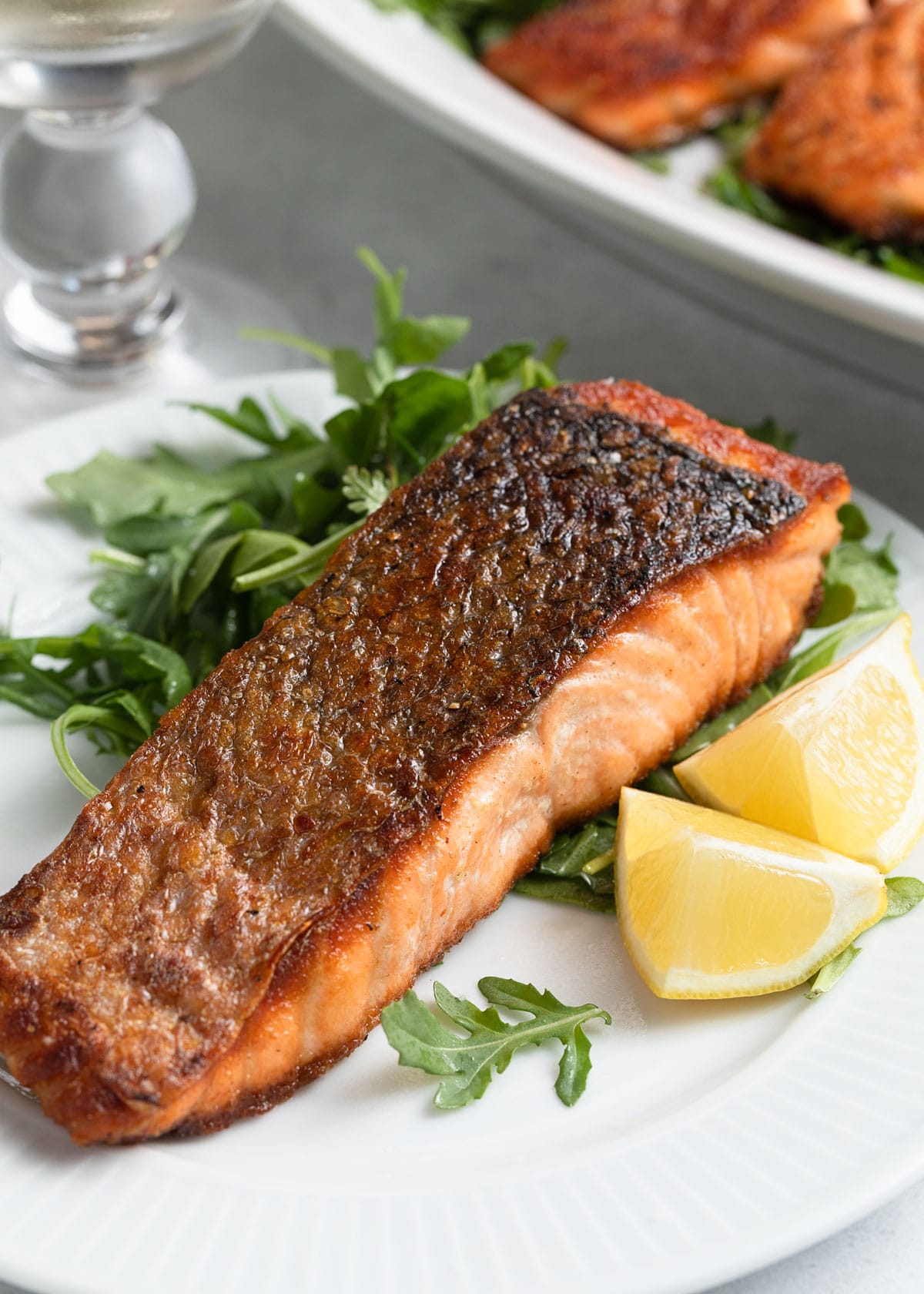
Credit: stripedspatula.com
Sustainable Salmon Choices
With wild fish stocks under pressure, choosing sustainable salmon matters. Look for labels like MSC (Marine Stewardship Council) or ask your fishmonger about farm practices. U.S.-farmed or Alaskan wild salmon are often good choices. For more on sustainable seafood, visit the Monterey Bay Aquarium Seafood Watch.
Frequently Asked Questions
How Do I Know When Salmon Is Fully Cooked?
When salmon is done, the flesh turns from translucent red or raw to opaque pink and flakes easily with a fork. If you use a thermometer, the center should read 125–130°F for medium.
Do I Need To Remove The Skin Before Pan Frying?
It’s best to leave the skin on during cooking. The skin protects the flesh from overcooking and adds crisp texture. You can remove it after frying if you prefer.
What Is The Best Oil For Pan Frying Salmon?
Choose a neutral, high-smoke-point oil like canola, avocado, or light olive oil. Extra-virgin olive oil can burn at high heat, so use it only for finishing, not for frying.
Can I Pan Fry Frozen Salmon?
Yes, but it’s better to thaw salmon first for even cooking and better texture. If you cook from frozen, rinse and pat dry well, then cook on lower heat to avoid burning the outside before the inside cooks through.
How Can I Keep My Kitchen From Smelling Fishy?
Pat the salmon dry before cooking, use fresh fish, and ventilate your kitchen. Cooking with lemon or adding herbs to the pan can help mask odors. Clean the pan soon after cooking.
Pan-frying salmon is a simple way to create a healthy, tasty meal in minutes. With the right preparation and a few tips, you can achieve crispy skin, moist flesh, and beautiful results every time. Enjoy experimenting with flavors, sauces, and sides as you master this classic technique.
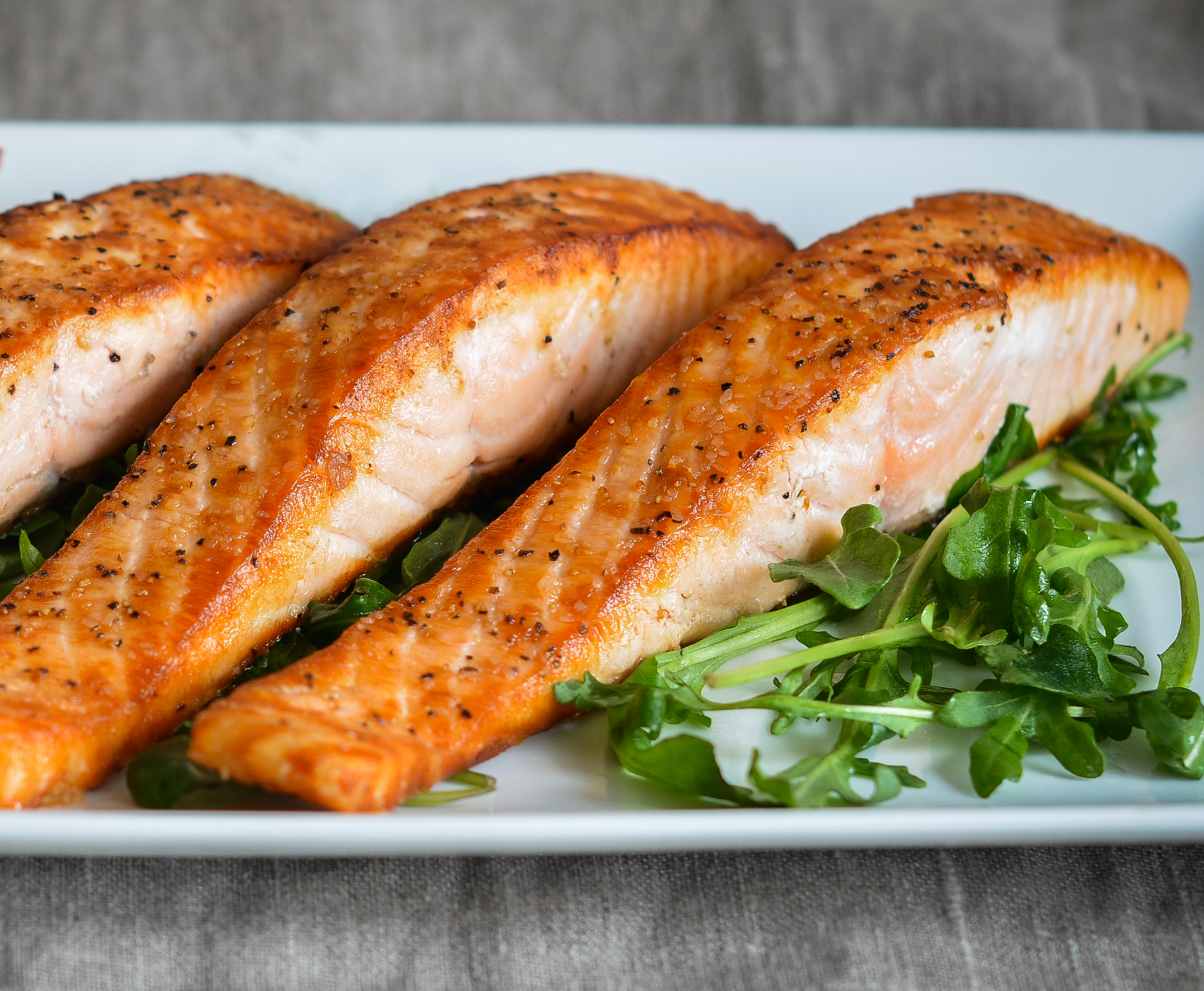
Credit: www.onceuponachef.com

Hello, This is Annie Walker, a 38-year-old blogger, founder, and editor of Cookware Guider from NY, USA. I am a cookware fanatic and passionate cooker. I love to cook with different types of cooking appliances (example: all types of cookware, rice cookers, slow cookers, etc) almost every day in my kitchen. I love to share my experience with my readers in my blog. Also, I enjoy helping people to solve their problems through my website. You can follow me on Twitter & Pinterest. To know details about my blog please check the about us page.