
Fried potatoes are a classic comfort food enjoyed worldwide. Whether you like them crispy like French fries or golden and tender like home fries, learning how to fry potatoes in oil in a pan is a skill any home cook can master. You don’t need special tools—just a good pan, basic ingredients, and a few simple techniques. While it may seem easy, getting the right texture and flavor depends on details many beginners overlook.
In this guide, you’ll discover how to fry potatoes perfectly every time. We’ll cover choosing the best potatoes, preparing them, selecting the right oil, pan, and heat level, and the step-by-step frying process. You’ll also see common mistakes and how to avoid them, as well as tips to customize your fried potatoes.
By the end, you’ll be able to make delicious, golden potatoes that impress family and friends.
Choosing The Right Potatoes
Picking the right kind of potato makes a big difference. Not all potatoes fry the same way. Some become crisp, while others turn soft or fall apart. Here’s what you need to know:
| Type of Potato | Texture When Fried | Best For |
|---|---|---|
| Russet | Crispy outside, fluffy inside | French fries, chips |
| Yukon Gold | Golden, creamy | Home fries, skillet potatoes |
| Red | Holds shape, waxy | Breakfast potatoes, hash |
Russet potatoes are best for crispy fries due to their high starch content. Yukon Gold and red potatoes are great for pan frying because they hold together well and have a creamy texture inside. If you prefer crispier results, stick with russets. For softer, more flavorful pieces, try Yukon Golds.
A non-obvious tip: For evenly cooked potatoes, try mixing two types—one waxy and one starchy. This gives a blend of textures in each bite.
Preparing Potatoes For Frying
Preparation affects both taste and texture. Here’s how to get your potatoes ready:
- Wash and peel (if desired). Leave skins on for more fiber and flavor, or peel for a softer texture.
- Cut evenly. Slice or dice potatoes into pieces of equal size—about 1/4 to 1/2 inch thick. Even pieces cook at the same rate, preventing burnt or undercooked spots.
- Soak in water. After cutting, soak potatoes in cold water for at least 20 minutes (up to 1 hour). This removes excess starch, which helps potatoes crisp up and keeps them from sticking.
A practical insight: Dry potatoes well with a kitchen towel before frying. Wet potatoes lower oil temperature and steam instead of crisp.
Choosing The Best Oil
The oil you use affects crispness, flavor, and health. For frying potatoes in a pan, choose an oil with a high smoke point. This means it can handle high heat without burning.
| Oil Type | Smoke Point (°F) | Flavor | Best For |
|---|---|---|---|
| Canola | 400 | Neutral | Everyday frying |
| Peanut | 450 | Slightly nutty | Extra crispiness |
| Sunflower | 440 | Light | Golden color |
| Olive (light/refined) | 465 | Mild | Healthier option |
| Butter | 300 | Rich, creamy | Flavor boost (use with oil) |
Avoid extra-virgin olive oil or butter alone—they burn quickly. Canola, peanut, or sunflower oil are ideal for pan frying. For extra flavor, add a little butter to oil after potatoes start to brown.
Picking The Right Pan
The pan you choose impacts how evenly your potatoes fry. The most common options are:
- Nonstick skillet: Easy to clean, less oil needed, but may not brown as well.
- Cast iron skillet: Excellent heat retention, creates crispy edges, but heavier and requires seasoning.
- Stainless steel pan: Browns potatoes well but can stick if not heated properly.
For beginners, a nonstick or well-seasoned cast iron pan is best. Always preheat your pan before adding oil and potatoes.
How Much Oil To Use
You don’t need to deep fry. For pan frying:
- Use enough oil to coat the bottom of the pan (about 1/8 to 1/4 inch deep).
- For 2 large potatoes, 3–4 tablespoons of oil is usually enough.
- Add more oil if the potatoes absorb too much or the pan looks dry.
Too little oil leads to uneven browning and sticking. Too much oil makes potatoes greasy.
Step-by-step: How To Fry Potatoes In Oil In A Pan
Ready to cook? Here’s a clear method for perfect results every time.
Ingredients
- 2 large potatoes (about 1 pound)
- 3–4 tablespoons canola, peanut, or sunflower oil
- Salt and pepper to taste
- Optional: 1 tablespoon butter for extra flavor
- Optional: Fresh herbs (parsley, rosemary), garlic powder, or paprika
Instructions
- Prepare the potatoes: Wash, peel (if desired), and cut into even pieces.
- Soak and dry: Soak in cold water for 20–60 minutes. Drain and dry well.
- Preheat pan: Place pan on medium-high heat. Add oil and heat until shimmering.
- Add potatoes: Place potatoes in a single layer. Don’t crowd the pan—work in batches if needed.
- Let them sit: Don’t stir for the first 3–5 minutes. This forms a crisp crust.
- Flip and fry: Once golden on one side, turn potatoes. Fry another 5–8 minutes, flipping occasionally for even browning.
- Optional butter: When potatoes are almost done, add butter and let it melt for extra flavor.
- Season: Sprinkle with salt, pepper, and any herbs or spices.
- Drain and serve: Remove potatoes with a slotted spoon and drain on paper towels.
Cooking time: 15–20 minutes. Serves 2–3 people.
Example: Crispy Skillet Potatoes
For crispier results, cut potatoes into thin slices (1/4 inch thick). Follow the same steps but use slightly more oil. Cook on medium-high heat until edges are deeply golden.
Common Mistakes And How To Avoid Them
Many home cooks make the same errors when frying potatoes. Here’s how to avoid them:
- Not soaking potatoes: Skipping this step can make potatoes soggy or gluey.
- Using wet potatoes: Moisture causes oil to splatter and prevents crispiness.
- Overcrowding the pan: Too many potatoes steam instead of fry, leading to pale, soft results.
- Low heat: Potatoes absorb oil instead of browning quickly.
- Constant stirring: Moving potatoes too often breaks the crust and makes them mushy.
A non-obvious insight: Always let potatoes “rest” undisturbed at the start. This simple habit creates that restaurant-style golden crust.
Seasoning And Flavor Variations
Fried potatoes are a blank canvas for flavor. After basic salt and pepper, try these easy upgrades:
- Garlic and rosemary: Add chopped rosemary and a minced garlic clove in the last 2 minutes.
- Paprika and onion powder: Sprinkle over potatoes as they finish frying.
- Chili flakes and cumin: For a spicy, earthy flavor.
- Parmesan and parsley: Toss hot potatoes with grated cheese and chopped herbs.
For a healthier twist, use olive oil and finish with a squeeze of lemon.
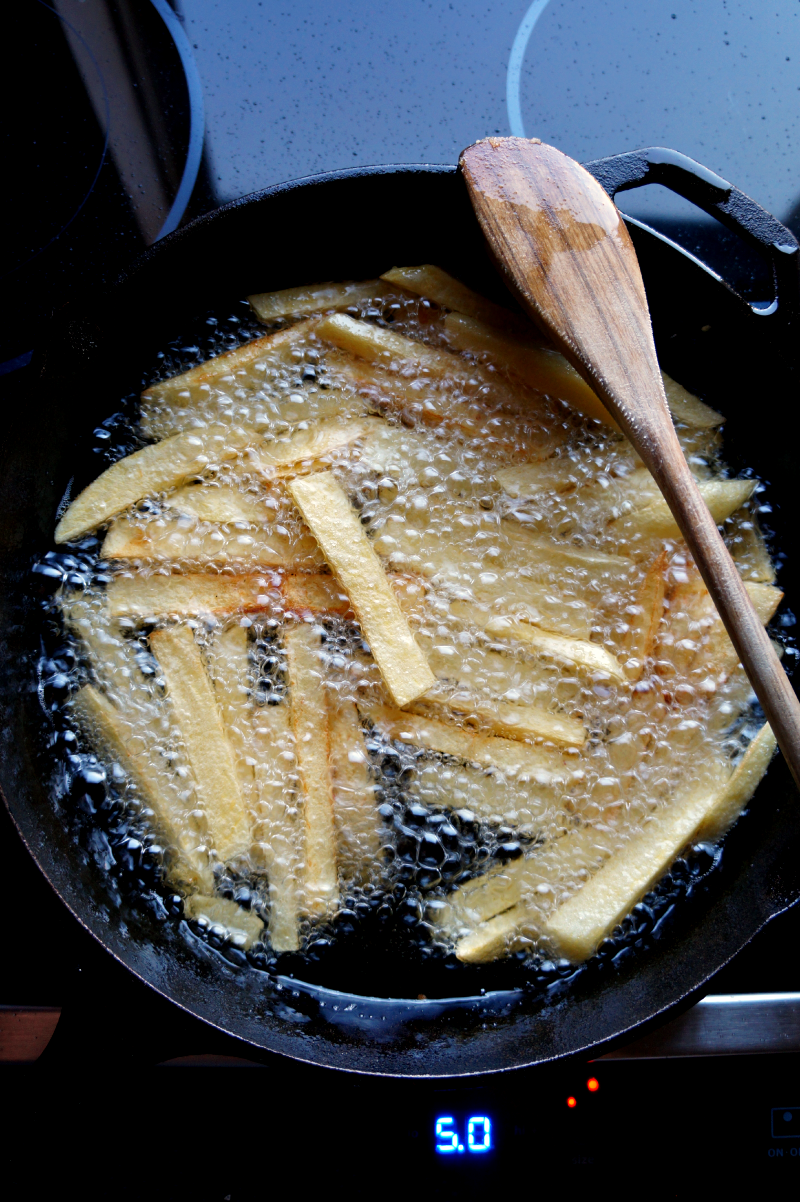
Credit: www.thebakingfairy.net
Serving Suggestions
Fried potatoes pair well with many dishes. Try them as:
- A breakfast side with eggs and bacon
- Part of a steak dinner
- A vegetarian main with sautéed vegetables
- Topped with cheese and scallions for a quick snack
For a meal, serve with a salad or protein. For a snack, add a dipping sauce like ketchup, aioli, or sour cream.
Comparing Fried Potatoes To Other Methods
You might wonder how pan-fried potatoes compare to other popular ways to cook potatoes.
| Cooking Method | Texture | Oil Needed | Time | Flavor |
|---|---|---|---|---|
| Pan Frying | Crispy edges, tender inside | Medium (3–4 tbsp) | 15–20 min | Rich, savory |
| Oven Roasting | Evenly crisp, drier | Low (1–2 tbsp) | 30–40 min | Deep roasted |
| Deep Frying | Very crispy | High (full pot) | 10–12 min | Classic fried |
| Boiling | Soft, moist | None | 10–15 min | Mild |
Pan frying gives you the best balance of crispness, flavor, and convenience. Unlike deep frying, you use less oil and have more control over doneness.
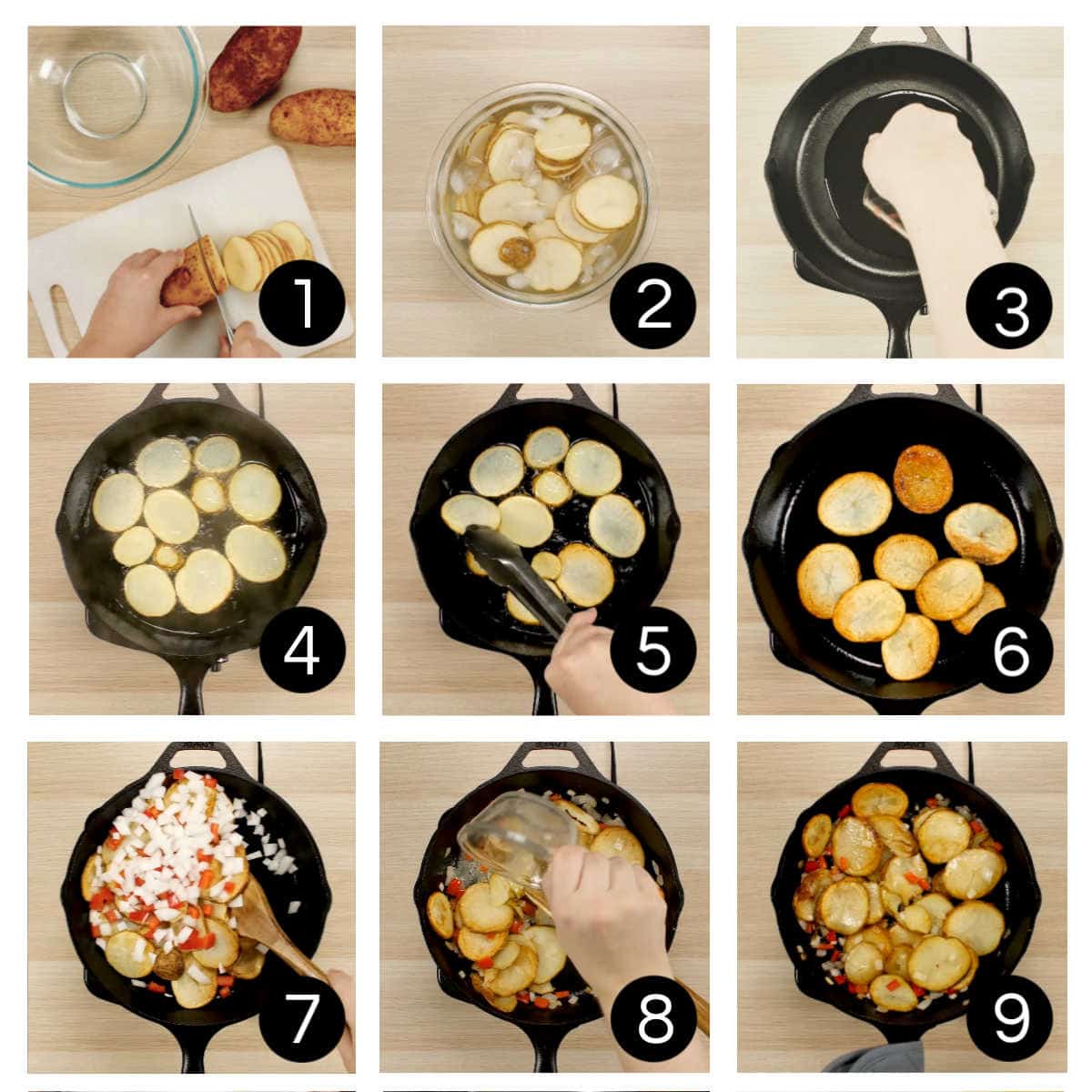
Credit: www.restlesschipotle.com
Health And Nutrition Tips
Frying potatoes in oil adds calories, but you can make smarter choices:
- Use oils high in unsaturated fats, like canola or sunflower.
- Drain fried potatoes on paper towels to remove excess oil.
- Add fresh herbs or spices instead of extra salt.
- Pair with lean proteins or vegetables for a balanced meal.
Potatoes offer vitamin C, potassium, and fiber—especially if you leave the skins on. For more on potato nutrition, check the Potato Goodness Nutrition site.
Cleaning Up After Frying
Oil can be messy, but cleanup is easier if you:
- Let the pan cool before washing.
- Wipe out extra oil with paper towels.
- Use hot, soapy water and a sponge for nonstick pans.
- For cast iron, wipe clean and rub with a little oil to prevent rust.
Never pour used oil down the drain. Let it cool, strain, and store for reuse, or dispose in a sealed container.

Credit: www.delish.com
Frequently Asked Questions
How Do I Keep Fried Potatoes From Sticking To The Pan?
Use enough oil, preheat the pan well, and dry potatoes before adding. Don’t move potatoes for the first few minutes—this builds a crust that keeps them from sticking.
Can I Fry Potatoes Without Soaking Them First?
Yes, but soaking removes surface starch, giving you crispier potatoes. If you’re short on time, rinse slices under cold water and dry them well.
What Kind Of Oil Is Healthiest For Pan Frying Potatoes?
Canola, sunflower, or light olive oil are good choices. They have high smoke points and less saturated fat compared to animal fats.
Why Do My Potatoes Turn Out Soggy?
This usually happens if the oil isn’t hot enough, the potatoes are wet, or you crowd the pan. Make sure to dry potatoes and keep the pan hot.
How Can I Make Pan-fried Potatoes More Flavorful?
Add chopped garlic, herbs, or spices in the last few minutes of frying. A little butter at the end also boosts flavor and helps potatoes brown.
Frying potatoes in oil in a pan is simple once you know the details. With the right potato, oil, pan, and technique, you’ll enjoy golden, crispy bites every time—whether for breakfast, dinner, or a snack. Try new flavors and methods, and soon you’ll have your own signature style of fried potatoes.

Hello, This is Annie Walker, a 38-year-old blogger, founder, and editor of Cookware Guider from NY, USA. I am a cookware fanatic and passionate cooker. I love to cook with different types of cooking appliances (example: all types of cookware, rice cookers, slow cookers, etc) almost every day in my kitchen. I love to share my experience with my readers in my blog. Also, I enjoy helping people to solve their problems through my website. You can follow me on Twitter & Pinterest. To know details about my blog please check the about us page.