
Pan frying a ribeye steak is one of the best ways to get a restaurant-quality meal at home. The sizzle, aroma, and rich taste of a well-cooked ribeye are hard to beat. But for many, the process seems mysterious. How do you get a golden crust outside but a juicy, tender inside?
What tools do you need? Is there a secret that top chefs know? This guide will walk you step-by-step through everything you need to know, even if you’re a beginner or cooking steak for the first time.
Why Pan Fry Ribeye Steak?
Ribeye is prized for its marbling—those thin veins of fat that melt during cooking. This makes the steak both juicy and flavorful. Pan frying, especially in a heavy skillet, lets you control the heat and get a deep, flavorful crust.
Unlike grilling, there’s no need for special equipment or a backyard. All you need is a stove, a good pan, and the right technique.
Choosing The Right Ribeye Steak
Not all steaks are equal. The quality of your ribeye will decide the final result.
What To Look For
- Thickness: Aim for steaks that are 1 to 1.5 inches thick. Thinner steaks cook too quickly and can dry out.
- Marbling: Look for streaks of white fat throughout the meat. More marbling means more flavor.
- Color: Fresh ribeye should be bright red with creamy white fat. Avoid steaks with a brown or gray tint.
Bone-in Vs. Boneless
Bone-in ribeyes often have a bit more flavor, but boneless steaks are easier to cook evenly. Both are excellent for pan frying.
Usda Grades
In the United States, beef is graded by marbling and quality. Here’s a simple comparison:
| Grade | Marbling | Price | Best For |
|---|---|---|---|
| Prime | Very high | Most expensive | Special occasions |
| Choice | High | Moderate | Everyday cooking |
| Select | Low | Cheapest | Budget meals |
If you can, choose Prime or Choice for best results.
Essential Tools And Ingredients
Pan frying steak doesn’t require fancy gadgets, but the right tools make a difference.
Tools
- Heavy skillet: Cast iron or stainless steel pans hold heat well.
- Tongs: For flipping the steak without piercing it.
- Instant-read thermometer: To check doneness.
- Spoon: For basting with butter.
Ingredients
- 1–2 ribeye steaks (1–1.5 inches thick)
- Kosher salt
- Freshly ground black pepper
- 2–3 tablespoons high-smoke-point oil (canola, grapeseed, or vegetable)
- 2–3 tablespoons unsalted butter
- 2–3 garlic cloves, smashed
- Fresh herbs (thyme, rosemary, or both)
Preparing The Steak
How you treat your steak before it hits the pan matters almost as much as cooking.
Bring To Room Temperature
Take the steak out of the fridge 30–60 minutes before cooking. This helps it cook evenly.
Dry The Surface
Pat the steak dry with paper towels. A dry surface is key for a good crust.
Season Generously
Season both sides with kosher salt and black pepper. Don’t be shy—some salt will fall off during cooking.
Step-by-step: How To Pan Fry A Ribeye Steak
Ready to cook? Follow these steps for a perfect pan-fried ribeye.
1. Preheat The Pan
Place your skillet on medium-high heat for at least 3–5 minutes. The pan should be very hot—almost smoking—before you add the steak.
2. Add Oil
Pour in the oil and swirl to coat the bottom. Use an oil with a high smoke point to avoid burning.
3. Sear The Steak
Lay the steak in the pan away from you to avoid splatters. Do not move the steak for 2–3 minutes. This lets a deep brown crust form.
4. Flip And Sear The Other Side
Turn the steak using tongs. Sear for another 2–3 minutes. If the steak sticks, wait another 30 seconds—it will release once the crust forms.
5. Add Butter, Garlic, And Herbs
Reduce heat to medium. Add butter, smashed garlic, and herbs. As the butter melts, tilt the pan and use a spoon to baste the steak with the melted butter and herbs. This adds flavor and keeps the steak moist.
6. Check Doneness
Use an instant-read thermometer to check the internal temperature. Here’s a quick guide:
| Doneness | Internal Temp (°F) | Color |
|---|---|---|
| Rare | 120–125 | Cool red center |
| Medium Rare | 130–135 | Warm red center |
| Medium | 140–145 | Pink center |
| Medium Well | 150–155 | Slightly pink |
| Well Done | 160+ | Little or no pink |
Remember, the steak will rise another 5°F as it rests.
7. Rest Before Slicing
Transfer the steak to a plate or cutting board. Tent loosely with foil and rest for 5–10 minutes. This lets juices redistribute, making the steak juicy.
8. Slice And Serve
Cut against the grain for a tender bite. Serve with pan juices or your favorite sauce.
Common Mistakes And How To Avoid Them
Even experienced cooks make errors. Here’s how to steer clear of the most frequent problems.
Overcrowding The Pan
Cooking more than one or two steaks at a time lowers the pan’s temperature. This can lead to steaming instead of searing. If making multiple steaks, cook in batches.
Not Preheating The Pan Enough
A cold or only warm pan will not create a crust. Always preheat until very hot.
Using The Wrong Oil
Butter alone burns at high heat. Start with a neutral oil, then add butter later for flavor.
Skipping The Rest
If you slice the steak right away, juices will pool on your plate and the meat will be dry.
Not Using A Thermometer
Guessing doneness is risky. An instant-read thermometer is the easiest way to avoid overcooked or undercooked steak.
Advanced Tips For The Perfect Ribeye
Once you’ve mastered the basics, try these extra steps for a steakhouse-quality result.
Dry Brining
Salt your steak up to 24 hours in advance and leave uncovered in the fridge. This draws moisture to the surface, then back in, seasoning the meat deeply.
Reverse Sear
For thick steaks, cook in a 250°F oven until about 10°F below your target temperature, then sear quickly in a hot pan. This gives you more control and an even doneness.
Basting With Aromatics
Try basting with a mix of butter, garlic, and fresh thyme for a fragrant, savory finish. Spoon the foaming butter over the steak during the last minute of cooking.
Resting On A Wire Rack
Instead of a plate, rest your steak on a wire rack. This prevents the bottom from steaming and losing its crisp crust.
Serving Suggestions
Ribeye is rich and bold, so pair it with sides that balance the flavors.
- Roasted vegetables: Asparagus, carrots, or Brussels sprouts
- Mashed potatoes: Creamy and classic
- Salad: Something fresh and acidic, like arugula with lemon
- Red wine: Cabernet Sauvignon pairs beautifully
For a special touch, drizzle with a simple pan sauce made from the drippings, a splash of wine, and a knob of butter.

Credit: www.bbcgoodfood.com
How Pan Frying Compares To Other Methods
You might wonder how pan frying stacks up against grilling or broiling. Here’s a quick look:
| Method | Crust Quality | Flavor | Ease of Use |
|---|---|---|---|
| Pan Frying | Excellent | Rich, buttery | Easy |
| Grilling | Good, with grill marks | Smoky | Needs grill |
| Broiling | Good | Less caramelized | Easy |
Pan frying gives you the most control over crust and doneness, especially for thick steaks.
Two Non-obvious Insights
- Letting the steak rest uncovered in the fridge (dry brining) not only seasons the inside but also dries the surface for a better crust. Most home cooks skip this, but it makes a clear difference.
- Basting with butter and herbs during the last minute is more than just for flavor. The hot butter helps finish cooking the steak’s top surface, leading to even doneness and an aromatic crust.

Credit: www.onceuponachef.com
Final Thoughts
Cooking a ribeye steak in a pan is not hard, but attention to detail brings the best results. Start with a good cut, season well, and let heat do the work. Don’t rush the process: a few extra minutes for resting or basting can transform your steak from good to unforgettable. Small changes—like using a thermometer or dry brining—raise your skills to a new level. With practice, you’ll impress family and friends, and maybe even yourself.
For more on beef cuts and grading, check the Beef. It’s What’s For Dinner resource.
Frequently Asked Questions
What Oil Is Best For Pan Frying Ribeye Steak?
Use an oil with a high smoke point such as canola, grapeseed, or vegetable oil. Olive oil can burn at high temperatures and add bitterness.
How Long Should I Cook Each Side?
For a 1-inch steak, sear each side for 2–3 minutes for medium rare. Adjust time for thicker or thinner steaks, and always check with a thermometer for best results.
Can I Cook Ribeye Straight From The Fridge?
It’s better to let the steak sit at room temperature for 30–60 minutes. Cold steak cooks less evenly and may be overdone outside but raw inside.
Do I Need To Let Ribeye Rest After Cooking?
Yes. Letting the steak rest for 5–10 minutes lets the juices move back into the meat. Cutting too soon makes the steak dry.
How Do I Get A Good Crust Without Burning The Steak?
Make sure the steak is dry before seasoning, use a hot pan, and don’t move the steak while searing. Add butter only after searing to prevent burning.
With these tips and steps, you’re ready to pan fry a ribeye steak that’s juicy, flavorful, and perfectly cooked every time.
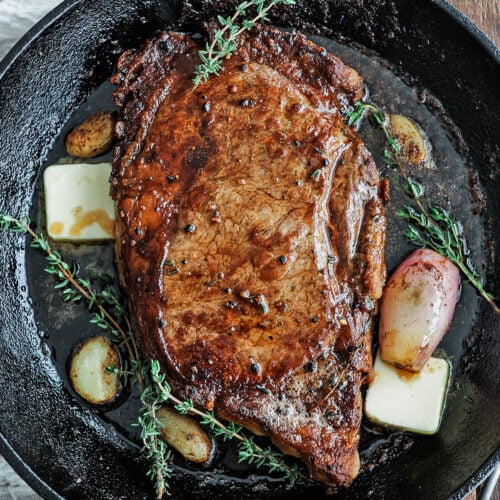
Credit: www.billyparisi.com

Hello, This is Annie Walker, a 38-year-old blogger, founder, and editor of Cookware Guider from NY, USA. I am a cookware fanatic and passionate cooker. I love to cook with different types of cooking appliances (example: all types of cookware, rice cookers, slow cookers, etc) almost every day in my kitchen. I love to share my experience with my readers in my blog. Also, I enjoy helping people to solve their problems through my website. You can follow me on Twitter & Pinterest. To know details about my blog please check the about us page.