
Shrimp is one of the quickest and most versatile proteins you can cook at home. Whether you want a light salad topping or a juicy filling for tacos, pan frying is a fast way to get perfectly cooked shrimp with a deliciously crisp edge. But many home cooks wonder: How long to pan fry shrimp for the best texture and flavor? Get it right, and you’ll have plump, tender shrimp. Leave them in too long, and you’ll end up with tough, rubbery seafood. This guide breaks down pan frying times, key techniques, and practical tips so you can get it right every time—even if you’re new to cooking shrimp.
Why Pan Frying Shrimp Is So Popular
Pan frying is one of the most common ways to cook shrimp at home. Why? It’s fast, easy, and you don’t need special equipment. The high heat of the pan creates a light crust on the outside, locking in the shrimp’s natural juices.
This method works well for most shrimp dishes—think stir-fry, pasta, tacos, or simply as a protein for salads.
Compared to boiling or steaming, pan frying gives you more control over texture and flavor. You can add garlic, herbs, butter, or lemon juice directly to the pan. Plus, with pan frying, you can see and feel when shrimp are ready, which makes it easier to avoid overcooking.
What Affects Pan Frying Time For Shrimp?
Not all shrimp are the same, and neither are their cooking times. The time needed to pan fry shrimp depends on a few important factors:
- Size of the shrimp (large shrimp need more time)
- Whether they are fresh or frozen
- If they are peeled and deveined
- Pan temperature
- Amount of oil or butter used
Let’s look at each of these in a bit more detail.
Shrimp Size And Cooking Time
Shrimp are often labeled by count per pound, such as 16/20 (16 to 20 shrimp per pound) or 31/40 (31 to 40 shrimp per pound). Larger shrimp take a little longer to cook. Here’s a simple comparison:
| Shrimp Size (per pound) | Average Length | Pan Fry Time (per side) |
|---|---|---|
| 16/20 (Extra Large) | 2.5-3 inches | 2.5-3 minutes |
| 21/25 (Large) | 2-2.5 inches | 2-2.5 minutes |
| 31/40 (Medium) | 1.5-2 inches | 1.5-2 minutes |
| 51/60 (Small) | 1-1.5 inches | 1-1.5 minutes |
If you use pre-cooked shrimp, you only need to heat them through—about 1 minute per side.
Fresh Vs. Frozen Shrimp
If you start with frozen shrimp, you must thaw them before cooking. Cooking frozen shrimp directly in the pan leads to uneven cooking and a watery texture. For best results, thaw shrimp overnight in the fridge or place them in a bowl of cold water for 20-30 minutes.
Peeled, Deveined, And Shell-on
Shrimp cook fastest when they are peeled and deveined. Shell-on shrimp take about 30 seconds longer per side since the shell acts as a barrier to heat. The shell can add flavor, but it’s harder to tell when the shrimp is done.
Pan Temperature
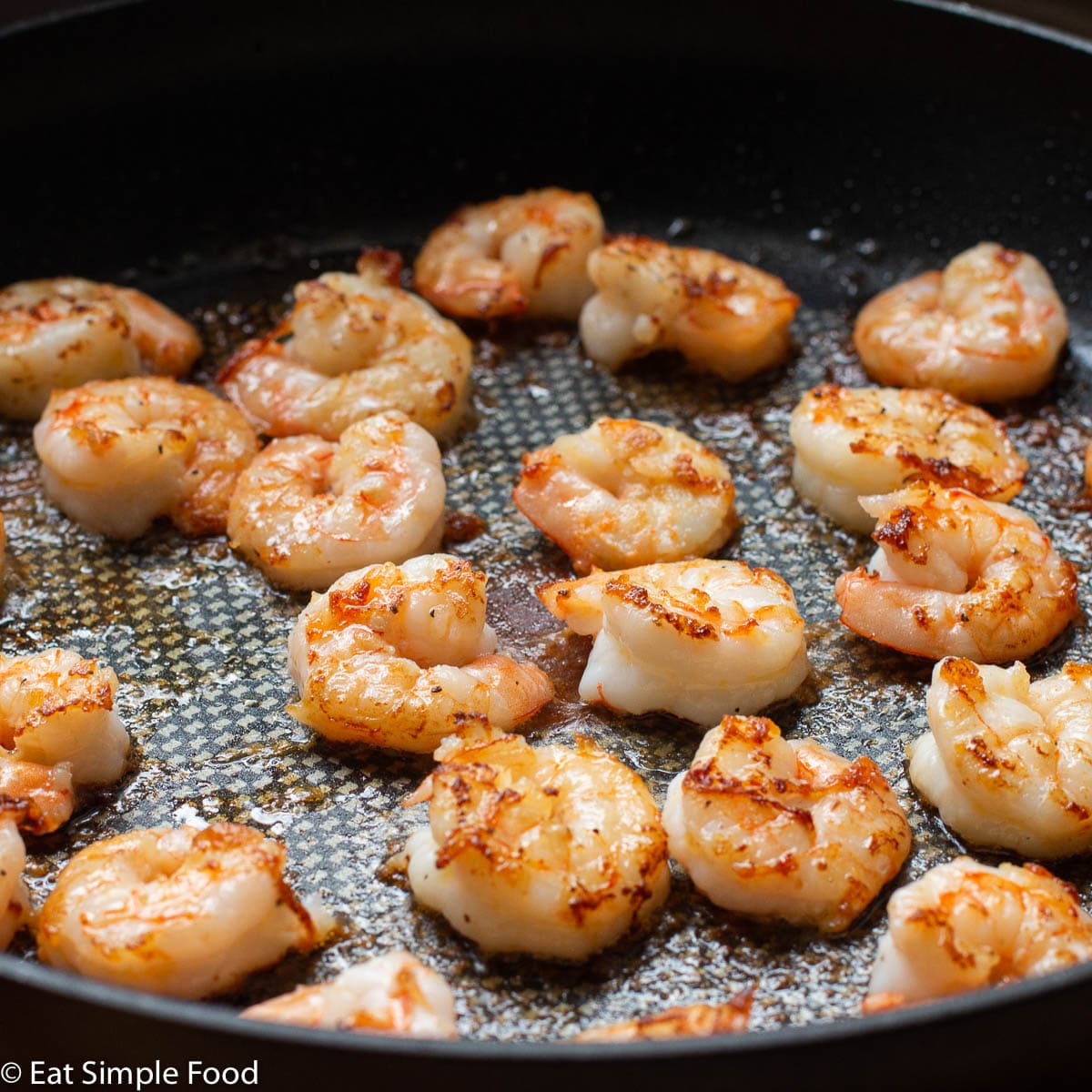
A medium-high heat is ideal for pan frying shrimp. Too low, and they steam instead of sear. Too high, and the outside burns before the inside cooks. Preheat your pan until a drop of water sizzles and evaporates quickly.
Credit: eatsimplefood.com
Step-by-step: How To Pan Fry Shrimp
Cooking shrimp is simple, but a few key steps make a big difference in the result. Here’s a foolproof method for juicy, perfectly cooked shrimp every time.
Ingredients
For 1 pound of shrimp (about 4 servings):
- 1 pound large shrimp, peeled and deveined
- 1 tablespoon olive oil or butter
- Salt and black pepper, to taste
- Optional: 2 cloves garlic (minced), 1 tablespoon lemon juice, fresh herbs
Instructions
- Pat the shrimp dry with paper towels. This removes excess moisture and helps them brown.
- Season shrimp with salt, pepper, and any optional spices.
- Preheat your pan over medium-high heat for about 1-2 minutes.
- Add oil or butter and let it heat until shimmering.
- Place shrimp in a single layer in the pan. Do not overcrowd—work in batches if needed.
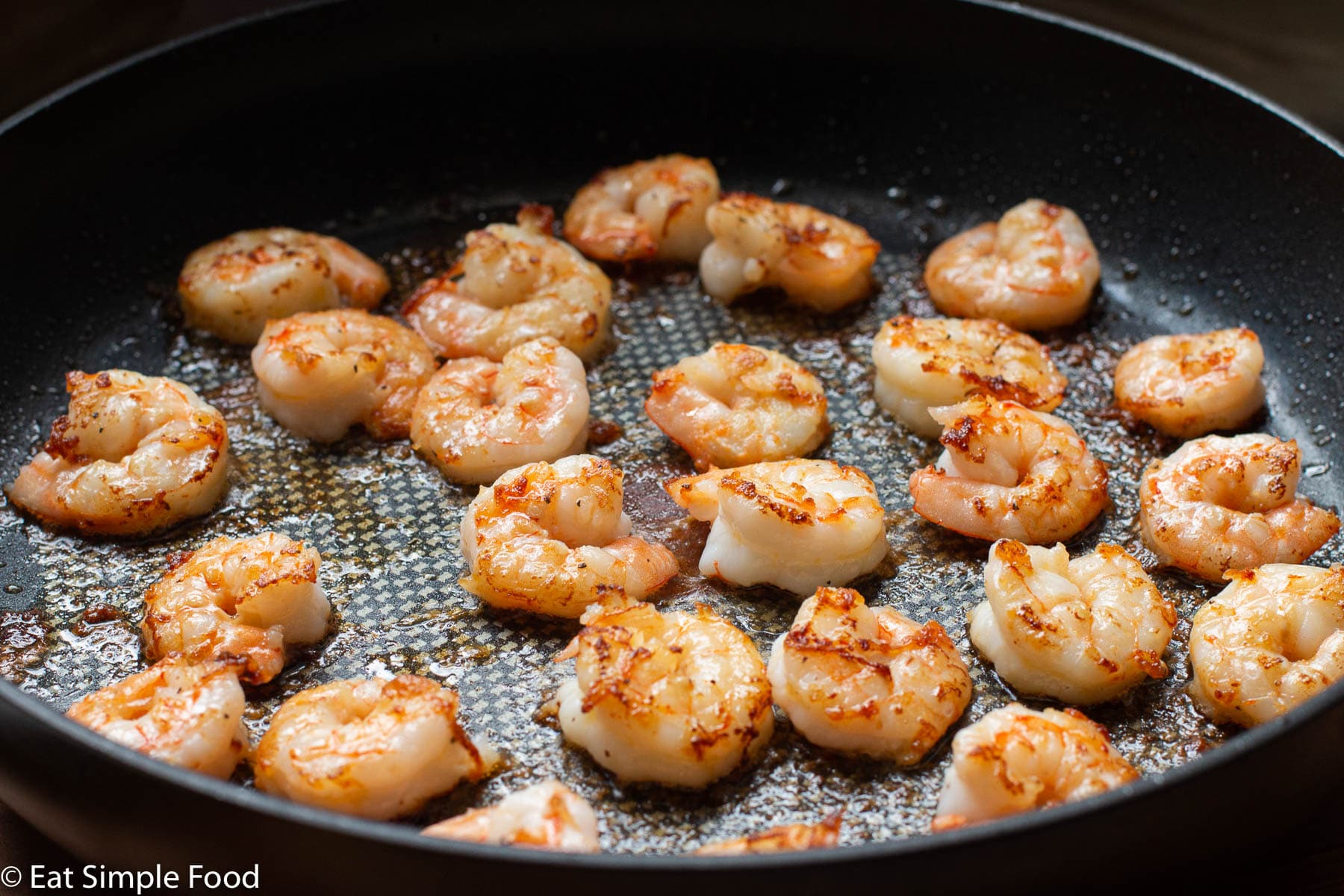
- Cook for 2–3 minutes on the first side. Shrimp will start to turn pink and curl.
- Flip shrimp with tongs. Cook for another 1.5–2 minutes, or until opaque and just cooked through.
- Add garlic, lemon juice, or herbs in the last 30 seconds if you like.
- Remove from heat immediately. Shrimp continue to cook after you take them out of the pan.
Visual Signs Of Doneness
Shrimp are done when:
- The color changes from gray and translucent to pink and opaque
- The tails turn a bright red
- The shape curls into a loose “C”
If shrimp curl tightly into an “O,” they are likely overcooked.
Common Mistakes When Pan Frying Shrimp
Even experienced cooks sometimes make simple errors. Here are some common mistakes and how to avoid them.
1. Overcrowding The Pan
This causes steaming instead of frying. Always cook shrimp in a single layer.
2. Using Wet Shrimp
If shrimp aren’t dry, they won’t brown. Pat them thoroughly before cooking.
3. Cooking At Low Heat
Low heat makes shrimp rubbery. Use medium-high for a quick sear.
4. Not Watching Closely
Shrimp cook fast. Stay by the stove and check color and shape.
5. Overcooking
The most common mistake. Remove shrimp as soon as they turn pink and opaque.
How Different Pans Affect Shrimp Cooking Time
The type of pan you use can change how long it takes to cook shrimp. Here’s a quick look at the main differences.
| Pan Type | Heat Distribution | Effect on Cook Time |
|---|---|---|
| Nonstick skillet | Even | Easy to control, standard times |
| Stainless steel | Quick, can develop hot spots | May cook slightly faster; monitor closely |
| Cast iron | Retains high heat | Can sear shrimp quickly; shorter cook time |
If you use a heavy pan like cast iron, shrimp may cook up to 30 seconds faster per side.
Pan Frying Shrimp With Different Flavors
Shrimp is like a blank canvas. You can add lots of flavors during or after cooking. Some popular options:
- Garlic butter: Add minced garlic and butter in the last 30 seconds.
- Spicy Cajun: Season with Cajun spice mix before frying.
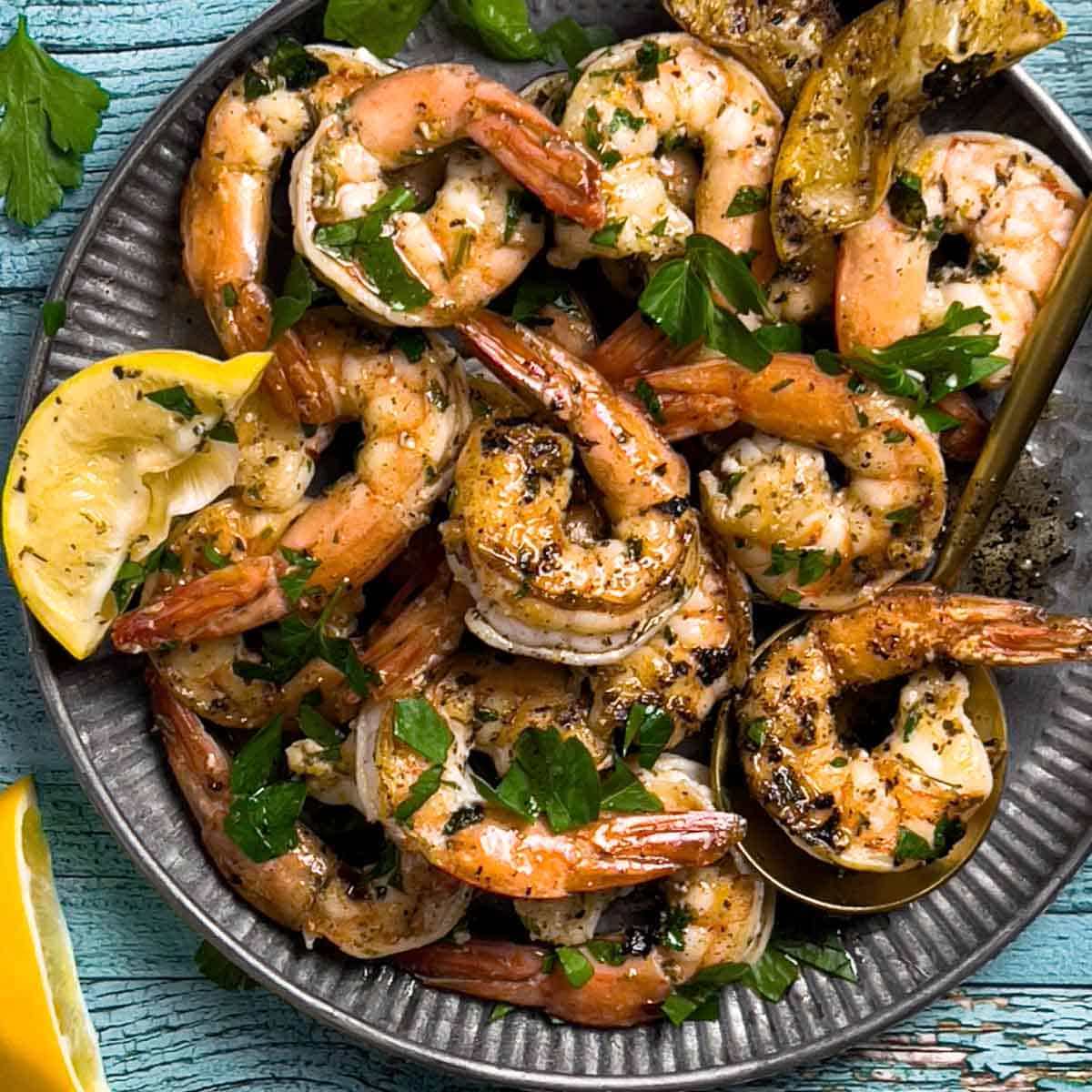
- Lemon herb: Squeeze lemon and sprinkle parsley after cooking.
- Asian-style: Use sesame oil and a dash of soy sauce.
You can also marinate shrimp for 15-30 minutes before cooking. Just don’t marinate with acid (like lemon juice) for too long, or the shrimp can become mushy.
Credit: eatsimplefood.com
How To Tell If Shrimp Is Undercooked Or Overcooked
Perfectly cooked shrimp is juicy, tender, and a little firm. Here’s how to recognize the difference:
- Undercooked: Gray, slightly translucent, soft, not fully curled.
- Perfect: Pink, opaque, firm, loosely curled.
- Overcooked: White or chalky, very firm, tightly curled into an “O,” sometimes dry.
If you’re unsure, cut one shrimp in half. The inside should be white and moist, not translucent.
Pan Frying Shrimp For Different Dishes
Shrimp is used in many recipes, and sometimes you’ll need to adjust the frying time:
- Shrimp for pasta: Slightly undercook in the pan, then finish in the sauce for 1 minute.
- Shrimp for tacos: Cook fully in the pan; add seasoning at the end.
- Shrimp for salads: Cook fully, chill in the fridge, then add to salad.
If you add shrimp to a dish that cooks longer (like a stir-fry), cook them briefly in the pan first, remove, then return to the pan at the end to heat through.
Nutrition Benefits Of Pan Fried Shrimp
Shrimp is a great source of lean protein and is low in calories. Pan frying with a small amount of oil or butter keeps it healthy. Here are some nutrition facts for 4 ounces of cooked shrimp:
| Nutrient | Amount |
|---|---|
| Calories | 90 |
| Protein | 17g |
| Fat | 1g |
| Cholesterol | 140mg |
| Carbohydrates | 0g |
Shrimp is also a good source of vitamin B12, selenium, and phosphorus. If you want more health information, see the USDA’s shrimp nutrition guide.
Two Non-obvious Tips For Perfect Pan Fried Shrimp
1. Preheat Your Pan Longer Than You Think.
Many home cooks add shrimp to a pan that isn’t fully hot. Waiting an extra minute makes a real difference in browning and prevents sticking—especially with stainless steel pans.
2. Rest Shrimp For 1 Minute After Cooking.
Letting shrimp sit off the heat for 60 seconds lets juices reabsorb, making them more tender and flavorful. This quick rest can fix slight overcooking.
Credit: thevirtualcaterer.com
Frequently Asked Questions
How Do I Know When Shrimp Is Fully Cooked?
Shrimp is done when it turns pink and opaque, with bright red tails. The shape should form a loose “C.” If you’re unsure, cut one in half—there should be no gray or translucent areas inside.
Can I Pan Fry Shrimp From Frozen?
It’s not recommended. Cooking from frozen gives uneven results. Always thaw shrimp first for best texture. If you’re in a hurry, place frozen shrimp in a bowl of cold water for 20-30 minutes.
What Oil Is Best For Pan Frying Shrimp?
Use oils with a high smoke point, such as olive oil, canola oil, or avocado oil. Butter adds flavor but can burn, so try mixing it with oil.
How Much Shrimp Should I Cook Per Person?
For a main dish, plan on 1/3 to 1/2 pound of peeled shrimp per person. For salads or appetizers, 1/4 pound is usually enough.
Why Do My Shrimp Turn Out Rubbery?
Rubbery shrimp are usually overcooked. Watch the color and shape closely, and remove from heat as soon as they’re pink and opaque. Remember, shrimp cook very fast—just 2-3 minutes per side.
Pan frying shrimp is simple once you know what to watch for. With the right timing and a little practice, you’ll get juicy, flavorful shrimp every time. Whether you love classic garlic shrimp or want to try new flavors, this quick cooking method opens up endless meal possibilities.
Enjoy experimenting—and remember, with shrimp, less is often more when it comes to time in the pan!

Hello, This is Annie Walker, a 38-year-old blogger, founder, and editor of Cookware Guider from NY, USA. I am a cookware fanatic and passionate cooker. I love to cook with different types of cooking appliances (example: all types of cookware, rice cookers, slow cookers, etc) almost every day in my kitchen. I love to share my experience with my readers in my blog. Also, I enjoy helping people to solve their problems through my website. You can follow me on Twitter & Pinterest. To know details about my blog please check the about us page.