
When you invest in stainless steel cookware, you want it to last. But how long should it really last?
You might wonder if your pots and pans will hold up after years of daily use or if they’ll need replacing sooner than expected. Understanding the lifespan of stainless steel cookware can save you money and help you make smarter choices in the kitchen.
Keep reading to discover what affects their durability and how you can make your cookware last longer than you ever thought possible.
Lifespan Factors
The lifespan of stainless steel cookware depends on several key factors. These factors affect how long your pots and pans stay in good shape. Understanding them helps you make better choices and care for your cookware properly. Here are the main elements that influence durability and performance.
Quality Of Steel
Higher-quality steel lasts longer. Cookware made from premium stainless steel resists rust and stains better. Look for types like 18/10 or 18/8 stainless steel. These numbers show the percentage of chromium and nickel. More chromium means better corrosion resistance. Nickel adds shine and durability. Low-quality steel may discolor or corrode faster.
Manufacturing Techniques
How cookware is made affects its lifespan. Seamless construction prevents weak spots. Thick, multi-ply bases distribute heat evenly and reduce warping. Welding or bonding layers properly improves strength. Poor manufacturing can cause cracks or peeling. Trusted brands often use better techniques and quality checks.
Usage Frequency
How often you cook impacts wear and tear. Daily use means more exposure to heat and cleaning. This can cause scratches, discoloration, or warping over time. Occasional use puts less strain on the cookware. Heavy use requires more attention to care. Light use can help cookware last many years.
Care And Maintenance
Proper care extends cookware life. Avoid using harsh cleaners or metal scrubbers. Hand washing with mild soap protects the surface. Dry cookware immediately to prevent water spots. Using the right utensils prevents scratches. Regular polishing keeps the shine and removes stains. Neglect or rough handling shortens lifespan quickly.
Signs Of Wear
Stainless steel cookware is known for its durability and long life. Still, signs of wear show when it starts to age. These signs tell you it might be time to think about replacing your pots and pans. Spotting these early helps keep your cooking safe and your food tasting great.
Surface Discoloration
Surface discoloration is a common sign of wear. It appears as dull spots or rainbow-like stains. These marks happen from heat or mineral build-up. Discoloration does not always affect cooking but can look unattractive. Cleaning with a gentle scrub can help, but deep stains may stay.
Warping And Warping
Warping means the cookware loses its flat shape. It causes uneven heating and food may burn or cook poorly. Warping usually happens from high heat or rapid cooling. Check your pans on a flat surface. If they rock or wobble, warping is likely.
Handle And Rivet Issues
Handles and rivets can become loose or wobbly over time. This makes the cookware hard to hold and unsafe. Loose parts can break off during cooking. Tighten screws if possible. If handles are cracked or rivets are missing, replacement is best.
Non-stick Layer Damage
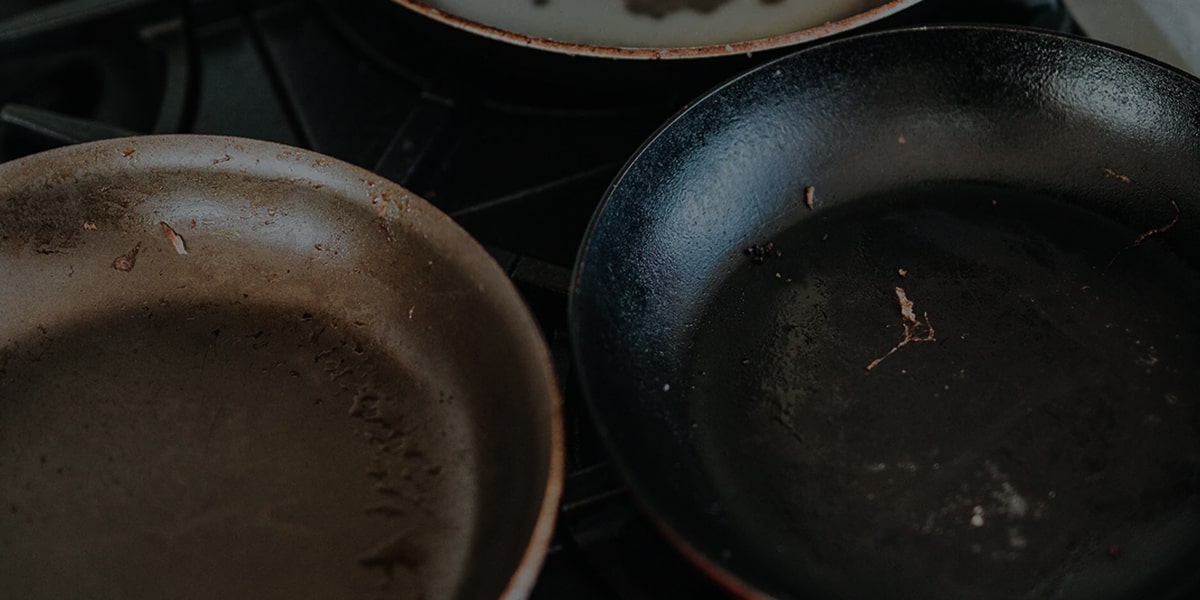
Some stainless steel pans have a non-stick layer inside. Scratches or peeling show the layer is damaged. Cooking on damaged non-stick surfaces can release harmful particles. Food may stick more, making cooking harder. Replace pans with severe non-stick damage for safety.
Extending Cookware Life
Stainless steel cookware can last many years with the right care. Extending its life means using and cleaning it carefully. Small habits make a big difference. Follow simple steps to keep your pans looking new and working well.
Proper Cleaning Methods
Wash cookware with warm, soapy water after each use. Avoid harsh scrubbers that scratch the surface. Use soft sponges or cloths instead. For stuck food, soak the pan in water before washing. Dry the cookware immediately to prevent water spots.
Avoiding Thermal Shock
Do not put hot pans in cold water. Sudden temperature changes can warp the metal. Let the cookware cool before cleaning or storing. Heat the pan gradually to avoid damage. This helps keep its shape and performance.
Safe Storage Tips
Store cookware in a dry place to prevent rust. Avoid stacking pans directly on top of each other. Use pan protectors or cloth between them. This stops scratches and dents. Keep lids and pots organized to save space and protect surfaces.
Regular Inspection
Check cookware often for signs of wear or damage. Look for loose handles or warped bottoms. Tighten screws or replace parts when needed. Early fixes prevent bigger problems. This keeps your cookware safe and lasting longer.

Credit: prudentreviews.com
Comparing Brands
Choosing the right stainless steel cookware means comparing different brands. Each brand offers unique features, durability, and prices. Knowing what to expect helps you pick a set that lasts long and suits your cooking style.
Some brands focus on heavy-duty materials. Others offer stylish designs or special coatings. Checking these details can save money and avoid early replacements.
Top Durable Brands
Brands like All-Clad, Cuisinart, and Calphalon are known for strong stainless steel cookware. They use thick metal layers to improve heat distribution. These brands often last many years with proper care.
Less expensive brands may not use the same quality materials. Their cookware can wear out faster. Choose brands with a good balance of price and durability.
Warranty And Guarantees
Long warranties show that a brand trusts its product. Many top brands offer lifetime warranties on stainless steel cookware. This protects you against defects or damage.
Read the warranty details carefully. Some cover only parts of the cookware or specific problems. A clear, strong warranty adds value to your purchase.
Customer Reviews
Reviews reveal real-life experiences with cookware. Many buyers share how long their pots and pans last. Look for comments about warping, staining, or handles breaking.
Positive reviews often mention easy cleaning and even heating. Negative reviews warn about early damage or poor quality. Use reviews to guide your choice wisely.
When To Replace
Knowing when to replace stainless steel cookware helps keep your kitchen safe and efficient. Cookware lasts long, but not forever. Signs appear that show it’s time to say goodbye. Watch closely for health issues, loss of performance, and repair costs.
Health And Safety Concerns
Scratches and dents can trap bacteria. Rust or discoloration can affect food safety. Warped pans may not heat evenly, causing burns. If cookware shows damage that risks your health, replace it quickly. Safe cooking depends on clean, intact pots and pans.
Performance Decline
Stainless steel should heat evenly and cook well. If food sticks or burns often, the cookware may be worn out. Loose handles or warped bottoms affect cooking quality. When performance drops, meals suffer. Replace cookware that no longer cooks properly.
Cost Vs. Repair
Fixing small dents or loose handles might save money. But extensive damage or worn-out parts can cost more than new cookware. Compare repair prices with new sets. Sometimes, buying new is smarter. Choose the option that gives you better value and safety.

Credit: xtrema.com
Credit: xtrema.com
Frequently Asked Questions
How Long Does Stainless Steel Cookware Typically Last?
Stainless steel cookware can last 10 to 20 years with proper care. Its durability depends on usage, cleaning, and quality. High-grade stainless steel lasts longer and resists rust and corrosion effectively.
What Factors Affect Stainless Steel Cookware Lifespan?
Factors include cookware quality, frequency of use, cleaning methods, and storage conditions. Avoid harsh abrasives and overheating to extend lifespan. Proper maintenance prevents damage and keeps cookware functional for years.
Can Stainless Steel Cookware Be Repaired If Damaged?
Minor scratches or dents can often be polished out. However, deep damage may require professional repair or replacement. Proper care reduces damage risk and prolongs cookware life.
How To Maintain Stainless Steel Cookware For Longevity?
Use gentle cleaning agents and avoid steel wool. Dry immediately after washing to prevent water spots. Store carefully to avoid scratches and dents, ensuring long-lasting performance.
Conclusion
Stainless steel cookware can last many years with proper care. Regular cleaning and gentle handling keep it strong and shiny. Avoid harsh scrubbing or metal tools that may scratch the surface. Over time, cookware may show signs of wear, but it still cooks well.
Investing in good quality pots and pans saves money in the long run. Choose pieces that fit your cooking style and needs. Taking care of your cookware ensures it stays useful and safe. Enjoy cooking with your stainless steel for years ahead.
Durable, reliable, and easy to maintain.

Hello, This is Annie Walker, a 38-year-old blogger, founder, and editor of Cookware Guider from NY, USA. I am a cookware fanatic and passionate cooker. I love to cook with different types of cooking appliances (example: all types of cookware, rice cookers, slow cookers, etc) almost every day in my kitchen. I love to share my experience with my readers in my blog. Also, I enjoy helping people to solve their problems through my website. You can follow me on Twitter & Pinterest. To know details about my blog please check the about us page.