
Have you ever wondered what makes Calphalon cookware stand out in your kitchen? If you’re curious about the secret behind its durability and performance, you’re in the right place.
Understanding how Calphalon cookware is made can change the way you cook and help you choose the best tools for your meals. You’ll discover the step-by-step process that turns raw materials into the high-quality pots and pans you trust every day.
Keep reading to unlock the craftsmanship behind your favorite cookware and see why it’s worth every penny.
Material Selection
Material selection is the first step in making Calphalon cookware. It defines the cookware’s strength, heat performance, and durability. Calphalon chooses materials carefully to ensure long-lasting and even cooking results.
Types Of Metals Used
Calphalon uses different metals for different cookware lines. Hard-anodized aluminum is common. It is strong and heats evenly. Stainless steel is another choice. It resists rust and scratches. Some pieces use a combination of metals. This mix improves heat distribution and durability.
Quality Standards
Every metal used meets strict quality rules. Calphalon tests metals for purity and strength. Only metals that pass these tests get used. This ensures the cookware lasts for years. It also keeps cooking safe and efficient.
Credit: www.calphalon.com
Design And Engineering
The design and engineering of Calphalon cookware focus on making cooking easier and more enjoyable. Every piece is carefully planned to fit different cooking needs. The process combines creativity with precise measurements to create durable cookware.
Engineers think about how each item will be used in a real kitchen. They test shapes and materials to find the best balance of strength and heat control. The goal is to help cooks prepare meals quickly and safely.
Shape And Size Planning
Each pot and pan starts with a clear shape plan. Designers pick sizes that match common cooking tasks. Small pans for quick frying, large pots for soups and stews. The shapes allow heat to spread evenly for better cooking results.
Round and flat bottoms help pots sit steadily on stove tops. The sides are made tall or short depending on the recipe types. This planning ensures the cookware fits well in kitchen spaces and ovens.
Ergonomics And Functionality
Handles and lids are designed for comfort and ease. Soft grips and cool-touch materials keep hands safe. The handles balance well with the pot’s weight for easy lifting.
Lids fit tightly to lock in heat and moisture. Some lids have vents to control steam release. All these features make cooking smoother and reduce spills or accidents.
Forging And Molding
Forging and molding are key steps in making Calphalon cookware. These processes shape the metal into strong, durable pots and pans. The goal is to create cookware that heats evenly and lasts a long time.
Calphalon uses precise methods to form the metal. This ensures each piece meets high standards for quality and performance. The metal’s strength and shape depend on how it is forged and molded.
Casting Techniques
Casting is one way to shape the cookware. Molten metal is poured into a mold. The metal cools and hardens into the desired shape. This method allows for complex designs and smooth finishes.
Calphalon uses casting to create thick, strong cookware. The process helps avoid weak spots in the metal. It also gives the cookware a heavy, sturdy feel that cooks love.
Metal Forming Processes
Metal forming shapes the cookware using pressure and heat. Forging is a common technique. It involves pressing and hammering the metal into shape. This makes the metal denser and stronger.
Calphalon often forges its cookware from aluminum or stainless steel. The metal is shaped carefully to keep it flat and even. This helps the cookware heat quickly and cook food evenly.

Credit: prudentreviews.com
Surface Treatment
Surface treatment is key to Calphalon cookware’s quality and durability. It improves how food cooks and how easy the pans are to clean. This step protects the cookware and gives it a smooth, even finish. Each Calphalon piece undergoes careful surface treatment to ensure top performance in your kitchen.
Nonstick Coating Application
Calphalon applies a special nonstick coating to many cookware surfaces. This coating stops food from sticking during cooking. The process starts with cleaning the metal to remove dust and oil. Then, the nonstick material sprays evenly on the surface. Afterward, the cookware moves into an oven to bake the coating. This baking makes the coating hard and long-lasting.
Polishing And Finishing
After the nonstick coating, Calphalon polishes the cookware. Polishing smooths out rough spots and gives a shiny look. Skilled workers use machines and hand tools for this step. This finishing makes the cookware feel nice to touch and look great on any stove. It also helps the cookware resist scratches and wear over time.
Handle Construction
Handle construction is a key part of Calphalon cookware. It affects comfort and safety during cooking. Strong handles give a firm grip and stay cool on the stove. Calphalon uses smart designs and materials for their handles.
Material Choices
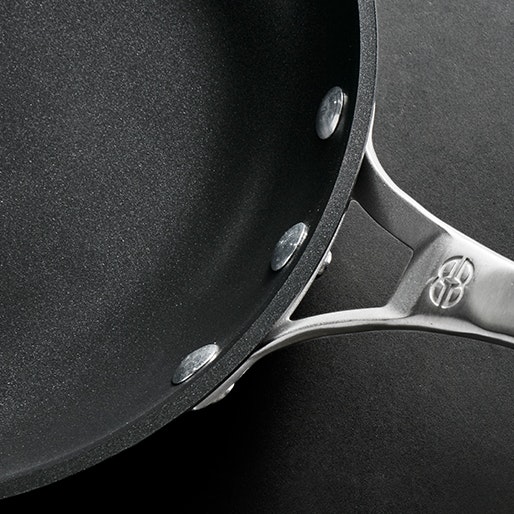
Calphalon handles often use stainless steel for strength and durability. Some handles have silicone or nylon covers to stay cool. These materials resist heat and avoid burns. Metal handles last long and fit modern kitchen styles.
Soft-touch materials add comfort. They help prevent slipping when hands are wet. Some cookware models use cast aluminum handles. This keeps the weight balanced and easy to lift.
Attachment Methods
Handles attach firmly to pots and pans. Calphalon uses rivets or screws to secure handles. Rivets create a strong, lasting bond that won’t loosen over time.
Welded handles are common too. They provide a smooth, seamless join. This reduces dirt buildup and makes cleaning easier. Each method ensures the handle stays safe and steady during use.
Quality Control
Calphalon cookware undergoes strict quality control. This process ensures every piece meets high standards. Quality control helps maintain durability and safety. Each item is tested carefully before leaving the factory.
Durability Testing
Calphalon checks each cookware piece for strength. They test the cookware against heat and impact. This makes sure it can handle daily cooking tasks. The nonstick surfaces are also tested for wear. Only cookware that passes these tests moves forward.
Safety Checks
Safety is a top priority at Calphalon. They check for harmful chemicals and materials. Handles and lids are tested for heat resistance. This ensures they stay cool and safe to touch. All cookware meets strict safety regulations before sale.
Packaging And Distribution
Packaging and distribution are key steps in making Calphalon cookware reach customers safely. The process ensures each piece stays intact and looks perfect. It protects the cookware during transport and storage. Careful handling keeps quality high until it arrives at your kitchen.
Protective Packaging
Calphalon uses strong boxes that fit each cookware piece well. Inside, soft padding cushions the items. This stops scratches and dents from impacts. The packaging also blocks moisture and dust. Clear instructions and labels help in handling the boxes gently.
Shipping Processes
Shipments are carefully planned to avoid delays. Packages move through secure facilities with careful tracking. Workers follow strict rules to stack and move boxes safely. This reduces damage risks during loading and unloading. Fast delivery ensures the cookware reaches stores fresh and ready.

Credit: www.amazon.com
Frequently Asked Questions
How Is Calphalon Cookware Manufactured?
Calphalon cookware is made using heavy-gauge aluminum for even heat distribution. It undergoes a multi-layer nonstick coating process for durability and easy cooking. The cookware is shaped precisely, ensuring consistent quality and performance in every piece.
What Materials Are Used In Calphalon Cookware?
Calphalon cookware primarily uses hard-anodized aluminum for strength and heat conduction. Some lines feature stainless steel or ceramic coatings. These materials ensure durability, non-reactivity, and efficient cooking for a variety of culinary needs.
Why Is Calphalon Cookware Nonstick?
Calphalon applies multiple layers of premium nonstick coating to its cookware. This coating prevents food from sticking and makes cleaning easier. The process enhances cookware longevity and cooking performance, providing a user-friendly cooking experience.
How Does Calphalon Ensure Cookware Durability?
Calphalon uses hard-anodized aluminum for scratch resistance and strength. The nonstick layers are reinforced to withstand regular use. Rigorous quality control and testing guarantee that each piece meets high durability standards.
Conclusion
Calphalon cookware is made with care and quality materials. Each piece goes through steps to ensure strength and durability. The process blends metal layers for even heat and long life. This makes cooking easier and more enjoyable. Knowing how it is made helps you appreciate your cookware more.
Choose Calphalon for tools that support your cooking every day. Simple, strong, and made to last.

Hello, This is Annie Walker, a 38-year-old blogger, founder, and editor of Cookware Guider from NY, USA. I am a cookware fanatic and passionate cooker. I love to cook with different types of cooking appliances (example: all types of cookware, rice cookers, slow cookers, etc) almost every day in my kitchen. I love to share my experience with my readers in my blog. Also, I enjoy helping people to solve their problems through my website. You can follow me on Twitter & Pinterest. To know details about my blog please check the about us page.