
When it comes to choosing cookware, safety is probably at the top of your mind. You want pots and pans that won’t harm your health and will last for years in your kitchen.
If you’ve been looking at 5 ply stainless steel cookware, you might be wondering: Is it really safe to use? The layers and materials might sound complicated, but understanding what goes into this type of cookware can help you make the best choice for you and your family.
Keep reading to find out how 5 ply stainless steel works, why it’s popular, and what you should know before bringing it home. Your next meal could depend on it!

Credit: www.vikingculinaryproducts.com
Construction Of 5 Ply Cookware
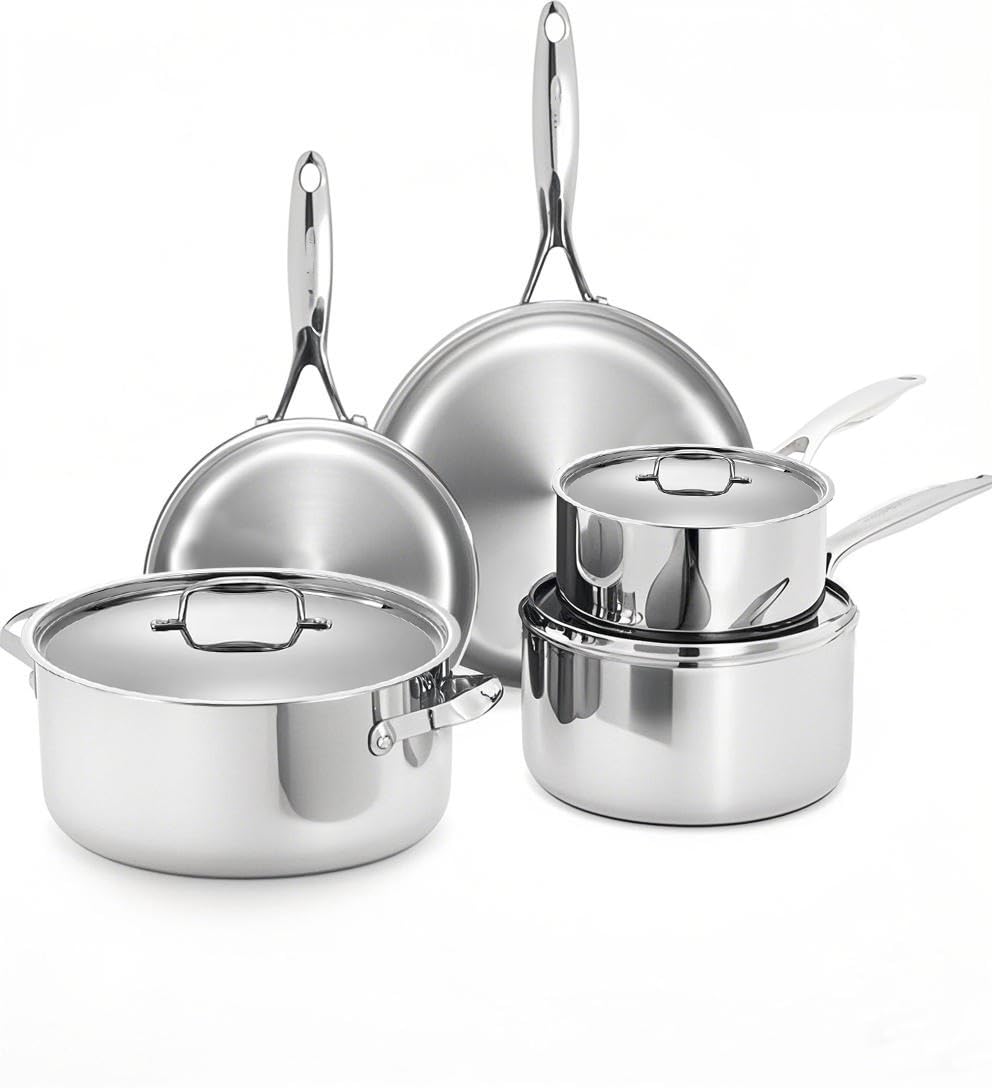
Understanding the construction of 5 ply stainless steel cookware helps reveal why it is considered safe and highly efficient for cooking. This cookware consists of five layers of different metals fused together. Each layer plays a key role in heat distribution, durability, and safety. The combination creates a pot or pan that heats evenly and resists warping. It also prevents food from sticking or burning easily. Knowing how these layers work together gives confidence in using 5 ply cookware every day.
Layers And Materials Used
The five layers in 5 ply cookware are carefully selected for their unique properties. These layers usually include stainless steel, aluminum, and sometimes other metals. Each metal serves a specific function, creating a balanced cookware piece.
- Outer layer: Often made of 18/10 stainless steel, known for its durability and resistance to rust and corrosion.
- Second layer: Usually aluminum or copper, metals that conduct heat quickly and evenly.
- Middle layer: Another core of aluminum or stainless steel, adding stability and heat control.
- Fourth layer: Similar to the second, helping in heat conduction and even cooking.
- Inner layer: Made of food-grade stainless steel, safe for contact with food and easy to clean.
| Layer | Material | Key Feature |
|---|---|---|
| 1 (Outer) | 18/10 Stainless Steel | Durable, rust-resistant |
| 2 | Aluminum or Copper | Heat conductor |
| 3 (Core) | Aluminum or Stainless Steel | Heat control, stability |
| 4 | Aluminum or Copper | Heat conductor |
| 5 (Inner) | Food-grade Stainless Steel | Safe for cooking, easy cleaning |
The layers are bonded tightly, ensuring no gaps or separation during use. This construction allows the cookware to perform well on all stovetops, including induction.
Purpose Of Each Layer
Each layer in 5 ply cookware has a clear and important role. Together, they improve cooking performance and safety.
- Outer stainless steel layer: Protects the cookware from scratches, stains, and corrosion. It also adds a shiny finish.
- Heat-conducting layers (aluminum or copper): Spread heat quickly and evenly across the cooking surface. This prevents hot spots that burn food.
- Core layer: Stabilizes heat flow, ensuring the pan heats uniformly. It keeps temperature steady for better cooking control.
- Inner stainless steel layer: Safe for food contact and does not react with acidic or alkaline ingredients. It prevents metals from leaching into food.
By combining these layers, 5 ply cookware offers:
- Fast and even heating to cook food perfectly.
- Strong durability that lasts for years without warping or damage.
- Safe cooking surface that resists corrosion and metal leaching.
- Easy maintenance with a smooth stainless steel inner layer.
The design balances heat conduction and safety, making 5 ply cookware a smart choice for many kitchens.
Benefits Of Stainless Steel
Stainless steel is a popular choice for cookware, especially in 5 ply designs that combine durability and performance. Its many benefits make it safe and reliable for everyday cooking. Understanding the advantages of stainless steel helps explain why 5 ply cookware is trusted by many chefs and home cooks.
Corrosion Resistance
One of the main benefits of stainless steel is its excellent corrosion resistance. This quality means the cookware does not rust or stain easily. Stainless steel contains chromium, which forms a thin layer of oxide on the surface. This layer acts as a shield, protecting the metal underneath from moisture and oxygen.
Because of this protection, stainless steel cookware lasts longer and stays attractive. It can handle regular washing, exposure to water, and acidic foods without damage. This makes 5 ply stainless steel cookware a good investment for those who want pots and pans that look good over time.
- Resists rust and stains even after repeated use
- Maintains strength and shape under high heat
- Works well with all types of cooking surfaces, including induction
| Feature | Benefit |
|---|---|
| Chromium Content | Creates protective oxide layer |
| Oxide Layer | Prevents rust and corrosion |
| Durability | Resists dents and scratches |
Corrosion resistance means safer cooking because the cookware does not release harmful substances. It also keeps food flavors pure without metallic tastes.
Non-reactive Surface
Another key benefit of stainless steel is its non-reactive surface. This means it does not react chemically with food. Many metals can change taste or color when cooking acidic or salty dishes. Stainless steel keeps food fresh and true to its flavor.
Cookware with a non-reactive surface helps maintain healthy meals. It does not leach metals into food, ensuring no unwanted chemicals mix into your dishes. This safety aspect is important for daily cooking.
- Safe for cooking all types of ingredients
- Preserves original food taste and color
- Easy to clean without special care
5 ply stainless steel cookware often has a polished inner layer. This smooth surface reduces food sticking and simplifies washing. It works well for frying, boiling, and simmering without affecting the food quality.
| Benefit | Explanation |
|---|---|
| Non-reactive | No chemical reactions with food |
| Flavor Neutral | Food tastes as intended |
| Health Safety | Prevents metal contamination |
This surface quality adds to the overall safety of 5 ply stainless steel cookware, making it a smart choice for healthy and tasty meals.
Safety Concerns
Choosing 5 ply stainless steel cookware raises questions about safety. Many wonder if these pots and pans are safe to use daily. Safety concerns often focus on metal exposure and cooking performance. Understanding these issues helps make better kitchen decisions. This section looks at two key safety topics: metal leaching and heat distribution. Both affect health and cooking quality.
Potential Metal Leaching
Metal leaching occurs when tiny amounts of metals transfer from cookware into food. This can happen with stainless steel, especially if the surface wears down or if acidic foods are cooked. 5 ply stainless steel cookware has multiple layers, which may reduce this risk.
Key points about metal leaching in 5 ply stainless steel:
- Layers include stainless steel and aluminum or copper for heat conduction.
- Stainless steel is generally non-reactive and safe for cooking.
- Acidic foods (like tomato sauce) may cause slight metal transfer.
- Higher quality stainless steel (304 or 316 grade) leaches less metal.
- Scratched or damaged cookware may increase leaching risk.
Check the table below for common metals in stainless steel cookware and their safety levels:
| Metal | Role in Cookware | Health Impact | Leaching Risk |
|---|---|---|---|
| Nickel | Provides corrosion resistance | Possible allergen, minimal risk for most | Low in high-quality steel |
| Chromium | Prevents rust and adds shine | Safe, essential for stainless steel | Very low |
| Iron | Main metal base | Essential nutrient, safe | Very low |
Using 5 ply stainless steel cookware properly limits metal leaching. Avoid cooking highly acidic foods for long times. Replace cookware if surfaces become damaged. Overall, the risk remains low with quality products.
Heat Distribution And Hot Spots
5 ply stainless steel cookware is designed to improve heat distribution. Multiple layers of metal help spread heat evenly. This reduces hot spots that burn food or cause uneven cooking. Hot spots can ruin meals and make cooking unsafe.
How 5 ply layers improve heat:
- Outer and inner layers are stainless steel, which is durable and easy to clean.
- Middle layers often include aluminum or copper, which conduct heat well.
- Heat spreads quickly and evenly across the cooking surface.
- Less chance of burning or sticking.
Benefits of even heat distribution include:
- Food cooks evenly and tastes better.
- Less risk of burning and toxic fumes.
- Energy efficient cooking.
- Better control of cooking temperature.
Common issues with poor heat distribution:
| Problem | Cause | Effect |
|---|---|---|
| Hot spots | Thin or single-layer metal | Food burns in some areas, raw in others |
| Uneven cooking | Poor heat conduction | Longer cooking times, inconsistent results |
| Warping | Rapid heating or cooling | Cookware loses shape and performance |
5 ply cookware reduces these problems by combining metals for strength and heat conduction. This makes it safer for cooking and improves food quality.
Credit: www.amazon.com
Comparing 5 Ply To Other Cookware
Choosing the right cookware affects cooking results and safety. 5 ply stainless steel cookware is popular for its strength and heat distribution. Comparing it to other types of cookware helps understand its benefits and limits. This section explores how 5 ply stands against single ply and other common options like non-stick and cast iron.
Single Ply Vs Multi Ply
Single ply cookware usually has one layer of metal, often stainless steel. It heats unevenly and can cause hot spots. This leads to food sticking or burning easily. Single ply is lighter but less durable than multi ply. It also reacts to temperature changes slower.
Multi ply cookware, like 5 ply, has several layers of metal. These layers include stainless steel and aluminum or copper. Each metal offers different benefits:
- Stainless steel provides strength and a smooth cooking surface.
- Aluminum or copper layers improve heat conduction and even cooking.
5 ply cookware often has alternating layers, such as:
Stainless Steel - Aluminum - Stainless Steel - Aluminum - Stainless SteelThis design spreads heat evenly and keeps the pan stable. It reduces hot spots and allows better control during cooking.
| Feature | Single Ply | 5 Ply |
|---|---|---|
| Heat Distribution | Poor, uneven | Excellent, even |
| Durability | Moderate | Very High |
| Weight | Light | Heavier |
| Cost | Lower | Higher |
Multi ply cookware is heavier but offers better cooking performance. Single ply might suit light use, but 5 ply suits serious cooking. The investment in multi ply often pays off with longer life and better results.
Alternatives Like Non-stick And Cast Iron
Non-stick and cast iron are popular alternatives to stainless steel cookware. Each has unique features and safety considerations.
Non-stick pans have a coating that prevents food from sticking. They require less oil and are easy to clean. But the coating can wear off or release harmful chemicals if overheated. Non-stick pans often last shorter than stainless steel.
Cast iron cookware is very durable and heats evenly. It adds iron to food, which can be a health benefit. Cast iron needs seasoning to keep its surface smooth and prevent rust. It is heavy and takes longer to heat up and cool down.
| Cookware Type | Pros | Cons |
|---|---|---|
| Non-stick | Easy cleaning, low-fat cooking | Coating can degrade, sensitive to high heat |
| Cast Iron | Durable, excellent heat retention, adds iron | Heavy, requires maintenance, slow heating |
| 5 Ply Stainless Steel | Even heating, durable, safe surface | Heavier, expensive |
Choosing between these depends on cooking style and care routine. 5 ply stainless steel offers a balance of safety, heat control, and durability. Non-stick suits quick, low-fat cooking but has lifespan limits. Cast iron is tough and good for slow cooking but demands more care.
Care And Maintenance Tips
Proper care and maintenance keep 5 ply stainless steel cookware safe and lasting longer. This cookware combines layers of metals to ensure even heating and durability. To enjoy its benefits fully, follow simple cleaning and handling steps. These tips prevent damage and keep the cookware looking new. Clean cookware cooks better and stays non-toxic for your health.
Cleaning Methods
Cleaning 5 ply stainless steel cookware is easy but requires attention to detail. Avoid harsh chemicals that can harm the metal layers. Use warm water and mild dish soap for routine cleaning. Soft sponges or cloths work best to protect the surface from scratches.
- Hand wash: Always prefer hand washing over dishwasher use to maintain the cookware’s finish.
- Remove stains: For stuck-on food, soak the pan in warm, soapy water before scrubbing gently.
- Use baking soda: For tough stains, sprinkle baking soda on the surface and scrub lightly with a damp cloth.
Here is a simple cleaning guide for 5 ply stainless steel cookware:
| Cleaning Step | Method | Purpose |
|---|---|---|
| Daily Cleaning | Warm water, mild soap, soft sponge | Remove grease and food particles |
| Stain Removal | Baking soda paste, gentle scrubbing | Eliminate discoloration and residue |
| Deep Cleaning | Vinegar soak, rinse, dry thoroughly | Restore shine and remove mineral deposits |
Dry cookware immediately after washing. Standing water can cause spots and dullness. Avoid metal scouring pads as they scratch the surface.
Avoiding Damage
Protect 5 ply stainless steel cookware by following simple handling rules. Avoid sudden temperature changes that can warp the metal layers. Always heat the pan gradually on medium heat to preserve its shape and performance.
- Do not overheat: High heat can discolor or damage the finish.
- Use proper utensils: Wooden, silicone, or plastic tools prevent scratches.
- Store carefully: Stack pans with cloth or paper towels between to avoid dents and scratches.
Here is a quick checklist to avoid damage:
- Heat pan before adding oil or food to prevent sticking.
- Never pour cold water into a hot pan; this can cause warping.
- Use low to medium heat settings for cooking.
- Handle cookware gently to avoid dents or bending.
Following these guidelines keeps your 5 ply stainless steel cookware safe, efficient, and attractive for years. Careful use and cleaning protect both the cookware and your health.

Credit: www.amazon.com
Expert Opinions And Research
Experts and researchers have studied 5 ply stainless steel cookware to check its safety. This cookware type uses layers of metals to improve heat and cooking performance. People often wonder if this complex design affects health. Research and industry standards offer clear answers about safety and quality. Understanding these helps choose cookware that is both safe and effective.
Health Studies On Stainless Steel
Many health studies focus on stainless steel in cookware. Stainless steel is mostly made of iron, chromium, and nickel. These metals are generally safe for cooking. Scientists check if metals can leak into food during cooking, especially with acidic foods like tomato sauce or lemon juice.
Key points from health studies include:
- Minimal metal release: Stainless steel releases very small metal amounts under normal cooking.
- Nickel and chromium: These elements may release slightly but stay well below harmful levels.
- Corrosion resistance: 5 ply stainless steel resists corrosion better than single-layer pans.
- Safe for daily use: No evidence shows health risks from regular use of stainless steel cookware.
One study measured metal release during cooking. Results showed:
| Metal | Release Amount (mg/kg food) | Safe Limit (mg/kg) |
|---|---|---|
| Nickel | 0.05 | 0.5 |
| Chromium | 0.1 | 1.0 |
| Iron | 0.3 | 2.0 |
The numbers prove 5 ply stainless steel is safe. Proper use and cleaning keep cookware in good condition and reduce metal release.
Industry Standards
Industry standards control the quality and safety of stainless steel cookware. These rules ensure products meet health and durability requirements. Manufacturers must follow strict guidelines to sell safe cookware.
Important standards include:
- ISO 9001: Quality management system for manufacturing processes.
- FDA regulations: Limits on materials used in cookware for food safety.
- ASTM standards: Define stainless steel grades and corrosion resistance.
- LFGB certification: European test for food contact safety.
These standards test:
- Material composition
- Metal release levels
- Heat resistance and durability
- Surface finish and corrosion resistance
5 ply stainless steel cookware often exceeds these standards. The multiple layers improve heat spread and protect inner metals from wear. This construction helps keep food safe and maintains pan quality over time.
Frequently Asked Questions
Is 5 Ply Stainless Steel Cookware Non-toxic And Safe?
Yes, 5 ply stainless steel cookware is non-toxic and safe. It uses high-quality layers that prevent harmful chemical leaching during cooking. This makes it ideal for healthy meal preparation without contaminating food.
Does 5 Ply Stainless Steel Cookware Distribute Heat Evenly?
Yes, 5 ply stainless steel cookware offers excellent heat distribution. Multiple layers, including aluminum or copper core, ensure even heating. This reduces hot spots and improves cooking performance for better results.
Can 5 Ply Stainless Steel Cookware Withstand High Temperatures?
Absolutely, 5 ply stainless steel cookware withstands high cooking temperatures. It resists warping and maintains durability under intense heat, making it suitable for various cooking methods like searing and frying.
Is 5 Ply Stainless Steel Cookware Dishwasher Safe?
Most 5 ply stainless steel cookware is dishwasher safe. However, hand washing is recommended to maintain its finish and longevity. Check manufacturer guidelines for specific cleaning instructions.
Conclusion
5 ply stainless steel cookware offers strong durability and even heat. It does not release harmful chemicals when cooking. Cleaning and maintaining it is simple and safe. Many chefs and home cooks trust this type of cookware. It suits various cooking styles and recipes well.
Choosing quality 5 ply cookware helps ensure safe meals. Cook with confidence and enjoy tasty, healthy food. Safe, long-lasting, and practical—5 ply stainless steel works great.

Hello, This is Annie Walker, a 38-year-old blogger, founder, and editor of Cookware Guider from NY, USA. I am a cookware fanatic and passionate cooker. I love to cook with different types of cooking appliances (example: all types of cookware, rice cookers, slow cookers, etc) almost every day in my kitchen. I love to share my experience with my readers in my blog. Also, I enjoy helping people to solve their problems through my website. You can follow me on Twitter & Pinterest. To know details about my blog please check the about us page.