
Are you thinking about upgrading your kitchen but unsure if an induction cooktop is better than a traditional electric one? Choosing the right cooktop can make a big difference in how quickly and efficiently you cook your meals.
You want something that’s safe, easy to use, and saves energy. You’ll discover the key differences between induction and electric cooktops, helping you make the best choice for your cooking style and lifestyle. Keep reading to find out which option could transform your kitchen experience.
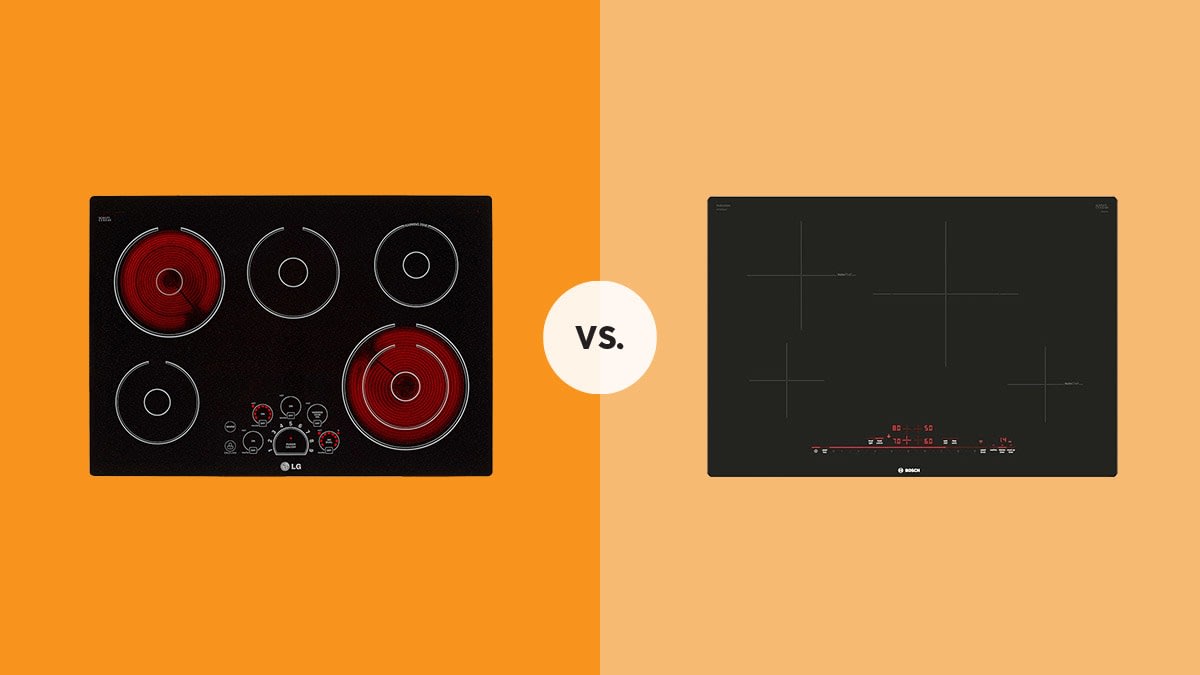
Credit: www.consumerreports.org
How Induction Cooktops Work
Induction cooktops use a unique way to heat food. Unlike traditional electric stoves, they heat pots and pans directly. This method makes cooking faster and saves energy. Understanding how induction cooktops work helps you see their benefits.
Magnetic Heating Process
Induction cooktops use magnets under the cooking surface. These magnets create a magnetic field. When a pot sits on the cooktop, the field causes the pot to heat up. The cooktop itself stays cool because it does not get hot. Heat comes only from the pot. This process heats food quickly and evenly.
Cookware Compatibility
Not all cookware works on induction cooktops. Pots and pans must be made of magnetic materials. Examples include cast iron and some stainless steels. Non-magnetic materials like glass or aluminum do not work unless they have a magnetic base. To check, hold a magnet to the bottom of your cookware. If it sticks, the cookware is compatible.
How Electric Cooktops Operate
Understanding how electric cooktops operate helps to compare them with induction models. Electric cooktops use electricity to heat pots and pans directly. The heat comes from heating elements under the cooktop surface. These elements warm up and transfer heat to the cookware. This process is different from induction, which uses magnetic fields.
Heating Element Types
Electric cooktops have two main types of heating elements: coil and smooth top. Coil elements are metal coils that heat up visibly. They provide quick heat but can be harder to clean. Smooth top cooktops use a glass-ceramic surface with heating elements underneath. These elements heat the surface, which then heats the cookware. Smooth tops look sleek and are easier to clean.
Temperature Control
Electric cooktops control temperature by adjusting the power to the heating elements. Turning the knob changes the electricity flow, which changes the heat level. Some models have digital controls for precise temperature settings. Temperature control on electric cooktops is slower than induction. The heating elements take time to heat up and cool down. This can affect cooking speed and accuracy.
Energy Efficiency Comparison
Comparing energy efficiency helps choose the best cooktop for your kitchen. Energy use and heat delivery affect cooking cost and speed. Both induction and electric cooktops use electricity, but they do so differently. Understanding these differences reveals which is more efficient for daily use.
Power Consumption
Induction cooktops use less power than electric coil or smooth-top models. They heat up faster, reducing cooking time and energy use. Electric cooktops keep using power even if the heat is low. Induction stops energy flow when you remove the pan, saving power. This on-demand use lowers overall electricity bills.
Heat Transfer Efficiency
Induction cooktops transfer heat directly to the pan’s metal. This method loses less heat to the air. Electric cooktops heat a coil or glass surface first. Heat then moves to the pan, losing energy along the way. Induction can reach 90% heat efficiency or more. Electric cooktops often operate below 70% efficiency. Less wasted heat means faster cooking and less energy spent.
Cooking Performance
Cooking performance is a key factor in choosing between an induction cooktop and an electric stove. It affects how fast food cooks and how evenly heat spreads to your pots and pans. Understanding these differences helps pick the right appliance for your kitchen.
Speed And Precision
Induction cooktops heat up very quickly. They use magnetic fields to warm the pot directly. This means less waiting time for the pan to get hot. Electric cooktops take longer because they heat the coil first, then the pan. Induction also offers precise temperature control. You can adjust heat instantly, which helps prevent overcooking. Electric cooktops respond slower to changes, making precise cooking harder.
Heat Distribution
Induction cooktops deliver heat evenly across the cooking surface. The pot receives heat directly, so hot spots are rare. This leads to better cooking results and less burning. Electric cooktops heat the coil, which heats the pan unevenly sometimes. This can cause food to cook unevenly or stick. Heat distribution in induction is more efficient and consistent.
Safety Features
Safety is a top priority for any kitchen appliance. Both induction and electric cooktops offer features to protect users. These features reduce the chance of burns and accidents. Understanding these safety aspects helps you choose the right cooktop for your home.
Heat Exposure Risks
Induction cooktops heat only the pan, not the surface. The cooktop stays cool to touch, reducing burn risks. Electric cooktops heat the entire surface, which stays hot longer. This increases the chance of accidental burns. Induction is safer around children and pets due to less heat exposure.
Automatic Shutoff
Both cooktops often include automatic shutoff features. This stops the cooktop if left on too long or if no pan is detected. Induction cooktops usually respond faster, turning off quickly after pan removal. Electric cooktops can take longer to cool down after shutting off. Automatic shutoff adds a layer of safety for busy kitchens.
Ease Of Cleaning
Cleaning a cooktop is a daily task in many kitchens. The ease of cleaning affects how often and how well you maintain your cooking surface. Induction and electric cooktops differ in how you clean them. Understanding these differences helps you choose the best option for your needs.
Surface Materials
Induction cooktops usually have smooth glass or ceramic surfaces. These materials resist stains and spills well. Electric cooktops may have coil burners or smooth tops. Coil burners can trap food and are harder to clean. Smooth electric tops are easier but can scratch or stain more than induction surfaces.
Maintenance Tips
Wipe spills immediately on both cooktops to avoid stains. Use soft cloths or sponges for cleaning. Avoid abrasive cleaners that can damage surfaces. For induction cooktops, use special glass cleaner to keep shine. For electric coils, remove and clean under burners regularly. Regular care keeps your cooktop looking new and working well.
Cost And Installation
Cost and installation are important factors in choosing between an induction cooktop and a traditional electric one. Both types have different price points and setup needs. Understanding these differences helps you decide which fits your budget and kitchen setup.
Initial Investment
Induction cooktops usually cost more upfront than electric cooktops. They use advanced technology that heats food quickly and evenly. The price reflects this innovation. Electric cooktops are simpler and often less expensive. If budget is tight, electric cooktops may be easier to afford.
Induction cooktops may save money over time due to energy efficiency. They use less electricity by heating pans directly. Electric cooktops waste some energy by heating the entire burner area. This difference can lower your electricity bills.
Installation Requirements
Installing an induction cooktop might need an electrician. It often requires a special power supply or higher voltage. Your kitchen’s wiring may need upgrading. This adds to the total installation cost.
Electric cooktops usually install easily in standard kitchens. They use regular power outlets or existing wiring. This simplicity can reduce installation expenses and time. Both cooktops need flat, stable surfaces for safe use.
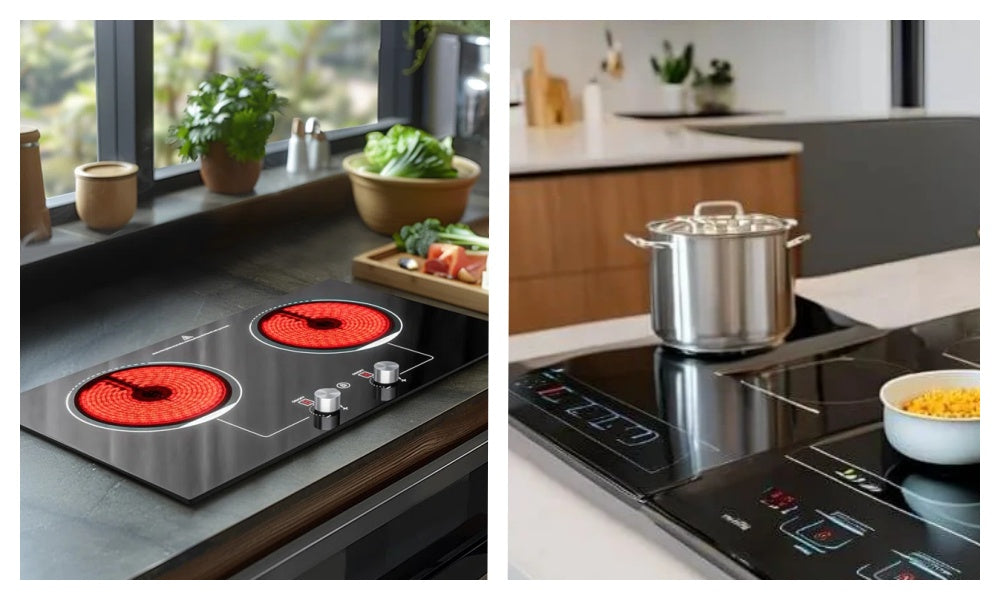
Credit: www.ciarraappliances.com
Common Issues And Troubleshooting
Both induction and electric cooktops have common problems that users face. Knowing these issues helps fix them fast. Troubleshooting saves time and avoids extra costs. This section covers typical problems and quick solutions for each type.
Induction Cooktop Problems
Induction cooktops may not heat if pots are not compatible. Use cookware made of magnetic materials only. The cooktop might display error codes. Check the manual to understand their meaning. Sometimes, the cooktop turns off suddenly. This happens if it overheats or detects no pan. Clean the surface regularly to avoid sensor errors. Power surges can also cause the cooktop to stop working.
Electric Cooktop Problems
Electric cooktops often have heating element issues. Elements may not heat or heat unevenly. Replace broken or old heating coils to fix this. The control knobs might become loose or unresponsive. Tighten or replace knobs as needed. Burn marks or discoloration on the surface can occur. Clean the cooktop carefully with proper cleaners. Faulty wiring or a blown fuse can stop the cooktop from working.
Which One Suits Different Lifestyles
Choosing between an induction cooktop and an electric stove depends on your daily cooking needs and habits. Each type suits different lifestyles and kitchen styles. Understanding these can help you pick the best fit for your home or work environment.
Let’s explore how each cooktop matches with various cooking styles and settings.
For Home Cooks
Home cooks often value ease and safety in their kitchen tools. Induction cooktops heat quickly and cool down fast. This reduces waiting time and risk of burns. They also save energy by using magnetic heat directly on pots and pans.
Electric cooktops offer steady heat and are usually cheaper to buy. They work well for slow cooking and simmering dishes. Maintenance is simple since most have smooth glass surfaces. Home cooks who enjoy casual cooking might prefer electric for its simplicity.
For Professional Kitchens
Professional kitchens need fast, precise, and reliable equipment. Induction cooktops deliver quick temperature changes that help chefs control cooking better. The surface stays cooler, making the kitchen safer for busy staff. They also use less energy, cutting down utility costs.
Electric cooktops may struggle with high-volume cooking. They take longer to heat and cool down, which can slow down a busy kitchen. Professionals often choose induction for speed and accuracy. This helps maintain food quality during peak hours.
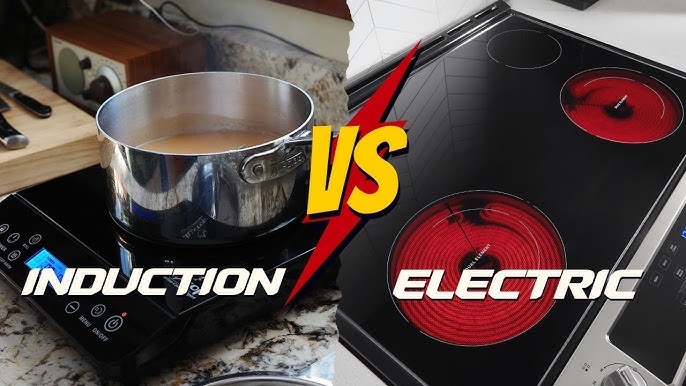
Credit: www.youtube.com
Frequently Asked Questions
Is An Induction Cooktop More Energy Efficient Than Electric?
Induction cooktops use magnetic fields to heat pots directly, wasting less energy. Electric cooktops heat the surface, losing heat. Induction is generally more energy efficient, reducing cooking time and electricity bills.
Are Induction Cooktops Safer Than Electric Ones?
Induction cooktops remain cool to touch since only the pot heats up. Electric cooktops stay hot longer, increasing burn risks. Induction models also have automatic shut-off features, making them safer overall.
Do Induction Cooktops Require Special Cookware?
Yes, induction cooktops need magnetic cookware like cast iron or stainless steel. Non-magnetic pots like aluminum or glass won’t work. Electric cooktops can use any type of cookware without restrictions.
Which Cooktop Heats Faster: Induction Or Electric?
Induction cooktops heat pots directly, reaching cooking temperatures quickly. Electric cooktops take longer to heat the surface and transfer heat. Induction is significantly faster, saving time in meal preparation.
Conclusion
Choosing between an induction cooktop and an electric one depends on your needs. Induction heats faster and uses less energy. Electric cooktops are usually cheaper and work with all pans. Both have pros and cons. Think about your cooking style and budget before deciding.
Either choice can cook your meals well. Cooking comfort and safety matter most in the end.

Hello, This is Annie Walker, a 38-year-old blogger, founder, and editor of Cookware Guider from NY, USA. I am a cookware fanatic and passionate cooker. I love to cook with different types of cooking appliances (example: all types of cookware, rice cookers, slow cookers, etc) almost every day in my kitchen. I love to share my experience with my readers in my blog. Also, I enjoy helping people to solve their problems through my website. You can follow me on Twitter & Pinterest. To know details about my blog please check the about us page.