
Are you tired of stubborn stains and streaks ruining the sleek look of your induction cooktop? Keeping it clean not only makes your kitchen shine but also helps your cooktop work better and last longer.
But what is the best way to clean an induction cooktop without causing damage or wasting time? You’ll discover simple, effective tips that anyone can follow. By the end, you’ll know exactly how to keep your cooktop spotless and looking brand new every day.
Keep reading—you won’t want to miss these easy cleaning secrets!
Types Of Induction Cooktop Surfaces
Induction cooktops come with different surface types. Knowing these helps in cleaning them the right way. Each surface needs special care to keep it shiny and working well.
Some surfaces handle heat better. Others resist scratches or stains. Understanding these differences makes cleaning easier and safer for your cooktop.
Glass Ceramic Tops
Glass ceramic tops are smooth and sleek. They look modern in any kitchen. These surfaces heat up quickly and cool down fast.
Cleaning glass ceramic tops requires gentle methods. Avoid abrasive scrubs that can scratch the surface. Use soft cloths and mild cleaners for best results.
Spills should be wiped right away. Hardened food can damage the glass if left too long. A scraper made for glass can help remove tough spots.
Smoothtop Variants
Smoothtops are a type of glass surface but vary slightly. They have a uniform, flat finish. This makes them easy to clean with quick wipes.
Smoothtops resist stains but can still scratch. Using soft pads and non-abrasive cleaners protects the surface. Avoid dropping heavy or sharp objects on them.
Regular cleaning prevents buildup of grease and food. This keeps the cooktop looking new and working well for years.
Daily Cleaning Tips
Daily cleaning keeps your induction cooktop shiny and working well. Dirt and spills can build up quickly. Cleaning every day stops stains from hardening. It also helps avoid damage to the cooktop surface.
Simple daily habits make a big difference. Spend just a few minutes after cooking. This prevents tough messes later. Let’s explore easy daily cleaning tips for your cooktop.
Wiping After Each Use
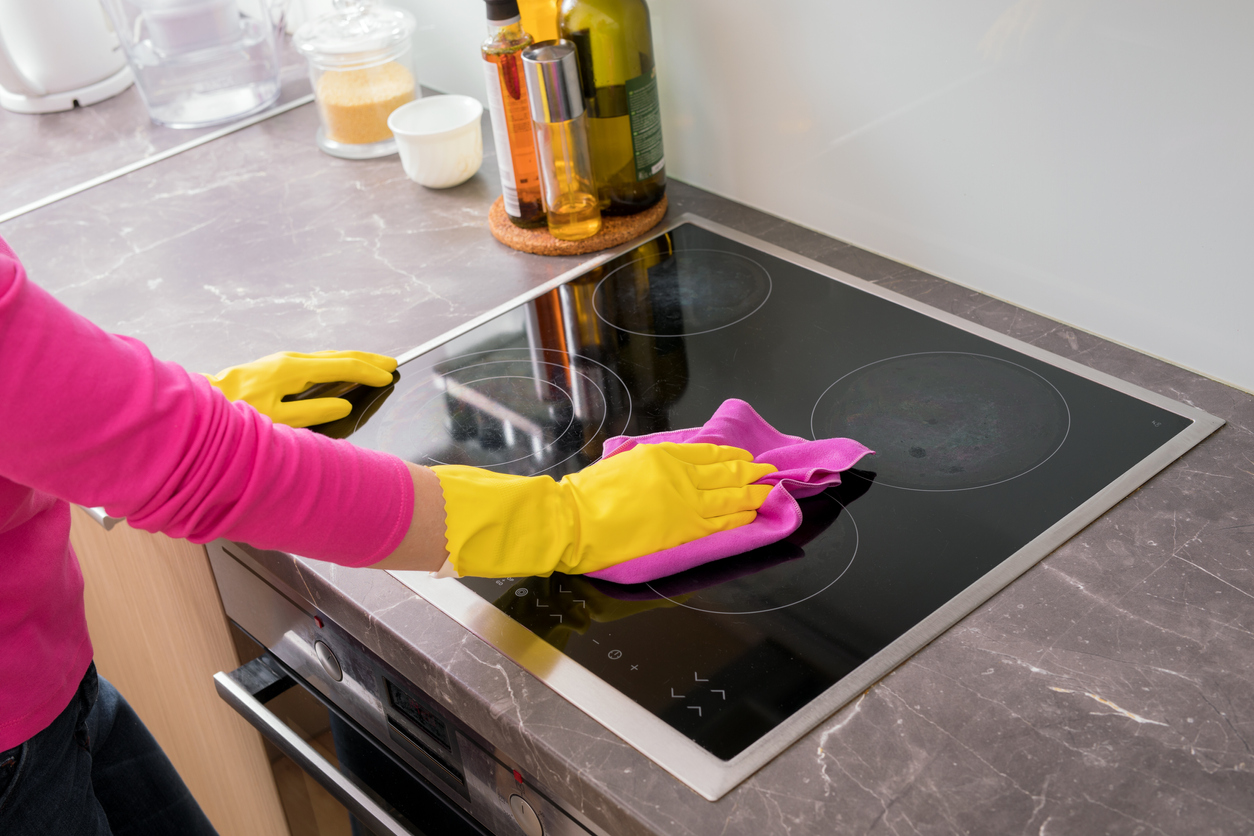
Wipe the cooktop after every meal. Use a soft cloth or sponge. Clean while the surface is still warm, not hot. This removes fresh spills and grease quickly. Avoid letting food dry on the cooktop. Fresh spills are easier to clean. It takes less effort and keeps the surface smooth.
Choosing The Right Cloth
Use a soft microfiber cloth for cleaning. It does not scratch the glass surface. Avoid rough sponges or abrasive pads. These can leave marks or damage the cooktop. Microfiber cloths trap dirt and grease well. They also dry the surface without streaks. Keep several cloths handy for daily use.
Removing Tough Stains
Tough stains on an induction cooktop can be frustrating. These stains often come from burnt food or spills that dry quickly. Removing them needs care to avoid scratching the glass surface. Using gentle but effective methods helps keep the cooktop smooth and shiny.
Using Baking Soda Paste
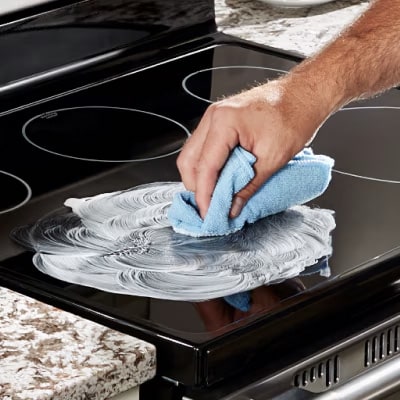
Baking soda is a mild abrasive that cleans without damage. Make a paste by mixing baking soda with a little water. Spread the paste over the tough stains. Let it sit for 10 to 15 minutes. Then, gently scrub with a soft cloth or sponge. Wipe clean with a damp cloth. This method lifts stains without harsh chemicals.
Applying Vinegar Solutions
Vinegar is acidic and breaks down grime easily. Mix equal parts of white vinegar and water in a spray bottle. Spray the solution on the stained areas. Let it sit for a few minutes to loosen the stains. Wipe with a soft cloth. Repeat if needed. Vinegar also leaves the cooktop sparkling clean and fresh.
Specialized Cooktop Cleaners
Special cooktop cleaners are made for induction surfaces. They contain safe ingredients that remove tough stains and grease. Apply the cleaner as directed on the label. Use a soft cloth or sponge to clean the surface. These cleaners protect the cooktop and keep it looking new. Always choose products made for glass cooktops.

Credit: www.agaliving.com
Tools For Effective Cleaning
Cleaning an induction cooktop needs the right tools. Using proper tools helps keep the surface shiny and scratch-free. It also makes cleaning faster and easier. Here are some key tools to use for the best results.
Scrapers And Spatulas
Scrapers and spatulas help remove stuck food and burnt spots. Choose plastic or silicone tools to avoid scratching the glass. Hold the scraper at a low angle and gently scrape the residue. Avoid metal scrapers as they can damage the cooktop.
Microfiber Cloths
Microfiber cloths are soft and absorbent. They clean without leaving lint or streaks behind. Use them to wipe the surface after cleaning. A damp microfiber cloth removes loosened dirt effectively. Dry the surface with a clean, dry cloth for a clear shine.
Non-abrasive Pads
Non-abrasive pads remove tough stains without scratching. Look for pads labeled safe for glass or ceramic surfaces. Avoid rough scrubbing pads that can cause damage. Use gentle circular motions to lift grime and stains. Rinse pads often to keep them clean during use.
Avoiding Damage To Your Cooktop
Keeping your induction cooktop safe from damage is key for long use. This type of cooktop has a smooth glass surface that needs careful handling. Small mistakes can cause scratches or stains that are hard to fix. Understanding what to avoid and how to act fast helps keep the cooktop looking new and working well.
What Not To Use
Avoid harsh cleaners like bleach or ammonia on your cooktop. These chemicals can dull the glass and cause stains. Never use steel wool or rough scrubbers; they scratch the surface easily. Stay away from abrasive powders that can leave marks. Use soft cloths and gentle cleaners made for glass cooktops instead.
Preventing Scratches
Always lift pots and pans instead of sliding them across the cooktop. Moving heavy cookware can scratch the glass surface. Use cookware with smooth, flat bottoms to reduce friction. Keep the cooktop clear of small debris like salt or sugar that can grind under pots. These simple steps protect your cooktop from damage.
Handling Spills Quickly
Clean spills as soon as the cooktop cools down. Sugary spills can harden and stain if left too long. Use a soft, damp cloth to wipe away liquid and food. For tough spots, a cooktop scraper designed for induction tops works well. Quick action keeps the surface clean and safe.
Credit: www.ovenclean.com
Maintaining Shine And Performance
Maintaining the shine and performance of an induction cooktop keeps it looking new and working well. A clean surface helps heat transfer better and prevents damage. Simple steps can keep your cooktop bright and efficient for years.
Polishing Techniques
Use a soft cloth to polish the cooktop after cleaning. Apply a small amount of cooktop polish or a gentle glass cleaner. Rub in circular motions for a smooth shine. Avoid abrasive pads that can scratch the surface. Polishing removes streaks and light stains easily. It also protects the glass from future marks.
Regular Maintenance Schedule
Clean spills immediately to avoid stains and buildup. Wipe the surface with a damp cloth after every use. Do a deep clean once a week with a special cleaner. Check for cracks or damage regularly. Keep the cooktop dry to prevent water spots. Regular care keeps the cooktop working well and looking good.
Common Mistakes To Avoid
Cleaning an induction cooktop seems simple but many make mistakes. These errors can damage the surface or reduce its lifespan. Avoiding common mistakes helps keep your cooktop shiny and working well. Here are two key errors to watch out for.
Using Harsh Chemicals
Strong cleaners can ruin the cooktop’s glass surface. Avoid bleach, ammonia, or abrasive powders. They cause scratches and dull the finish. Use mild soap and warm water instead. Special cooktop cleaners are safe and effective.
Excessive Water Use
Pouring too much water can cause damage. Water can seep into electrical parts and cause faults. Use a damp cloth, not a wet one. Wipe gently and dry the surface well after cleaning. Keep water away from control buttons and edges.
Credit: www.kitchenaid.com
Eco-friendly Cleaning Alternatives
Cleaning an induction cooktop can be safe and green. Eco-friendly methods use simple, natural ingredients. These choices protect your cooktop and the environment. They reduce harmful chemicals in your home. You can keep your kitchen clean without harsh products.
Natural Cleaning Ingredients
Baking soda helps remove stains gently. It is safe and non-toxic. White vinegar cuts grease and leaves shine. Lemon juice works as a natural bleach and freshener. Olive oil can polish and protect the surface. These ingredients are easy to find and cheap. They do not harm your cooktop’s finish.
Diy Cleaner Recipes
Mix baking soda and water to make a paste. Apply it to stubborn stains and wait 10 minutes. Wipe with a soft cloth and rinse with water. Combine equal parts white vinegar and water in a spray bottle. Spray the cooktop and wipe with a clean cloth. Use lemon juice on a cloth to rub spots gently. Add a few drops of olive oil for a shiny finish. These recipes clean well and avoid strong chemicals.
Frequently Asked Questions
How Do I Safely Clean An Induction Cooktop?
Use a soft cloth and mild cleaner to wipe the surface gently. Avoid abrasive pads that can scratch. Clean spills immediately to prevent stains. For tough spots, use a scraper designed for glass cooktops carefully.
What Household Items Remove Stains From Induction Cooktops?
White vinegar and baking soda effectively remove stains. Spray vinegar, let it sit, then scrub gently with baking soda. Rinse with a damp cloth afterward. These natural ingredients are safe and non-abrasive for induction surfaces.
Can I Use Ammonia To Clean Induction Cooktops?
Yes, dilute ammonia with water for tough grease spots. Apply with a soft cloth and wipe gently. Avoid using undiluted ammonia as it may damage the cooktop surface. Always rinse thoroughly with water after cleaning.
How Often Should I Clean My Induction Cooktop?
Clean your induction cooktop after every use to maintain its appearance. Wipe spills immediately to prevent buildup. Perform a deeper clean weekly to remove residue and keep it spotless.
Conclusion
Cleaning an induction cooktop is simple and quick with the right steps. Use soft cloths and gentle cleaners to avoid scratches. Clean spills immediately to keep the surface spotless. Regular care keeps the cooktop working well for years. Small daily efforts make a big difference.
Your cooktop will look new and shine bright. Enjoy cooking on a clean, safe surface every day.

Hello, This is Annie Walker, a 38-year-old blogger, founder, and editor of Cookware Guider from NY, USA. I am a cookware fanatic and passionate cooker. I love to cook with different types of cooking appliances (example: all types of cookware, rice cookers, slow cookers, etc) almost every day in my kitchen. I love to share my experience with my readers in my blog. Also, I enjoy helping people to solve their problems through my website. You can follow me on Twitter & Pinterest. To know details about my blog please check the about us page.