
Are you worried about the chemicals in your cookware affecting your health? Choosing the right pots and pans can make a big difference in what ends up on your plate.
Caraway cookware has been gaining attention, but you might be wondering— is Caraway cookware truly non-toxic? This matters because what you cook with can impact your family’s well-being every day. Keep reading to find out if Caraway lives up to its promise and how it compares to other options on the market.
Your health deserves cookware you can trust.
Caraway Cookware Materials
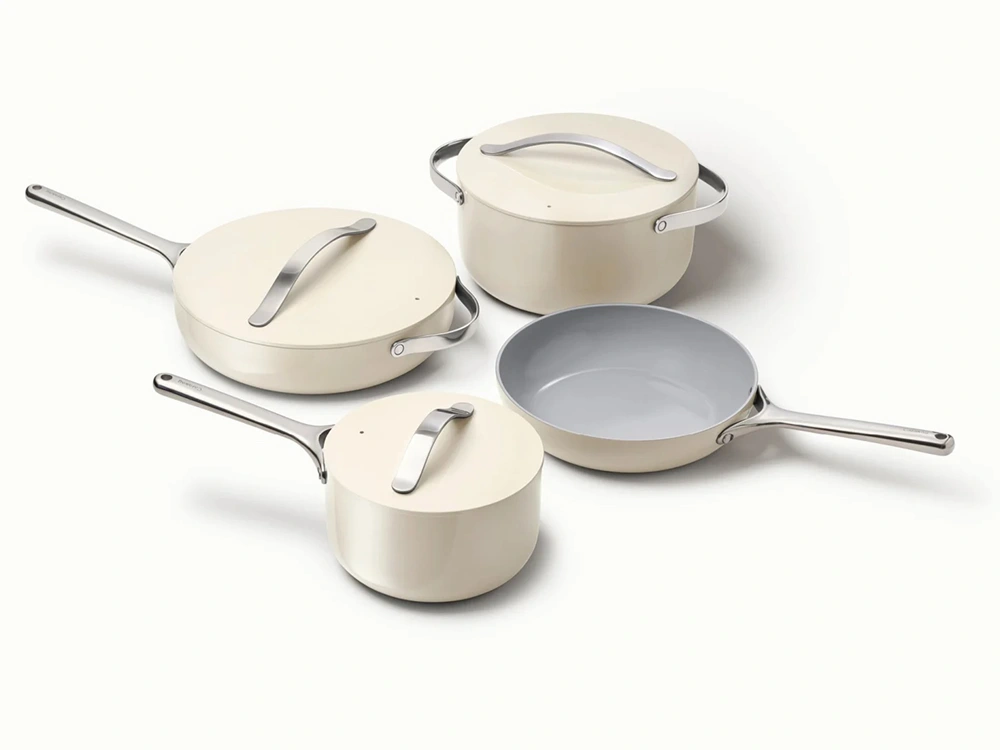
Caraway cookware is known for its stylish design and focus on health-friendly cooking. The materials used in Caraway cookware aim to offer a non-toxic cooking experience. Understanding these materials helps to see why many consider Caraway a safer choice for everyday cooking. This section explains the key materials used in Caraway cookware and their benefits.
Ceramic Nonstick Coating
The ceramic nonstick coating in Caraway cookware is one of its most important features. It is a mineral-based coating that does not contain harmful chemicals. This makes it a popular alternative to traditional nonstick coatings that may release toxins when heated.
- Free from PTFE and PFOA: These chemicals are common in many nonstick pans but can be toxic.
- Scratch-resistant: The ceramic coating is designed to resist scratches, making it durable.
- Easy to clean: Food slides off easily, reducing the need for harsh scrubbing.
- Safe at medium heat: It is best to use Caraway cookware at medium or lower heat to keep the coating intact and safe.
This coating also offers excellent heat distribution. It heats evenly, preventing hot spots that can burn food. The ceramic surface feels smooth and glossy, which adds to the ease of cooking and cleaning.
| Feature | Benefit | Why It Matters |
|---|---|---|
| PTFE & PFOA Free | Non-toxic cooking surface | Prevents harmful chemical release |
| Scratch Resistant | Long-lasting durability | Maintains nonstick quality over time |
| Easy to Clean | Less effort after cooking | Encourages healthy cooking habits |
| Even Heat Distribution | Consistent cooking results | Prevents food burning and sticking |
Base Metals Used
The base metals in Caraway cookware provide strength and even heat conduction. Caraway uses a combination of metals to ensure safe and effective cooking performance.
Primarily, Caraway pans have an aluminum base. Aluminum is lightweight and excellent for heat conduction, meaning food cooks quickly and evenly. The aluminum is coated to avoid direct contact with food, preventing any metal leaching.
- Aluminum core: Offers fast, even heat distribution.
- Enamel coating: Covers the aluminum, adding protection and durability.
- Non-toxic and food safe: The enamel is free from heavy metals like lead and cadmium.
Caraway cookware also features a stainless steel rim for durability and safe handling. Stainless steel is known for being strong and resistant to rust or corrosion. This metal combination keeps the cookware lightweight, sturdy, and safe for everyday use.
| Metal | Purpose | Health Aspect |
|---|---|---|
| Aluminum | Heat conduction | Coated to avoid metal contact with food |
| Enamel Coating | Protects aluminum core | Non-toxic, no heavy metals |
| Stainless Steel | Durability and rim strength | Safe, rust-resistant |
Credit: www.carawayhome.com
Toxic Chemicals And Safety
Caraway cookware has gained attention for its non-toxic claims and stylish design. Understanding the safety of this cookware requires a look at the toxic chemicals that are often a concern in kitchen products. Toxic chemicals in cookware can affect health by releasing harmful substances during cooking. Safety means using cookware free from harmful chemicals that could leach into food. This section explores Caraway’s status on common toxic chemicals and its safety profile.
Ptfe And Pfoa Status
PTFE (Polytetrafluoroethylene) and PFOA (Perfluorooctanoic Acid) are chemicals often used in non-stick cookware coatings. PTFE provides a slick surface that prevents food from sticking. PFOA was used in the manufacturing process of some non-stick coatings but is now mostly phased out due to health concerns.
Caraway cookware does not use PTFE or PFOA. Instead, it relies on a ceramic-based non-stick coating, which is safer and more environmentally friendly. This ceramic coating offers effective non-stick performance without the risks linked to PTFE or PFOA.
- No PTFE: Eliminates risk of toxic fumes at high heat.
- No PFOA: No harmful chemical exposure during manufacturing or use.
- Ceramic Coating: Made from natural minerals, safer and eco-friendly.
| Chemical | Use in Cookware | Caraway Status | Safety Note |
|---|---|---|---|
| PTFE | Non-stick surface | Not used | No toxic fumes from overheating |
| PFOA | Manufacturing aid for coatings | Not used | No chemical exposure risks |
By avoiding PTFE and PFOA, Caraway cookware reduces health risks often linked to traditional non-stick pans. This choice supports safer cooking and a healthier kitchen environment.
Heavy Metals Presence
Heavy metals like lead, cadmium, and arsenic are toxic elements that can sometimes be found in cookware coatings or materials. These metals can leach into food, especially with wear or damage to the cookware surface. Safe cookware must limit or eliminate heavy metals.
Caraway cookware undergoes strict testing for heavy metals. The brand certifies its products as free from lead, cadmium, and other harmful metals. This testing ensures no harmful metals leach into food during cooking.
- Lead-Free: Avoids risks of neurological damage and poisoning.
- Cadmium-Free: Prevents kidney damage and bone weakness.
- Arsenic-Free: Reduces cancer risk from food contamination.
| Heavy Metal | Health Risks | Caraway Certification |
|---|---|---|
| Lead | Neurological issues, poisoning | Not detected |
| Cadmium | Kidney damage, bone problems | Not detected |
| Arsenic | Cancer risk, toxicity | Not detected |
Caraway’s focus on heavy metal safety helps protect users from long-term health issues. Its ceramic coating and materials meet strict safety standards, making it a reliable choice for clean cooking.
Health Benefits Of Non Toxic Cookware
Choosing non toxic cookware like Caraway offers clear health benefits. Cookware that does not release harmful chemicals keeps your meals safer and healthier. Non toxic pots and pans prevent substances from mixing with your food. This helps protect your body from potential toxins. Using clean cookware supports better digestion and overall well-being. It also promotes a natural taste in your dishes, making every bite more enjoyable. Understanding the benefits of non toxic cookware helps you make smarter kitchen choices.
Avoiding Chemical Leaching
Certain cookware can release chemicals into your food during cooking. This process is called chemical leaching. It happens when heat breaks down harmful coatings or metals in pans. These chemicals can be absorbed by your body and cause health problems over time.
Non toxic cookware like Caraway is made to avoid chemical leaching. It uses natural materials and safe coatings. These do not break down or release toxins, even at high temperatures.
- No PFOA or PTFE: Caraway pans do not contain these harmful chemicals found in some non-stick coatings.
- Free from heavy metals: No lead, cadmium, or other metals that may leach into food.
- Safe ceramic coating: The ceramic surface is stable and prevents chemical release.
Here is a simple comparison of common cookware materials and their leaching risks:
| Cookware Material | Leaching Risk | Health Concerns |
|---|---|---|
| Non-stick (Teflon) | High when overheated | Flu-like symptoms, possible toxin buildup |
| Aluminum | Moderate | Possible link to neurological issues |
| Ceramic (Caraway) | Low to none | Safe, no chemical release |
| Cast Iron | Low | Iron intake, generally safe |
Using non toxic cookware like Caraway helps keep your kitchen safe. It stops unwanted chemicals from mixing with your food. This is important for long-term health and daily safety.
Impact On Food Quality
Non toxic cookware also improves the quality of your food. It does not change the taste or smell of your meals. Chemical coatings in some pans can add unwanted flavors or odors.
Caraway’s ceramic surface offers a natural cooking experience. It heats food evenly and maintains the true flavor. This means your dishes taste fresh and pure.
- Better taste: No metallic or chemical aftertaste.
- Even cooking: Prevents hot spots that burn food.
- Preserves nutrients: Gentle heat protects vitamins and minerals.
Food cooked in non toxic cookware often looks more appealing too. The surface resists stains and scratches, keeping pans clean and shiny.
Here is how non toxic cookware affects food quality:
- Natural flavors stay intact.
- Food cooks uniformly and thoroughly.
- No harmful residue on meals.
- Less oil needed due to smooth surface.
Overall, using Caraway cookware can lead to healthier, tastier meals. It supports a clean kitchen and a better cooking experience.

Credit: www.amazon.com
Durability And Performance
Caraway cookware is well-known for being non-toxic, which means it does not release harmful chemicals during cooking. This safety feature is important for health, but durability and performance matter just as much. Cookware must last long and perform well under daily use. Caraway focuses on making pots and pans that not only keep food safe but also handle heat and wear effectively. Strong materials and smart design contribute to its durability and cooking results.
Scratch Resistance
Caraway cookware uses a ceramic non-stick coating that resists scratches better than many other non-toxic pans. This coating is free from PTFE and PFOA, chemicals found in some non-stick surfaces. The ceramic layer is thick and smooth, which helps prevent damage from metal utensils or rough cleaning tools.
- Durable surface: The ceramic coating resists chipping and peeling.
- Safe use: Wooden, silicone, and plastic utensils work best to keep the surface intact.
- Easy cleaning: The smooth surface cleans quickly without scrubbing hard.
Here is a quick comparison of Caraway’s scratch resistance with other popular cookware coatings:
| Coating Type | Scratch Resistance | Safe Utensils |
|---|---|---|
| Ceramic (Caraway) | High | Wood, Silicone, Plastic |
| PTFE (Teflon) | Medium | Wood, Silicone |
| Cast Iron | Very High | Metal Allowed |
Caraway’s ceramic coating offers a strong balance. It avoids toxins and resists scratches well. Careful utensil choices keep the cookware looking new longer.
Heat Distribution
Even heat distribution is crucial for good cooking results. Caraway cookware uses an aluminum base that spreads heat quickly and evenly. This means food cooks uniformly, avoiding hot spots that burn or undercook.
The thick aluminum layer helps hold heat while the ceramic coating keeps the surface cool enough to touch safely. This combination improves cooking control and reduces energy waste.
- Rapid heating: Aluminum heats up fast for quicker cooking times.
- Consistent temperature: Heat spreads evenly across the pan’s surface.
- Energy efficient: Maintains heat well, saving fuel or electricity.
The table below shows how Caraway compares with other cookware in heat distribution:
| Cookware Material | Heat Spread Speed | Heat Retention |
|---|---|---|
| Caraway (Aluminum + Ceramic) | Fast | Good |
| Stainless Steel | Medium | Medium |
| Cast Iron | Slow | Excellent |
The aluminum core in Caraway offers a smart balance of speed and retention. This helps cooks prepare meals quickly and evenly. The ceramic coating adds safety without losing heat performance.
Cleaning And Maintenance Tips
Caraway cookware is popular for its non-toxic materials and sleek design. Keeping it clean and well-maintained ensures it stays safe and effective for cooking. Proper cleaning and care help protect the cookware’s surface and keep it free from harmful residues. Following simple cleaning and maintenance tips can extend the life of your Caraway cookware and maintain its non-toxic qualities.
Safe Cleaning Methods
Cleaning Caraway cookware safely preserves its non-toxic ceramic coating. Avoid harsh chemicals and abrasive tools that can damage the surface. Use mild dish soap and warm water for regular cleaning. Soft sponges or cloths work best to prevent scratching.
- Wash cookware soon after use to stop food from hardening.
- Let the cookware cool before cleaning to avoid warping.
- For stuck-on food, soak the cookware in warm soapy water for 15-20 minutes.
- Use a non-abrasive scrubber for gentle cleaning.
- Rinse thoroughly to remove all soap residue.
- Dry with a soft towel to prevent water spots.
Avoid these common mistakes:
| What to Avoid | Reason |
|---|---|
| Steel wool or metal scrubbers | Scratch and damage ceramic coating |
| Harsh chemical cleaners | Remove non-toxic finish and cause discoloration |
| Dishwasher | May wear down the ceramic surface over time |
Following these safe cleaning methods keeps Caraway cookware non-toxic and looking new.
Extending Cookware Life
Proper use and care extend the life of Caraway cookware. Use low to medium heat for cooking to protect the ceramic surface from cracking. Avoid sudden temperature changes, like placing hot cookware in cold water, which can cause damage.
Use wooden, silicone, or plastic utensils to avoid scratching. Avoid metal tools that can chip the ceramic coating.
- Store cookware carefully to prevent chipping. Stack with soft cloths or pan protectors between pieces.
- Season the ceramic surface occasionally with a light coating of cooking oil to maintain non-stick quality.
- Check handles and lids regularly for tightness and secure them if loose.
Here is a simple maintenance checklist for Caraway cookware:
| Maintenance Task | Frequency | Purpose |
|---|---|---|
| Clean after every use | Every time | Remove food residue and prevent stains |
| Season with oil | Once a month | Keep ceramic non-stick and protect surface |
| Inspect handles and lids | Monthly | Ensure safety and usability |
| Store with protection | Every time | Prevent scratches and chips |
Taking these steps keeps Caraway cookware safe, non-toxic, and durable for years.

Credit: www.amazon.com
Customer Reviews And Feedback
Caraway cookware is known for its non-toxic materials, appealing to health-conscious cooks. Customers share their thoughts and experiences with this brand, helping others decide if it fits their kitchen needs. Reviews highlight both the strengths and weaknesses of Caraway cookware, giving a balanced view.
Common Praise
Many users appreciate Caraway cookware for its safe, non-toxic design. The ceramic non-stick surface receives frequent compliments for avoiding harmful chemicals like PTFE and PFOA. Shoppers often mention how easy it is to clean and maintain.
- Non-toxic materials: Customers feel safe cooking without worrying about toxins.
- Even heat distribution: Many report food cooks evenly, reducing burnt spots.
- Attractive design: The cookware’s modern look fits well in stylish kitchens.
- Lightweight and easy to handle: Users find the pans comfortable to lift and move.
Here is a quick summary of common positive points from customer reviews:
| Feature | Customer Feedback |
|---|---|
| Non-toxic surface | Safe and healthy cooking, no chemical smell |
| Cooking performance | Even heating, food does not stick easily |
| Appearance | Stylish colors, modern design |
| Ease of cleaning | Simple to wash, dishwasher safe |
Reported Issues
Some buyers mention a few drawbacks with Caraway cookware. A common concern is the durability of the ceramic coating. Over time, the non-stick surface may wear down, especially with metal utensils or abrasive cleaning.
- Coating wear: Some users notice scratches and peeling after months of use.
- Price point: A few reviewers find the set expensive compared to similar cookware.
- Weight: Although many find it lightweight, some feel the pans are heavier than expected.
- Handle heating: Rare reports of handles getting warm during cooking.
The table below shows frequent complaints from user feedback:
| Issue | Description | Frequency |
|---|---|---|
| Coating durability | Scratches and peeling after regular use | Moderate |
| Cost | Higher price compared to other brands | Low to moderate |
| Weight | Some pans feel heavier than expected | Low |
| Handle temperature | Handles occasionally get hot during cooking | Rare |
Comparing Caraway With Other Brands
Caraway cookware has gained attention for its claim of being non toxic and eco-friendly. Comparing Caraway with other brands helps to see if it truly offers safer cooking options. Many brands say they have non toxic cookware, but their materials and coatings vary. Understanding these differences is important for health and kitchen safety. This section explores how Caraway stands against popular alternatives in terms of safety and cost.
Non Toxic Alternatives
Caraway cookware uses a ceramic-based nonstick coating free from PTFE, PFOA, lead, and cadmium. These chemicals can release harmful fumes or leach into food with some cookware types. Caraway focuses on natural materials and avoids toxic substances.
Other popular non toxic cookware options include:
- Ceramic Cookware: 100% ceramic pots and pans, fully free from synthetic coatings.
- Cast Iron: Naturally non toxic, durable, and adds iron to food.
- Stainless Steel: Safe and long-lasting but may require more oil to prevent sticking.
- Anodized Aluminum: Treated aluminum that is more stable but sometimes questioned for safety.
| Brand | Coating Material | Free From | Durability |
|---|---|---|---|
| Caraway | Ceramic Nonstick | PTFE, PFOA, Lead, Cadmium | High |
| GreenPan | Ceramic Nonstick | PTFE, PFOA | Medium |
| Lodge | Cast Iron (Seasoned) | All Toxins | Very High |
| All-Clad | Stainless Steel | All Toxins | Very High |
Caraway provides a balance between natural materials and nonstick ease. Its ceramic coating is safer than traditional nonstick options. Cast iron and stainless steel are also excellent but have different cooking styles and care needs.
Price And Value
Caraway cookware sets usually cost more upfront than basic nonstick or stainless steel brands. The price reflects its design, materials, and non toxic claims. Buyers get cookware with a modern look, safe coating, and thoughtful storage solutions.
Here is a simple price comparison for a standard 5-piece cookware set:
| Brand | Approximate Price | Material | Warranty |
|---|---|---|---|
| Caraway | $395 | Ceramic Nonstick | 2 Years |
| GreenPan | $150 | Ceramic Nonstick | Limited |
| Lodge | $100 | Cast Iron | Limited Lifetime |
| All-Clad | $500 | Stainless Steel | Limited Lifetime |
Value depends on priorities. Caraway’s price fits buyers wanting non toxic, stylish, and easy-to-clean cookware. Cast iron like Lodge offers durability at a low price but needs seasoning. Stainless steel sets last long but cost more and lack nonstick surfaces.
Caraway also includes accessories like pan organizers and lids, adding to overall value. The brand’s focus on health and design makes it a strong choice among mid to high-end cookware.
Frequently Asked Questions
Is Caraway Cookware Free From Toxic Chemicals?
Yes, Caraway Cookware is free from PTFE, PFOA, PFAS, lead, and cadmium. It uses a non-toxic ceramic coating, making it a safe choice for healthy cooking.
What Materials Are Used In Caraway Cookware?
Caraway Cookware features an aluminum core with a ceramic non-stick coating. This combination ensures even heat distribution without harmful chemicals.
How Safe Is Caraway Cookware For Everyday Use?
Caraway Cookware is very safe for daily cooking. Its non-toxic coating prevents chemical leaching and withstands high cooking temperatures without degrading.
Does Caraway Cookware Release Harmful Fumes When Heated?
No, Caraway Cookware does not emit toxic fumes. Its ceramic coating remains stable at high heat, unlike traditional non-stick pans that can release harmful gases.
Conclusion
Caraway cookware offers a non-toxic option for safer cooking. Its ceramic coating avoids harmful chemicals often found in other pans. This means fewer worries about toxins leaching into your food. The cookware heats evenly and cleans easily, making cooking simple.
Many users appreciate its balance of safety and performance. Choosing non-toxic cookware helps protect your health and family. Caraway stands out as a trusted choice for clean cooking. Consider your needs and cooking style before buying. Safe cooking starts with the right tools.

Hello, This is Annie Walker, a 38-year-old blogger, founder, and editor of Cookware Guider from NY, USA. I am a cookware fanatic and passionate cooker. I love to cook with different types of cooking appliances (example: all types of cookware, rice cookers, slow cookers, etc) almost every day in my kitchen. I love to share my experience with my readers in my blog. Also, I enjoy helping people to solve their problems through my website. You can follow me on Twitter & Pinterest. To know details about my blog please check the about us page.