
When it comes to choosing cookware, safety is probably at the top of your mind. You want something that won’t harm your health or change the flavor of your food.
That’s why many people wonder: Is cast iron the safest cookware option for your kitchen? If you’ve ever felt confused by all the different materials out there, you’re not alone. This article will help you understand how cast iron performs when it comes to safety, so you can make the best choice for you and your family.
Keep reading to discover the truth about cast iron and why it might be the perfect fit for your cooking needs.
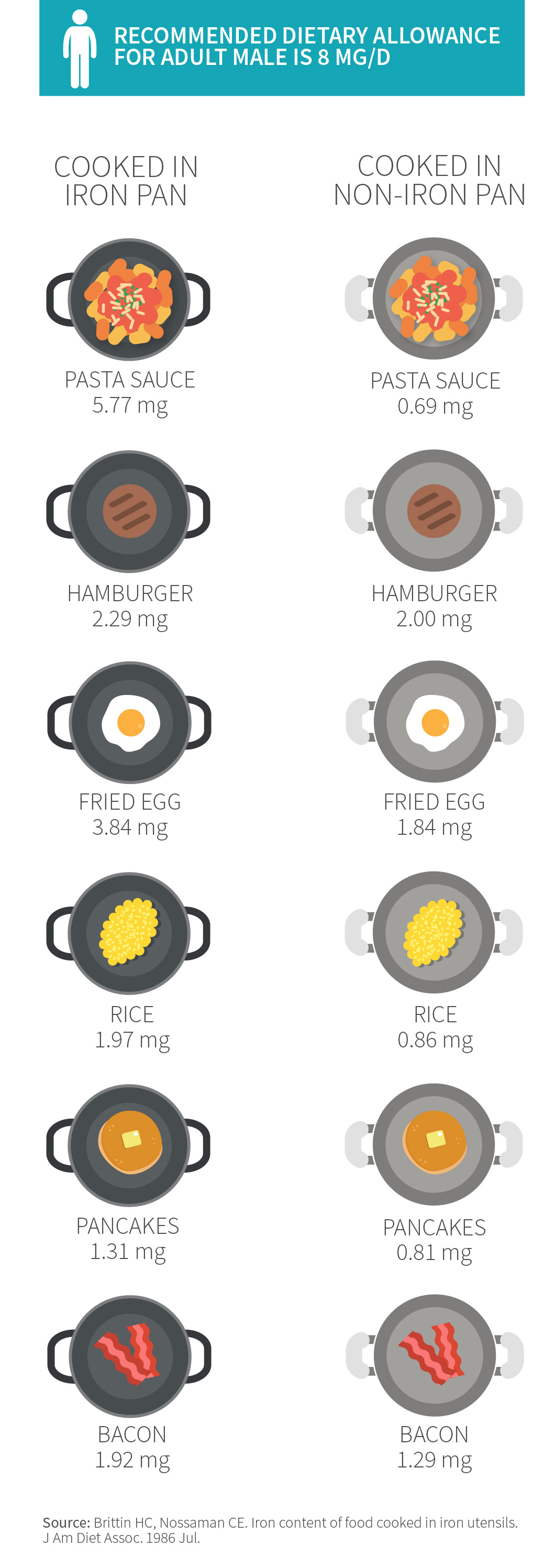
Credit: examine.com
Health Benefits Of Cast Iron
Cast iron cookware is famous for its durability and heat retention. Many people also choose it for its health benefits. Cooking with cast iron can improve your diet by adding essential nutrients. It is a natural way to boost iron intake and avoid harmful chemicals found in some other cookware. Understanding the health benefits helps decide if cast iron is the safest cookware for your kitchen.
Iron Fortification During Cooking
One major health benefit of cast iron is iron fortification during cooking. Cast iron pans release small amounts of iron into the food. This iron can help increase your daily intake, especially for people with low iron levels. Iron is vital for making red blood cells and carrying oxygen in the body. Many people do not get enough iron from their meals. Cooking with cast iron helps fill this gap naturally.
The amount of iron added depends on:
- Cooking time – longer cooking means more iron transfer
- Food type – acidic foods like tomato sauce release more iron
- Condition of the pan – well-seasoned vs. new pans
| Food Type | Iron Released (mg per 100g) | Notes |
|---|---|---|
| Tomato Sauce | 5.7 | High acidity increases iron leaching |
| Steak | 1.2 | Moderate iron release |
| Eggs | 0.4 | Low acidity, less iron released |
This natural iron boost is gentle and safe. People with iron overload should monitor their intake. For most, cooking with cast iron offers a simple way to improve iron levels. It is especially helpful for vegetarians, pregnant women, and children who often need more iron.
Non-toxic Cooking Surface
Cast iron cookware offers a non-toxic cooking surface. Unlike non-stick pans, cast iron does not release harmful chemicals or fumes. Many non-stick coatings break down at high heat and can release toxic substances. Cast iron is just metal, so it stays safe even at very high temperatures.
Other key points about cast iron’s safety:
- No synthetic chemicals or coatings
- Natural seasoning forms a protective layer
- Resists scratching and peeling
- Can be used with metal utensils safely
The seasoning on cast iron builds up with use. It creates a natural, slick surface that prevents food from sticking. This seasoning is made from oils baked into the pan. It is free from harmful chemicals found in some non-stick sprays or coatings.
Regular cleaning and oiling keep the surface in good condition. This makes cast iron safe for daily cooking. It suits frying, baking, and even acidic dishes without worry. Cast iron pans last for decades with proper care. Their non-toxic surface supports healthy cooking and reduces exposure to dangerous substances.
Potential Risks Of Cast Iron
Cast iron cookware is popular for its durability and heat retention. Many believe it is one of the safest cooking options. Yet, there are some potential risks to consider. Understanding these risks helps in making informed choices about using cast iron in your kitchen. This section explores the main concerns related to cast iron safety.
Seasoning Chemicals And Safety
Seasoning is the process of coating cast iron with oil and heating it to create a non-stick surface. This layer protects the pan from rust and improves cooking. But some seasoning methods use chemicals or oils that may not be safe.
Many store-bought cast iron pans come pre-seasoned. The seasoning often uses vegetable oils, flaxseed oil, or other fats. Sometimes, these oils are treated with additives or preservatives. These chemicals might break down during cooking and release harmful substances.
Here are key points about seasoning safety:
- Natural oils like flaxseed or canola are generally safe and create a good seasoning layer.
- Artificial additives or synthetic coatings can produce toxic fumes when heated.
- High heat during seasoning helps burn off most residues, reducing chemical risk.
- Re-seasoning often maintains a healthy, chemical-free cooking surface.
Below is a simple table showing common seasoning oils and their safety:
| Seasoning Oil | Safety Level | Notes |
|---|---|---|
| Flaxseed Oil | High | Creates hard, durable seasoning |
| Vegetable Oil | Moderate | Common and affordable, but less durable |
| Chemically Treated Oils | Low | May release fumes or toxins when heated |
| Animal Fats (Lard, Tallow) | High | Traditional and safe, creates good seasoning |
Always check product labels and avoid seasoning with unknown chemicals. Use natural oils and keep your cast iron well-maintained for safe cooking.
Metal Leaching Concerns
Cast iron is made from iron and other metals. One concern is metal leaching, where small amounts of metals enter food during cooking. This depends on the food type, cooking time, and pan condition.
Acidic foods like tomato sauce or vinegar can increase iron leaching. This may change the food’s taste or color. For most people, small iron amounts are not harmful. In fact, iron leaching can benefit those with iron deficiency.
Risks rise if the pan is rusty or damaged. Rust can cause unwanted metal particles to mix with food. Old or poorly maintained pans may release more iron and other metals.
Key facts about metal leaching in cast iron cookware:
- Iron is the main metal released, usually in safe amounts for healthy adults.
- Acidic foods increase metal release, so avoid long cooking times with acidic ingredients.
- Damaged or rusty pans may leach harmful metals or rust particles.
- Regular seasoning and cleaning reduce metal leaching risks.
Here is a quick overview:
| Factor | Effect on Metal Leaching | Recommendation |
|---|---|---|
| Food Type (Acidic) | Increases iron leaching | Limit cooking time with acidic foods |
| Pan Condition (Rusty/Damaged) | Increases metal and rust particles | Repair or replace damaged pans |
| Seasoning Quality | Reduces metal exposure | Maintain good seasoning |
Metal leaching from cast iron is usually not dangerous. Careful use and maintenance keep it safe for daily cooking.
Comparing Cookware Materials
Choosing the right cookware affects both health and cooking quality. Cast iron, non-stick, stainless steel, and ceramic are popular materials. Each has unique traits related to safety, durability, and cooking performance. Understanding their differences helps make better kitchen choices. This section compares these materials to see if cast iron is the safest option for everyday use.
Cast Iron Vs Non-stick
Cast iron and non-stick pans differ greatly in safety and use. Cast iron is made of heavy iron that heats evenly and lasts for decades. Non-stick pans have a coating that prevents food from sticking, usually made from PTFE or ceramic layers.
- Safety: Cast iron can release small iron amounts into food, which is safe and can boost iron intake. Non-stick coatings may release harmful fumes if overheated above 500°F (260°C).
- Durability: Cast iron is very durable and can be restored if rusty. Non-stick coatings wear off over time and need replacing every few years.
- Maintenance: Cast iron requires seasoning and careful drying to avoid rust. Non-stick pans are easier to clean but should avoid metal utensils.
| Feature | Cast Iron | Non-Stick |
|---|---|---|
| Health Safety | Safe, adds iron | Risk of toxic fumes if overheated |
| Durability | Very durable, lasts decades | Coating degrades over time |
| Care | Requires seasoning | Easy to clean |
Cast iron is best for high-heat cooking and long use. Non-stick suits quick, low-heat cooking but needs careful use to avoid damage.
Cast Iron Vs Stainless Steel
Both cast iron and stainless steel are strong and common in kitchens. Stainless steel is an alloy made of iron, chromium, and sometimes nickel. It resists rust and has a smooth surface.
- Safety: Stainless steel does not release metals into food under normal use. Cast iron releases iron, which is safe and helpful for some people.
- Heat Distribution: Cast iron heats evenly but slowly. Stainless steel heats quickly but may have hot spots unless layered with aluminum or copper.
- Maintenance: Stainless steel is easy to clean and dishwasher safe. Cast iron needs seasoning and hand washing.
| Feature | Cast Iron | Stainless Steel |
|---|---|---|
| Metal Release | Releases iron | Minimal to none |
| Heat | Slow, even heat | Quick, uneven unless layered |
| Cleaning | Hand wash, dry, season | Dishwasher safe |
Cast iron suits slow cooking and searing. Stainless steel works well for boiling and frying with acidic foods.
Cast Iron Vs Ceramic
Ceramic cookware has a smooth, non-stick surface made from natural materials. Cast iron is heavier and requires seasoning. Both are popular for healthy cooking.
- Safety: Ceramic pans are free from toxic chemicals like PFOA or PTFE. Cast iron is natural and releases iron safely.
- Durability: Cast iron lasts for generations. Ceramic coatings can chip or crack and need gentle care.
- Heat Handling: Cast iron holds heat longer and works on all stovetops. Ceramic heats quickly but may not work on induction.
| Feature | Cast Iron | Ceramic |
|---|---|---|
| Toxic Chemicals | None, natural iron | None, chemical-free coating |
| Weight | Heavy | Light |
| Heat Retention | Excellent | Moderate |
Cast iron suits heavy-duty cooking and heat retention. Ceramic is good for gentle cooking and easy cleaning but needs careful handling.
Credit: www.booniehicks.com
Maintenance And Safety Tips
Cast iron cookware is praised for its durability and natural cooking surface. To keep it safe and functional, proper maintenance is essential. Following simple care steps helps protect the cookware and ensures food safety. The right techniques prevent damage and contamination. Below are important tips on how to maintain and use cast iron safely.
Proper Seasoning Techniques
Seasoning creates a natural, non-stick layer on cast iron. This layer protects the pan from rust and improves cooking performance. Proper seasoning means coating the pan with oil and heating it to bond the oil to the metal.
Steps to season cast iron:
- Clean the pan with warm water and mild soap; dry it completely.
- Apply a thin layer of vegetable oil or flaxseed oil over the entire surface, inside and out.
- Place the pan upside down in an oven preheated to 375°F (190°C).
- Put aluminum foil on the lower rack to catch drips.
- Bake for 1 hour, then turn off the oven and let the pan cool inside.
Repeat this process 2–3 times for a strong seasoning layer.
Tips for best results:
- Use oils with high smoke points for durability.
- Apply oil sparingly; too much causes sticky residue.
- Season regularly to maintain the protective coating.
Cleaning And Storage
Cleaning cast iron correctly keeps the seasoning intact and prevents damage. Avoid harsh soaps and scrubbing tools that remove the seasoning.
Follow these cleaning steps:
- Rinse the pan with hot water right after use.
- Use a soft brush or non-metal scrubber to remove stuck food.
- If needed, boil water in the pan to loosen stubborn bits.
- Dry the pan thoroughly with a towel or by heating it on the stove.
- Lightly rub oil onto the surface after cleaning to keep it seasoned.
Storage tips:
| Do | Don’t |
|---|---|
| Store in a dry place | Keep in damp or humid areas |
| Place a paper towel inside to absorb moisture | Stack with wet cookware |
| Keep lid off or slightly ajar | Seal tightly to trap moisture |
Avoiding Rust And Contamination
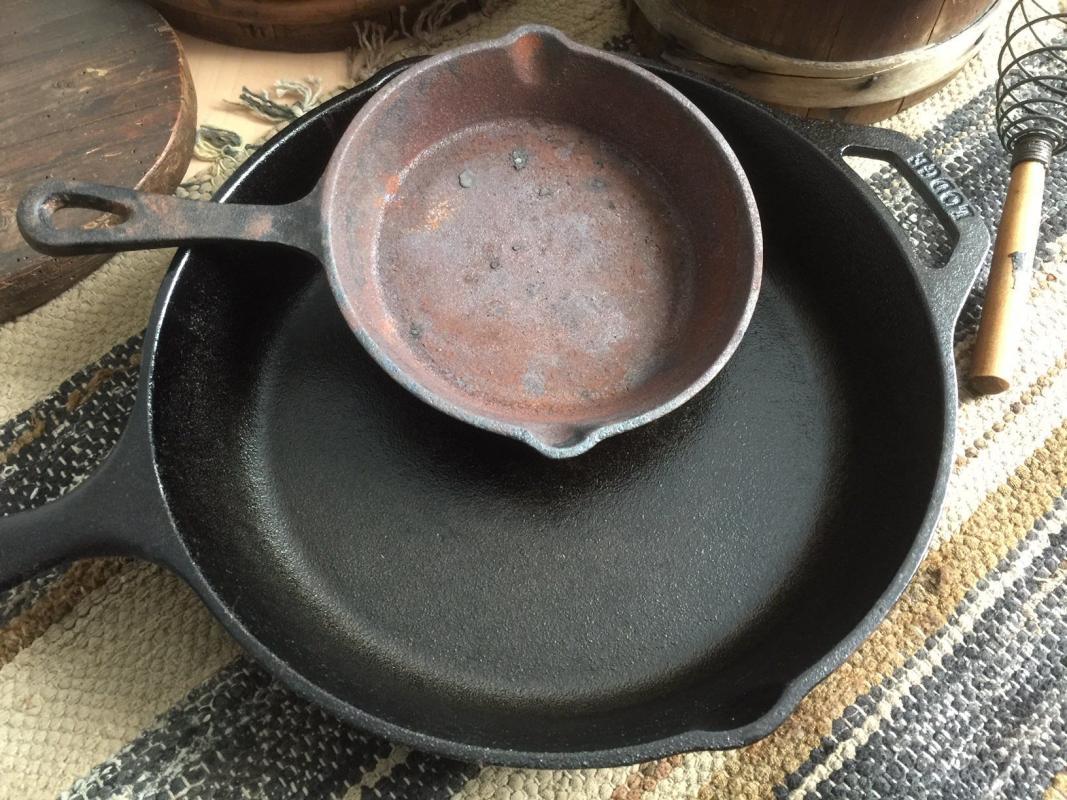
Rust is the biggest enemy of cast iron cookware. It forms when moisture sits on the surface too long. Rust weakens the pan and can mix into food, risking contamination.
Prevent rust by:
- Always drying the cookware immediately after washing.
- Applying a thin coat of oil after each use to protect the surface.
- Not soaking cast iron in water or leaving it wet.
- Using the pan regularly to keep the seasoning active.
Watch for signs of rust, such as rough patches or reddish spots. Remove rust by scrubbing with coarse salt and a little oil. After cleaning, re-season the pan fully to restore protection.
Contamination risks decrease by avoiding metal utensils that scratch the surface. Use wood, silicone, or plastic tools instead. Replace any cast iron that has deep cracks or heavy rust beyond repair.
Choosing The Right Cast Iron
Choosing the right cast iron cookware matters for safety, cooking ease, and durability. Cast iron is known for even heating and lasting many years. Still, not all cast iron pieces are the same. Some come ready to use, while others need extra care before cooking. Understanding different types helps in picking the best option for your kitchen. This guide explains key differences and helps you decide what fits your needs.
Pre-seasoned Vs Raw Cast Iron
Cast iron cookware comes in two main types: pre-seasoned and raw (unseasoned). Each type has benefits and challenges.
Pre-seasoned cast iron is ready to use right away. The factory applies a layer of oil that has been baked onto the surface. This layer protects the pan from rust and creates a non-stick surface.
- Easy to use from the start
- Requires less maintenance initially
- Good for beginners
Still, pre-seasoned pans may need extra seasoning over time to maintain the non-stick surface.
Raw cast iron has no seasoning. It looks dull and can rust quickly if not cared for. Many cooks prefer raw cast iron because it allows full control over the seasoning process.
- Requires seasoning before first use
- Offers a strong, long-lasting non-stick surface after proper seasoning
- Needs regular care to prevent rust
| Feature | Pre-Seasoned Cast Iron | Raw Cast Iron |
|---|---|---|
| Ready to Use | Yes | No, needs seasoning |
| Maintenance | Lower at first | Higher, requires seasoning |
| Rust Risk | Lower initially | High if not cared for |
| Non-Stick Quality | Good, improves with use | Excellent after seasoning |
Choosing between these depends on your patience and how much time you want to spend caring for your pan.
Enameled Cast Iron Options
Enameled cast iron offers a different approach. It has a smooth, colored coating that covers the metal. This enamel layer prevents rust and removes the need for seasoning.
Here are key points about enameled cast iron:
- Does not require seasoning
- Easy to clean with soap and water
- Resists rust and corrosion
- Can handle acidic foods like tomatoes without damage
- Usually heavier and more expensive than bare cast iron
Because of the enamel coating, these pans do not develop the natural non-stick surface that raw cast iron does. The enamel can chip if dropped or hit hard.
| Aspect | Enameled Cast Iron | Raw/Pre-Seasoned Cast Iron |
|---|---|---|
| Seasoning Needed | No | Yes (except pre-seasoned) |
| Rust Resistance | High | Medium to Low |
| Cleaning | Simple with soap | Hand wash, avoid soap |
| Durability | Good but enamel can chip | Very durable |
| Cost | Higher | Lower |
Enameled cast iron suits cooks who want easy care and don’t mind spending more. It works well for slow cooking and dishes with acidic ingredients.
Credit: eatbeautiful.net
Frequently Asked Questions
Is Cast Iron Cookware Safe For Daily Use?
Yes, cast iron cookware is safe for daily use. It is durable, non-toxic, and free from harmful chemicals. Proper seasoning prevents rust and sticking. It also adds a small amount of iron to your diet, benefiting those with iron deficiency.
Does Cast Iron Leach Harmful Substances Into Food?
No, cast iron does not leach harmful substances if properly maintained. It may release trace iron, which is beneficial. Avoid cooking acidic foods for long periods as it can degrade seasoning and affect taste.
Can Cast Iron Cookware Cause Iron Overload?
Cast iron cookware rarely causes iron overload. It releases only small amounts of iron during cooking. People with hemochromatosis should consult a doctor before frequent use. For most, it provides a healthy iron boost.
How To Ensure Cast Iron Cookware Is Safe?
To ensure safety, season your cast iron regularly. Clean it with hot water and avoid soap. Dry immediately to prevent rust. Store in a dry place and re-season if food starts sticking.
Conclusion
Cast iron cookware offers many health and cooking benefits. It heats evenly and adds iron to your food. This type of cookware lasts for years with proper care. You avoid harmful chemicals found in some non-stick pans. Cleaning is simple, and it can work on many heat sources.
Cast iron can be heavy, but many find it worth the effort. Choosing safe cookware helps protect your health daily. Cast iron stands as a strong, natural choice for safe cooking.

Hello, This is Annie Walker, a 38-year-old blogger, founder, and editor of Cookware Guider from NY, USA. I am a cookware fanatic and passionate cooker. I love to cook with different types of cooking appliances (example: all types of cookware, rice cookers, slow cookers, etc) almost every day in my kitchen. I love to share my experience with my readers in my blog. Also, I enjoy helping people to solve their problems through my website. You can follow me on Twitter & Pinterest. To know details about my blog please check the about us page.