
Are you thinking about upgrading your kitchen with ceramic aluminum cookware but wondering if it’s really safe for you and your family? You’re not alone.
Choosing the right cookware is more important than ever because what touches your food can affect your health. You’ll discover the truth about ceramic aluminum cookware—how it works, its benefits, and any risks you should know about. By the end, you’ll feel confident making the best choice for your cooking needs and your well-being.
Keep reading to find out everything you need to know!

Credit: thecookwareadvisor.com
Materials In Ceramic Aluminum Cookware
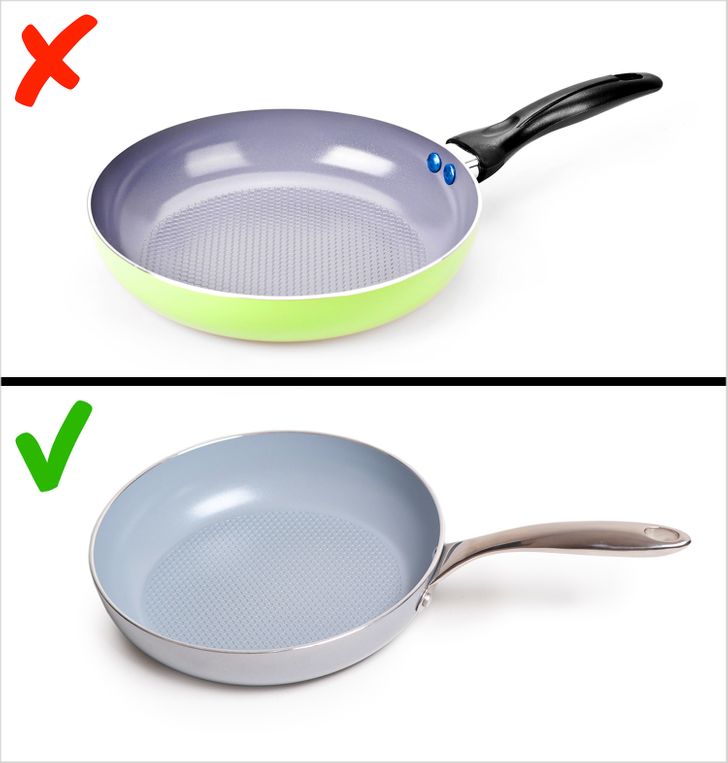
Understanding the materials in ceramic aluminum cookware is key to knowing if it is safe for daily use. This type of cookware combines two main parts: a ceramic coating and an aluminum base. Each plays a distinct role in cooking performance and safety. The ceramic coating offers a non-stick surface while aluminum ensures good heat conduction. Knowing what these materials are made of helps clarify concerns about toxicity, durability, and cooking quality.
Composition Of Ceramic Coating
The ceramic coating is a popular choice for non-stick cookware. It is made from natural minerals and is free from harmful chemicals like PFOA and PTFE. This makes it safer than traditional non-stick coatings. The surface is smooth and hard, which helps food slide off easily and reduces the need for oils.
Key features of ceramic coating:
- Made from silica-based minerals that withstand high temperatures.
- Free from toxic chemicals such as PFOA, PTFE, lead, and cadmium.
- Provides a non-stick surface that is easy to clean.
- Resistant to scratches and wear but can degrade over time with harsh use.
Here is a simple comparison of ceramic coating with other non-stick coatings:
| Feature | Ceramic Coating | Traditional Non-Stick (PTFE) |
|---|---|---|
| Toxic Chemicals | None | May contain PFOA/PTFE |
| Heat Resistance | High (up to 450°F) | Moderate (up to 350°F) |
| Durability | Moderate | High |
| Non-stick Quality | Good initially | Excellent |
While ceramic coatings are safer, they require gentle care to last longer. Avoid metal utensils and sudden temperature changes to prevent damage.
Role Of Aluminum Base
The aluminum base forms the body of the cookware. Aluminum is lightweight and an excellent conductor of heat. This means it heats up quickly and cooks food evenly. Without aluminum, ceramic cookware would heat very slowly and unevenly.
Important points about aluminum base:
- Provides fast and uniform heat distribution.
- Keeps cookware lightweight and easy to handle.
- Aluminum alone can react with acidic foods, but the ceramic coating prevents this.
- Aluminum is recyclable, making it environmentally friendly.
Some manufacturers add extra layers or coatings on aluminum to improve durability. These layers help prevent warping and increase the pan’s lifespan.
Here is a brief summary of aluminum’s benefits and considerations:
| Property | Details |
|---|---|
| Heat Conductivity | Excellent, cooks food evenly |
| Weight | Light, easy to handle |
| Reactivity | Reactive with acids but protected by ceramic coating |
| Durability | Good with proper care and layering |
The aluminum base and ceramic coating work together to create cookware that heats well, is safe, and easy to use. This combination makes ceramic aluminum cookware a practical choice for everyday cooking.
Credit: brightside.me
Health Risks And Safety Concerns
Ceramic aluminum cookware has gained popularity due to its non-stick surface and lightweight design. Many wonder about the health risks and safety concerns associated with using this type of cookware. Understanding these risks helps in making safe cooking choices. This section explores the main safety issues related to ceramic aluminum cookware.
Potential Chemical Leaching
Ceramic coatings are generally considered safe and non-toxic. They are made from natural materials like sand and minerals. These coatings create a barrier between food and aluminum, reducing the chance of aluminum leaching into food.
Still, some concerns exist about chemicals possibly leaching from the cookware, especially if the ceramic coating is damaged or worn out. Below are key points about chemical leaching:
- Aluminum Exposure: Intact ceramic coatings prevent aluminum from mixing with food, minimizing exposure.
- Coating Damage: Scratches or chips in the ceramic layer can expose aluminum, increasing risk of leaching.
- Heavy Metals: High-quality ceramic coatings do not contain lead or cadmium, common harmful metals.
- Non-Stick Chemicals: Ceramic cookware usually avoids harmful chemicals like PFOA and PTFE found in traditional non-stick pans.
Here is a simple comparison of cookware types and their chemical risks:
| Cookware Type | Chemical Leaching Risk | Common Chemicals of Concern |
|---|---|---|
| Ceramic Aluminum | Low (if coating intact) | Aluminum (if coating damaged) |
| Traditional Aluminum | Medium to High | Aluminum |
| Non-Stick (Teflon) | Medium | PFOA, PTFE |
Maintaining the ceramic surface is essential. Avoid metal utensils and abrasive cleaning tools. These steps help reduce chemical leaching risks and keep cookware safe for daily use.
Impact Of High Temperatures
High cooking temperatures can affect the safety and durability of ceramic aluminum cookware. Ceramic coatings can withstand moderate heat but may degrade under extreme conditions.
Important facts about heat impact include:
- Temperature Limits: Most ceramic cookware is safe up to 450°F (232°C). Exceeding this can cause coating damage.
- Coating Cracking: Rapid temperature changes may cause cracks or peeling in the ceramic layer.
- Release of Particles: Damaged coatings might release small ceramic particles into food, which are generally non-toxic but unpleasant.
- Aluminum Exposure: High heat can accelerate aluminum leaching if the ceramic coating is compromised.
Tips to protect ceramic aluminum cookware from heat damage:
- Use low to medium heat settings for cooking.
- Avoid preheating empty pans at high temperatures.
- Do not use ceramic cookware under a broiler or open flame.
- Allow cookware to cool naturally before washing.
Here is a quick guide on temperature safety:
| Heat Level | Effect on Ceramic Coating | Safety Recommendation |
|---|---|---|
| Below 350°F (177°C) | Safe for daily use | Ideal for most cooking |
| 350°F to 450°F (177°C – 232°C) | Safe but avoid prolonged heating | Use with caution |
| Above 450°F (232°C) | Risk of coating damage | Avoid to prolong cookware life |
Following these heat guidelines ensures ceramic aluminum cookware remains safe and effective for cooking.
Durability And Wear
Durability and wear are key factors when choosing ceramic aluminum cookware. This type of cookware combines the lightweight nature of aluminum with a ceramic coating. The ceramic layer offers a non-stick surface and gives the cookware its attractive finish. But how well does it hold up over time? Understanding its resistance to damage and how wear affects safety is essential for making a wise purchase.
Scratch Resistance
Ceramic aluminum cookware has a ceramic coating that provides a smooth, non-stick surface. This coating is generally harder than traditional non-stick layers but is not completely scratch-proof. The scratch resistance depends on the quality of the ceramic finish and how the cookware is used.
Key points about scratch resistance:
- The ceramic layer resists light scratches from wooden or silicone utensils.
- Metal utensils can cause scratches more easily, damaging the surface.
- Cleaning with abrasive pads or harsh scrubbing may wear down the ceramic coating.
- Repeated use over time causes minor wear but usually does not ruin the cookware quickly.
Here is a simple comparison of scratch resistance between different coatings:
| Coating Type | Scratch Resistance | Care Tips |
|---|---|---|
| Ceramic | Moderate – resists light scratches | Use wooden/silicone utensils, avoid abrasive cleaners |
| Traditional Non-stick (PTFE) | Low – scratches easily | Avoid metal utensils, gentle cleaning |
| Cast Iron | High – very durable | Season regularly, avoid acidic foods |
Proper care extends the life of ceramic aluminum cookware and keeps the surface smooth. Avoid sharp tools and rough cleaning to maintain scratch resistance and performance.
Effect Of Scratches On Safety
Scratches on ceramic aluminum cookware affect more than appearance. They can influence the cookware’s safety and cooking quality. The ceramic coating acts as a barrier between food and the aluminum base, preventing metal contact and chemical reactions.
What happens when the ceramic coating is scratched?
- Exposed aluminum may react with acidic foods, altering taste and color.
- Scratches can cause food to stick, reducing the non-stick benefit.
- Deep scratches may create areas where bacteria can hide, making cleaning harder.
- Worn coatings might release tiny particles into food, though this is rare with quality cookware.
Safety risks grow if the ceramic layer is chipped or heavily scratched. Minor scratches usually do not pose health dangers but signal the cookware is aging.
Follow this table to understand safety impact by scratch severity:
| Scratch Level | Safety Impact | Recommended Action |
|---|---|---|
| Light Surface Scratches | Minimal – no health risk | Continue use, monitor condition |
| Moderate Scratches | Possible aluminum exposure | Use with care, avoid acidic food |
| Deep Scratches or Chips | Higher risk of contamination | Replace cookware soon |
Maintaining the ceramic coating preserves safety. Use gentle utensils, clean carefully, and inspect cookware regularly. Replace if damage worsens to avoid health concerns.
Comparison With Other Cookware Types
Ceramic aluminum cookware has grown popular for its unique blend of materials. Understanding how it compares to other cookware types helps in making safer, smarter choices for your kitchen. Different cookware materials affect cooking performance, health, and maintenance. Here, we compare ceramic aluminum cookware with common types like nonstick and stainless steel.
Ceramic Vs. Nonstick
Ceramic cookware features a natural, non-toxic coating made from silica, while traditional nonstick pans use synthetic chemicals like PTFE. This difference impacts safety and cooking experience.
- Safety: Ceramic coatings are free from harmful chemicals such as PFOA and PFAS. Nonstick coatings may release fumes if overheated above 500°F.
- Durability: Ceramic surfaces can wear out faster with rough utensils, but they resist scratching better than some nonstick coatings.
- Heat Tolerance: Ceramic handles higher temperatures without breaking down, unlike many nonstick pans.
- Cleaning: Both types are easy to clean, but ceramic may require more careful handling to avoid chipping.
| Feature | Ceramic Cookware | Nonstick Cookware |
|---|---|---|
| Coating Material | Natural silica-based | PTFE or similar synthetic |
| Heat Resistance | Up to 850°F (450°C) | Up to 500°F (260°C) |
| Health Safety | Generally safer, chemical-free | May release fumes if overheated |
| Durability | Moderate, prone to chipping | Moderate, prone to scratching |
| Cleaning | Hand wash recommended | Dishwasher safe, but hand wash preferred |
Bottom line: Ceramic aluminum cookware offers a safer, heat-resistant option with fewer chemicals. Nonstick pans provide easy food release but require careful temperature control.
Aluminum Vs. Stainless Steel
Aluminum and stainless steel are common base materials for cookware. Each has pros and cons affecting safety, cooking, and maintenance.
- Weight: Aluminum is lightweight and heats quickly. Stainless steel is heavier but offers sturdiness.
- Heat Conductivity: Aluminum conducts heat better, allowing even cooking. Stainless steel heats unevenly without an aluminum or copper core.
- Reactivity: Aluminum reacts with acidic foods, which may alter taste and color. Stainless steel is non-reactive and safe for all foods.
- Durability: Stainless steel is highly durable, resisting rust and corrosion. Aluminum is softer and can dent or scratch easily.
| Property | Aluminum Cookware | Stainless Steel Cookware |
|---|---|---|
| Weight | Lightweight | Heavy |
| Heat Conductivity | Excellent | Poor without core |
| Reactivity | Reacts with acidic foods | Non-reactive |
| Durability | Moderate, prone to dents | High, resists rust |
| Maintenance | Requires gentle cleaning | Dishwasher safe, low maintenance |
Summary: Aluminum heats food evenly but may affect flavor with acidic ingredients. Stainless steel offers durability and safety but needs more time to heat evenly. Ceramic aluminum cookware combines aluminum’s heat conduction with a safe ceramic surface.
Maintenance Tips For Safety
Proper maintenance of ceramic aluminum cookware ensures its safety and longevity. Good care keeps the ceramic coating intact and prevents harmful chemicals from leaching into food. Simple habits protect your cookware and help you cook with confidence every day.
Cleaning Best Practices
Cleaning ceramic aluminum cookware correctly preserves the ceramic surface and avoids scratches. Always allow the pan to cool before washing. Sudden temperature changes can cause cracks in the ceramic layer.
- Use warm water with mild dish soap for cleaning. Avoid harsh detergents.
- Clean with a soft sponge or cloth. Steel wool or abrasive pads damage the coating.
- For stuck food, soak the pan in warm soapy water for 15-20 minutes before wiping.
- Dry the cookware thoroughly to prevent water spots and rust on aluminum parts.
Never place ceramic aluminum cookware in the dishwasher unless the manufacturer says it is safe. The strong detergents and high heat can degrade the ceramic surface over time.
| Do | Don’t |
|---|---|
| Use mild soap | Use abrasive cleaners |
| Clean with soft sponges | Scrub with steel wool |
| Hand wash and dry immediately | Put in dishwasher (unless specified) |
Avoiding Damage
Protect the ceramic coating by avoiding actions that cause chips or scratches. Rough treatment shortens the cookware’s life and may expose aluminum underneath.
- Use wooden, silicone, or plastic utensils. Metal tools scratch the ceramic surface.
- Do not drop or bang the cookware against hard surfaces.
- Avoid cooking on very high heat. Ceramic aluminum cookware heats evenly on medium or low settings.
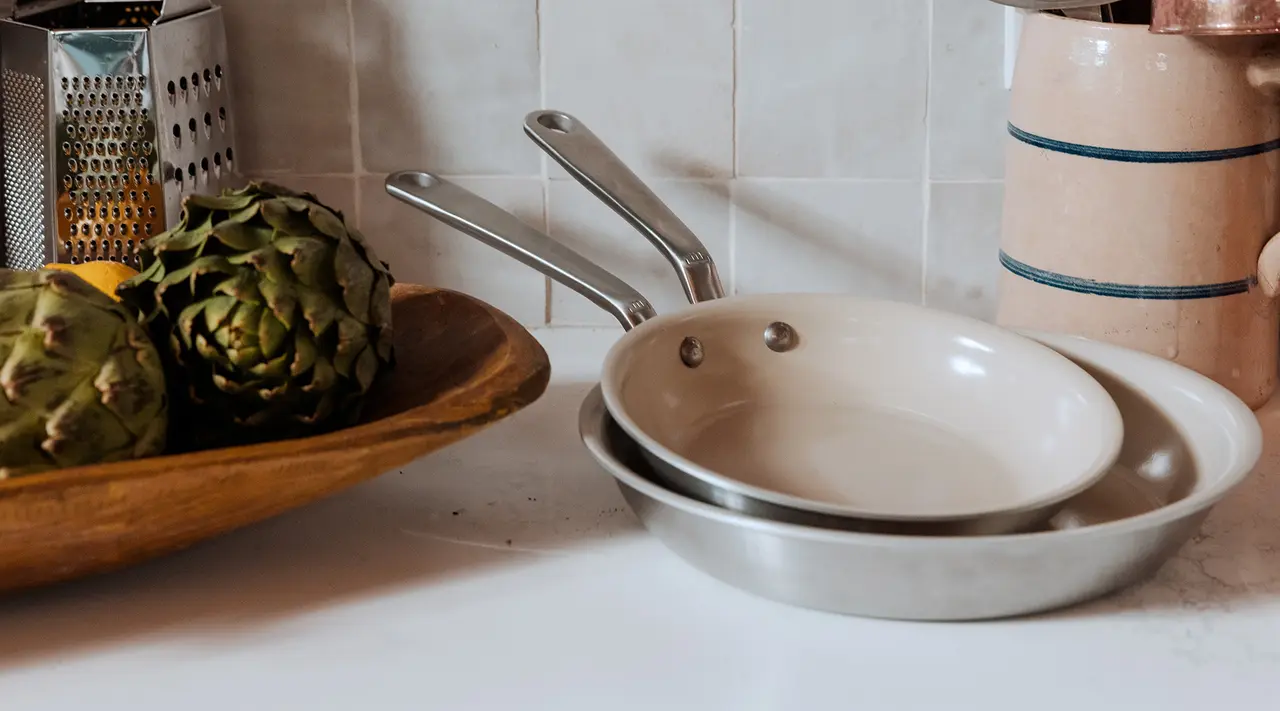
- Store cookware carefully, stacking with soft cloth or paper towels between pans.
Heating empty ceramic aluminum cookware can damage the coating. Always add oil or food before turning on the burner. This simple step maintains the non-stick surface and prevents overheating.
| Safe Practices | Unsafe Practices |
|---|---|
| Use low to medium heat | Use high heat frequently |
| Use non-metal utensils | Use metal spoons or forks |
| Stack with padding between pans | Stack directly without protection |
| Add oil or food before heating | Heat empty pan |
Credit: madeincookware.com
Certifications And Standards
Understanding the safety of ceramic aluminum cookware involves looking at its certifications and standards. These marks show if the product meets strict rules for health and safety. Certifications and standards ensure the cookware does not release harmful substances into food. They also confirm the materials used are safe for cooking. Checking these details helps you choose cookware that protects your family’s health and lasts longer.
Food Safety Certifications
Food safety certifications prove that ceramic aluminum cookware is tested for safe use with food. These certifications come from trusted organizations that check the cookware’s materials and coatings. They test if the cookware stays safe under heat and does not leach toxic chemicals into food.
Common food safety certifications include:
- FDA Approval – The U.S. Food and Drug Administration ensures materials are safe for contact with food.
- LFGB Certification – A German standard that tests cookware for harmful substances and overall food safety.
- Prop 65 Compliance – A California regulation that warns about chemicals known to cause cancer or reproductive harm.
- RoHS Certification – Limits the use of hazardous substances in manufacturing.
These certifications mean the ceramic coating on aluminum cookware:
- Does not contain lead, cadmium, or other heavy metals.
- Does not release harmful chemicals when heated.
- Is safe for everyday cooking and food preparation.
| Certification | Purpose | Key Benefit |
|---|---|---|
| FDA Approval | Ensures food contact safety | Safe for cooking and food storage |
| LFGB Certification | Tests for harmful chemicals | High safety standards for cookware |
| Prop 65 Compliance | Warns about toxic chemicals | Protects consumers from harmful exposure |
| RoHS Certification | Limits hazardous materials | Ensures safer manufacturing process |
Regulatory Guidelines
Regulatory guidelines set rules for how ceramic aluminum cookware must be made and tested. These rules protect consumers from unsafe products. They cover the materials used, production methods, and chemical limits.
Important regulatory bodies include:
- European Food Safety Authority (EFSA) – Provides strict regulations for cookware sold in Europe.
- U.S. Consumer Product Safety Commission (CPSC) – Sets safety standards for consumer products, including cookware.
- National Sanitation Foundation (NSF) – Certifies products that meet public health standards.
Key regulatory points for ceramic aluminum cookware are:
- Use of non-toxic, heat-resistant ceramic coatings.
- Limits on heavy metals like lead and cadmium.
- Testing for durability and chemical leaching.
- Clear labeling of safety and care instructions.
These guidelines ensure manufacturers produce cookware that:
- Is safe for all types of cooking.
- Does not degrade or release toxins with use.
- Maintains quality after repeated heating and cleaning.
Following these regulations means ceramic aluminum cookware meets high safety standards. This helps consumers trust the product’s safety and quality before buying.
Frequently Asked Questions
Is Ceramic Aluminum Cookware Non-toxic And Safe?
Yes, ceramic aluminum cookware is generally non-toxic and safe. The ceramic coating prevents aluminum from leaching into food. It offers a chemical-free cooking surface, reducing health risks linked to metals and synthetic coatings.
Does Ceramic Coating Prevent Aluminum Leaching?
Yes, the ceramic coating acts as a strong barrier, preventing aluminum from leaching. This ensures food stays free from aluminum contamination, making ceramic aluminum cookware safer than bare aluminum options.
Can Ceramic Aluminum Cookware Handle High Heat?
Ceramic aluminum cookware can handle moderate heat but not extreme temperatures. High heat may damage the ceramic coating, reducing its lifespan and safety. Always follow manufacturer heat guidelines for best results.
Is Ceramic Aluminum Cookware Easy To Clean?
Yes, ceramic aluminum cookware is easy to clean due to its smooth, non-stick surface. It requires less oil and resists food sticking, making cleanup quick and efficient without harsh scrubbing.
Conclusion
Ceramic aluminum cookware offers safe and healthy cooking options. It does not release harmful chemicals during use. The ceramic coating prevents food from sticking and makes cleaning easy. Always check for quality and avoid damaged pieces. Use gentle utensils to keep the surface intact.
Proper care extends the cookware’s life. Choose ceramic aluminum pans for everyday meals without worry. Safe cooking can be simple and effective. Your kitchen deserves cookware that protects your health.

Hello, This is Annie Walker, a 38-year-old blogger, founder, and editor of Cookware Guider from NY, USA. I am a cookware fanatic and passionate cooker. I love to cook with different types of cooking appliances (example: all types of cookware, rice cookers, slow cookers, etc) almost every day in my kitchen. I love to share my experience with my readers in my blog. Also, I enjoy helping people to solve their problems through my website. You can follow me on Twitter & Pinterest. To know details about my blog please check the about us page.