
Are you thinking about upgrading your kitchen but feel confused by the terms ceramic cooktop and induction? You’re not alone.
Many people wonder if these two are the same or if one is better than the other. Understanding the difference can save you time, money, and frustration. Keep reading to discover what sets them apart and which one fits your cooking style perfectly.
This simple guide will help you make the best choice for your kitchen.
Ceramic Cooktop Basics
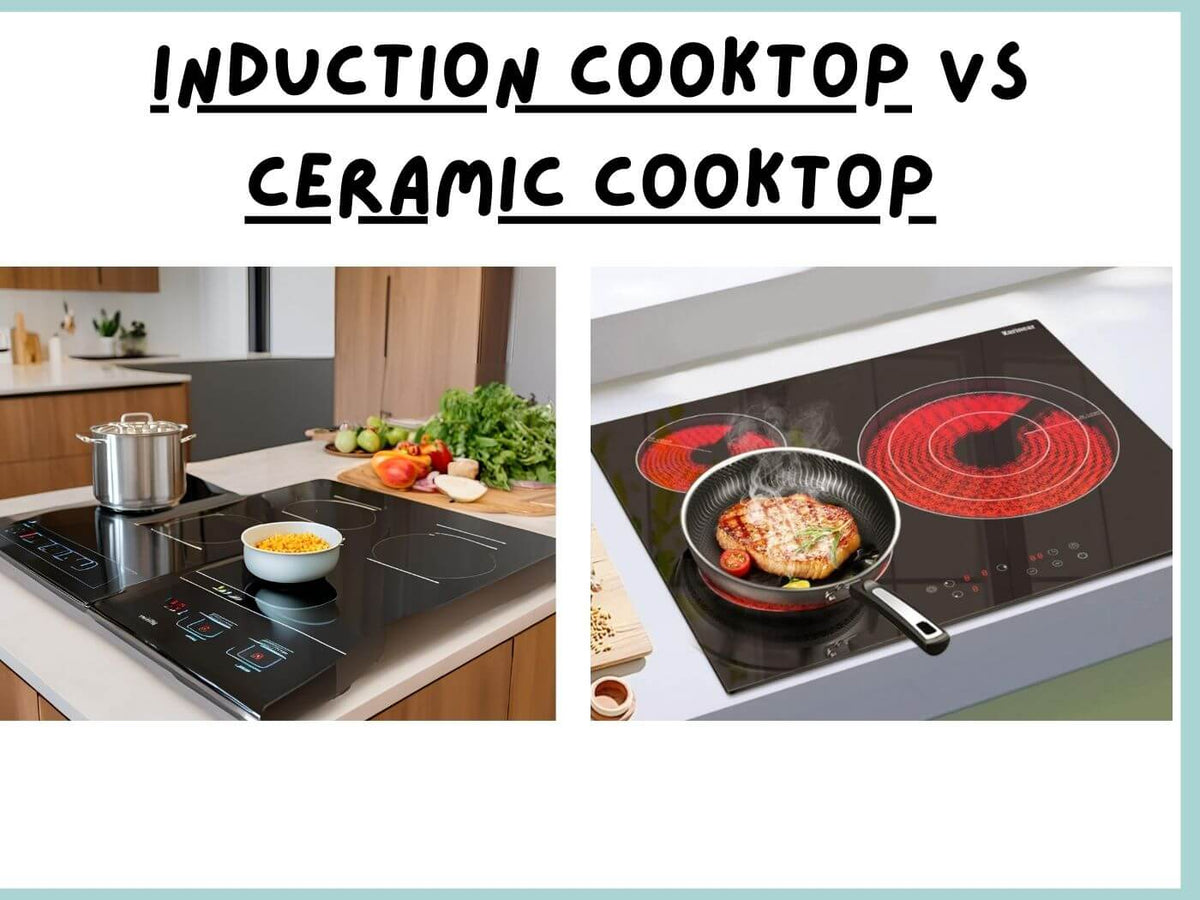
Ceramic cooktops are popular in many kitchens today. They offer a smooth, flat cooking surface made from glass-ceramic material. This surface looks sleek and is easy to clean. Understanding how ceramic cooktops work helps you choose the right stove for your cooking needs.
These cooktops use electric heat to cook food. The heat moves through the ceramic glass to the pot or pan. The surface itself gets hot, so be careful when touching it after cooking.
How Ceramic Cooktops Work
Under the ceramic surface, electric heating elements create heat. These elements heat up and transfer warmth through the glass-ceramic top. The glass-ceramic material holds the heat well and spreads it evenly. Pots and pans placed on the surface receive heat from this hot glass. The cooktop controls the temperature by changing the heat from these elements.
The ceramic glass does not heat up instantly like induction. It takes time to warm and cool down. This means the surface stays hot for a while after cooking.
Common Features Of Ceramic Cooktops
Ceramic cooktops often have touch controls or knobs for easy temperature changes. Many models include a timer and safety locks to prevent accidents. The smooth surface lets you slide pots around without scratching the cooktop. Some cooktops have indicator lights that show if the surface is still hot.
Most ceramic cooktops work with any type of cookware. This flexibility makes them a good choice for many kitchens. The flat surface also fits well in modern kitchen designs.

Credit: karinearappliances.com
Induction Cooktop Essentials
Induction cooktops use a unique way to cook food. They do not use flames or electric heating coils. Instead, they use magnetic energy to heat pots and pans directly. This makes cooking faster and more energy-efficient.
Understanding how induction cooktops work helps you see the difference from ceramic cooktops. Ceramic tops use electric heat that warms the glass surface first. Induction skips this step and heats the cookware itself.
How Induction Cooktops Operate
Induction cooktops create a magnetic field under the glass surface. When you place a magnetic pot or pan on it, the field causes the cookware to heat up. The cooktop stays cool because only the pot gets hot.
This process uses electricity to create an electromagnetic field. The field heats the metal cookware directly. This method cooks food quickly and with precise temperature control.
Key Features Of Induction Cooktops
Induction cooktops offer fast heating and quick response to temperature changes. They are safe because the surface stays cool to touch. This reduces burns and accidents in the kitchen.
They are easy to clean since spills do not burn onto the surface. Induction cooktops also save energy by heating only the cookware, not the air around it.
Surface And Design Differences
The surface and design of ceramic cooktops and induction cooktops differ in several ways. These differences affect how they look and how they work. Understanding these details helps in choosing the right cooktop for your kitchen.
Material And Appearance
Ceramic cooktops use a smooth, glass-ceramic surface. This surface feels cool and looks shiny. It is usually black or dark gray. The design is simple and flat, making cleaning easy.
Induction cooktops also have a glass-ceramic surface. But they often have marked cooking zones or circles. These marks show where to place the pots. The surface looks sleek and modern.
Heat Distribution
Ceramic cooktops heat the entire surface. Heat spreads from the heating element below the glass. This can cause uneven heat in some areas.
Induction cooktops heat only the pot or pan. The surface around stays cool. Heat is fast and focused, making cooking more efficient.
Cooking Performance
Cooking performance is a key factor when choosing between a ceramic cooktop and an induction cooktop. Each type offers a different experience in the kitchen. Understanding how they compare in heating speed, temperature control, and energy efficiency helps make the right choice for your needs.
Heating Speed
Induction cooktops heat up food much faster than ceramic ones. They use magnetic energy to heat pots directly. Ceramic cooktops heat the glass surface first, then transfer heat to the pot. This process takes longer and wastes some heat. Faster heating means less waiting time for your meals.
Temperature Control
Induction cooktops provide precise temperature control. You can adjust heat quickly and easily. Ceramic cooktops are slower to respond to temperature changes. This can make cooking delicate dishes more challenging. Precise control helps avoid burning or undercooking food.
Energy Efficiency
Induction cooktops use energy more efficiently. They heat only the cookware, not the surrounding air. Ceramic cooktops lose some energy heating the glass surface. This makes induction cooktops cheaper to run. Efficient energy use also means less heat in the kitchen.
Compatibility And Cookware
Choosing the right cookware is key for both ceramic and induction cooktops. Each type has specific needs to work well and cook food evenly. Using the wrong pots or pans can lead to poor cooking results or damage to the cooktop. Understanding these differences helps you cook safely and efficiently.
Cookware Types For Ceramic
Ceramic cooktops work well with many cookware types. Glass, stainless steel, aluminum, and copper pans are fine. The base of the cookware should be flat and smooth. This helps heat spread evenly across the surface. Avoid rough or warped bottoms to prevent scratches on the ceramic glass.
Heavy cookware is better because it stays stable on the smooth surface. Thin or lightweight pans may slide or heat unevenly. Ceramic cooktops do not require special magnetic cookware. This gives more freedom in choosing pots and pans.
Cookware Requirements For Induction
Induction cooktops need cookware with magnetic properties. Cast iron and some stainless steel pans work best. Aluminum, glass, and copper alone do not work unless they have a magnetic base. To test, place a magnet on the bottom. If it sticks, the pan is compatible.
Cookware must have a flat bottom for good contact with the induction surface. Uneven bases cause poor heating and can damage the cooktop. Induction cookware heats quickly and evenly. It also saves energy by heating only the pan, not the cooktop.
Credit: karinearappliances.com
Safety Features
Safety is a key concern for many people choosing between ceramic and induction cooktops. Both have features designed to protect users from burns and accidents. Understanding these features helps in making the right choice for your kitchen.
Heat Residuals And Burns
Ceramic cooktops heat up the glass surface, which stays hot after cooking. This can cause burns if touched too soon. Induction cooktops heat only the pan, not the surface. The glass stays cooler, reducing burn risks. This makes induction safer for homes with children.
Automatic Shut-off And Sensors
Both cooktops often include automatic shut-off features. Ceramic cooktops may turn off after long use or if no pan is detected. Induction cooktops have sensors to detect the pan’s size and type. They stop heating if the pan is removed. These sensors prevent accidents and save energy.
Maintenance And Durability
Maintenance and durability are important factors to think about when choosing between ceramic cooktops and induction cooktops. Both types need regular care to stay in good shape. Knowing how to clean and protect them helps them last longer and look better.
Cleaning Tips
Ceramic cooktops need gentle cleaning. Use a soft cloth and mild detergent. Avoid abrasive scrubbers that can scratch the surface. Clean spills as soon as possible to prevent staining.
Induction cooktops are easier to clean. Since the surface does not get very hot, spills do not burn onto it. Wipe with a damp cloth after each use. Use special cooktop cleaners for tough spots.
Scratch And Damage Resistance
Ceramic cooktops can scratch if you slide pots or use rough utensils. Be careful to lift pots instead of dragging them. Avoid dropping heavy objects on the surface.
Induction cooktops have a smooth glass surface. They resist scratches better but are not scratch-proof. Use cookware with smooth bottoms to protect the cooktop. Both types need care to avoid cracks or chips.
Cost And Energy Considerations
Cost and energy are key factors when choosing between ceramic cooktops and induction stoves. Understanding these aspects helps make a smart kitchen choice. Both types vary in price and how they use energy.
Initial Investment
Ceramic cooktops usually cost less upfront. They have a simpler design and use standard electric heating. Induction cooktops are pricier because of advanced technology inside. This technology uses magnets to heat pots directly. Buying cookware compatible with induction can add to the cost. Ceramic cooktops work with most pots without extra spending.
Long-term Energy Usage
Induction cooktops save more energy while cooking. They heat pots directly, wasting less heat. Ceramic cooktops lose more heat to the air. This makes them less efficient and raises energy bills. Induction heats food faster, reducing cooking time. Using induction means lower electricity costs over time. Ceramic cooktops use steady power but take longer to cook.
Which Cooktop Suits Your Kitchen?
Choosing the right cooktop is key for any kitchen. Both ceramic and induction cooktops have unique features. Knowing your needs helps make the best choice. Consider how you cook and your daily habits. These points guide you in selecting the perfect cooktop.
Cooking Style Preferences
Ceramic cooktops heat the glass surface to cook food. They work well with any pot or pan. Induction cooktops use magnets to heat pots directly. They cook faster and keep the surface cooler. If you like quick cooking, induction suits you. For slow cooking and simmering, ceramic is a good pick. Also, induction needs magnetic cookware, ceramic does not. Think about how you cook most days.
Budget And Lifestyle Factors
Ceramic cooktops usually cost less upfront. They are easier to find and install. Induction cooktops have higher prices but save energy. They are safer for homes with kids because the surface stays cool. Cleaning is simpler on induction since spills don’t burn. Consider your budget and how much you cook daily. Match the cooktop with your kitchen lifestyle and spending plan.

Credit: www.fixr.com
Frequently Asked Questions
What Is The Difference Between Ceramic And Induction Cooktops?
Ceramic cooktops use radiant heat under a smooth glass surface. Induction cooktops use magnetic fields to heat pots directly. Induction heats faster and is more energy-efficient. Ceramic cooktops heat slower and are compatible with all cookware types.
Are Ceramic And Induction Cooktops Equally Energy Efficient?
Induction cooktops are more energy-efficient as they heat cookware directly. Ceramic cooktops lose some heat to the surrounding air. Induction saves energy and cooks food faster. Ceramic cooktops consume more electricity due to indirect heating.
Can All Cookware Be Used On Ceramic And Induction Cooktops?
Ceramic cooktops work with any flat-bottom cookware. Induction requires magnetic cookware like cast iron or stainless steel. Non-magnetic pots won’t heat on induction cooktops. Always check cookware compatibility before using induction cooktops.
Is Cleaning Easier On Ceramic Or Induction Cooktops?
Induction cooktops are easier to clean because the surface stays cooler. Ceramic cooktops can get hot and spillovers may bake on. Both have smooth glass surfaces, but induction reduces burnt residue. Use gentle cleaners on both surfaces for best results.
Conclusion
Ceramic cooktops and induction cooktops look similar but work differently. Ceramic uses electric heat, while induction uses magnets to heat pots. Induction heats faster and saves energy. Ceramic is cheaper but slower to warm up. Both have smooth surfaces and are easy to clean.
Choose based on your cooking style and budget. Think about speed, cost, and safety before buying. Each type has its own benefits. Now you can decide which cooktop fits your kitchen best.

Hello, This is Annie Walker, a 38-year-old blogger, founder, and editor of Cookware Guider from NY, USA. I am a cookware fanatic and passionate cooker. I love to cook with different types of cooking appliances (example: all types of cookware, rice cookers, slow cookers, etc) almost every day in my kitchen. I love to share my experience with my readers in my blog. Also, I enjoy helping people to solve their problems through my website. You can follow me on Twitter & Pinterest. To know details about my blog please check the about us page.