
Are you wondering if ceramic titanium cookware is really safe for your family’s health? With so many options on the market, it’s easy to feel confused and unsure about what materials you should trust in your kitchen.
You want cookware that heats evenly, lasts long, and—most importantly—won’t release harmful chemicals into your food. You’ll discover the truth about ceramic titanium cookware, how it works, and what you need to know to make the best choice for your cooking and your well-being.
Keep reading to find out if this popular cookware is the right fit for you.
Credit: www.powdercoatingonline.com
Ceramic Titanium Cookware Basics
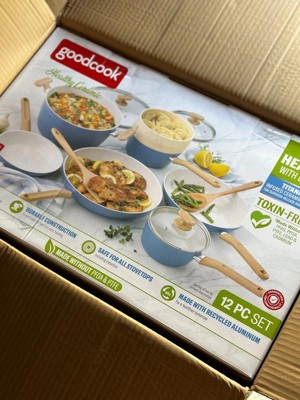
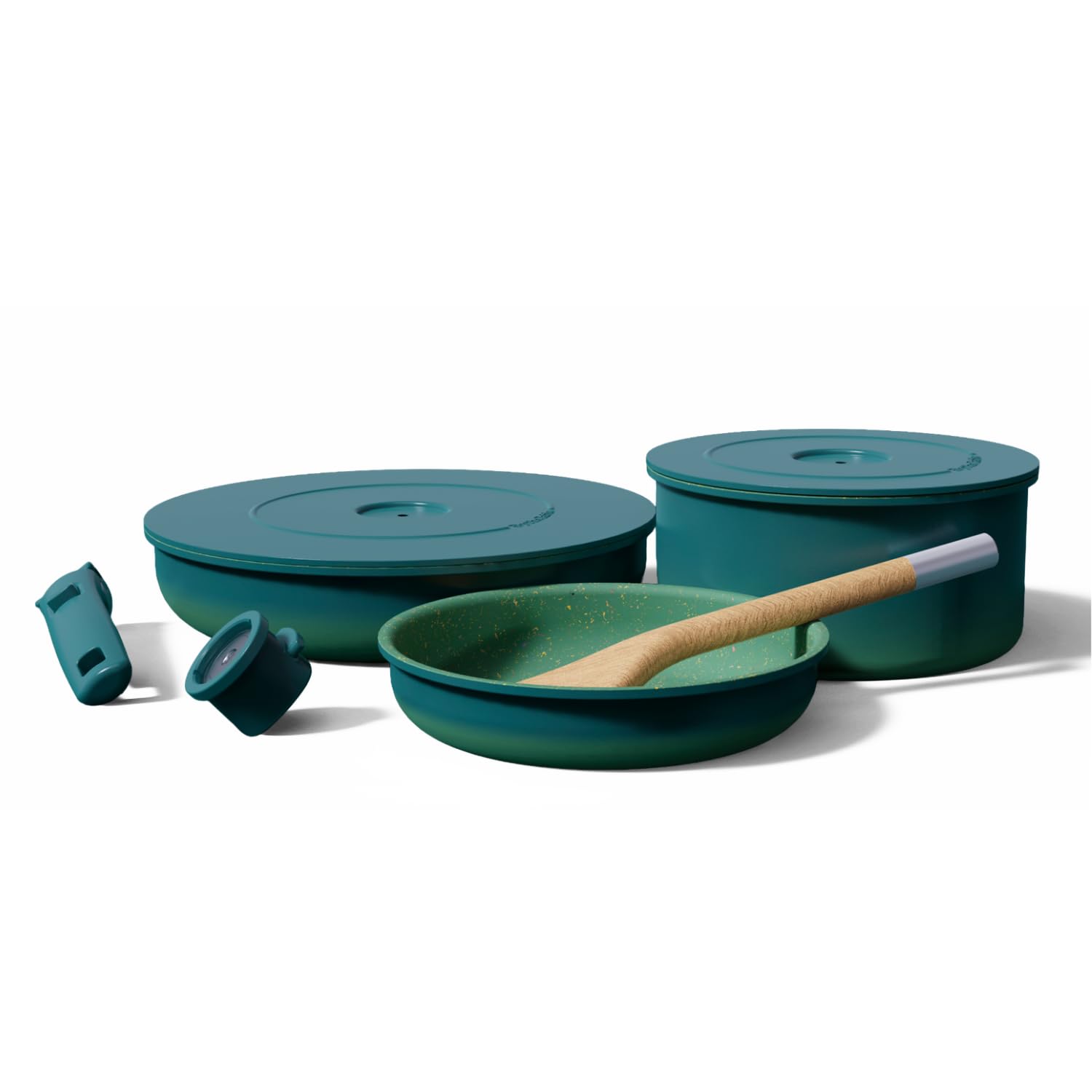
Ceramic titanium cookware combines two strong materials to offer a durable cooking option. Understanding its basics helps decide if it fits your kitchen needs. This cookware is popular for its non-stick surface and resistance to scratches. It often promises safe cooking without harmful chemicals. Knowing what it’s made of and how it works in the kitchen gives clear insight into its safety and usefulness.
Material Composition
Ceramic titanium cookware is made by mixing ceramic and titanium. Each material adds special qualities to the cookware.
- Ceramic coating: A natural, non-stick layer made from silica and oxygen. It is free from PTFE and PFOA, chemicals found in some non-stick pans.
- Titanium base: A metal known for its light weight and strength. Titanium resists corrosion and scratches, making the pan last longer.
The combination creates a pan that heats evenly and stays durable over time. Ceramic provides a smooth surface that helps food not stick. Titanium adds toughness and keeps the pan from bending or breaking easily.
| Component | Role | Benefit |
|---|---|---|
| Ceramic Coating | Non-stick surface | Safe, chemical-free cooking |
| Titanium Base | Durability and strength | Scratch-resistant, lightweight |
Because ceramic titanium cookware does not use harmful chemicals, it is often considered a safer alternative. The materials used reduce the chance of toxins leaching into food during cooking. The pan’s surface also stands up well to metal utensils, unlike some ceramic-only pans.
Common Uses In Cooking
Ceramic titanium cookware works well for many cooking methods. Its design suits everyday kitchen tasks and special recipes.
Common uses include:
- Sautéing: The non-stick surface lets you cook vegetables and meats with less oil.
- Frying: Perfect for eggs, pancakes, and fish without sticking or burning.
- Simmering: Good for sauces and stews because the heat spreads evenly.
- Baking: Some ceramic titanium pans are oven safe, useful for roasting or baking dishes.
The cookware heats quickly and stays hot, which helps food cook faster. It also cleans easily because food does not stick to the surface. This saves time and effort in the kitchen.
Here is a quick comparison of ceramic titanium cookware uses versus traditional pans:
| Cooking Type | Ceramic Titanium Cookware | Traditional Cookware |
|---|---|---|
| Non-stick frying | Excellent, less oil needed | Varies, often requires oil |
| Durability | High, scratch-resistant | Lower, prone to scratches |
| Cleaning | Easy, food slides off | Harder, food sticks |
This cookware suits cooks who want quick, healthy meals with less mess. It also works for those who want pans that last and keep a clean surface without much effort.
Safety Features Of Ceramic Titanium
Ceramic titanium cookware stands out for its blend of modern design and practical safety features. This type of cookware combines the natural non-stick qualities of ceramic with the strength of titanium. The result is a cooking surface that is both safe for health and durable for everyday use. Understanding its safety features helps you make informed choices for your kitchen. These features include non-toxic materials, excellent heat resistance, and strong durability. Let’s explore each aspect in detail to see why ceramic titanium cookware is considered a safe option.
Non-toxic Properties
Ceramic titanium cookware is known for its non-toxic composition. Unlike traditional non-stick pans, it does not contain harmful chemicals like PTFE (polytetrafluoroethylene) or PFOA (perfluorooctanoic acid). These substances can release toxic fumes when overheated. Ceramic titanium coatings are free from these chemicals, making them safer for cooking and your health.
Key points about the non-toxic nature:
- Made from natural materials: Ceramic is derived from sand and minerals, ensuring no artificial toxins.
- Free from heavy metals: No lead, cadmium, or other harmful metals in the coating.
- Safe at high temperatures: No release of harmful fumes during normal cooking.
Here is a quick comparison of common cookware coatings:
| Coating Type | Contains PTFE/PFOA | Heavy Metals | Toxic Fumes Risk |
|---|---|---|---|
| Ceramic Titanium | No | No | Very Low |
| Traditional Non-Stick | Yes | Sometimes | Moderate to High |
| Cast Iron | No | Trace Iron | None |
Heat Resistance
Ceramic titanium cookware handles heat well and maintains its safety during cooking. The ceramic surface can tolerate high temperatures without breaking down or releasing harmful substances. Titanium adds strength and stability, allowing the cookware to heat evenly and quickly.
Benefits of heat resistance include:
- High melting point: Ceramic can withstand temperatures above 700°F (370°C).
- Even heat distribution: Titanium helps spread heat uniformly to avoid hot spots.
- Maintains coating integrity: The surface stays intact even after frequent heating.
- Oven safe: Many ceramic titanium pans are safe for oven use up to specified temperatures.
This heat resistance reduces risks of coating damage or toxic releases. It also improves cooking performance by ensuring food cooks evenly. Users can cook at high temperatures without worrying about safety or durability problems.
Durability And Scratch Resistance
Durability is a strong point of ceramic titanium cookware. Titanium’s addition makes the ceramic coating much tougher than standard ceramic pans. This results in a surface that resists scratches, chips, and wear from metal utensils or rough cleaning.
Important features include:
- Scratch resistance: Titanium strengthens the coating against common kitchen scratches.
- Long-lasting non-stick: The surface keeps its non-stick quality longer than many other coatings.
- Resistance to chipping: The cookware maintains its smooth surface over time.
- Easy cleaning: Durable coating allows gentle scrubbing without damage.
Below is a comparison of scratch resistance between common cookware types:
| Cookware Type | Scratch Resistance | Typical Lifespan | Maintenance Level |
|---|---|---|---|
| Ceramic Titanium | High | 3-5 years | Low |
| Standard Ceramic | Medium | 1-2 years | Medium |
| Traditional Non-Stick | Low | 1-2 years | High |
These safety features make ceramic titanium cookware a reliable choice. It combines health-conscious materials with strong construction for safe and long-lasting use.
Health Considerations
Choosing cookware involves more than just looks and price. Health considerations play a key role in deciding if ceramic titanium cookware fits your kitchen. Safety matters because this cookware touches your food daily. Understanding how it interacts with ingredients and your body is important. This section explores the health side of ceramic titanium cookware to help you make a smart choice.
Potential Chemical Leaching
Ceramic titanium cookware often claims to be non-toxic and safe. This means it should not release harmful chemicals into food during cooking. Chemical leaching happens when substances from cookware mix with your food. It can affect taste and health. Ceramic coatings are usually free from PFOA, PTFE, lead, and cadmium.
Here are key points about chemical leaching in ceramic titanium cookware:
- High heat stability: Ceramic titanium resists heat well, reducing breakdown of coatings.
- Non-reactive surface: It does not react with acidic or alkaline foods, keeping food safe.
- Durability: Scratches or chips may increase leaching risk if the coating gets damaged.
The following table compares chemical risks of common cookware types:
| Cookware Type | Chemical Leaching Risk | Common Chemicals |
|---|---|---|
| Non-stick (PTFE) | Moderate to High when overheated | PFOA, PTFE fumes |
| Aluminum | Moderate, especially with acidic foods | Aluminum ions |
| Ceramic Titanium | Low when coating intact | Minimal to none |
Keeping ceramic titanium cookware free from chips and scratches lowers chemical leaching risks. Avoid metal utensils and harsh scrubbing. Cooking at moderate temperatures also helps maintain the coating’s integrity.
Allergy And Sensitivity Risks
Allergies to cookware materials are rare but possible. Ceramic titanium cookware usually causes fewer reactions than some metals like nickel or aluminum. Titanium is biocompatible and often used in medical implants, showing it is safe for most people.
Still, some users may experience sensitivity due to:
- Coating materials: Some ceramic coatings include additives that might irritate sensitive skin or respiratory systems.
- Trace metals: Tiny amounts of metals could cause reactions in highly sensitive individuals.
Signs of allergy or sensitivity may include:
- Skin rash or irritation after handling cookware
- Respiratory symptoms like coughing or sneezing during cooking
- Digestive discomfort after eating food cooked in certain cookware
To reduce risks:
- Choose high-quality ceramic titanium cookware from trusted brands.
- Check product labels for any known allergens.
- Test cookware by short-term use before regular cooking.
Most people safely use ceramic titanium cookware without issues. Awareness and care help prevent allergy or sensitivity problems.
Comparison With Other Cookware
Choosing safe cookware is key for healthy cooking. Ceramic titanium cookware is popular for safety and durability. Comparing it with other types helps understand its benefits and limits. Each cookware type has unique features affecting cooking style and health. This section looks closely at ceramic titanium, traditional nonstick, titanium, and stainless steel cookware.
Ceramic Vs. Traditional Nonstick
Ceramic cookware uses a natural, non-stick ceramic coating without chemicals like PFOA or PTFE. Traditional nonstick pans often have synthetic coatings that can release harmful fumes if overheated.
Benefits of Ceramic Cookware:
- Free from harmful chemicals
- Can handle higher heat without damage
- Easy to clean due to smooth surface
- Environmentally friendly coating
Drawbacks of Ceramic Cookware:
- Coating may wear off faster than traditional nonstick
- Requires gentle cleaning to avoid scratches
Traditional Nonstick Cookware Features:
- Excellent food release with less oil
- Usually cheaper than ceramic
- May release toxins if scratched or overheated
| Feature | Ceramic Cookware | Traditional Nonstick Cookware |
|---|---|---|
| Coating Material | Natural ceramic | PTFE, PFOA (synthetic) |
| Heat Resistance | Up to 450°F (232°C) | Up to 350°F (177°C) |
| Health Safety | Free of toxic chemicals | May emit fumes if overheated |
| Durability | Moderate, can chip | Good but scratches easily |
Titanium Vs. Stainless Steel
Titanium and stainless steel are both strong metals used in cookware. Titanium is lightweight and resists corrosion. Stainless steel is heavy but very durable and resists rust well.
Titanium Cookware Advantages:
- Very light and easy to handle
- Strong and scratch-resistant
- Does not react with acidic foods
- Heats evenly
Stainless Steel Cookware Advantages:
- Long-lasting and tough
- Good heat retention
- Often dishwasher safe
- Resists stains and rust
Key Differences in a Table:
| Aspect | Titanium | Stainless Steel |
|---|---|---|
| Weight | Light | Heavy |
| Durability | High resistance to scratches | Very durable, resists dents |
| Heat Conductivity | Good, but varies by design | Good with layered bases |
| Maintenance | Easy to clean, usually hand wash | Dishwasher safe, needs polishing |
| Price | Usually more expensive | Varies from budget to premium |
Care And Maintenance Tips
Proper care and maintenance keep ceramic titanium cookware safe and long-lasting. This type of cookware combines ceramic’s non-stick surface with titanium’s strength. It offers excellent cooking performance, but it needs gentle handling. Following simple care tips preserves the cookware’s coating and prevents damage. Clean and maintain the cookware correctly to enjoy healthy, safe meals for years.
Cleaning Techniques
Cleaning ceramic titanium cookware is easy but requires gentle methods. Use warm water and mild dish soap for best results. Avoid harsh chemicals or abrasive scrubbers that can scratch the surface. Here are some effective cleaning tips:
- Let the cookware cool before washing. Sudden temperature changes can cause warping.
- Use a soft sponge or cloth to clean the surface gently.
- For stuck-on food, soak the pan in warm soapy water for 10-15 minutes.
- Use a nylon scrubber for stubborn stains, avoiding steel wool or metal brushes.
- Rinse thoroughly with warm water to remove all soap residue.
- Dry the cookware immediately with a soft towel to prevent water spots.
For tough stains, try a paste made of baking soda and water. Apply the paste, let it sit for 15 minutes, then gently scrub and rinse. Avoid using bleach or oven cleaners, as they can damage the ceramic coating.
| Cleaning Step | Recommended Action |
|---|---|
| Cool Down | Wait for the cookware to cool to avoid warping |
| Wash | Use mild soap and soft sponge |
| Soak | Soak for stuck food, 10-15 minutes in warm water |
| Scrub | Use nylon scrubber for tough spots |
| Dry | Dry immediately with a soft cloth |
Avoiding Damage
Ceramic titanium cookware lasts longer when handled with care. Avoid actions that can scratch or chip the ceramic surface. Use the right tools and follow safety tips to protect your cookware:
- Use wooden, silicone, or plastic utensils. Metal tools can scratch the ceramic coating.
- Do not overheat empty cookware. High heat without food can damage the ceramic layer.
- Avoid sudden temperature changes. Do not put hot pans in cold water or cold pans on high heat.
- Store carefully. Avoid stacking pans directly on top of each other without protection.
- Check for cracks or chips regularly. Damaged cookware can release particles into food.
Handle the cookware gently during use and cleaning. Use low to medium heat for cooking. Use pan protectors or cloths when stacking to prevent scratches. Replacing damaged cookware ensures food safety and maintains cooking quality.
| Action to Avoid | Reason |
|---|---|
| Metal utensils | Scratch and damage ceramic coating |
| Overheating empty pan | Can break down ceramic layer |
| Sudden temperature changes | Cause warping or cracking |
| Stacking without protection | Leads to surface scratches |
| Using damaged cookware | May affect food safety |

Credit: www.amazon.com
User Experiences And Reviews
User experiences and reviews provide valuable insights into the safety and performance of ceramic titanium cookware. Real users share their thoughts on how this cookware works in everyday kitchens. Their feedback helps others decide if ceramic titanium cookware fits their needs. Reviews reveal both the strengths and weaknesses based on hands-on use.
Common Praise
Many users appreciate ceramic titanium cookware for its durability and non-stick properties. The combination of ceramic and titanium creates a strong surface that resists scratches and chips. Users often mention the cookware heats evenly, which helps avoid hot spots while cooking.
- Easy to clean: Most users say food slides off easily, reducing scrubbing time.
- Lightweight: Compared to traditional cast iron, ceramic titanium pans are lighter and easier to handle.
- Safe cooking surface: Many reviews highlight no chemical smell or taste transfer to food.
- Good heat retention: Users notice food stays warm longer after cooking.
Here is a summary of common positive points from user reviews:
| Feature | User Feedback |
|---|---|
| Durability | High resistance to scratches and wear |
| Non-stick performance | Excellent release of food, easy cleaning |
| Weight | Light and comfortable to use |
| Safety | No toxic chemicals or odors |
Reported Issues
Some users report problems with ceramic titanium cookware after extended use. The non-stick coating can wear off or peel if not cared for properly. Scratches may appear if metal utensils are used. A few users mention the cookware is not dishwasher safe, which can reduce its lifespan.
- Coating degradation: Visible wear after 6 to 12 months in some cases.
- Heat limits: High heat can damage the ceramic surface, causing discoloration or cracking.
- Uneven heating reports: A small number of users find certain pans heat less evenly.
- Price concerns: Some feel the cookware is expensive compared to other non-stick options.
Below is a table summarizing common issues users face:
| Issue | Description | Possible Cause |
|---|---|---|
| Peeling or flaking | Non-stick layer detaches after some months | Use of metal utensils or abrasive cleaning |
| Discoloration | Surface changes color after heating | Overheating beyond recommended limits |
| Uneven heating | Hot spots or cooler areas on pan surface | Manufacturing inconsistencies or pan warping |
| Cost | Higher price than standard cookware | Advanced materials and design features |
Credit: www.amazon.com
Frequently Asked Questions
Is Ceramic Titanium Cookware Non-toxic And Safe?
Yes, ceramic titanium cookware is non-toxic and safe. It contains no harmful chemicals like PFOA or PTFE. The ceramic coating is free from heavy metals, making it a healthy choice for cooking.
Does Ceramic Titanium Cookware Release Toxins When Heated?
No, ceramic titanium cookware does not release toxins when heated. Its coating is stable at high temperatures. This ensures safe cooking without harmful fumes or chemical leaching.
How Durable Is Ceramic Titanium Cookware?
Ceramic titanium cookware is highly durable. The titanium reinforces the ceramic coating, making it scratch-resistant and long-lasting. Proper care can extend its lifespan significantly.
Can Ceramic Titanium Cookware Withstand High Heat?
Yes, ceramic titanium cookware withstands high heat well. It distributes heat evenly and can handle temperatures suitable for most cooking needs without damage.
Conclusion
Ceramic titanium cookware offers a safe option for everyday cooking. Its coating does not release harmful chemicals. The material heats evenly, helping your food cook well. Cleaning is easy, and the cookware lasts long with care. Always avoid overheating to keep the surface intact.
Choosing quality brands ensures better safety and performance. This cookware suits many kitchens and cooking styles. Safe, durable, and simple—ceramic titanium cookware fits your needs. Consider your cooking habits and budget before buying. Enjoy healthy meals with peace of mind.

Hello, This is Annie Walker, a 38-year-old blogger, founder, and editor of Cookware Guider from NY, USA. I am a cookware fanatic and passionate cooker. I love to cook with different types of cooking appliances (example: all types of cookware, rice cookers, slow cookers, etc) almost every day in my kitchen. I love to share my experience with my readers in my blog. Also, I enjoy helping people to solve their problems through my website. You can follow me on Twitter & Pinterest. To know details about my blog please check the about us page.