
Have you ever wondered if that leftover cooked rice on your plate can go straight into your compost bin? You might be surprised to learn how easy it is to compost cooked rice—and why it matters for your garden and the environment.
If you want to reduce waste and nourish your plants naturally, understanding whether cooked rice is compostable is a game-changer. Keep reading to discover simple tips that will help you turn your kitchen scraps into rich, healthy soil.

Credit: www.rolypig.com
Why Compost Cooked Rice
Composting cooked rice is a smart way to handle leftover food. It helps reduce waste and supports the environment. Cooked rice breaks down quickly, making it a good choice for compost piles. Adding it to compost improves soil and helps plants grow strong.
Many people throw away leftover rice, but composting is a better option. It turns food scraps into valuable nutrients for the earth. This process saves space in landfills and lowers pollution.
Benefits For Soil Health
Cooked rice adds organic matter to the soil. It enriches soil with nutrients like nitrogen and phosphorus. These nutrients are important for plant growth. The rice also helps soil keep water longer. Better soil means healthier plants and bigger harvests.
Reducing Food Waste
Throwing away cooked rice wastes resources used to grow it. Composting recycles leftover rice into useful compost. This reduces the amount of food waste sent to landfills. Less food waste means less methane gas, a harmful greenhouse gas. Composting supports a cleaner and greener planet.
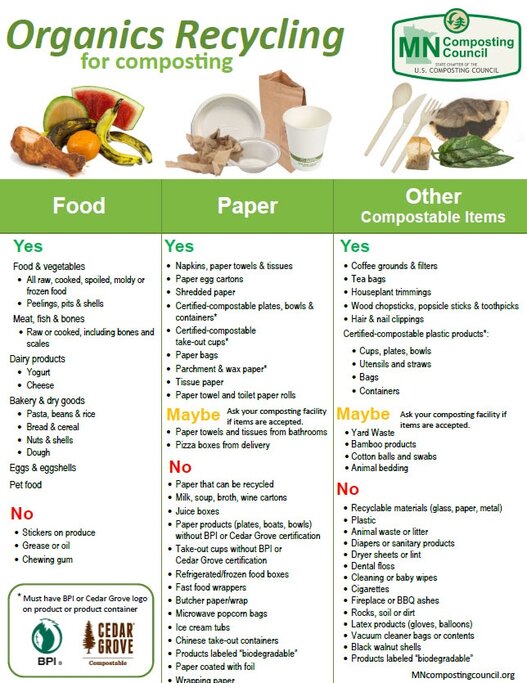
Credit: www.mncompostingcouncil.org
Composting Basics For Rice
Composting cooked rice requires understanding some basic principles. Rice breaks down differently than dry materials. It needs the right environment to decompose well. Knowing how to balance materials and maintain conditions helps speed up composting. This section covers simple tips for composting rice successfully.
Ideal Conditions
Cooked rice needs warmth and moisture to break down. A compost pile should be moist but not wet. Too much water slows decomposition. The temperature should stay between 130°F and 160°F. This heat helps kill germs and speeds up decay. Turning the compost often adds air and keeps it healthy. Avoid letting rice sit too long without mixing.
Balancing Green And Brown Materials
Rice counts as a green material because it is wet and rich in nitrogen. It works best mixed with brown materials like dry leaves or paper. Browns add carbon and help absorb moisture. A good mix is about two parts brown to one part green. This balance prevents bad smells and keeps the pile active. Too much rice or green waste can make the compost slimy and smelly.
How Cooked Rice Breaks Down
Cooked rice is mostly water and starch. Microorganisms in the soil use these to break it down. The process turns rice into nutrients for plants. This makes cooked rice a good addition to compost piles.
Understanding how cooked rice decomposes helps manage your compost better. It shows how rice changes and how long it takes to disappear.
Decomposition Process
Microbes and bacteria start eating the cooked rice soon after it is added to compost. These tiny organisms feed on the starch and moisture. They break the rice into smaller parts. This creates nutrients that plants can absorb. The heat in the compost pile helps speed up this process. The rice softens and mixes with other organic matter. This mix turns into rich compost over time.
Timeframe For Composting
Cooked rice breaks down faster than dry rice. It usually takes about two to four weeks to decompose fully. The exact time depends on the compost conditions. Warm, moist, and well-aerated compost speeds up breakdown. Cold or dry piles take longer. Stirring the pile helps air reach the microbes. This keeps the process active and quick.
Common Composting Methods
Composting is a natural way to recycle kitchen waste and garden scraps. It turns organic matter into rich soil. Many people wonder how to compost cooked rice safely. Different composting methods suit different lifestyles and spaces. Understanding common composting techniques helps you choose the right one for your needs.
Home Compost Bins
Home compost bins are simple containers for kitchen scraps and yard waste. Cooked rice can go into these bins but in small amounts. Too much rice makes the compost wet and smelly. Mix rice with dry leaves or paper to balance moisture. Stir the bin often to help air flow. This speeds up decomposition and stops bad odors.
Vermicomposting With Worms
Vermicomposting uses worms to break down food waste quickly. Worms eat cooked rice but only in moderation. Large amounts of rice can harm worms and cause bad smells. Add small pieces of rice with other scraps like vegetables. Keep the bin moist and in a cool place. Worms create nutrient-rich castings that boost plant growth.
Community Compost Programs
Community compost programs collect food waste from many homes. These programs handle cooked rice well because they process large amounts. Rice should be placed in the correct bin or bag for collection. The compost facility manages the right conditions for quick breakdown. Joining these programs reduces landfill waste and helps local gardens.
Potential Issues With Cooked Rice
Cooked rice can cause some problems when added to compost. It does break down but not without risks. These issues can affect your compost pile and garden health.
Attracting Pests
Cooked rice has a strong smell that attracts pests. Rodents, flies, and ants find it very appealing. This can lead to unwanted guests around your compost. Pests may spread diseases and make a mess. Keeping pests away is important for a healthy compost.
Mold Growth Concerns
Cooked rice holds moisture, creating a perfect place for mold. Mold grows fast on damp, starchy food. Mold can slow down the composting process. It may also cause bad odors and spoil the pile. Proper balance of dry and wet materials helps prevent mold.
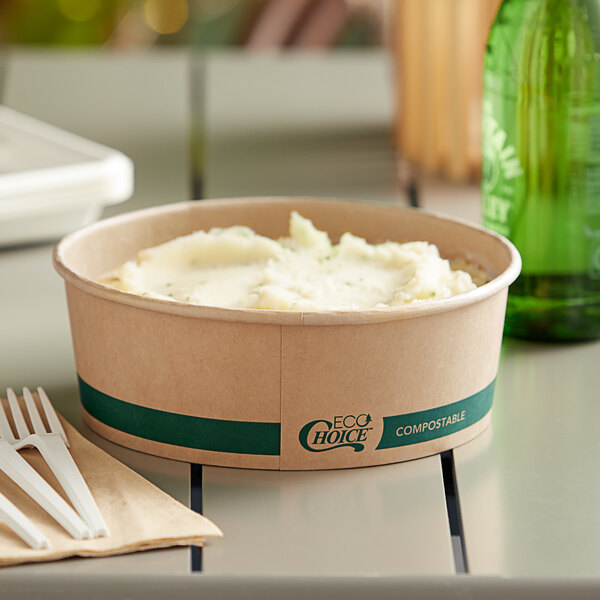
Credit: www.webstaurantstore.com
Tips To Compost Cooked Rice Safely
Composting cooked rice can enrich your soil but needs careful handling. Rice breaks down quickly and can cause issues if not managed well. Follow some simple tips to compost cooked rice safely and effectively.
Mixing With Other Materials
Always mix cooked rice with dry, brown materials like leaves or straw. This balance helps keep the compost healthy. Rice alone can become too wet and sticky, slowing decomposition. Mixing prevents clumps and improves airflow. Combine rice with kitchen scraps and garden waste for best results.
Avoiding Odors And Pests
Cooked rice can attract pests like rats and flies. Cover the rice well with soil or dry leaves to hide the smell. Turn the compost regularly to reduce odors. Avoid adding large amounts of rice at once. Small portions compost better and reduce pest problems.
Alternatives To Composting Cooked Rice
Cooked rice can be tricky to compost because it may attract pests and create odors. Some people avoid adding it to compost piles. Luckily, there are simple alternatives to composting cooked rice. These options help reduce waste and benefit your garden or animals.
Feeding To Animals
Cooked rice makes a good treat for many animals. Birds, chickens, and even some pets enjoy it. Make sure the rice is plain, without salt or spices. Offer small amounts to avoid upset stomachs. This method reduces food waste and feeds animals naturally.
Using As Garden Mulch
Cooked rice can serve as mulch in gardens. Spread a thin layer around plants to keep soil moist. Rice helps block weeds and protects roots from heat. Avoid thick layers; rice can become sticky and smelly if too wet. This reuse supports healthy plants and soil.
Frequently Asked Questions
Is Cooked Rice Safe For Composting?
Yes, cooked rice is safe to compost. It breaks down quickly and adds valuable nutrients. Avoid large amounts to prevent pests.
How To Compost Cooked Rice Properly?
Let cooked rice cool before composting. Mix it well with carbon-rich materials like leaves. This balance prevents odor and attracts beneficial microbes.
Can Cooked Rice Attract Pests In Compost?
Cooked rice can attract pests if added in excess. To avoid this, bury it under other compost materials and maintain proper moisture.
Does Cooked Rice Improve Compost Quality?
Cooked rice adds nitrogen and organic matter, improving soil fertility. It enhances microbial activity and speeds up decomposition in compost piles.
Conclusion
Cooked rice breaks down well in compost piles. It adds nutrients that help plants grow strong. Avoid adding too much at once to stop smells. Mix it with dry leaves or paper for balance. Composting cooked rice reduces waste and helps the earth.
Small efforts like this make a big difference. Try composting kitchen scraps to support a greener lifestyle. It’s simple, natural, and good for your garden.

Hello, This is Annie Walker, a 38-year-old blogger, founder, and editor of Cookware Guider from NY, USA. I am a cookware fanatic and passionate cooker. I love to cook with different types of cooking appliances (example: all types of cookware, rice cookers, slow cookers, etc) almost every day in my kitchen. I love to share my experience with my readers in my blog. Also, I enjoy helping people to solve their problems through my website. You can follow me on Twitter & Pinterest. To know details about my blog please check the about us page.