
Are you wondering if you can share your cooked rice with your furry friend? You’re not alone.
Many dog owners ask, “Is cooked rice ok for dogs? ” It’s a simple question, but the answer can impact your dog’s health and happiness. Before you toss a bowl of rice into your dog’s dish, it’s important to know what’s safe and what’s not.
Keep reading to find out how cooked rice can fit into your dog’s diet and what you should watch out for to keep your pet healthy and happy.
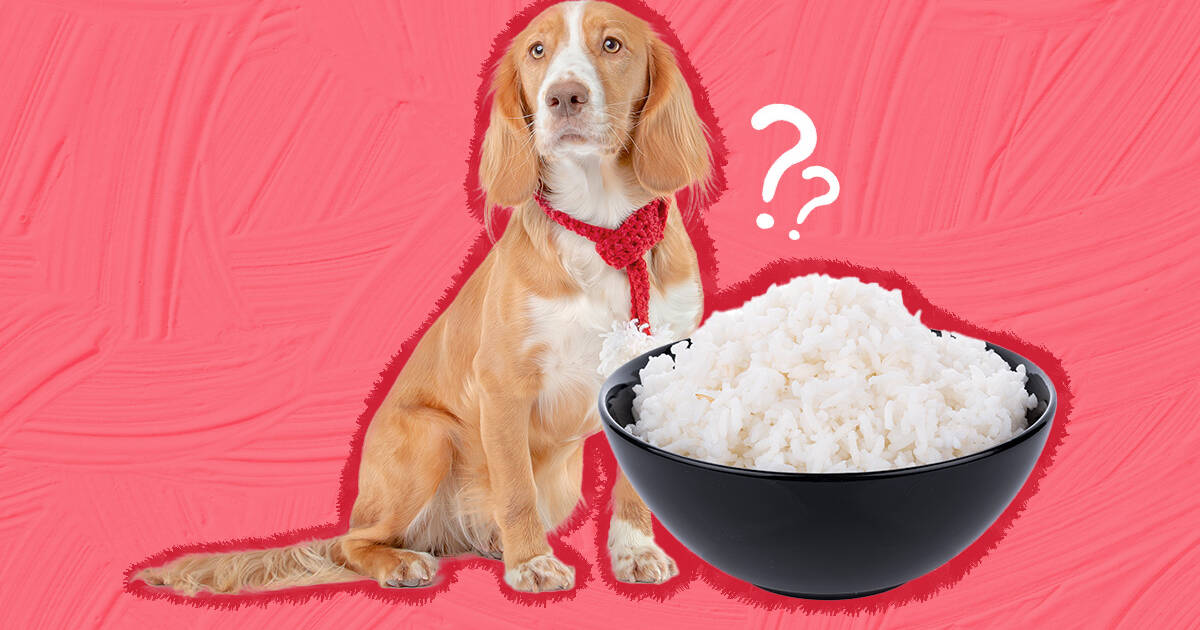
Credit: www.thedodo.com
Rice And Dogs
Rice is a common food in many homes. Dogs can eat rice safely. It is often part of their diet. Rice is easy to digest. Many dog owners use it to help with stomach issues. It can be a good source of energy for dogs. Understanding rice and dogs helps you feed your pet better.
Nutritional Value Of Rice
Rice contains carbohydrates, which give energy to dogs. It has small amounts of protein and fiber. White rice is easy to digest but has fewer nutrients. Brown rice has more fiber and vitamins. Rice is low in fat and gentle on the stomach. It does not have many vitamins, so it should not be the main food.
Common Uses In Dog Diets
Cooked rice often helps dogs with upset stomachs. It can soothe diarrhea or vomiting. Many dog foods include rice as a filler or energy source. Rice mixes well with lean meats like chicken. Some owners use rice to reduce food allergies. Always serve plain, cooked rice without spices or sauces. This keeps it safe and healthy for dogs.
Safety Of Cooked Rice
Cooked rice is a common food item that many dog owners consider adding to their pet’s diet. Understanding the safety of cooked rice for dogs is important. This helps ensure dogs get benefits without harm. Rice is easy to digest and often used in dog meals.
Not all rice is the same for dogs. Plain cooked rice without seasoning or additives is best. Some dogs tolerate rice well, while others may not. Knowing the potential benefits and risks helps make smart choices for your dog’s health.
Potential Benefits
Cooked rice can soothe a dog’s upset stomach. It is gentle and bland, easing digestion issues. Rice provides energy through carbohydrates, which dogs need daily. It also adds fiber that supports healthy digestion. Many vets recommend rice with boiled chicken for sick dogs. Rice is gluten-free, lowering allergy risks for some dogs. It can be a good filler in homemade dog food recipes.
Risks And Concerns
Rice alone does not meet all dogs’ nutritional needs. Feeding too much rice may cause weight gain. Some dogs may develop allergies or sensitivities to rice. Cooked rice with spices, salt, or sauces is unsafe for dogs. Uncooked or undercooked rice can be hard to digest. Feeding rice too often can reduce intake of important nutrients. Always watch your dog for any reaction after eating rice.
Preparing Rice For Dogs
Preparing rice for dogs is simple but needs care. Rice can be a good food for dogs. It helps with digestion and is easy to eat. Proper cooking keeps the rice healthy and safe for dogs.
Best Cooking Methods
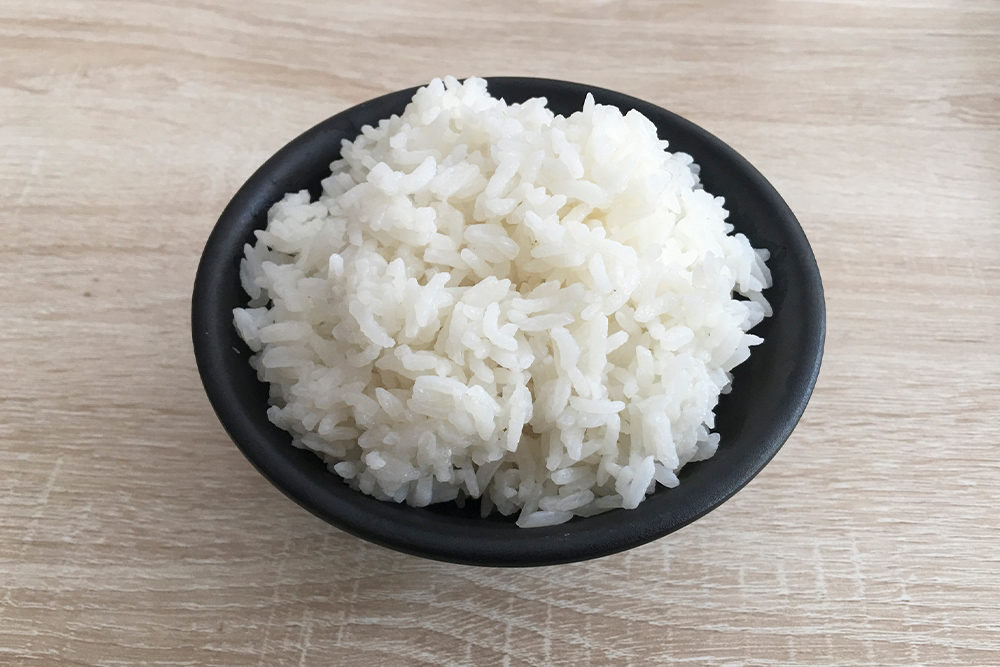
Use plain white rice for dogs. Rinse the rice before cooking. This removes dust and dirt. Cook rice in plenty of water. Boil until soft and fully cooked. Avoid using rice cookers with added oils or spices. Let the rice cool before serving. Serve in small portions mixed with dog food.
Avoiding Harmful Ingredients
Do not add salt, butter, or seasoning. Spices can upset your dog’s stomach. Avoid onions, garlic, and other toxic ingredients. Use plain water only for cooking. Keep the rice free of sauces and oils. Check for any allergic reactions after feeding. Always use fresh, clean rice to protect your dog’s health.
Credit: www.esseg.eu
When To Feed Rice To Dogs
Knowing the right time to feed rice to dogs helps keep them healthy. Rice is a simple food that can support a dog’s diet in specific situations. It is easy to digest and gentle on the stomach. This makes it a useful option for certain health needs.
Digestive Issues
Rice helps calm upset stomachs in dogs. It soothes the digestive tract and reduces diarrhea. Plain cooked rice is easy to digest and does not irritate the gut. Rice mixed with boiled chicken often forms a bland diet for sick dogs. This diet supports recovery and prevents dehydration. It is best to feed small amounts until the dog improves.
Weight Management
Rice can help control a dog’s weight when portioned correctly. It provides energy without too many calories. Replacing some fatty foods with rice lowers calorie intake. Rice also makes dogs feel full longer. This helps reduce overeating and snacking. Always measure rice servings to avoid weight gain. Balanced meals with protein and vegetables work best for weight control.
Portion Control And Frequency
Controlling the portion and frequency of cooked rice for dogs is important. Rice can be a good addition to their diet, but too much can cause issues. Feeding rice in the right amount helps keep your dog healthy and happy. It also prevents weight gain and digestive problems.
Recommended Serving Sizes
Small dogs need about one to two tablespoons of cooked rice per meal. Medium dogs can have two to four tablespoons. Large dogs may eat up to half a cup. Always adjust based on your dog’s size and activity level. Start with small amounts and watch for any changes.
Balancing With Other Foods
Rice should not replace your dog’s main food. Use it as a side or mix it with protein and vegetables. This balance gives your dog all needed nutrients. Avoid feeding rice too often to prevent nutrient imbalance. Variety keeps meals interesting and healthy for your dog.
Vet Tips And Recommendations
Vet tips help keep your dog safe when feeding cooked rice. Experts share advice on how to introduce rice to your pet’s diet. They also explain what signs to watch for after your dog eats rice.
Consulting Your Veterinarian
Always talk to your vet before adding rice to your dog’s meals. Your vet knows your dog’s health history best. They can tell you if rice is safe for your dog.
Some dogs have allergies or special diets. Your vet can suggest the right amount of rice. They can also recommend how often to feed it.
Signs To Watch For
Watch your dog carefully after feeding cooked rice. Look for vomiting, diarrhea, or upset stomach. These signs mean your dog may not digest rice well.
Also notice if your dog seems tired or loses appetite. These could be signs of a food reaction. Stop feeding rice and call your vet if you see these signs.

Credit: humanandpets.com
Frequently Asked Questions
Is Cooked Rice Safe For Dogs To Eat?
Yes, cooked rice is safe for dogs in moderation. It is easy to digest and can help soothe upset stomachs. Avoid adding seasonings or oils that may harm your dog.
Can Cooked Rice Help Dogs With Diarrhea?
Cooked rice can help dogs with diarrhea by firming up stools. It provides gentle carbohydrates and is often combined with boiled chicken for better results. Always consult a vet for prolonged symptoms.
How Much Cooked Rice Can I Feed My Dog?
Feed your dog cooked rice in small portions, about 10% of their daily diet. Too much rice can cause weight gain or nutritional imbalance. Balance it with protein and vegetables.
Is White Or Brown Rice Better For Dogs?
White rice is easier to digest and ideal for dogs with stomach issues. Brown rice contains more fiber but may be harder to digest. Choose based on your dog’s digestive health.
Conclusion
Cooked rice can be a safe snack for most dogs. It provides energy and is easy to digest. Avoid adding salt, spices, or sauces to keep it healthy. Always serve plain, cooked rice in small amounts. Watch your dog for any signs of upset stomach.
Balanced meals are important for your pet’s health. Consult your vet if you have concerns about your dog’s diet. Simple, plain rice can be a helpful part of dog care.

Hello, This is Annie Walker, a 38-year-old blogger, founder, and editor of Cookware Guider from NY, USA. I am a cookware fanatic and passionate cooker. I love to cook with different types of cooking appliances (example: all types of cookware, rice cookers, slow cookers, etc) almost every day in my kitchen. I love to share my experience with my readers in my blog. Also, I enjoy helping people to solve their problems through my website. You can follow me on Twitter & Pinterest. To know details about my blog please check the about us page.