
When it comes to cooking, your health and safety are top priorities. You might be wondering, is Duralon cookware safe to use in your kitchen?
With so many options out there, it’s normal to question the materials and coatings of your pots and pans. You’ll discover what makes Duralon cookware stand out, the safety concerns you should know about, and how it can affect your cooking experience.
Keep reading to find out if Duralon is the right choice for you and your family’s well-being.
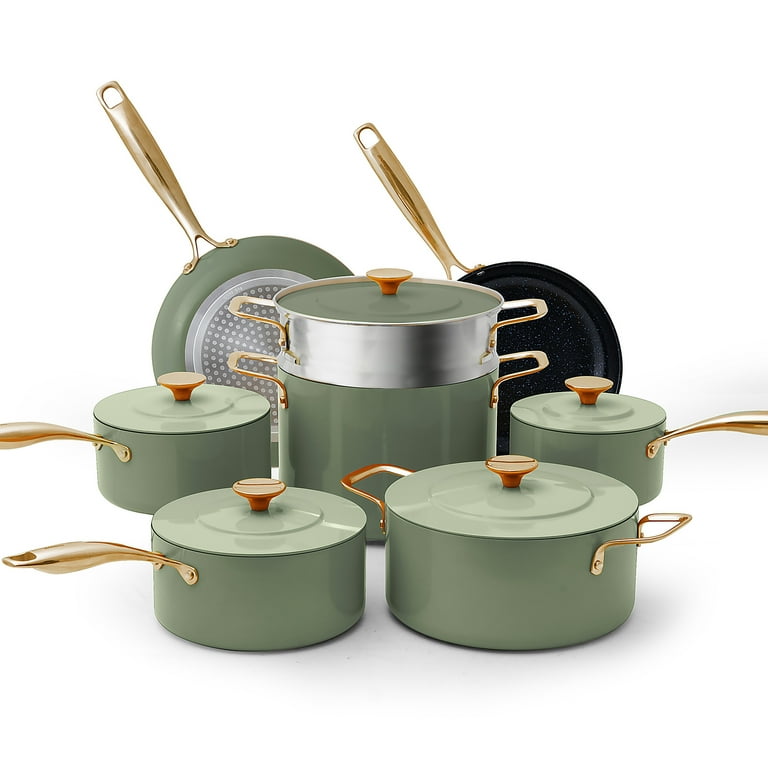
What Is Duralon Cookware
Duralon cookware has grown popular in many kitchens for its unique design and materials. Many wonder, what exactly is Duralon cookware? This section explains the basics to help you understand its features and safety.
What Is Duralon Cookware Made Of?
Duralon cookware features a special nonstick coating made from ceramic materials. This coating is free from harmful chemicals like PFOA and PTFE.
The base of Duralon pans usually consists of aluminum or stainless steel, which helps in even heat distribution. This mix provides durability and good cooking performance.
How Does Duralon Cookware Work?
Duralon’s ceramic coating prevents food from sticking. It allows cooking with less oil or butter, which can be healthier.
The cookware heats evenly and quickly, reducing cooking time. It also cools down fast after use, making handling safer.
Key Features Of Duralon Cookware
| Feature | Description |
|---|---|
| Nonstick Surface | Made from ceramic, free of toxic chemicals |
| Material Base | Aluminum or stainless steel for even heating |
| Durability | Scratch resistant and long-lasting coating |
| Easy Cleaning | Food residue does not stick, washes easily |
Benefits Of Using Duralon Cookware
- Cook with less oil due to nonstick surface
- Safe ceramic coating without harmful chemicals
- Even heat distribution for better cooking results
- Easy to clean and maintain
Materials Used In Duralon Cookware
Duralon cookware is popular for its durable and non-stick properties. Understanding the materials used helps know if it is safe for daily cooking. The quality of materials affects health and cooking results. This section explains the main materials in Duralon cookware.
Aluminum Core
The base of Duralon cookware is usually made of aluminum. Aluminum is a great heat conductor. It heats food evenly and quickly. This reduces the chance of burning or hot spots.
The aluminum used is often thick and sturdy. This makes the cookware strong and long-lasting. Many brands use food-grade aluminum that is safe to cook with.
Non-stick Coating
Duralon’s non-stick layer is a key feature. It allows food to slide off easily and cleans up fast. The coating is usually made of multiple layers for better durability.
The coating is free from harmful chemicals like PFOA and PTFE. These chemicals can release toxins when heated too much. Duralon uses safer alternatives to keep cooking healthy.
Stainless Steel Components
Handles and rims in Duralon cookware are often stainless steel. Stainless steel resists rust and stays strong. It also stays cool longer for safer handling.
Using stainless steel parts adds to the cookware’s lifespan. It also gives a nice look and solid feel to the pots and pans.
| Material | Purpose | Safety Feature |
|---|---|---|
| Aluminum Core | Even heat distribution | Food-grade, thick aluminum |
| Non-Stick Coating | Easy food release, easy cleaning | Free from PFOA and PTFE |
| Stainless Steel | Handles and rims, durability | Rust-resistant and strong |
Non-toxic Properties
Duralon cookware is known for its durability and ease of use. Many people wonder if it is safe for everyday cooking, especially concerning its non-toxic properties. Understanding what makes Duralon cookware safe helps users cook confidently without health worries. This section explains the non-toxic features of Duralon cookware by exploring its chemical makeup and the absence of harmful substances.
Chemical Composition
Duralon cookware is made from a combination of materials designed to ensure safety and performance. The main components include:
- Aluminum Base: Provides excellent heat conduction for even cooking.
- Non-Stick Coating: A special layer that prevents food from sticking and reduces the need for oil.
- Protective Ceramic Layer: Adds durability and enhances the non-stick surface.
The non-stick coating in Duralon cookware is created without using harmful chemicals like PFOA (Perfluorooctanoic acid) or PFAS (Per- and polyfluoroalkyl substances). These chemicals were common in older non-stick pans but have raised health concerns.
Here is a simple table showing key materials:
| Material | Purpose | Safety Note |
|---|---|---|
| Aluminum | Heat conduction | Safe, no direct food contact |
| Non-stick coating | Prevent food from sticking | PFOA-free, non-toxic |
| Ceramic layer | Durability and safety | Non-toxic, heat resistant |
Each material is carefully selected to avoid toxic reactions during cooking. This design helps keep meals safe and healthy.
Absence Of Harmful Substances
Duralon cookware is free from several harmful chemicals commonly found in older cookware types. These substances can cause health risks over time. Here are some important points:
- No PFOA: This chemical, once used in non-stick coatings, can release toxic fumes at high heat.
- No Lead or Cadmium: Heavy metals that may contaminate food are not present in Duralon cookware.
- No BPA: Bisphenol A, often found in plastics, is absent from the cookware surfaces.
The absence of these substances means the cookware does not release harmful toxins during cooking. It is safe even when used at medium to high heat.
Here is a quick comparison table of harmful substances and their presence in Duralon cookware:
| Substance | Health Risk | Present in Duralon? |
|---|---|---|
| PFOA | Toxic fumes at high heat | No |
| Lead | Heavy metal poisoning | No |
| Cadmium | Kidney damage | No |
| BPA | Hormone disruption | No |
Choosing Duralon cookware means avoiding these harmful chemicals. It supports healthy cooking habits and safer meals for your family.
Durability And Heat Resistance
Durability and heat resistance are key factors in choosing safe cookware. Duralon cookware promises strength and lasting use. It handles daily cooking tasks without damage. Its material resists scratches and warping over time. This section explores how durable Duralon pans really are. Also, it covers how well they stand up to high cooking temperatures.
Durability Features Of Duralon Cookware
Duralon cookware uses a special non-stick surface. This coating is made to resist peeling and scratching. It keeps the pan smooth and safe to use for years. The base is often made from hard aluminum or steel. This metal resists dents and bending during regular use.
- Scratch resistance: Duralon coatings last longer than many other non-stick layers.
- Warp-proof base: The thick base keeps the pan flat even on high heat.
- Long-lasting finish: The outer surface resists stains and corrosion.
Heat Resistance And Safe Cooking Temperatures
Duralon cookware handles heat well. It can be used on gas, electric, and ceramic stovetops safely. The pans maintain their shape even with strong heat. This quality prevents warping and uneven cooking.
| Feature | Heat Resistance Level | Safe Cooking Use |
|---|---|---|
| Non-stick coating | Up to 450°F (232°C) | Ideal for frying, sautéing, and simmering |
| Base material | Up to 600°F (315°C) | Suitable for searing and oven use |
Never exceed the recommended heat limits to protect the non-stick coating. High heat can damage the surface and release harmful fumes.
Signs Of Wear And When To Replace Duralon Cookware
Durability means long use, but wear happens eventually. Watch for these signs:
- Peeling or flaking of the non-stick surface
- Warped or bent pan base
- Deep scratches that expose the metal underneath
Replace pans showing these signs to keep cooking safe and effective.
Comparison With Other Cookware
Choosing safe cookware matters for health and cooking results. Duralon cookware is a popular choice, but how does it compare to other options? This section explores Duralon’s safety and performance by comparing it with traditional non-stick, ceramic, and stainless steel cookware. Understanding these differences helps pick the best kitchen tools for everyday use.
Traditional Non-stick Options
Traditional non-stick cookware usually features a coating made from PTFE (polytetrafluoroethylene), often known as Teflon. This coating offers easy food release and quick cleaning. Yet, concerns exist about its safety at high heat. When heated above 500°F (260°C), these coatings can release harmful fumes.
Here are key points about traditional non-stick cookware:
- Easy to clean: Food rarely sticks, reducing scrubbing time.
- Low-fat cooking: Requires less oil or butter.
- Heat sensitivity: Coating can break down under high heat.
- Durability: Scratches easily with metal utensils.
- Health concerns: Potential release of toxic fumes if overheated.
| Feature | Traditional Non-Stick | Duralon Cookware |
|---|---|---|
| Coating Material | PTFE (Teflon) | Durable ceramic-based non-stick |
| Heat Resistance | Up to 500°F | Up to 600°F |
| Scratch Resistance | Low | Higher |
| Toxic Fumes Risk | Yes, if overheated | Minimal |
Duralon’s coating avoids PTFE, reducing the risk of toxic fumes. It also resists scratching better than traditional non-stick pans. This makes Duralon safer and longer-lasting for everyday cooking.
Ceramic And Stainless Steel
Ceramic and stainless steel cookware offer different benefits and safety profiles compared to Duralon. Ceramic cookware uses a natural, non-stick surface made from silica. Stainless steel is metal without non-stick coating but is very durable and safe.
Here’s a breakdown of ceramic and stainless steel cookware:
- Ceramic: Non-toxic, free of PTFE and PFOA, but prone to chipping.
- Stainless Steel: Extremely durable, no coating to wear off, requires oil to prevent sticking.
| Feature | Ceramic Cookware | Stainless Steel | Duralon Cookware |
|---|---|---|---|
| Non-Stick Ability | Good at first, declines over time | Poor without oil | Excellent, durable non-stick |
| Durability | Moderate; can chip | High; very tough | High; scratch resistant |
| Health Safety | Non-toxic | Non-toxic | Non-toxic, no PTFE/PFOA |
| Maintenance | Gentle cleaning needed | Requires scrubbing | Easy cleaning |
Duralon combines ceramic’s safety with better durability and non-stick performance. Stainless steel lasts longest but needs more oil and cleaning effort. Ceramic is safe but can lose its coating fast. Duralon offers a balanced option for safe, easy cooking.

Credit: www.amazon.com
Health And Safety Certifications
Health and Safety Certifications show if cookware like Duralon is safe for daily use. These certifications come from trusted organizations. They test the materials and coatings for chemicals and durability. Certifications help buyers trust the product’s safety for cooking healthy meals.
Fda Approval For Food Contact Safety
The U.S. Food and Drug Administration (FDA) checks if cookware materials are safe for food contact. Duralon cookware meets FDA standards. This means it does not release harmful chemicals into food during cooking. The FDA approval ensures safety for all types of cooking.
Lfgb Certification: German Food Safety Standard
LFGB is a strict German certification for cookware safety. It tests for harmful substances and durability. Duralon cookware has LFGB certification, showing it passes tough European safety rules. This certification guarantees the cookware is free from toxic chemicals.
Ptfe And Pfoa Free Assurance
- PTFE: Polytetrafluoroethylene, a common non-stick coating.
- PFOA: A chemical used in older non-stick coatings, now banned.
Duralon cookware is PTFE and PFOA free. This means no harmful chemicals from these substances can leach into food. This is important for safe, healthy cooking every day.
Heat Resistance And Durability Testing
Certified cookware must resist high heat without breaking down. Duralon undergoes heat resistance tests. These tests ensure the coating stays intact and safe even at high cooking temperatures. Durable cookware means safe cooking without toxic fumes.
| Certification | Purpose | Benefit for Duralon Cookware |
|---|---|---|
| FDA Approval | Ensures safety for food contact | No harmful chemical release |
| LFGB Certification | Tests for toxic substances and durability | Meets strict European safety standards |
| PTFE and PFOA Free | Ensures no toxic non-stick chemicals | Safe for health, no chemical leaching |
| Heat Resistance Testing | Checks coating stability at high temperatures | Prevents toxic fumes, ensures durability |
User Experience And Reviews
User Experience and Reviews reveal how real buyers feel about Duralon cookware. These insights help understand its safety and performance in daily cooking. People share their honest thoughts on durability, heat distribution, and whether the cookware is easy to clean. Such feedback highlights the practical side of using Duralon products.
User Ratings And Overall Satisfaction
Most users give Duralon cookware high marks for quality and safety. Ratings often fall between 4 to 5 stars out of 5. Buyers appreciate the non-stick surface and how it cooks food evenly. Some mention the cookware holds up well after months of use.
| Aspect | Rating (Out of 5) | Comments |
|---|---|---|
| Non-stick Performance | 4.6 | Food releases easily, less oil needed |
| Durability | 4.3 | Resists scratches and wear over time |
| Safety | 4.7 | No harmful chemicals detected by users |
| Ease of Cleaning | 4.5 | Simple to wash, dishwasher safe |
Common Praises From Users
- Even heat distribution: Food cooks uniformly without hot spots.
- Non-toxic materials: Many feel safe using it daily.
- Lightweight design: Easy to handle and move around.
- Low maintenance: Stays clean with minimal effort.
Reported Issues And Concerns
- Surface wear: A few users saw slight coating wear after long use.
- Handle loosening: Some reported handles becoming loose over time.
- Not for high heat: Users advise avoiding very high temperatures to preserve coating.

Credit: www.amazon.com
Tips For Safe Use And Maintenance
Using Duralon cookware safely helps keep its non-stick surface strong. Proper care extends its life and keeps meals healthy. Follow these tips for safe use and maintenance to enjoy your cookware longer.
Use Low To Medium Heat
Duralon cookware works best on low to medium heat. High heat can damage the non-stick coating. Cooking on moderate heat saves energy and protects your pan.
Avoid Metal Utensils
Use wooden, silicone, or plastic utensils only. Metal tools can scratch and ruin the surface. Scratches reduce the cookware’s safety and performance.
Hand Wash With Care
Clean Duralon cookware by hand using warm, soapy water. Avoid harsh scrubbers or steel wool. Gentle sponges keep the coating intact.
Do Not Use Cooking Sprays
Cooking sprays can build up and damage the surface over time. Use a small amount of oil or butter instead. This keeps the non-stick layer safe and effective.
Store Properly To Avoid Damage
- Stack pans with soft cloth or paper towels between them.
- Store in a dry place to prevent rust on metal parts.
- Avoid dropping or banging the cookware.
Allow Cookware To Cool Before Washing
Let the pan cool down before cleaning. Sudden temperature changes can warp or crack the coating. This simple step keeps your cookware in good shape.
| Do’s | Don’ts |
|---|---|
| Use low to medium heat | Avoid high heat |
| Clean with soft sponges | Never use metal scrubbers |
| Use wooden or silicone utensils | Do not use metal utensils |
| Store pans carefully | Do not stack without protection |
Credit: www.walmart.com
Frequently Asked Questions
Is Duralon Cookware Non-toxic And Safe To Use?
Yes, Duralon cookware is non-toxic and safe. It uses ceramic-based coatings free from harmful chemicals like PFOA and PTFE. This makes it a healthier option for everyday cooking without chemical leaching concerns.
Can Duralon Cookware Withstand High Cooking Temperatures?
Duralon cookware can handle moderate heat well. It is not recommended for extremely high temperatures. Using medium to low heat preserves the coating and ensures durability and safety during cooking.
Is Duralon Cookware Easy To Clean And Maintain?
Yes, Duralon cookware features a non-stick surface that is easy to clean. You can wash it with mild soap and a soft sponge. Avoid abrasive cleaners to maintain the coating’s integrity.
Does Duralon Cookware Release Harmful Fumes When Heated?
No, Duralon cookware does not release harmful fumes. Its ceramic coating is stable and safe at normal cooking temperatures, ensuring healthy cooking without toxic fumes or odors.
Conclusion
Duralon cookware offers a safe cooking experience with proper use. It resists scratches and does not release harmful chemicals. Users should avoid overheating to keep it in good condition. Cleaning with soft sponges helps protect the surface. Many cooks find it reliable for everyday meals.
Choosing cookware that fits your needs matters most. Safety and durability make Duralon a solid option. Simple care keeps your pots and pans lasting longer. Trust your kitchen tools to support healthy cooking habits.

Hello, This is Annie Walker, a 38-year-old blogger, founder, and editor of Cookware Guider from NY, USA. I am a cookware fanatic and passionate cooker. I love to cook with different types of cooking appliances (example: all types of cookware, rice cookers, slow cookers, etc) almost every day in my kitchen. I love to share my experience with my readers in my blog. Also, I enjoy helping people to solve their problems through my website. You can follow me on Twitter & Pinterest. To know details about my blog please check the about us page.