
Are you worried about the safety of your cookware? When it comes to Figment Cookware, you might be asking yourself, “Is it toxic?” Your health and the food you eat matter the most.
Choosing the right pots and pans can protect you from harmful chemicals and keep your meals safe. You’ll discover the truth about Figment Cookware and whether it’s a safe choice for your kitchen. Keep reading to find out what you need to know before making your next purchase.

Credit: fromourplace.ca
Figment Cookware Materials
Figment cookware has gained attention for its design and cooking performance. Many users want to know about the materials used in Figment cookware. Understanding the materials helps to assess if the cookware is safe and non-toxic. This section explores the types of materials Figment uses and the company’s claims about toxicity. Knowing this information helps you make a better choice for your kitchen and health.
Types Of Materials Used
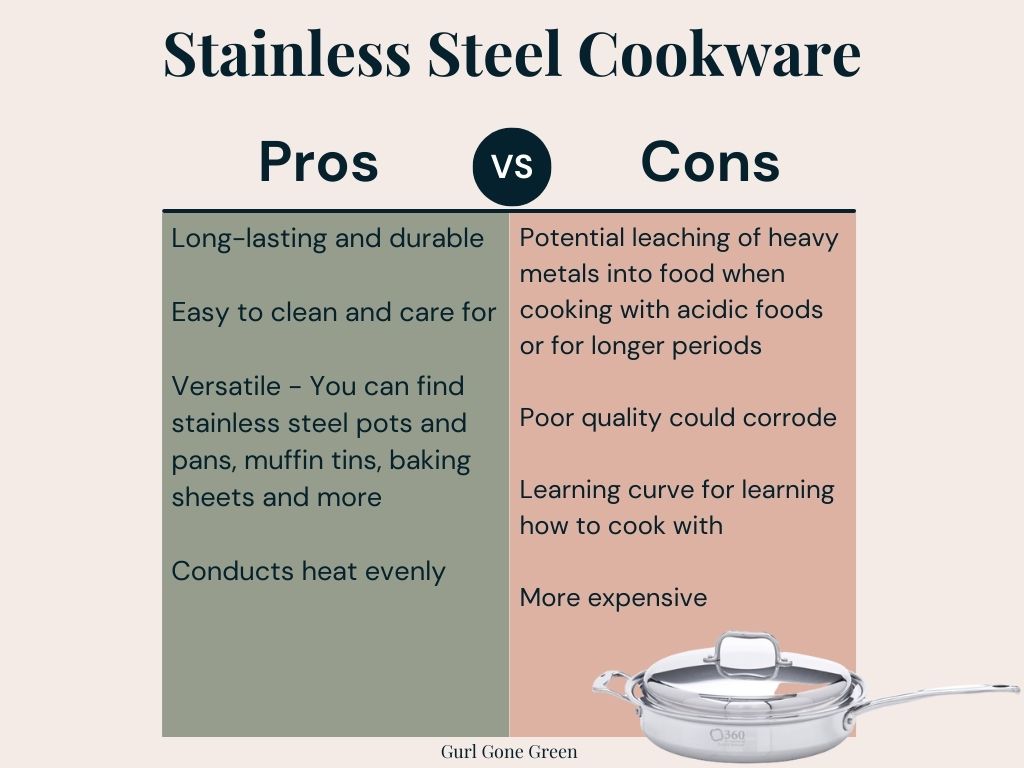
Figment cookware mainly uses a combination of metals and coatings designed for durability and safe cooking. The base material is usually stainless steel, known for its strength and resistance to rust. Some Figment products also use aluminum cores for better heat distribution. This mix helps the cookware heat evenly and last longer.
The cooking surface often features a non-stick coating. Figment uses a type of ceramic-based coating instead of traditional Teflon. Ceramic coatings are popular because they are free from harmful chemicals like PFOA and PTFE.
- Stainless Steel: Durable, rust-resistant, and safe for cooking.
- Aluminum Core: Provides even heat spread across the pan.
- Ceramic Non-Stick Coating: Chemical-free, easy to clean, and heat resistant.
Here is a simple table summarizing the materials:
| Material | Purpose | Benefits |
|---|---|---|
| Stainless Steel | Cookware body | Durable, corrosion-resistant |
| Aluminum Core | Heat conduction | Even heating, lightweight |
| Ceramic Coating | Non-stick surface | Non-toxic, easy cleaning |
The materials used show Figment focuses on safety and performance. No heavy metals or harmful chemicals are part of the main composition.
Non-toxic Claims
Figment cookware promotes itself as a non-toxic cooking solution. The brand states that their ceramic coatings are free from chemicals linked to health risks. This means no PFOA (Perfluorooctanoic acid), PTFE (Polytetrafluoroethylene), or lead in their products. These substances often cause concern in traditional non-stick pans.
The ceramic coating used by Figment is made from natural minerals. It offers a smooth surface that does not peel or release fumes at high cooking temperatures. This makes cooking safer for families and reduces the risk of ingesting harmful substances.
- No PFOA or PTFE in the non-stick layer
- Free from heavy metals like lead and cadmium
- Oven-safe without coating damage up to recommended temperatures
- Scratch-resistant surface helps maintain safety over time
Independent tests often show that Figment cookware does not emit toxic fumes even at high heat. The brand’s commitment to safety appeals to health-conscious buyers. Users can cook with confidence knowing their cookware meets strict safety standards.
Here is a quick checklist of Figment’s non-toxic features:
- Ceramic coating without harmful chemicals
- Stainless steel body free from toxic metals
- Durability that prevents coating wear and toxin release
- Safe temperature limits clearly stated by the manufacturer
These points ensure Figment cookware is a safe choice for everyday cooking. The focus on non-toxic materials aligns with modern kitchen safety trends.
Credit: gurlgonegreen.com
Health Concerns
Health concerns often arise when choosing cookware. Many people worry about toxins that might leach into food during cooking. Figment Cookware is no exception. Understanding its safety helps users make informed choices. This section focuses on key health concerns related to Figment Cookware.
Potential Chemical Exposure
Cookware materials can release chemicals when heated. These chemicals may affect health over time. Figment Cookware uses non-stick surfaces, which sometimes contain compounds that break down at high temperatures. Knowing what chemicals might be involved is important.
Possible chemical exposures include:
- Perfluorooctanoic acid (PFOA) – used in older non-stick coatings, linked to health risks.
- Polytetrafluoroethylene (PTFE) – common in non-stick pans, safe below 260°C (500°F).
- Other synthetic chemicals – vary by product and manufacturing process.
Figment Cookware claims to use PFOA-free coatings. This reduces some health risks. Still, overheating any non-stick pan can cause fumes that irritate the lungs. Users should avoid cooking above recommended temperatures.
| Chemical | Risk Level | Safe Use Tips |
|---|---|---|
| PFOA | High (if present) | Use PFOA-free cookware |
| PTFE | Low (under 260°C) | Do not overheat pan |
| Other Chemicals | Varies | Check manufacturer details |
Heavy Metals And Coatings
Heavy metals in cookware can cause serious health issues. Metals like lead, cadmium, and nickel may contaminate food if coatings wear off. Figment Cookware uses metal bases and coatings designed to prevent metal leaching.
Key facts about metals and coatings in Figment Cookware:
- Aluminum base: Lightweight and heats well, usually anodized or coated to block metal transfer.
- Non-stick coating: Acts as a barrier to prevent metals from reaching food.
- Durability: Proper care extends coating life and reduces metal exposure risk.
Some users worry about trace metals in cheaper pans. Figment cookware undergoes quality checks to meet safety standards. Avoid using metal utensils that can scratch coatings. Scratches may expose the metal base, increasing risk.
| Metal | Possible Health Effects | Prevention Tips |
|---|---|---|
| Lead | Neurological damage | Avoid damaged cookware |
| Cadmium | Kidney problems | Choose certified products |
| Nickel | Allergic reactions | Use non-scratch utensils |
Safety Testing And Certifications
When choosing cookware, safety is a top priority. Many ask, Is Figment Cookware Toxic? Understanding the safety testing and certifications behind Figment Cookware helps answer this. This cookware goes through strict checks to ensure it poses no health risks. Safety testing and certifications show how Figment meets quality and health guidelines.
Third-party Lab Results
Figment Cookware undergoes testing by independent labs. These labs check for harmful chemicals and toxins in the materials. Tests focus on substances like lead, cadmium, PFOA, and PFAS, common concerns in non-stick cookware.
- Results show Figment Cookware contains no detectable levels of lead or cadmium.
- Non-stick surfaces tested free from PFOA and PFAS chemicals.
- Heat resistance and durability also confirmed under high temperatures.
Below is a summary of key lab test results:
| Test | Result | Safety Limit |
|---|---|---|
| Lead Content | Not detected | < 0.1 ppm |
| Cadmium Content | Not detected | < 0.1 ppm |
| PFOA/PFAS | None detected | 0 ppm |
| Heat Stability | Passed up to 450°F | Minimum 400°F |
These results confirm Figment Cookware meets strict safety standards. Tests by unbiased labs provide confidence in the product’s safety for everyday cooking.
Industry Standards
Figment Cookware meets several key industry standards. These standards protect consumers from toxic materials and unsafe cookware design. Meeting these rules means Figment cookware is safe and reliable.
Important standards Figment complies with include:
- FDA Food Contact Compliance: Ensures materials are safe for cooking and do not release harmful substances into food.
- LFGB Certification (Germany): A strict European test confirming no toxic or harmful chemicals leach from cookware.
- Prop 65 (California): Shows Figment does not contain chemicals known to cause cancer or reproductive harm.
- ISO 9001 Quality Management: Confirms consistent manufacturing quality and safety processes.
These certifications guarantee Figment Cookware is tested under strict rules. They protect users from exposure to toxins and unsafe materials.
Summary table of certifications:
| Certification | Purpose | Region |
|---|---|---|
| FDA Food Contact | Safe materials for food contact | USA |
| LFGB | Non-toxic, safe for food use | Europe (Germany) |
| Prop 65 | No harmful chemicals | California, USA |
| ISO 9001 | Quality management system | Global |
Figment’s adherence to these standards supports its reputation as a safe cookware choice. Buyers can trust it to meet health and safety expectations.

Credit: www.youtube.com
User Experiences
User experiences provide valuable insight into whether Figment cookware is toxic or safe for everyday cooking. Many buyers share their real-life opinions after using the product for weeks or months. These experiences help identify any health concerns and the overall satisfaction with the cookware. Understanding both positive feedback and reported problems gives a clearer picture of Figment’s safety.
Customer Reviews
Many customers praise Figment cookware for its non-stick surface and ease of cleaning. Users often mention that the pans heat evenly and food does not stick, making cooking simpler and healthier. Some key points from customer reviews include:
- Non-toxic claims: Several users state the cookware feels safe and free from harmful chemicals.
- Durability: Many reviews highlight that the pans last long without peeling or scratching.
- Design: Customers appreciate the lightweight design and comfortable handles.
Here is a summary table of common themes from customer reviews:
| Aspect | Positive Feedback | Negative Feedback |
|---|---|---|
| Non-Toxic Safety | Users feel confident cooking without toxins | Few unsure about chemical coatings |
| Cooking Performance | Even heating and good non-stick quality | Some report minor sticking after months |
| Cleaning & Maintenance | Easy to clean, dishwasher safe | Occasional discoloration with heavy use |
Overall, most customers find Figment cookware safe and effective. The positive reviews focus on cooking quality and peace of mind regarding toxins.
Reported Issues
A smaller group of users report concerns that deserve attention. Some experienced issues that could affect the cookware’s safety and lifespan. These include:
- Peeling coating: Some users noticed the non-stick layer started peeling after several months.
- Chemical smell: A few reported a slight odor when heating the pan, raising toxicity worries.
- Scratches and wear: Heavy use with metal utensils caused scratches exposing the base material.
The following table lists reported issues and possible risks:
| Issue | Potential Risk | User Advice |
|---|---|---|
| Peeling Coating | Possible ingestion of flakes | Stop use and replace cookware |
| Chemical Smell | Inhalation of fumes | Ventilate kitchen, avoid high heat |
| Scratches | Exposure to metal base material | Use silicone or wooden utensils |
These issues suggest careful use is important to avoid toxicity risks. Proper cleaning and avoiding metal tools help maintain safety.
Comparing Figment To Other Brands
Choosing the right cookware matters for health and kitchen safety. Comparing Figment cookware to other brands helps you see how it stands in toxicity and durability. Many brands claim to be safe, but not all meet the same standards. Understanding these differences guides you to safer cooking choices.
Toxicity Levels
Figment cookware is designed to be free from harmful chemicals. It does not contain PFOA, PFAS, lead, or cadmium, which are common toxins in some cookware. These chemicals can leach into food, causing health risks over time.
Other popular brands may vary in their chemical safety. Some use non-stick coatings with questionable ingredients. Here is a quick comparison:
| Brand | PFOA Free | PFAS Free | Lead & Cadmium Free |
|---|---|---|---|
| Figment | Yes | Yes | Yes |
| Brand A | Yes | No | Yes |
| Brand B | No | No | No |
| Brand C | Yes | Yes | No |
Figment ranks high for toxin-free construction. Its materials meet strict safety requirements. This reduces health risks during cooking.
- Non-toxic coating prevents harmful fumes.
- Safe at high temperatures up to 500°F.
- Does not release metals into food.
Choosing cookware with low toxicity protects your family from long-term health issues.
Durability And Safety
Figment cookware balances strength and safety well. It uses thick aluminum cores for even heat. This prevents hot spots and burning. The non-stick layer is scratch-resistant but gentle on utensils.
Compared to other brands, Figment offers:
- Long-lasting non-stick surface: Maintains quality after many uses.
- Oven safe up to 450°F: Suitable for various cooking styles.
- Ergonomic handles: Stay cool and provide a firm grip.
Many brands have coatings that peel or degrade quickly. Figment’s surface resists flaking and cracking, keeping food safe and cooking easier.
| Feature | Figment | Brand A | Brand B |
|---|---|---|---|
| Non-stick durability | High | Medium | Low |
| Oven safe temperature | 450°F | 350°F | 400°F |
| Handle safety | Cool-touch | Heat up quickly | Cool-touch |
Safety features reduce burns and accidents. Figment’s design focuses on user comfort and reliability. Its durability means less frequent replacement, saving money and reducing waste.
Tips For Safe Cookware Use
Using Figment cookware safely means knowing how to take care of it and avoid any health risks. This section shares simple tips to keep your cookware in good shape and prevent toxic problems. Safe use helps you enjoy cooking without worry.
Proper Maintenance
Proper maintenance extends the life of Figment cookware and keeps it safe for daily use. Follow these basic steps to maintain your pots and pans:
- Clean after every use: Wash with warm, soapy water and a soft sponge.
- Avoid harsh scrubbing: Do not use steel wool or abrasive pads that can damage the surface.
- Dry completely: Wipe dry with a cloth or air dry to prevent rust and stains.
- Season if needed: Some Figment cookware benefits from light oiling to keep non-stick qualities.
- Store carefully: Use pan protectors or cloth between stacked cookware to avoid scratches.
Here is a quick guide for cleaning and care:
| Maintenance Task | Recommended Action | Why It Matters |
|---|---|---|
| Cleaning | Warm water, mild soap, soft sponge | Prevents buildup and keeps surface smooth |
| Drying | Wipe dry or air dry fully | Stops rust and water spots |
| Storage | Use separators between pans | Avoids scratches and dents |
Stick to these steps to keep your Figment cookware working well. Damaged surfaces can cause food to stick and may reduce the cookware’s safety.
Avoiding Toxicity Risks
Figment cookware is generally safe but can pose risks if misused or damaged. Follow these tips to avoid toxicity:
- Do not overheat: High heat can break down coatings and release harmful chemicals.
- Replace damaged cookware: Scratched or peeling surfaces may leach toxins into food.
- Use recommended utensils: Wooden, silicone, or plastic utensils prevent surface damage.
- Avoid cooking acidic foods long-term: Acid can wear down coatings faster.
- Check product labels: Confirm the cookware meets safety standards for materials used.
Remember these safety tips:
- Keep heat moderate to protect non-stick surfaces.
- Inspect cookware regularly for signs of wear.
- Use cookware only for its intended purpose.
Below is a quick comparison of safe versus unsafe practices:
| Practice | Safe | Unsafe |
|---|---|---|
| Heating | Medium or low heat | High heat without food |
| Utensils | Wood, silicone, plastic | Metal or sharp tools |
| Cookware Condition | Intact coating | Scratched, chipped, or peeling |
Following these tips protects your health and keeps Figment cookware safe to use. Careful use ensures you cook tasty meals without risk.
Frequently Asked Questions
Is Figment Cookware Safe For Daily Cooking?
Yes, Figment cookware is safe for daily use. It is made from non-toxic materials. The brand ensures no harmful chemicals leach into food during cooking.
Does Figment Cookware Contain Harmful Chemicals?
No, Figment cookware does not contain harmful chemicals. It is free from PFOA, PTFE, and lead. This makes it a healthier choice for your kitchen.
Can Figment Cookware Cause Health Issues?
Figment cookware is designed to avoid health risks. Its non-toxic surface prevents chemical exposure. Using it properly reduces any chance of health problems.
How To Clean Figment Cookware Safely?
Clean Figment cookware with mild soap and a soft sponge. Avoid abrasive cleaners or steel wool to preserve the non-stick surface. Proper cleaning extends its lifespan and maintains safety.
Conclusion
Figment cookware does not show signs of being toxic. It uses safe materials suitable for daily cooking. Many users report good experiences without health issues. Cooking with Figment feels reliable and worry-free. Always follow the care instructions to keep it safe.
Choose cookware that supports your health and kitchen needs. Safe cooking starts with the right tools. Figment cookware can be a solid choice for many homes. Trust your instincts and stay informed. Clean, cook, and enjoy your meals safely.

Hello, This is Annie Walker, a 38-year-old blogger, founder, and editor of Cookware Guider from NY, USA. I am a cookware fanatic and passionate cooker. I love to cook with different types of cooking appliances (example: all types of cookware, rice cookers, slow cookers, etc) almost every day in my kitchen. I love to share my experience with my readers in my blog. Also, I enjoy helping people to solve their problems through my website. You can follow me on Twitter & Pinterest. To know details about my blog please check the about us page.