
Are you wondering if iron cookware is safe to use every day? You might have heard different opinions, and it’s natural to feel unsure.
After all, you want to cook healthy meals without risking your well-being. The good news is, iron cookware has been trusted for centuries, but there are some important facts you need to know. Keep reading to discover how iron pots and pans can affect your health, what benefits they offer, and simple tips to use them safely in your kitchen.
By the end, you’ll feel confident about whether iron cookware is the right choice for you.
Credit: nutritionfacts.org
Health Benefits Of Iron Cookware
Iron cookware has been used for centuries and remains popular today. Many people wonder if it is safe and what health benefits it offers. Using iron pots and pans can actually add iron to your diet, which is a vital mineral for the body. Iron supports healthy blood and energy levels. Cooking with iron cookware can be a simple way to increase iron intake naturally. Besides durability and cooking quality, iron cookware offers nutritional advantages that other materials do not provide.
Iron Leaching And Nutritional Impact
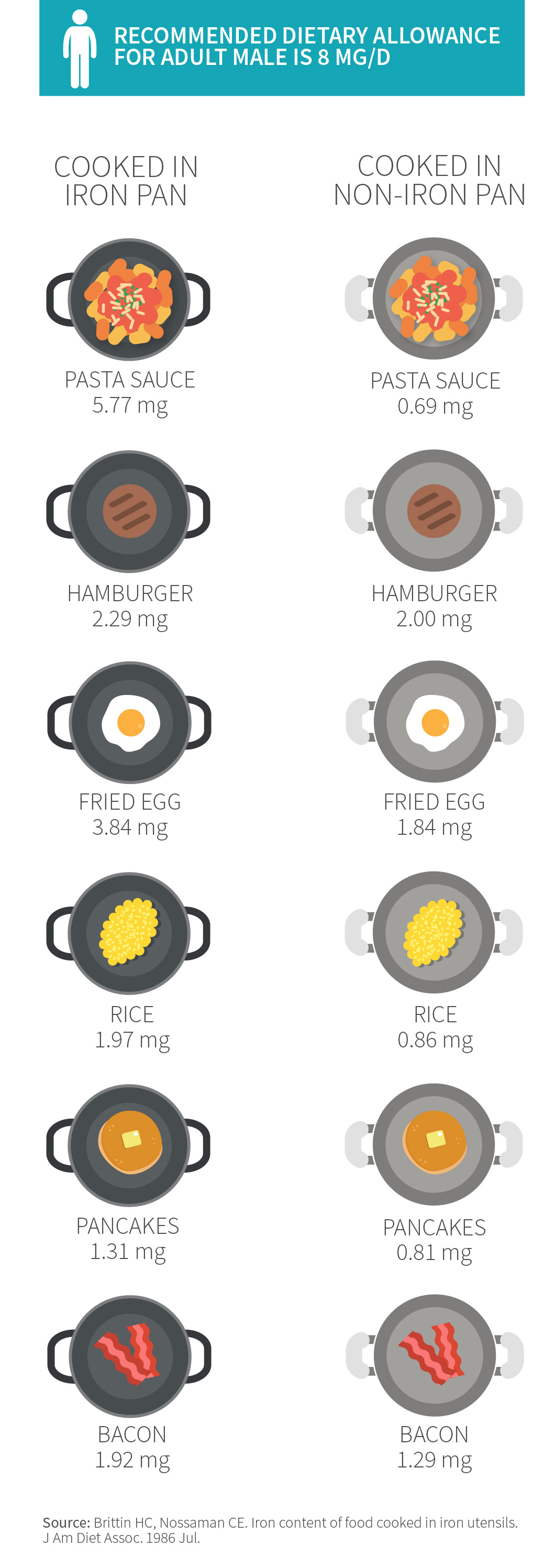
When cooking with iron cookware, small amounts of iron naturally transfer from the pan to the food. This process is called iron leaching. It is generally safe and can help improve iron levels in the body, especially for people with iron deficiency.
Here are key points about iron leaching:
- Acidic foods like tomato sauce increase iron transfer.
- Cooking longer raises iron content in meals.
- Dry or oily foods leach less iron.
- Seasoning the pan can reduce leaching slightly.
Iron from cookware is mostly non-heme iron, a type of iron from plant-based sources. This type is less easily absorbed than heme iron from meat but still contributes to daily iron needs.
| Food Type | Iron Leached (mg per 100g) | Notes |
|---|---|---|
| Tomato Sauce | 5.7 | High acidity increases iron content |
| Eggs | 2.3 | Moderate iron transfer |
| Dry Rice | 0.5 | Low iron leaching |
This extra iron can help prevent anemia and improve energy. It is especially helpful for children, pregnant women, and people with low iron levels.
Comparing Iron Cookware To Other Materials
Iron cookware stands out for its health benefits compared to other common materials. Here is a quick look at how iron compares:
| Cookware Material | Health Impact | Durability | Maintenance |
|---|---|---|---|
| Cast Iron | Adds iron to food; no harmful chemicals | Very durable, can last decades | Requires seasoning and drying to avoid rust |
| Stainless Steel | Neutral; no metal leaching | Durable and rust-resistant | Easy to clean |
| Non-stick (Teflon) | May release chemicals if overheated | Less durable; coating can wear off | Use gentle tools to avoid scratching |
| Aluminum | Some leaching; may affect taste | Lightweight but dents easily | May need anodizing for safety |
Iron cookware is unique because it offers a natural source of dietary iron. Other materials do not provide this benefit. Its toughness means it improves with use. The need for seasoning and care is a small trade-off for the health and cooking advantages.
Potential Risks Of Using Iron Cookware
Iron cookware is popular for its durability and cooking benefits. It can add iron to food, which some people need. But there are also potential risks of using iron cookware. Knowing these risks helps you use it safely and enjoy its advantages.
Excess Iron Intake Concerns
Iron cookware can release iron into the food during cooking. This can be helpful for people with low iron levels. Yet, too much iron can be harmful. Some people have a condition called hemochromatosis. It makes the body absorb too much iron from food. For them, extra iron from cookware can cause health problems.
Excess iron intake may lead to:
- Fatigue and weakness
- Joint pain
- Organ damage, especially to the liver and heart
- Stomach pain and nausea
People at risk should monitor their iron levels. Iron from cookware usually adds only a small amount. The amount depends on:
- Food acidity (more acid means more iron release)
- Cooking time (longer cooking releases more iron)
- Condition of the pan (new or rusty pans release more iron)
| Factor | Effect on Iron Release |
|---|---|
| Acidic Foods (tomato, lemon) | High iron release |
| Neutral Foods (rice, pasta) | Low iron release |
| New Pan | More iron released |
| Well-Seasoned Pan | Less iron released |
Tip: Use iron cookware carefully if you have health issues related to iron. Otherwise, it is generally safe.
Rust And Contamination Issues
Iron cookware can develop rust if not cared for properly. Rust is iron oxide, which is not harmful in small amounts. Still, eating rust regularly is not good. Rusty pans can affect food taste and texture. They may also contaminate food with unwanted particles.
Rust forms because iron reacts with water and oxygen. Moisture left on the pan after washing causes rust. Scratches on the pan surface make rust worse. To avoid rust and contamination, follow these steps:
- Dry the pan immediately after washing
- Apply a thin layer of oil after drying
- Store in a dry place
- Avoid soaking the pan for long periods
- Use a soft scrubber to clean, not steel wool
If rust appears, clean it before cooking:
- Scrub the rust with a mixture of salt and lemon
- Rinse and dry thoroughly
- Re-season the pan with oil
Proper care keeps iron cookware safe and extends its life. Rust and contamination are avoidable with simple habits.
Proper Use And Maintenance
Iron cookware offers durability and excellent heat retention, making it a popular choice in many kitchens. Proper use and maintenance keep iron pans safe and extend their lifespan. Handling iron cookware with care prevents rust, maintains seasoning, and ensures food cooks evenly. Knowing how to season and clean iron cookware correctly helps avoid damage and preserves its natural non-stick surface.
Seasoning Techniques
Seasoning builds a protective layer on iron cookware. This layer stops rust and creates a natural non-stick surface. Proper seasoning improves with use and care. Follow these steps to season your iron cookware effectively:
- Clean the pan: Wash with warm water and mild soap, then dry completely.
- Apply oil: Use a thin layer of vegetable oil, flaxseed oil, or shortening on the entire surface.
- Heat the pan: Place it upside down in an oven at 375°F (190°C) for 1 hour. Put foil below to catch drips.
- Cool down: Let the pan cool in the oven before removing.
Repeat seasoning several times for a stronger coating. Avoid thick oil layers; they cause sticky surfaces. Seasoning protects against moisture and rust.
| Step | Action | Tip |
|---|---|---|
| 1 | Clean and dry pan | Use warm water and mild soap |
| 2 | Apply oil | Thin, even layer works best |
| 3 | Heat in oven | 375°F for 1 hour, upside down |
| 4 | Cool down | Leave in oven before use |
Cleaning Tips To Prevent Damage
Cleaning iron cookware right keeps it safe and long-lasting. Avoid harsh chemicals and scrubbing with steel wool. These damage the seasoning layer and cause rust. Follow these cleaning tips:
- Clean after use: Wash with hot water and a soft brush or sponge.
- Use mild soap: Small amounts are okay but avoid strong detergents.
- Remove stuck food: Boil water in the pan to loosen bits, then wipe gently.
- Dry immediately: Use a cloth or low heat on the stove to remove all moisture.
- Re-oil surface: After drying, apply a light coat of oil to keep the seasoning intact.
Never soak iron cookware in water for long periods. This causes rust quickly. Store in a dry place. Use paper towels inside pans to absorb moisture if needed.
| Do’s | Don’ts |
|---|---|
| Wash with warm water and soft brush | Use steel wool or harsh scrubbing pads |
| Dry immediately after washing | Leave wet or soak in water |
| Lightly oil after cleaning | Use strong detergents or dishwasher |
Credit: examine.com
Choosing The Right Iron Cookware
Choosing the right iron cookware is important for safe and effective cooking. Iron pots and pans come in different types, each with benefits and care needs. Knowing the differences helps pick cookware that fits your kitchen and health preferences. Quality also matters. Good iron cookware lasts long and cooks evenly. This section explains how to choose iron cookware by comparing cast iron and enameled iron, and by spotting signs of quality.
Cast Iron Vs. Enameled Iron
Cast iron and enameled iron are two popular types of iron cookware. Both have unique features that suit different cooking styles and needs.
- Cast Iron: Made from pure iron, cast iron cookware is heavy and very durable. It heats evenly and retains heat well, making it great for frying, baking, and slow cooking.
- Enameled Iron: This cookware has a smooth, glass-like coating over cast iron. The enamel prevents rust and does not need seasoning. It is easier to clean but can chip if dropped.
Here is a quick comparison:
| Feature | Cast Iron | Enameled Iron |
|---|---|---|
| Weight | Heavy | Heavy but slightly lighter than cast iron |
| Maintenance | Needs seasoning to prevent rust | No seasoning needed, easier to clean |
| Non-stick | Develops natural non-stick over time | Non-stick surface due to enamel coating |
| Durability | Very durable, can last generations | Durable but enamel can chip |
| Reactivity | Can react with acidic foods | Non-reactive, safe for all foods |
Cast iron is best for those who enjoy hands-on cookware care and want a natural cooking surface. Enameled iron suits users wanting easy cleaning and no seasoning. Both types add iron to food, which can be a health benefit.
Signs Of Quality Iron Cookware
Good iron cookware performs well and lasts many years. Look for these signs to ensure quality:
- Weight and Thickness: Quality iron cookware feels heavy for its size. Thick walls and base distribute heat evenly and prevent warping.
- Smooth Surface: Cast iron should have a smooth, slightly textured surface. Avoid pans with rough bumps or casting flaws.
- Even Edges: Check edges for uniformity. Uneven or sharp edges may mean poor manufacturing.
- Brand Reputation: Trusted brands have better quality control and warranties. Research user reviews before buying.
- Proper Coating (Enameled Iron): The enamel should be thick and smooth with no cracks or bubbles. Poor coating chips easily.
Use this table as a quick checklist:
| Quality Feature | What to Look For |
|---|---|
| Weight | Heavy and solid feel |
| Surface | Smooth, no rough spots or pits |
| Edges | Even and well-finished |
| Brand | Good reviews and warranty |
| Enamel Coating | Thick, smooth, no cracks |
Choosing iron cookware with these signs ensures better cooking results and safer use. Quality pans heat well, last longer, and provide a good cooking experience.
Credit: www.sunnexproducts.com
Frequently Asked Questions
Is Iron Cookware Safe For Daily Cooking?
Yes, iron cookware is safe for daily use. It adds small amounts of iron to food, which can benefit health. Avoid cooking highly acidic foods frequently to prevent seasoning damage and metallic taste.
Can Iron Cookware Cause Iron Overdose?
No, iron cookware does not cause iron overdose. The iron transferred to food is minimal and safe for most people. Those with hemochromatosis should consult a doctor before regular use.
Does Iron Cookware Release Harmful Chemicals?
Iron cookware does not release harmful chemicals. Unlike non-stick pans, it contains no synthetic coatings or toxins. Proper seasoning prevents rust and ensures safe cooking.
How Do I Maintain Iron Cookware Safely?
Clean iron cookware with warm water and a brush; avoid soap. Dry immediately and apply a thin oil layer to prevent rust. Proper care maintains safety and durability.
Conclusion
Iron cookware offers many benefits for everyday cooking. It heats evenly and can last for years with care. Some worry about iron leaching, but it usually helps boost iron intake. Cleaning and seasoning keep it safe and non-stick. Use it right, and it stays a healthy choice.
Many chefs and home cooks trust iron pans for simple, tasty meals. Choose iron cookware confidently and enjoy cooking with it often.

Hello, This is Annie Walker, a 38-year-old blogger, founder, and editor of Cookware Guider from NY, USA. I am a cookware fanatic and passionate cooker. I love to cook with different types of cooking appliances (example: all types of cookware, rice cookers, slow cookers, etc) almost every day in my kitchen. I love to share my experience with my readers in my blog. Also, I enjoy helping people to solve their problems through my website. You can follow me on Twitter & Pinterest. To know details about my blog please check the about us page.