
Are you wondering if nylon cookware is safe to use for your everyday cooking? With so many options in the kitchen, choosing the right tools can feel confusing.
You want cookware that won’t harm your health and will last through countless meals. But how does nylon hold up when it comes to safety and durability? You’ll discover the facts about nylon cookware, what makes it different, and what you should watch out for.
Keep reading to make sure your kitchen stays both safe and stylish.
Credit: www.walmart.com
Nylon In Cookware
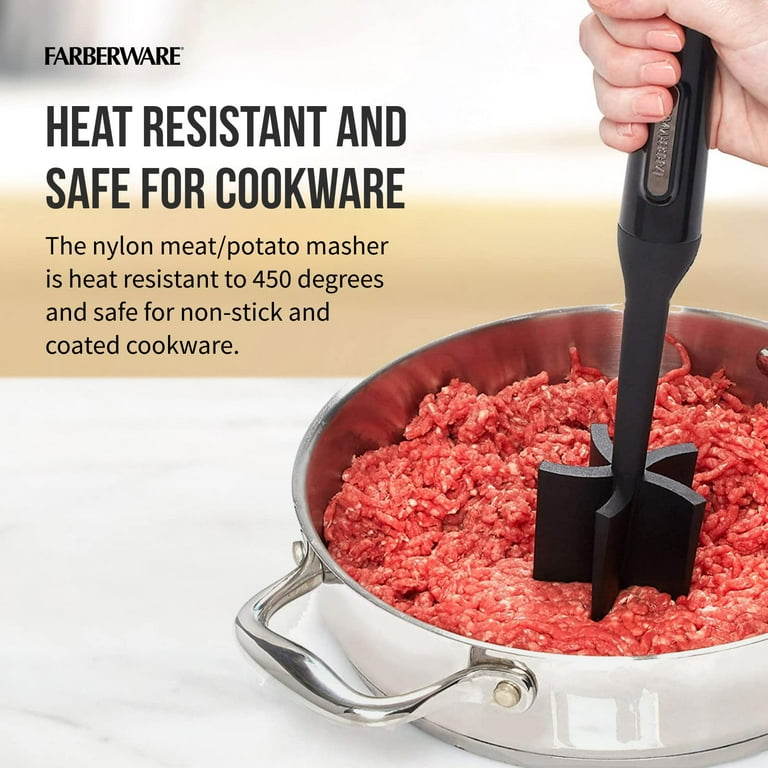
Nylon is a popular material in many kitchen tools and cookware accessories. It is known for its strength, heat resistance, and flexibility. But is nylon cookware safe? Understanding nylon’s role in cookware helps answer this question. Nylon is often used for parts like spatulas, tongs, and lids. These items must handle heat and contact food without melting or releasing harmful substances. Nylon in cookware offers a good balance of durability and safety when made from the right type of nylon.
Types Of Nylon Used
Different types of nylon exist, but only a few are suitable for cookware. The most common types are Nylon 6 and Nylon 6,6. These types have good heat resistance and strength.
- Nylon 6: Made from caprolactam, it has a melting point around 220°C (428°F). It is flexible and has good impact resistance.
- Nylon 6,6: Made from hexamethylene diamine and adipic acid, it melts at about 260°C (500°F). It is stronger and more heat resistant than Nylon 6.
Cookware parts often use heat-stabilized nylon. This means additives are mixed into the nylon to improve its resistance to high temperatures. This reduces the chance of melting or warping during cooking.
| Type of Nylon | Melting Point | Common Use in Cookware |
|---|---|---|
| Nylon 6 | ~220°C (428°F) | Spatulas, brushes, lids |
| Nylon 6,6 | ~260°C (500°F) | Tongs, cooking spoons, utensils |
Choosing the right nylon type is important for safety. Nylon used in cookware must meet food safety standards. These standards ensure no harmful chemicals leach into food during cooking.
Common Applications
Nylon appears in many kitchen tools and cookware parts. It is favored because it does not scratch non-stick surfaces. It also handles heat well, but only up to certain temperatures.
- Utensils: Spatulas, spoons, and tongs often use nylon heads. These tools can safely touch hot pans without damage.
- Lid Handles and Knobs: Nylon offers heat resistance and durability for these parts.
- Steaming Baskets: Some steamers use nylon components due to their strength and water resistance.
Nylon cookware parts should not be exposed to direct flame or temperatures above 260°C (500°F). At high heat, nylon can melt or release fumes. Always use nylon tools within their safe temperature range.
Many cooks prefer nylon tools because they:
- Protect cookware surfaces from scratches.
- Resist stains and odors.
- Are lightweight and easy to handle.
- Are dishwasher safe in many cases.
In summary, nylon is common in kitchenware due to its useful properties. Its safety depends on the nylon type and how it is used during cooking.

Credit: www.martinispa.com
Heat Resistance
Heat resistance is a key factor in deciding if nylon cookware is safe. This property shows how well nylon can handle hot cooking conditions without melting or releasing harmful substances. Nylon is a type of plastic often used for kitchen tools like spatulas and spoons. Understanding its heat limits helps avoid damage and health risks during cooking.
Melting Points
Nylon has a specific melting point that determines its ability to stay solid under heat. The melting point is the temperature at which nylon changes from solid to liquid. Most types of nylon used in cookware melt between 220°C to 270°C (428°F to 518°F). This range depends on the nylon type and its chemical structure.
- Nylon 6: Melts around 220°C (428°F)
- Nylon 6,6: Melts around 265°C (509°F)
- Other blends: May vary slightly but stay close to this range
Because nylon melts at high temperatures, it is safe for many cooking tasks. It does not easily deform under regular stove heat. Yet, direct contact with very hot surfaces can cause melting or warping.
| Nylon Type | Melting Point (°C) | Melting Point (°F) |
|---|---|---|
| Nylon 6 | 220 | 428 |
| Nylon 6,6 | 265 | 509 |
Safe Temperature Limits
Safe temperature limits for nylon cookware are usually lower than the melting point. This limit is the highest temperature nylon can handle without breaking down or releasing chemicals. Most nylon kitchen tools are safe up to around 200°C (392°F). Cooking above this can cause damage or release harmful fumes.
Key points about safe temperature limits:
- Maximum safe use: Usually 200°C (392°F)
- Avoid direct flame: Nylon can melt if touching open flames or very hot pans
- Use on low to medium heat: Keeps nylon tools intact and safe
- Check manufacturer instructions: Some nylon products have specific limits
Exceeding safe temperatures can cause nylon to:
- Warp or melt
- Release unpleasant odors
- Emit toxic fumes harmful to health
Using nylon utensils below 200°C keeps them safe. They last longer and do not affect food quality. Avoid leaving nylon cookware in hot pans or ovens above the recommended temperature.
Chemical Safety
Chemical safety is a key concern when choosing nylon cookware. Nylon is a synthetic material often used in kitchen tools and cookware parts. Many wonder if nylon releases harmful chemicals during cooking. Understanding the chemical risks helps make better choices for health and safety.
Potential Toxins
Nylon cookware can release chemicals if exposed to very high heat. The main worry is about melting or degradation of nylon. When nylon breaks down, it might emit substances that could be harmful. Common potential toxins include:
- Caprolactam: Used in nylon production, it can cause irritation if inhaled in large amounts.
- Volatile Organic Compounds (VOCs): Released during overheating, may cause respiratory issues.
- Microplastics: Tiny nylon particles could mix with food if the material degrades.
Cooking with nylon tools at recommended temperatures usually avoids these risks. Most nylon utensils are safe below 400°F (204°C). High heat or open flames can cause melting and chemical release.
| Risk | Cause | Health Effect | Prevention |
|---|---|---|---|
| Caprolactam Exposure | Nylon melting or degradation | Irritation to eyes and lungs | Avoid overheating nylon cookware |
| VOCs Emission | Overheating nylon tools | Respiratory discomfort | Use nylon only at safe temperatures |
| Microplastic Contamination | Wear and tear of nylon surface | Unknown long-term effects | Replace damaged nylon cookware |
Fda And Regulatory Standards
The U.S. Food and Drug Administration (FDA) regulates nylon used in cookware. The FDA requires materials to be safe for food contact. Nylon meets strict guidelines before approval.
Key points about FDA and nylon cookware:
- Safe temperature limits: FDA sets maximum heat levels for nylon use.
- Non-toxic materials: Nylon formulations must not release harmful chemicals.
- Testing procedures: Products undergo migration and toxicity tests.
Many nylon kitchen tools carry FDA approval or certification. This means they passed safety checks for chemical release. Consumers should choose nylon cookware labeled as FDA compliant.
Other countries may have similar rules. The European Food Safety Authority (EFSA) and other agencies monitor nylon safety. Look for products that meet international standards.
| Agency | Focus Area | Requirements |
|---|---|---|
| FDA (USA) | Food contact safety | Non-toxic, stable under heat, migration limits |
| EFSA (Europe) | Food contact materials | Chemical safety, testing, labeling |
| Health Canada | Food contact safety | Material safety, migration limits |
Durability And Wear
Nylon cookware is popular for its lightweight design and non-stick surface. Understanding its durability and wear helps decide if it fits your kitchen needs. Nylon is a synthetic material that resists heat and chemicals well. Still, frequent cooking tasks can affect its performance and lifespan. This section examines how nylon cookware holds up over time, focusing on scratches and signs of wear.
Scratches And Degradation
Nylon utensils and cookware can develop scratches from regular use. These scratches may seem minor but impact the cookware’s surface quality. Over time, small grooves form, which can trap food and make cleaning harder. Scratches also reduce the non-stick effect, causing food to stick more often.
Common causes of scratches include:
- Using metal utensils instead of wood or silicone
- Stacking nylon cookware without protection
- Aggressive scrubbing with abrasive cleaners or pads
As scratches increase, the surface may weaken. This leads to degradation where the nylon material slowly breaks down. Degradation can cause:
- Loss of flexibility and increased brittleness
- Discoloration or dullness on the surface
- Small cracks or chips appearing
Below is a table showing how different factors impact nylon cookware wear:
| Factor | Effect on Nylon Cookware | Result |
|---|---|---|
| Metal utensils | Cause deep scratches | Reduced non-stick surface |
| Stacking without protection | Surface abrasion | Minor scratches and dullness |
| Abrasive cleaning | Material wears away slowly | Surface degradation and cracks |
Effect Of Prolonged Use
Continuous use affects nylon cookware’s safety and durability. Heat, oils, and food acids gradually change the material properties. Over months or years, nylon becomes less flexible and more prone to damage. This reduces its cooking efficiency.
Signs of prolonged use include:
- Surface discoloration or yellowing
- Warping or bending of utensils
- Increased stickiness or rough texture
- Small chips or cracks forming
Heat exposure is a major factor. Nylon melts at around 400°F (204°C), but long exposure to lower heat weakens it. Using nylon tools on very hot pans or grills speeds up wear.
Here is a summary of effects over time:
| Time of Use | Common Changes | Impact on Cooking |
|---|---|---|
| 0-6 months | Minimal scratches, good flexibility | Cookware performs well |
| 6-12 months | Surface dulls, slight warping possible | Non-stick effect reduces |
| 12+ months | Cracks, chips, discoloration | Cooking quality lowers, safety concerns rise |
Regular inspection helps spot wear early. Replace nylon cookware showing cracks or deep scratches. Choose gentle cleaning methods and use silicone or wooden utensils. This extends nylon cookware life and maintains safety in the kitchen.
Comparison With Other Materials
Is nylon cookware safe? It is important to compare nylon with other common materials. This helps you understand its benefits and risks. Nylon is popular because it resists heat and does not scratch non-stick pans. Yet, other materials like silicone and metal also have unique qualities. Comparing these options shows which works best for your kitchen needs.
Nylon Vs Silicone
Nylon and silicone are both used to make kitchen tools like spatulas and spoons. They resist heat but behave differently in some ways.
- Heat resistance: Silicone usually handles higher temperatures (up to 450°F) than nylon (up to 400°F).
- Flexibility: Silicone is softer and more flexible, making it good for scraping bowls and pans.
- Durability: Nylon is harder and less flexible, which helps with sturdier tasks but can melt if overheated.
- Safety: Both materials are generally safe for cooking when used properly. Silicone is often considered more inert and less likely to release chemicals at high heat.
Here is a quick comparison:
| Feature | Nylon | Silicone |
|---|---|---|
| Heat Resistance | Up to 400°F (204°C) | Up to 450°F (232°C) |
| Flexibility | Low | High |
| Durability | Good, but can melt if overheated | Very good, resists heat and cold |
| Non-stick Safe | Yes | Yes |
| Chemical Safety | Safe when used below melting point | Very safe and inert |
Summary: Nylon is good for firm cooking tasks but needs care to avoid melting. Silicone offers more heat resistance and flexibility, making it versatile and very safe.
Nylon Vs Metal Utensils
Nylon and metal utensils serve different purposes. Metal tools are strong and heat resistant but can damage cookware. Nylon is gentler on pans but less durable with heat.
- Cookware safety: Nylon protects non-stick and ceramic coatings better than metal.
- Heat tolerance: Metal withstands very high temperatures without damage.
- Durability: Metal lasts longer and does not melt or warp.
- Risk of scratching: Metal can scratch or chip delicate cookware surfaces.
- Cleaning: Both clean well, but metal can rust if not dried properly.
Check the table below for key differences:
| Feature | Nylon | Metal |
|---|---|---|
| Heat Resistance | Up to 400°F (204°C) | Unlimited |
| Cookware Safety | Safe for non-stick and ceramic | Can scratch and damage surfaces |
| Durability | Good but melts if overheated | Very high, no melting |
| Cleaning | Easy, dishwasher safe | Easy, but may rust if wet |
| Weight | Light | Heavy |
Summary: Nylon is best for protecting cookware surfaces and light use. Metal is ideal for heavy-duty cooking but can harm delicate pans.

Credit: www.martinispa.com
Best Practices For Use
Nylon cookware offers many benefits like being lightweight and gentle on non-stick surfaces. To keep using it safely and extend its life, follow some best practices for use. Proper handling and care ensure nylon utensils stay durable and free from damage. Understanding heat limits and cleaning methods helps avoid problems like melting or stains. Here are simple tips to use nylon cookware correctly and keep it in top shape.
Avoiding High Heat
Nylon cookware is not made to handle very high temperatures. Exposing it to heat above 400°F (204°C) can cause melting or warping. This damages the cookware and may release harmful chemicals. Use nylon utensils mostly for low to medium heat cooking.
Tips to avoid high heat problems:
- Use low or medium heat settings on stoves or cooktops.
- Avoid direct contact with open flames or heating elements.
- Do not leave nylon utensils in hot pans for long periods.
- Use silicone, wood, or metal tools if cooking at high heat.
| Heat Level | Safe to Use Nylon Cookware? | Recommended Tools |
|---|---|---|
| Low (up to 300°F / 149°C) | Yes | Nylon, Silicone, Wood |
| Medium (300-400°F / 149-204°C) | Generally Yes | Nylon, Silicone, Wood |
| High (above 400°F / 204°C) | No | Metal, Silicone, Wood (Avoid Nylon) |
Following these guidelines prevents damage and keeps nylon utensils safe for cooking.
Cleaning And Maintenance Tips
Proper cleaning keeps nylon cookware looking new and working well. Nylon is dishwasher safe, but hand washing is gentler and helps extend its life. Use mild soap and warm water for cleaning. Avoid harsh scrubbing pads that can scratch or wear down the surface.
Step-by-step cleaning guide:
- Rinse nylon utensils with warm water immediately after use.
- Apply mild dish soap to a soft sponge or cloth.
- Gently scrub the surface to remove food residues.
- Rinse well to remove all soap.
- Dry with a clean towel or air dry completely before storing.
Additional maintenance tips:
- Do not use abrasive cleaners like steel wool or harsh powders.
- Avoid soaking nylon utensils for long periods to prevent weakening.
- Store nylon tools separately to prevent bending or breaking.
- Inspect regularly for cracks or damage and replace if needed.
Good care practices keep nylon cookware safe and functional for years.
Frequently Asked Questions
Is Nylon Cookware Heat Resistant And Safe?
Nylon cookware is heat resistant up to 400°F (204°C). It is safe for most cooking tasks but avoid high heat to prevent melting or warping.
Can Nylon Cookware Release Harmful Chemicals?
Nylon cookware is generally safe and non-toxic. Proper use avoids chemical release; overheating above recommended temperatures may cause minor emissions.
How Does Nylon Cookware Compare To Metal Cookware?
Nylon is lightweight and non-scratch but less durable than metal. It’s best for non-stick surfaces and gentle cooking needs.
Is Nylon Cookware Dishwasher Safe?
Most nylon cookware is dishwasher safe, but hand washing extends its lifespan. Check manufacturer instructions for specific care guidelines.
Conclusion
Nylon cookware can be safe if used correctly and at low temperatures. Avoid heating it above its melting point to prevent harmful fumes. It works well for stirring and cooking non-stick foods gently. Always check for quality and food-grade nylon labels.
Clean it carefully to keep it in good shape. Nylon offers a lightweight and affordable option for many cooks. Choose tools that fit your cooking style and needs. Safety depends on how you use and care for your nylon cookware.

Hello, This is Annie Walker, a 38-year-old blogger, founder, and editor of Cookware Guider from NY, USA. I am a cookware fanatic and passionate cooker. I love to cook with different types of cooking appliances (example: all types of cookware, rice cookers, slow cookers, etc) almost every day in my kitchen. I love to share my experience with my readers in my blog. Also, I enjoy helping people to solve their problems through my website. You can follow me on Twitter & Pinterest. To know details about my blog please check the about us page.