
Are you worried about what’s really inside your kitchen tools? When it comes to nylon cookware, you might be asking yourself, “Is nylon cookware toxic?” You use these pots and utensils every day to prepare meals for yourself and your family.
So, knowing if they’re safe is important. This article will help you understand the truth about nylon cookware and what you need to watch out for. Keep reading to protect your health and make smart choices for your kitchen.
Nylon Cookware Basics
Nylon cookware has grown popular in many kitchens due to its lightweight and affordable nature. Understanding the basics of nylon cookware helps in deciding whether it is safe to use. This section explores the material and typical uses of nylon cookware, giving clear facts without confusion.
Material Composition
Nylon cookware is made from a type of plastic called nylon, a synthetic polymer. This material is created through chemical reactions that join smaller molecules into long chains. Here are key points about nylon’s composition:
- Thermoplastic nature: Nylon softens when heated and hardens when cooled.
- Heat resistance: It can usually withstand temperatures up to 400°F (204°C).
- Durability: Resistant to wear, scratches, and impact.
- Non-stick property: Naturally smooth surface helps prevent food from sticking.
The nylon used in cookware often includes additives to improve strength and heat tolerance. These additives can vary by brand but generally meet safety regulations. Below is a simple table comparing nylon with other common cookware materials:
| Material | Max Heat Tolerance | Durability | Non-stick Surface |
|---|---|---|---|
| Nylon | Up to 400°F (204°C) | Good resistance to wear | Yes |
| Silicone | Up to 500°F (260°C) | Flexible, less rigid | Yes |
| Metal (Stainless Steel) | Very high heat tolerance | Very durable | No |
Because nylon is plastic-based, it should never be used on very high heat or direct flame. Overheating can cause melting or release of chemicals. Proper use ensures safety and long-lasting cookware.
Common Uses
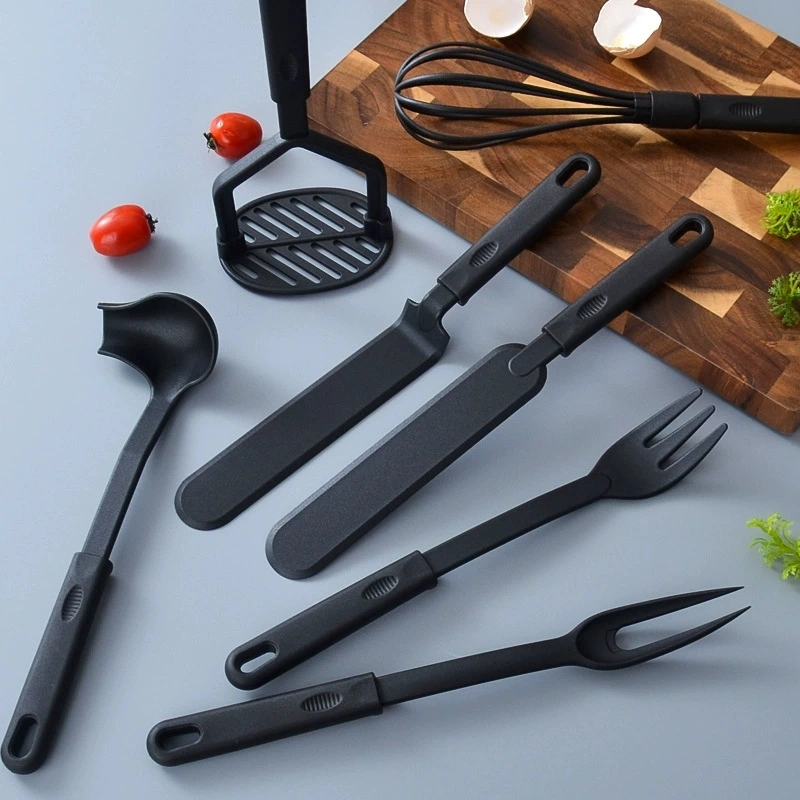
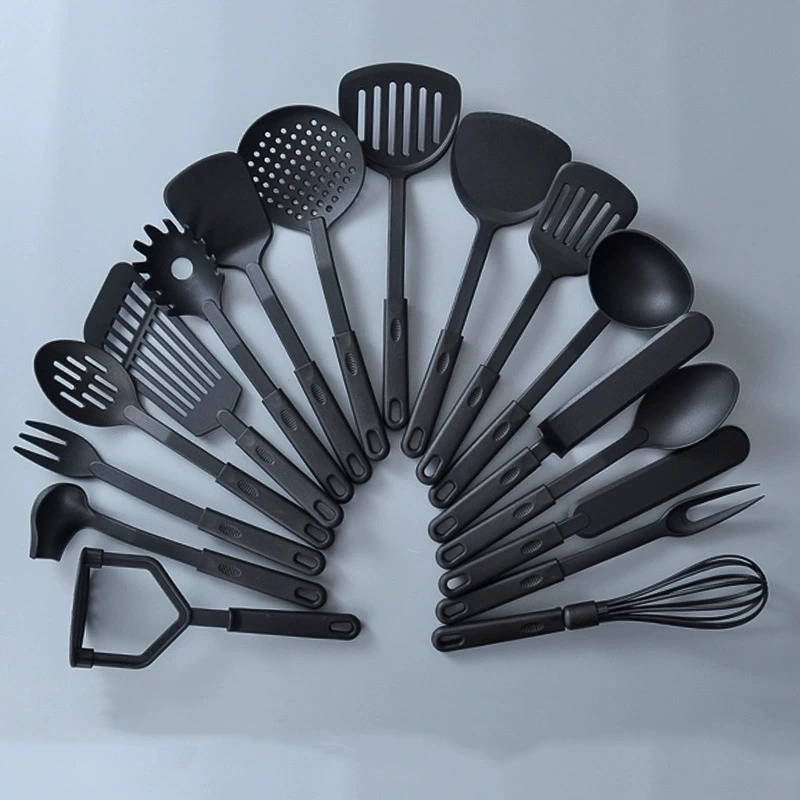
Nylon cookware is often used for kitchen tools like spatulas, spoons, and ladles. These items benefit from nylon’s heat resistance and gentle touch on non-stick pans. Here are main uses:
- Cooking utensils: Spoons, spatulas, turners, and tongs.
- Utensils for non-stick cookware: Nylon does not scratch delicate surfaces.
- Lightweight kitchen tools: Easy to handle and clean.
Many chefs prefer nylon tools for these reasons:
- They do not damage pots or pans.
- They resist heat enough for most cooking tasks.
- They are dishwasher safe in most cases.
Below is a list of common nylon kitchen tools and their typical uses:
| Tool | Use | Heat Limit |
|---|---|---|
| Nylon Spatula | Flipping pancakes, eggs, and delicate foods | Up to 400°F (204°C) |
| Nylon Ladle | Serving soups and stews | Up to 400°F (204°C) |
| Nylon Spoon | Stirring sauces and mixing ingredients | Up to 400°F (204°C) |
Using nylon cookware below its heat limit keeps it safe and effective. Avoid exposing nylon utensils to open flames or broilers. Proper care will extend the life of these useful kitchen tools.
Credit: canzokitchenware.com
Heat Resistance Limits
Nylon cookware is popular for its non-stick and durable qualities. Understanding its heat resistance limits is essential to avoid risks. These limits determine how safely nylon cookware performs during cooking. Overheating can cause the material to break down, affecting food safety and cookware life. Knowing the melting point and safe cooking temperatures helps prevent toxic fumes and damage.
Melting Point
The melting point of nylon varies by type but generally lies between 220°C and 270°C (428°F to 518°F). This temperature range indicates when nylon changes from solid to liquid. Cooking above this point can cause the material to melt or deform.
Key facts about nylon’s melting point:
- Nylon 6: melts around 220°C (428°F)
- Nylon 6,6: melts near 265°C (509°F)
- Cooking temperatures: usually stay below 250°C (482°F)
Here is a simple table showing melting points for common nylon types:
| Nylon Type | Melting Point (°C) | Melting Point (°F) |
|---|---|---|
| Nylon 6 | 220 | 428 |
| Nylon 6,6 | 265 | 509 |
Exceeding these temperatures risks melting the cookware. This can release harmful chemicals into food. Nylon is stable below these points but never leave empty nylon cookware on high heat. It can cause burning or toxic fumes.
Safe Cooking Temperatures
Safe cooking temperatures for nylon cookware are usually below 204°C (400°F). Most nylon utensils and tools are designed to handle normal cooking heat safely. Staying within these limits keeps the material intact and food safe.
Recommendations for safe use:
- Use nylon cookware on low to medium heat settings.
- Avoid direct contact with open flames or broilers.
- Do not preheat empty nylon pans on high heat.
- Check manufacturer guidelines for max heat ratings.
Here is a quick guide to common cooking heat levels:
| Cooking Method | Typical Temperature (°C) | Safe for Nylon? |
|---|---|---|
| Sautéing | 160-190 | Yes |
| Frying | 175-200 | Yes, with care |
| Boiling | 100 | Yes |
| Baking | 180-230 | Depends on type |
Using nylon cookware above 204°C can cause softening or release of chemicals. This may result in toxic fumes or damage. Users should monitor cooking temperature and avoid overheating. Nylon works well for stirring, mixing, and light frying within safe heat limits.
Chemical Release Concerns
Chemical release concerns often arise with nylon cookware. Nylon, a type of plastic, can break down under certain conditions. This breakdown may release chemicals into food. These chemicals might pose health risks. Understanding what toxins nylon can release and when is important for safe cooking.
Potential Toxins
Nylon cookware may release several chemicals if overheated or damaged. Some of these chemicals have raised health questions. Here are the main potential toxins linked to nylon cookware:
- Caprolactam: A chemical used in nylon production. It can leach into food at high temperatures.
- Volatile Organic Compounds (VOCs): These can be released when nylon is heated too much. VOCs may cause irritation or health problems over time.
- Plasticizers: Added to make nylon flexible. They can migrate into food, especially oily or acidic dishes.
Caprolactam is the most studied toxin. It has a low risk at normal cooking temperatures but can increase if the cookware is overheated. VOCs are harder to detect but may cause headaches or nausea. Plasticizers vary by product but remain a concern for long-term exposure.
| Chemical | Source | Potential Health Effects | Risk Level |
|---|---|---|---|
| Caprolactam | Nylon production | Skin irritation, mild toxicity | Low at normal use |
| VOCs | Overheating nylon | Respiratory irritation, nausea | Moderate if overheated |
| Plasticizers | Flexibility agents | Hormonal disruption (possible) | Variable by product |
Conditions Triggering Release
Chemical release from nylon cookware depends on specific conditions. Heat is the main factor. Nylon can start to degrade above certain temperatures. This breakdown releases toxins into food or air. Here are key conditions that trigger chemical release:
- High Heat: Nylon softens and melts around 220°C (428°F). Heating above 200°C (392°F) increases chemical release risk.
- Scratches and Damage: Damaged surfaces release more chemicals. Scratches expose inner layers to heat.
- Cooking Acidic or Oily Foods: These foods can increase chemical leaching from nylon.
- Prolonged Cooking Times: Longer exposure to heat raises toxin release chances.
Using nylon cookware on low to medium heat limits chemical release. Avoiding metal utensils reduces scratches. Cleaning cookware properly prevents buildup that can degrade nylon faster.
| Condition | Effect on Nylon | Risk of Chemical Release |
|---|---|---|
| High Heat (above 200°C) | Nylon softens and melts | High |
| Scratches/Damage | Exposes inner layers | Moderate to High |
| Acidic/Oily Foods | Increases leaching | Moderate |
| Long Cooking Times | Extended heat exposure | Moderate |
Credit: canzokitchenware.com
Health Impact Studies
Nylon cookware is popular for its non-stick and heat-resistant features. People often wonder if using nylon pots and utensils is safe. Health impact studies explore whether nylon cookware releases harmful chemicals during cooking. These studies help us understand any risks to health and guide safe use. Below, we look at what research says and what experts think about nylon cookware’s safety.
Research Findings
Scientific studies focus on nylon’s behavior under heat and its chemical release. Nylon melts at high temperatures, around 220°C (428°F). Most cooking happens below this, but overheating can cause problems.
- Low chemical release at normal cooking temperatures: Studies find little to no toxic chemicals released below 200°C.
- Decomposition at very high heat: Nylon can break down and release harmful substances above 250°C.
- Types of chemicals: Some studies detect small amounts of volatile organic compounds (VOCs) and amines.
One study tested nylon utensils during frying at 180°C. It showed no significant migration of harmful chemicals into food. Another research found that nylon fibers can degrade with long-term use, but this happens mostly if the cookware is scratched or damaged.
| Temperature Range | Chemical Release | Health Risk Level |
|---|---|---|
| Below 200°C (392°F) | Minimal to none | Low |
| 200-250°C (392-482°F) | Moderate, some VOCs | Medium |
| Above 250°C (482°F) | Significant, amines and other toxins | High |
Research shows nylon cookware is generally safe at common cooking temperatures. Avoid overheating to reduce any health risks.
Expert Opinions
Health experts and food safety authorities share views on nylon cookware safety. Most agree nylon is safe when used properly. Experts warn against high heat and damaged utensils.
- FDA approval: Nylon is approved for food contact by the U.S. Food and Drug Administration.
- Heat limits: Experts recommend keeping cooking temperatures below 200°C.
- Utensil care: Avoid scratching or melting nylon tools to prevent chemical release.
Some experts suggest using nylon for stirring and serving, not for direct frying on very high heat. They recommend silicone or metal for high-temperature cooking.
Dr. Jane Miller, a food safety specialist, states:
“Nylon cookware poses minimal risk if used correctly. Overheating or damaged nylon can release harmful chemicals. Use nylon at moderate heat and replace utensils if worn.”
Nutritionist Mark Lee advises:
“Choose nylon tools for non-stick pans and low-heat cooking. For grilling or frying, switch to metal or wood to stay safe.”
Experts agree: proper use and care keep nylon cookware safe. Knowing limits and replacing old utensils reduces health risks.
Comparing Cookware Materials
Choosing the right cookware affects your kitchen safety and cooking results. Understanding different materials helps you pick safe and efficient tools. Nylon cookware raises questions about toxicity and durability. Comparing nylon with other popular materials like silicone and metal reveals strengths and weaknesses. This guide shows how nylon stands against these options in safety, heat resistance, and usability.
Nylon Vs. Silicone
Nylon and silicone are common materials for cooking tools and cookware parts. Both are popular for non-stick surfaces and heat resistance, but they differ in key ways. Nylon is a type of plastic, while silicone is a synthetic rubber-like material.
Heat resistance:
- Nylon melts around 400°F (204°C), which limits its use with high heat.
- Silicone withstands temperatures up to 600°F (315°C), making it safer for frying and baking.
Safety concerns:
- Nylon may release harmful chemicals if overheated above its melting point.
- Silicone is generally considered non-toxic and stable at cooking temperatures.
Both materials resist sticking and are easy to clean. Silicone is more flexible and lasts longer without warping or breaking. Nylon tools are usually less expensive but less durable in high heat.
| Feature | Nylon | Silicone |
|---|---|---|
| Max Heat Resistance | ~400°F (204°C) | ~600°F (315°C) |
| Flexibility | Low | High |
| Non-Toxicity | Risk if overheated | Generally safe |
| Durability | Moderate | High |
For cooking at moderate temperatures, nylon works fine. Silicone offers more safety and versatility for higher heat cooking.
Nylon Vs. Metal
Metal cookware, such as stainless steel or cast iron, differs greatly from nylon in safety and cooking performance. Metals are traditional materials known for durability and heat conduction.
Heat tolerance:
- Metal handles very high temperatures without melting or releasing chemicals.
- Nylon cannot handle such heat and may melt or degrade.
Cooking impact:
- Metal distributes heat evenly, ideal for searing and frying.
- Nylon is mainly used for utensils, not primary cookware, due to low heat tolerance.
Safety and maintenance:
- Metal does not leach toxins when heated properly.
- Nylon can release harmful substances if overheated or damaged.
- Metal cookware requires seasoning or polishing but lasts many years.
- Nylon tools wear out faster and can stain or warp.
| Aspect | Nylon | Metal |
|---|---|---|
| Heat Resistance | ~400°F (204°C) | Over 1000°F (538°C) |
| Durability | Low to Moderate | High |
| Cooking Use | Utensils, light tasks | Pots, pans, all cooking |
| Safety | Risk if overheated | Safe at all cooking temps |
Metal cookware is best for heat-intensive cooking. Nylon tools suit gentle cooking and protecting non-stick surfaces. Choosing depends on cooking style and safety needs.
Safe Usage Tips
Nylon cookware is popular for its non-stick surface and affordability. Concerns about toxicity often arise from the material’s reaction to heat and wear. Using nylon cookware safely reduces risks and extends its lifespan. Follow these safe usage tips to protect your health and keep your kitchen tools in top shape.
Avoiding High Heat
Nylon can soften or melt at high temperatures, which may release harmful chemicals. Cooking at very high heat is not suitable for nylon utensils or cookware. Use nylon tools only with low to medium heat settings.
- Do not use nylon utensils on open flames or in ovens above 400°F (204°C).
- Use nylon tools for stirring or serving food cooked on low or medium heat.
- Replace nylon tools that show signs of melting, warping, or discoloration.
Use this table as a quick guide to safe temperatures for nylon cookware:
| Heat Level | Temperature Range | Safe for Nylon? |
|---|---|---|
| Low Heat | 200°F – 300°F (93°C – 149°C) | Yes |
| Medium Heat | 300°F – 400°F (149°C – 204°C) | Use with Caution |
| High Heat | Above 400°F (204°C) | No |
Always monitor the cooking temperature and avoid leaving nylon utensils in hot pans unattended. This practice keeps food safe and maintains the quality of your nylon cookware.
Proper Maintenance
Proper care keeps nylon cookware safe and functional for longer. Cleaning and storage affect the durability and safety of nylon kitchen tools.
- Hand wash nylon utensils: Use warm water, mild soap, and a soft sponge to avoid scratches.
- Avoid harsh scrubbers: Steel wool or abrasive pads can damage the nylon surface.
- Dry immediately: Prevent water spots and bacterial growth by drying with a clean towel.
- Store carefully: Keep nylon cookware separate from sharp or heavy metal objects to prevent damage.
Follow this simple maintenance checklist to keep nylon cookware in good condition:
| Maintenance Task | Recommended Action |
|---|---|
| Cleaning | Hand wash with mild soap, avoid dishwasher if possible |
| Drying | Dry immediately after washing |
| Storage | Store separately from sharp objects |
| Inspection | Check regularly for cracks or melting |
Proper maintenance reduces the chance of chemical leaching and keeps nylon cookware safe for cooking. Replace any damaged nylon tools promptly to avoid health risks.
Alternatives To Nylon Cookware
Nylon cookware is common in many kitchens, but some worry about its safety. Nylon can release harmful chemicals if heated too much. Choosing safer cookware matters for health and cooking quality. Exploring alternatives helps find options without toxic risks. Safer choices also protect the environment. Here are some good alternatives to nylon cookware that keep cooking safe and enjoyable.
Non-toxic Options
Non-toxic cookware avoids harmful chemicals like PFOA, PTFE, and BPA. These materials stay stable at high heat and do not release toxins. Using non-toxic cookware helps keep your food safe and healthy. Here are popular non-toxic cookware types:
- Stainless Steel: Durable, easy to clean, and does not react with food.
- Ceramic-Coated: Made from metal with a ceramic layer, non-stick without harmful chemicals.
- Cast Iron: Heats evenly and adds iron to your diet. Needs seasoning to stay non-stick.
- Glass: Non-reactive and good for baking and slow cooking.
Below is a quick comparison:
| Cookware Type | Non-Toxic | Heat Resistance | Maintenance |
|---|---|---|---|
| Stainless Steel | Yes | High | Low |
| Ceramic-Coated | Yes | Medium | Medium |
| Cast Iron | Yes | High | High (seasoning required) |
| Glass | Yes | Medium | Low |
Choosing non-toxic cookware protects your health and often lasts longer. Avoid plastic or coated pans that may contain hidden chemicals.
Eco-friendly Choices
Eco-friendly cookware reduces waste and pollution. It uses natural materials and lasts a long time. These choices help protect the planet while cooking.
Top eco-friendly cookware options include:
- Recycled Stainless Steel: Made from recycled metal, cuts down on mining and waste.
- Cast Iron: Can last for decades and is recyclable.
- Bamboo Utensils: Natural, renewable, and biodegradable. Great for stirring and flipping.
- Ceramic: Made from natural clay, breaks down safely if discarded.
Here is a simple eco-friendly cookware guide:
- Choose durable materials that last many years.
- Look for recycled or natural products.
- Avoid single-use or cheap plastics.
- Recycle old cookware properly.
Eco-friendly cookware helps reduce landfill waste and lowers your kitchen’s carbon footprint. A small change in cookware choice can make a big difference for the earth.

Credit: www.youtube.com
Frequently Asked Questions
Is Nylon Cookware Safe For Everyday Cooking?
Nylon cookware is generally safe for everyday use. It resists heat up to 400°F, preventing harmful chemical release. Avoid overheating to maintain safety and durability. Proper use ensures no toxic substances leach into food during typical cooking.
Can Nylon Utensils Release Toxins When Heated?
Nylon utensils may release toxins if overheated beyond 400°F. Normal cooking temperatures rarely reach this level. Using nylon tools within recommended heat limits prevents toxic fumes and maintains food safety during cooking.
How Does Nylon Cookware Compare To Other Materials?
Nylon cookware is lightweight, heat-resistant, and non-toxic when used properly. Unlike some plastics, it doesn’t release harmful chemicals at normal temperatures. However, it’s less heat-resistant than silicone or metal, requiring careful temperature management.
What Precautions Prevent Nylon Cookware Toxicity?
To prevent toxicity, avoid using nylon cookware on high heat or direct flames. Use wooden or silicone utensils to avoid scratching. Regularly inspect for damage and replace worn items to ensure safety and performance.
Conclusion
Nylon cookware is generally safe when used properly. Avoid heating it above recommended temperatures. High heat can cause melting or release of harmful chemicals. Always check product labels for safety instructions. Choose quality nylon cookware from trusted brands. Clean and store your cookware carefully to keep it safe.
Cooking with nylon tools is fine for everyday use. Stay informed and use common sense in the kitchen. Your health matters, so handle cookware with care. Safe cooking leads to better meals and peace of mind.

Hello, This is Annie Walker, a 38-year-old blogger, founder, and editor of Cookware Guider from NY, USA. I am a cookware fanatic and passionate cooker. I love to cook with different types of cooking appliances (example: all types of cookware, rice cookers, slow cookers, etc) almost every day in my kitchen. I love to share my experience with my readers in my blog. Also, I enjoy helping people to solve their problems through my website. You can follow me on Twitter & Pinterest. To know details about my blog please check the about us page.