
Pan frying salmon is a simple way to cook a delicious and healthy meal. The process brings out the natural flavors of the fish and creates a crispy skin that many people love. Whether you’re new to cooking fish or want to improve your results, learning how to pan fry salmon can change the way you cook at home.
This guide will show you every step, from picking the right salmon to serving a perfect fillet. You’ll also find data, practical tips, and answers to common questions, making this article your complete resource for pan frying salmon.
Choosing The Right Salmon
The quality of your salmon affects the taste, texture, and nutrition of your meal. You can buy wild-caught salmon or farm-raised salmon. Wild-caught salmon is usually firmer and has a deeper color. Farm-raised salmon is often fattier, which makes it easier to cook without drying out.
Freshness matters. Look for salmon with:
- Bright, moist flesh (not dull or dry)
- No strong fishy smell
- Skin that is shiny, not slimy
If buying fillets, ask for pieces with the skin on. The skin protects the flesh during cooking and helps you get a crispy finish.
Comparison Of Salmon Types
Here is a quick look at the differences between wild-caught and farm-raised salmon.
| Type | Texture | Color | Fat Content | Average Price (per lb) |
|---|---|---|---|---|
| Wild-caught | Firm | Deep Red | Lower | $15–$25 |
| Farm-raised | Softer | Light Pink | Higher | $8–$14 |
Non-obvious insight: If you plan to pan fry, farm-raised salmon is less likely to stick or break apart because of its higher fat content. Wild-caught salmon cooks faster and needs careful attention to avoid overcooking.
Preparing Salmon For Pan Frying
Preparation is key for great results. Start by rinsing the salmon under cold water and patting it dry with paper towels. Dry salmon gets crispier skin.
Removing Bones
Run your fingers over the flesh. If you feel small bones, use tweezers to pull them out. Removing bones before cooking is safer and makes eating easier.
Cutting Portions
If you have a large fillet, cut it into individual portions (about 6 oz each). Evenly sized pieces cook more consistently.
Seasoning
Seasoning salmon before cooking improves flavor. Use:
- Salt and pepper (basic)
- Lemon zest or juice
- Garlic powder
- Paprika
Practical tip: Salt the salmon at least 10 minutes before cooking. This helps draw out moisture and makes the skin crisper.
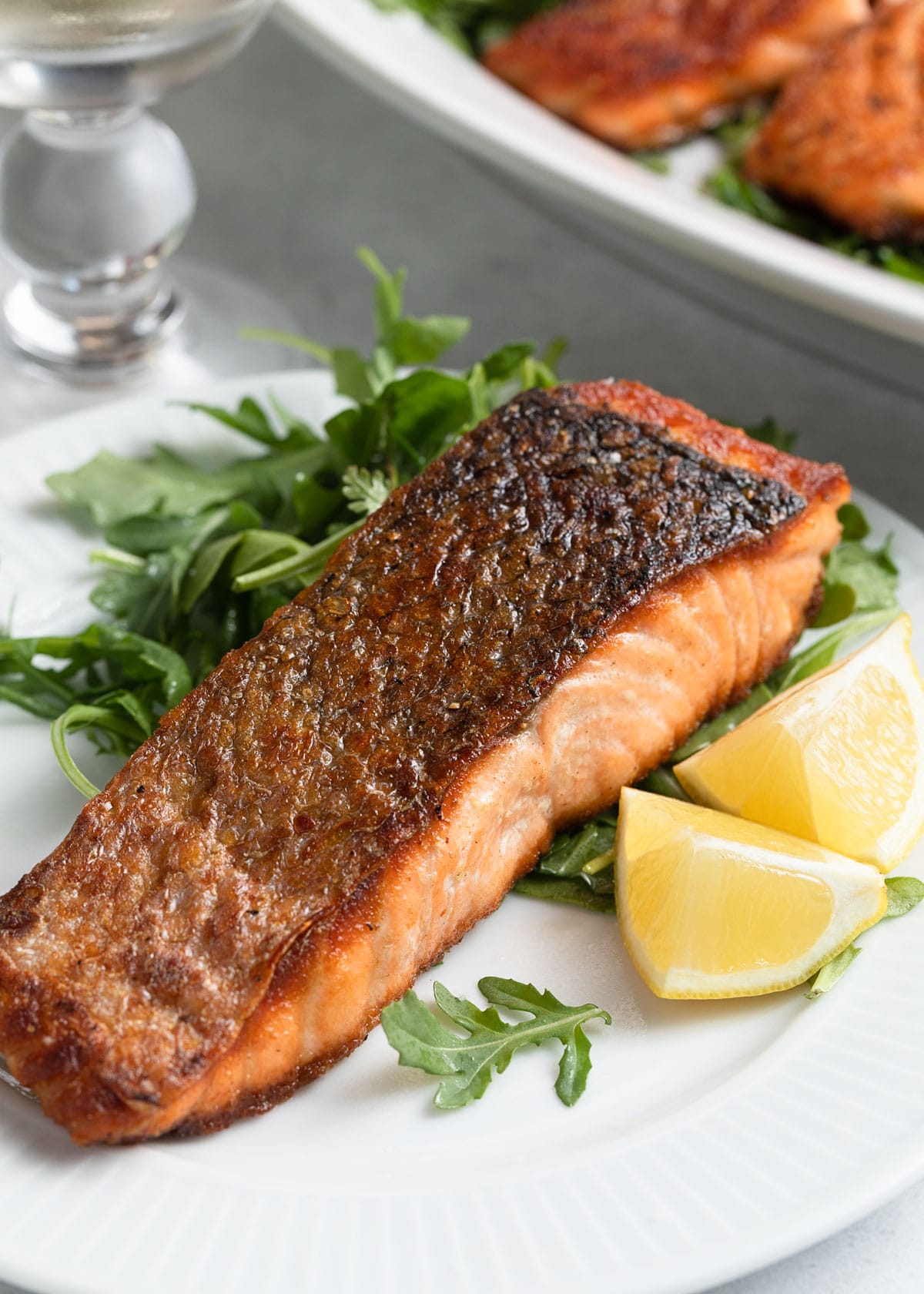
Credit: stripedspatula.com
Choosing The Right Pan And Oil
The pan and oil you use affect how the salmon cooks and tastes.
Best Pans For Pan Frying Salmon
- Nonstick skillet: Easiest for beginners, prevents sticking.
- Stainless steel pan: Good for crisp skin but needs oil and proper heat.
- Cast iron skillet: Excellent heat retention and crispy results.
Straight-to-the-point helper tip: If you want crispy skin, use a heavy pan (like cast iron) and preheat it well.
Oils For Cooking Salmon
Pick oils with a high smoke point, such as:
- Canola oil
- Vegetable oil
- Grapeseed oil
- Avocado oil
Avoid butter alone, as it burns at high heat. You can add butter at the end for flavor.
| Oil | Smoke Point (°F) | Flavor |
|---|---|---|
| Canola | 400 | Neutral |
| Vegetable | 400 | Neutral |
| Grapeseed | 420 | Light |
| Avocado | 520 | Rich |
Non-obvious insight: Avocado oil allows you to use higher heat, making it easier to get crispy skin without burning.
Step-by-step: How To Pan Fry Salmon
Let’s walk through the process for pan frying salmon with skin-on.
Step 1: Preheat The Pan
Place your pan on medium-high heat. Let it heat for at least two minutes. A hot pan is essential for crisp skin and prevents sticking.
Step 2: Add Oil
Pour about 1–2 tablespoons of oil into the pan. Swirl to coat evenly.
Step 3: Place Salmon Skin Side Down
Gently place the salmon skin side down. The skin protects the flesh from heat and gets crispy.
Step 4: Do Not Move The Salmon
Let the salmon cook without moving it. Press gently with a spatula if needed to keep the skin flat.
Step 5: Cook Time
Cook for about 4–5 minutes on the skin side. The skin should be golden and crispy.
Step 6: Flip The Salmon
Turn the salmon over carefully. Cook for another 2–3 minutes on the flesh side.
Step 7: Check For Doneness
The salmon should be opaque and easy to flake. A food thermometer should read 125–130°F for medium. If you prefer well-done, cook to 140°F.
Step 8: Rest And Serve
Remove the salmon from the pan. Let it rest for a few minutes before serving. Resting allows juices to settle, making the salmon moist.
Cooking Skinless Salmon Fillets
If your salmon is skinless, the process changes slightly.
- Preheat the pan as before.
- Add oil and swirl.
- Place salmon in the pan, presentation side down first.
- Cook 3–4 minutes, then flip.
- Cook another 2–3 minutes.
Calm expert tip: Skinless salmon is more likely to stick. Make sure the pan is hot and the salmon is dry.
Common Mistakes And How To Avoid Them
Even experienced cooks make mistakes when pan frying salmon. Here are some common errors and how to fix them.
Not Drying The Salmon
Wet salmon steams instead of fries. Always dry with paper towels.
Using Low Heat
Low heat makes the skin soggy and causes sticking. Use medium-high heat.
Overcrowding The Pan
Too many fillets lower the pan’s temperature and cause steaming. Cook in batches if needed.
Flipping Too Early
If you flip the salmon too soon, the skin will tear. Wait until the skin is crispy and releases easily.
Overcooking
Salmon dries out quickly. Use a timer and check with a thermometer for best results.

Credit: cooking.nytimes.com
How To Get Crispy Skin
Crispy skin is a highlight of pan fried salmon. Here’s how to get it right:
- Use a hot pan and enough oil.
- Dry the skin before cooking.
- Press the fillet down with a spatula for the first minute.
- Do not move the salmon until the skin is crisp.
Experience-based guide tip: If you want extra crispiness, sprinkle a little salt on the skin just before cooking.
Seasoning And Flavor Variations
Salmon is flexible and works with many seasonings.
Simple Seasoning Ideas
- Lemon juice and zest
- Dill or parsley
- Garlic powder
- Crushed black pepper
Advanced Flavor Combinations
- Soy sauce and honey glaze
- Cajun spices
- Mustard and maple syrup
Practical advisor tip: Try seasoning only the flesh side for subtle flavor, or marinate briefly for deeper taste.
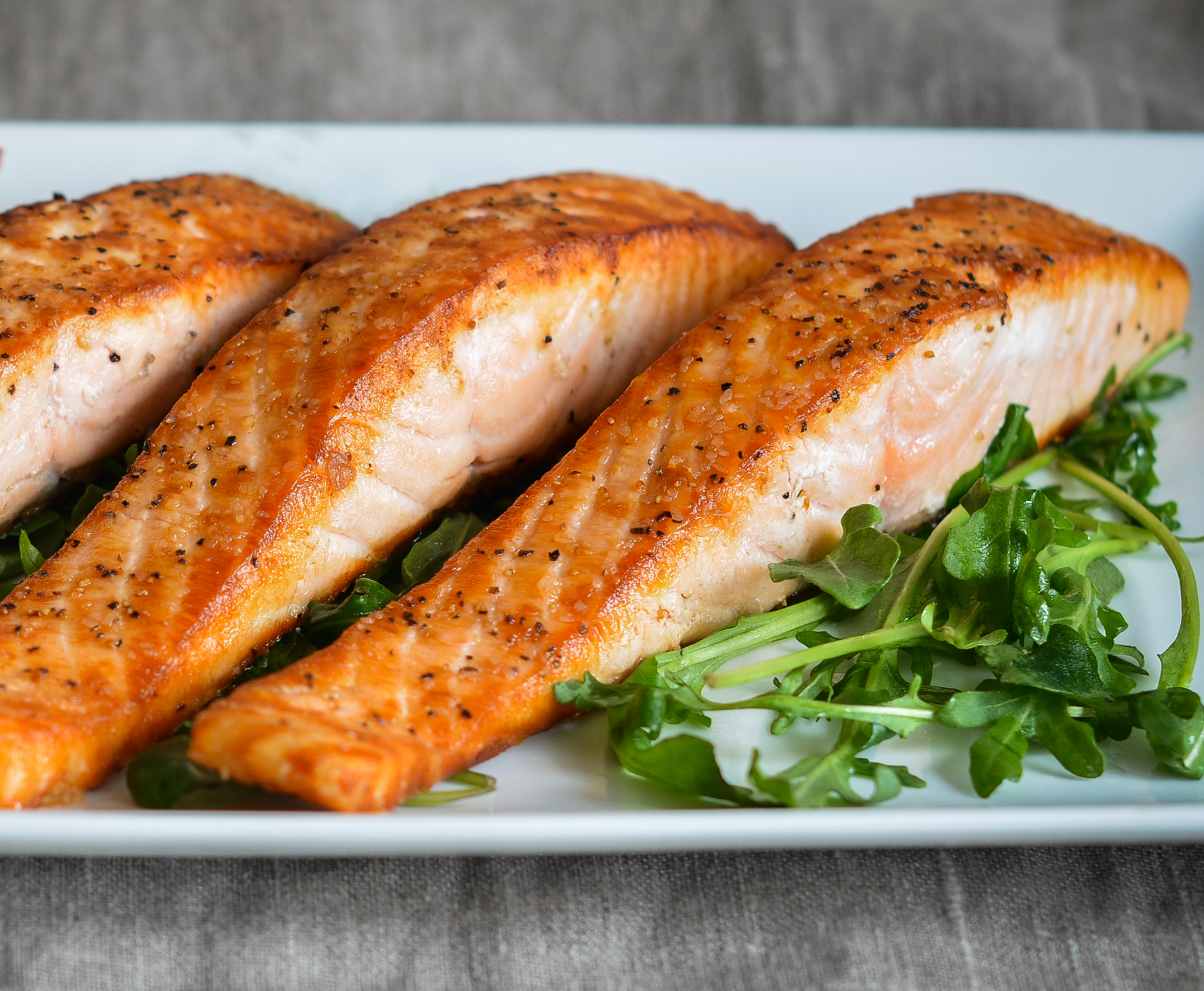
Credit: www.onceuponachef.com
Pan Frying Salmon: Nutrition Facts
Salmon is one of the healthiest fish you can eat. It’s rich in omega-3 fatty acids, protein, and vitamin D. Here’s a look at the nutrition for a typical 6 oz pan fried fillet:
| Nutrient | Amount (per 6 oz fillet) | % Daily Value |
|---|---|---|
| Calories | 350 | 18% |
| Protein | 34g | 68% |
| Fat | 20g | 31% |
| Omega-3 | 2.6g | 108% |
| Vitamin D | 800 IU | 200% |
Non-obvious insight: Pan frying does not significantly reduce omega-3 content. Using neutral oil keeps the nutrition profile strong.
Serving Suggestions
Pan fried salmon is easy to pair with many side dishes.
Simple Sides
- Steamed rice
- Roasted vegetables
- Green salad
- Mashed potatoes
Creative Sides
- Quinoa with herbs
- Sautéed spinach
- Mango salsa
Friendly mentor tip: For a healthy meal, combine salmon with vegetables and whole grains.
Practical Tips For Beginners
- Use a nonstick pan if you’re unsure about sticking.
- Let salmon reach room temperature for even cooking.
- Always preheat the pan fully.
- If the skin sticks, let it cook longer. It will release when crispy.
- Don’t overcrowd the pan—cook one or two fillets at a time.
Experience-based guide tip: If you want to add extra flavor, finish the salmon with a pat of butter and a squeeze of lemon right before serving.
How To Store And Reheat Pan Fried Salmon
Leftover salmon can be stored and reheated, but you need to keep it moist and avoid overcooking.
Storing
- Cool the salmon to room temperature.
- Wrap tightly in plastic wrap or use an airtight container.
- Store in the fridge for up to 2 days.
Reheating
- Heat a nonstick pan over low heat.
- Add a splash of water or lemon juice to keep moist.
- Cover and heat for 2–3 minutes.
Avoid microwaving, as it dries out the fish and ruins the texture.
Pan Frying Salmon Vs. Other Cooking Methods
How does pan frying compare to baking, grilling, or poaching? Here’s a brief overview.
| Method | Cooking Time | Texture | Flavor | Ease |
|---|---|---|---|---|
| Pan Frying | 6–8 min | Crispy skin, moist flesh | Rich, intense | Easy |
| Baking | 12–15 min | Soft, even | Mild | Very easy |
| Grilling | 5–7 min | Charred, smoky | Bold | Moderate |
| Poaching | 8–10 min | Delicate, moist | Light | Easy |
Straight-to-the-point helper tip: Pan frying is the fastest way to get crispy skin and deep flavor.
Food Safety And Salmon
Salmon is safe to eat when cooked to 125–140°F. Undercooked salmon can carry parasites or bacteria. Always check doneness with a thermometer if you’re unsure.
Non-obvious insight: Frozen salmon is safer, as freezing kills most parasites. If you buy fresh, make sure it comes from a trusted source.
For more about seafood safety, visit the FDA Seafood Safety Guide.
Frequently Asked Questions
How Do I Prevent Salmon From Sticking To The Pan?
Make sure the salmon is dry and the pan is hot before adding oil. Use enough oil to coat the pan. If the skin sticks, let it cook longer; it will release when crispy.
Should I Cook Salmon With The Skin On Or Off?
Skin-on salmon is easier to pan fry and gives a crispy texture. Skin-off salmon can stick and is more delicate. If you prefer no skin, use a nonstick pan and handle gently.
How Do I Know When Salmon Is Done?
Salmon is done when it’s opaque and flakes easily. The center should be just cooked, not dry. Use a thermometer: 125–130°F for medium, 140°F for well-done.
Can I Use Butter Instead Of Oil For Pan Frying Salmon?
Butter adds flavor but burns quickly at high heat. Use oil for cooking, then add butter at the end for taste.
How Long Can I Store Cooked Salmon?
Cooked salmon keeps for up to 2 days in the refrigerator. Wrap tightly and reheat gently to keep it moist.
Pan frying salmon is a skill that can transform your home cooking. With the right salmon, a good pan, and proper technique, you can make restaurant-quality fish every time. Remember to dry the fillet, use a hot pan, and don’t rush the process.
Try different seasonings and sides to create meals that suit your taste. With these tips, you’ll enjoy salmon that’s crispy, juicy, and full of flavor.

Hello, This is Annie Walker, a 38-year-old blogger, founder, and editor of Cookware Guider from NY, USA. I am a cookware fanatic and passionate cooker. I love to cook with different types of cooking appliances (example: all types of cookware, rice cookers, slow cookers, etc) almost every day in my kitchen. I love to share my experience with my readers in my blog. Also, I enjoy helping people to solve their problems through my website. You can follow me on Twitter & Pinterest. To know details about my blog please check the about us page.